Table of Contents
- Introduction
- The Case for the Home Workout: Convenience and Autonomy
- The Drawbacks of the Home Environment
- The Case for the Gym: Equipment, Community, and Focus
- The Drawbacks of the Gym Environment
- Understanding the Physiological Impact: Strength vs. Cardio
- The Psychological "Third Space"
- The Hybrid Model: Why Not Both?
- Nutrition and Supplementation for Every Environment
- The Role of Technology in Modern Training
- Creating Your Ideal Training Space
- Conclusion: Finding Your Adventure
- FAQ
Introduction
Did you know that according to some estimates, nearly 50% of people who start a new exercise program at a commercial gym drop out within the first six months? Conversely, the "home gym" market has exploded by over 150% in recent years, yet many of those stationary bikes eventually become high-end clothes hangers. Whether you are sweating in a crowded commercial facility or carving out a corner of your garage, the fundamental question remains: which is better home workout or gym? The truth is, there is no one-size-fits-all answer, but there is an answer that is right for you and your specific lifestyle goals.
At BUBS Naturals, we believe that the best workout is the one you actually do. Our mission is rooted in the legacy of Glen “BUB” Doherty—a Navy SEAL, an adventurer, and a man who understood that peak performance isn’t just about the location; it’s about the intention, the quality of your movement, and the fuel you provide your body. We are committed to helping you live a life of purpose and wellness, which is why we donate 10% of all our profits to veteran-focused charities. Whether you're training for a mountain peak or just trying to keep up with your kids, your environment plays a massive role in your success.
In this deep dive, we are going to explore the psychological, physiological, and practical differences between home and gym environments. We will look at how specialized equipment stacks up against the versatility of bodyweight movements, the role of community in maintaining consistency, and how to optimize your recovery with clean, functional supplements like our Collagen Peptides. By the end of this article, you will have a clear roadmap to decide which setting aligns with your adventure-ready lifestyle and how to bridge the gap between the two using a hybrid approach.
The Case for the Home Workout: Convenience and Autonomy
The most significant barrier to any fitness routine is friction. Friction is the traffic jam between your office and the gym; it’s the hunt for a matching pair of socks; it’s the realization that the gym closes in thirty minutes. When you choose to work out at home, you effectively eliminate nearly every logistical hurdle standing between you and your goals.
At home, your schedule is truly your own. If you have a twenty-minute window between conference calls, you can knock out a high-intensity interval training (HIIT) session or a focused set of kettlebell swings. This level of accessibility is a game-changer for parents, busy professionals, and those who live in remote areas. There is a profound sense of freedom in being able to roll out of bed, take a quick sip of water—perhaps paired with our Apple Cider Vinegar Gummies to kickstart your digestive wellness—and get straight to work.
However, home workouts offer more than just saved time. They offer a "judgment-free zone." For many, the "gym-timidation" factor is real. The fear of using a machine incorrectly or feeling compared to others can lead to a half-hearted effort or avoiding the gym altogether. At home, you can experiment with new movements, fail at a difficult yoga pose, and sweat through your oldest t-shirt without a second thought. This privacy allows for a deeper focus on the mind-muscle connection.
From a cost perspective, the home workout is often the clear winner over the long term. While a gym membership can range from $30 to $200 per month, a one-time investment in a few key pieces of equipment—like resistance bands, a set of adjustable dumbbells, or a pull-up bar—can serve you for a decade. Even without equipment, the human body is the most sophisticated piece of machinery on the planet. Utilizing bodyweight movements like push-ups, squats, and planks can build an incredible foundation of functional strength. To support the joints and connective tissues that take the brunt of these repetitive bodyweight movements, we often recommend incorporating Collagen Peptides into your daily routine. It’s an easy way to ensure your "equipment"—your body—stays well-maintained.
The Drawbacks of the Home Environment
While the home offers convenience, it is also the primary site of our greatest distractions. When you are at the gym, you are there to work. When you are at home, you are also near the laundry that needs folding, the dog that needs walking, and the refrigerator that is calling your name. The psychological "boundary" between rest and work can become blurred, which often leads to shorter, less intense workouts.
There is also the issue of equipment plateaus. While you can do a lot with a little, certain physiological adaptations require heavy loads that are difficult to replicate at home without a significant financial and spatial investment. For example, if your goal is to maximize absolute strength, you eventually need a squat rack, a barbell, and several hundred pounds of iron. For many, the lack of variety at home leads to "plateauing," where the body stops responding to the same stimulus because the load isn't increasing.
Lastly, there is the lack of professional oversight. At a gym, you might have a trainer or even an experienced lifter nearby who can point out if your back is rounding during a deadlift. At home, you are your own coach. Without a mirror or a recording, it’s easy to develop poor habits that can lead to imbalances. This makes it even more important to focus on recovery and foundational health. Many of our athletes find that adding Vitamin C to their post-workout regimen helps support the body's natural collagen formation, which is vital when you are pushing your limits without a coach's eye.
The Case for the Gym: Equipment, Community, and Focus
The commercial gym is a temple of focused intent. From the moment you walk through those doors, your brain receives a signal: It’s time to work. This environmental anchoring is a powerful psychological tool. Unlike the home, where you might be tempted to check your email every five minutes, the gym provides a dedicated space where the only objective is physical improvement.
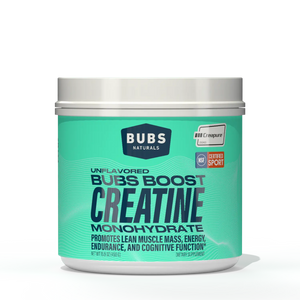
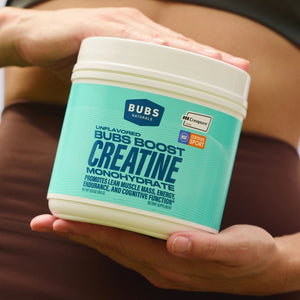
The most obvious advantage of the gym is the sheer variety of equipment. You have access to specialized machines that can isolate specific muscle groups, heavy-duty racks for compound movements, and a wide array of cardio machines from rowers to stair-climbers. This variety isn't just about "fun"; it’s about providing the body with the specific stimulus it needs to grow. If you are looking to support significant power and strength output, the gym is often the superior choice. This is also where supplements like Creatine Monohydrate shine. By increasing the availability of ATP in your muscles, our NSF for Sport certified creatine helps you squeeze out those last few repetitions on the heavy machines that you simply don’t have at home.
Beyond the iron, there is the human element. We are social creatures by nature. Seeing someone else push through a difficult set can provide a "vicarious" motivation that is impossible to replicate in a silent garage. Group fitness classes, "gym buddies," and even the casual nod from a regular member create a sense of community and accountability. If people expect to see you at 6:00 AM, you are far more likely to show up.
Furthermore, gyms often offer amenities that enhance the overall wellness experience. Saunas, steam rooms, and even high-end locker rooms can turn a grueling workout into a self-care ritual. This is also the perfect environment to optimize your hydration. Because gyms are often climate-controlled but intense, you may lose significant electrolytes through sweat. Using a clean electrolyte formula like Hydrate or Die ensures that your muscles can continue to contract efficiently and that you don't leave the gym feeling drained and foggy.
The Drawbacks of the Gym Environment
The gym is not without its frustrations. The most common complaint is the "crowd factor." During peak hours, the gym can feel like a crowded subway station where you have to wait ten minutes just to use a bench. This can turn a focused 45-minute workout into an agonizing 90-minute ordeal of standing around.
There is also the commute. If the gym is twenty minutes away, that is forty minutes of your day gone before you’ve even picked up a weight. Over a year, that adds up to hundreds of hours spent in a car. For many, this "time tax" is the reason they eventually quit.
Finally, there is the hygiene factor. Even the cleanest gyms are breeding grounds for bacteria and viruses. Sharing equipment with hundreds of other people requires a level of vigilance and a strong immune system. We always suggest that our community members keep their wellness foundations strong by staying consistent with their Vitamin C and ensuring they are getting enough protein through our Collagen Peptides to support cellular repair.
Understanding the Physiological Impact: Strength vs. Cardio
When debating which is better home workout or gym, we have to look at your specific physiological goals. The body adapts to the stress we place upon it, a principle known as SAID (Specific Adaptation to Imposed Demands).
Strength and Hypertrophy
If your primary goal is to build significant muscle mass (hypertrophy) or maximal strength, the gym usually wins. The reason is "Progressive Overload." To grow, muscles need to be challenged with increasingly heavier weights over time. While you can use tempo and volume to make home workouts harder, there is no substitute for adding another 10-pound plate to a barbell. However, building that muscle requires more than just lifting; it requires the building blocks of protein. Our Collagen Peptides Collection offers a clean, single-ingredient way to support the amino acid profile your body needs to recover from those heavy gym sessions.
Cardiovascular Health
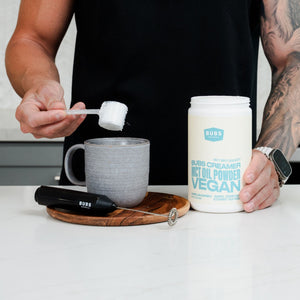
For cardiovascular health, the home (and the great outdoors) is often superior or at least equal to the gym. You don’t need a $5,000 treadmill to improve your VO2 max. A pair of running shoes and the open road, or a simple jump rope in the driveway, can provide a world-class cardio workout. Many people find that doing cardio at home is more sustainable because they can watch a documentary or listen to a podcast without the distractions of a gym environment. To keep your energy levels stable during these long-duration cardio sessions, many of our adventurers add our MCT Oil Creamer to their morning coffee. The healthy fats provide a sustained source of mental and physical energy that doesn't rely on sugar spikes.
Flexibility and Mobility
Mobility work and yoga are exceptionally well-suited for the home. These practices require peace, quiet, and very little space. Creating a "zen corner" in your home can lead to a more consistent mobility practice than trying to stretch in a corner of a noisy weight room. Since mobility work is often about supporting joint health, this is another area where our Collagen Peptides play a vital role, helping to keep your connective tissues supple and resilient.
The Psychological "Third Space"
Sociologists often talk about the "third space"—a place that is not home and not work, where people can connect and find a sense of identity. For many, the gym serves as this third space. It is where you find your tribe. In an era where many of us work from home, the gym provides a vital social outlet.
On the flip side, the home can be a "sanctuary." If your job is high-stress and involves dealing with people all day, the last thing you might want is to be in a crowded gym. A solitary home workout can be a form of moving meditation, a way to reclaim your peace and autonomy.
Regardless of where you train, your mental clarity is paramount. We believe that mental performance is just as important as physical performance. That’s why many in our community rely on the Creamers Collection to fuel their brains. Whether you're focusing on a heavy set of squats or a complex yoga flow, the C8 and C10 caprylic acids in our MCT Oil Creamer provide the ketones your brain craves for deep focus.
The Hybrid Model: Why Not Both?
The modern athlete doesn't have to choose just one. In fact, a hybrid model is often the most sustainable and effective approach to long-term health. Think of your gym membership as your "heavy lifting" days and your home setup as your "consistency" days.
A typical hybrid week might look like this:
-
Monday/Wednesday/Friday: Head to the gym for heavy compound lifts (squats, presses, pulls) and to utilize the community atmosphere.
-
Tuesday/Thursday: Quick 20-minute bodyweight or mobility sessions at home to stay active and reduce stiffness.
-
Saturday: An outdoor adventure—a hike, a bike ride, or a long run.
This model allows you to reap the benefits of high-end equipment while maintaining a baseline of fitness even when life gets too busy to commute to the gym. During these busy hybrid weeks, consistency is fueled by preparation. Having a travel-friendly supplement routine is key. Our MCT Oil Creamer – 14 ct Travel Pack and Collagen Peptides travel sticks ensure that no matter where your workout takes you, your nutrition stays on track.
Nutrition and Supplementation for Every Environment
Whether you are in a garage or a Gold’s Gym, your body’s requirements for repair and fuel remain the same. The "which is better home workout or gym" debate often ignores the fact that 80% of your results are driven by what you do in the kitchen and how you support your biological systems.
Pre-Workout Preparation
Before any session, your goal is to prime your body for the task ahead. If you are a morning exerciser, a cup of coffee with Butter MCT Oil Creamer can provide the necessary fats for energy without the heaviness of a full meal. If you are doing a high-intensity session, ensuring your electrolyte balance is peaked with Hydrate or Die – Lemon will prevent the premature fatigue that often ends workouts early.
Intra-Workout Support
For longer sessions—especially those exceeding 60 minutes—hydration is non-negotiable. The beauty of Hydrate or Die is that it provides 2,000mg of sea salt and key minerals without the added sugars found in traditional "sports drinks." This is crucial for maintaining performance whether you're under the gym’s AC or in your humid backyard.
Post-Workout Recovery
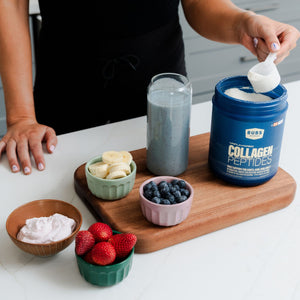
This is where the real work happens. Your workout is the "stressor," but your recovery is where the "growth" occurs. To support muscle repair and joint health, we recommend a scoop of Collagen Peptides as soon as possible after your session. Because our collagen is hydrolyzed, it’s incredibly easy for your body to absorb and use. Pair it with Vitamin C to maximize the antioxidant benefits and help your body rebuild the tissues you just worked so hard to challenge.
The Role of Technology in Modern Training
We can't discuss home workouts without mentioning the digital revolution. Today, you can have a world-class personal trainer in your living room via your smartphone. Apps and streaming services have closed the "knowledge gap" that used to make the gym the only place for effective training.
However, technology also has its place in the gym. Wearable tech allows us to track our heart rate, recovery scores, and even our power output. Whether you use an app at home or a wearable at the gym, the data provides a layer of accountability.
At BUBS, we love the "no-BS" approach to tech. Use what helps you move better and more often, but don't let the data paralyze you. If your watch says you're "underrcovered" but you feel great and ready for adventure, trust your body. Support that intuition with a consistent habit, like taking your Apple Cider Vinegar Gummies every morning to keep your gut health in check, ensuring you are always ready to perform.
Creating Your Ideal Training Space
If you decide that the home workout is your primary path, it’s worth spending time and effort to make that space inspiring. It shouldn't just be a corner of the basement where you store holiday decorations.
-
Lighting: Natural light is best for mood and energy.
-
Organization: Keep your weights tidy.
-
Fuel Station: Have a dedicated spot for your shaker bottle and your Hydrate or Die – Mixed Berry so you aren't searching for them mid-workout.
If the gym is your choice, find one that aligns with your values. Is it clean? Does the staff seem to care? Is there a culture of respect? Your environment dictates your output, so choose wisely.
Conclusion: Finding Your Adventure
The debate over which is better home workout or gym ultimately misses the most important point: the location is secondary to the commitment. Both environments offer unique advantages that can lead to a long, healthy, and adventurous life. The gym offers the tools for peak power and a sense of belonging, while the home offers the ultimate in convenience, privacy, and autonomy.
For many of us, the ideal solution is a blend of both, supported by a rock-solid foundation of nutrition. We encourage you to look at your fitness not as a chore to be completed in a specific building, but as a lifelong journey of self-discovery. By choosing clean, simple, and effective support like our Collagen Peptides, you are giving your body the resources it needs to thrive in any setting.
Remember that every time you choose BUBS, you aren't just investing in your own health; you are honoring the legacy of a hero and supporting the veteran community through our 10% pledge. We believe in being "Great in Spirit," and that spirit can be cultivated in a high-end health club or a small suburban garage.
Are you ready to optimize your performance and support your recovery with the highest quality ingredients? Explore our Collagen Peptides Collection today and feel the difference that clean, science-backed nutrition can make in your training, wherever it happens.
FAQ
1. Can I build significant muscle without a gym membership?
Yes, you can build significant muscle at home by utilizing bodyweight exercises, resistance bands, and high-intensity interval training. The key is to focus on progressive overload—making exercises harder as you get stronger—and ensuring your nutrition is on point. Incorporating Creatine Monohydrate and Collagen Peptides into your daily routine can help provide the building blocks and energy needed for muscle growth and recovery, even without heavy gym machinery.
2. How do I decide which environment is right for me?
Consider your "friction points." If you find that the commute to the gym is the reason you skip workouts, a home setup is likely better. If you find yourself too distracted at home to finish a full session, the focused environment of a gym may be necessary. Many people find the best results by starting with a home routine to build consistency and then joining a gym when they need more specialized equipment to reach their next goal.
3. What are the most important supplements for someone just starting a fitness journey?
Regardless of your location, we recommend focusing on the foundations: hydration and recovery. A high-quality electrolyte like Hydrate or Die ensures you stay performing at your best, while Collagen Peptides support your joints, skin, and muscles as they adapt to new stresses. For an added boost of daily wellness and digestion, our Apple Cider Vinegar Gummies are a great, simple addition to any morning ritual.
4. Is it possible to switch between home and gym workouts effectively?
Absolutely. This "hybrid model" is one of the most effective ways to maintain fitness long-term. You might use the gym for heavy lifting two or three days a week and do yoga or cardio at home on the other days. This flexibility helps prevent burnout and ensures you can still get a workout in on your busiest days. Using portable options like our MCT Oil Creamer – 14 ct Travel Pack can help you maintain your nutritional habits regardless of where you are training.