Table of Contents
- Introduction
- The Science of Training Frequency
- Understanding Training Volume and Intensity
- Recommended Frequency by Experience Level
- The Role of Recovery in Chest Training
- Exercise Selection for a Balanced Chest
- Sample Weekly Structures
- Common Mistakes to Avoid
- Supporting Your Training with Supplements
- Signs You Are Training Too Often
- Conclusion
- FAQ
Introduction
Building a strong, well-defined chest is a primary goal for many who hit the gym. Whether you want to improve your bench press numbers or simply fill out a t-shirt better, the way you structure your week matters. Many lifters struggle with the balance between training hard enough to see results and resting long enough to recover. If you hit your chest too often, you risk injury and burnout; if you don't hit it enough, your progress may stall.
At BUBS Naturals, we believe that fitness should be sustainable, effective, and fueled by clean nutrition, and our About BUBS page explains how that mission connects adventure, wellness, and giving back. We know that high-performance training requires a smart approach to both the work you do in the gym and the recovery you do outside of it. This guide explores the science of training frequency, how to determine the right schedule for your experience level, and how to maximize every rep you perform.
Finding the right frequency for your chest workouts involves understanding volume, intensity, and your body's ability to repair muscle tissue. For most active adults, training the chest two to three times per week provides the best balance of growth stimulus and recovery.
The Science of Training Frequency
Training frequency refers to how many times you work a specific muscle group within a seven-day period. In the past, many followed the "bro split," where each muscle group was hit once a week with massive volume in a single session. Modern sports science suggests a different approach is often more effective for building strength and size.
When you perform a chest workout, you trigger muscle protein synthesis. This is the process where your body repairs and builds new muscle fibers. For most people, this elevated state of muscle building lasts for about 24 to 48 hours after a workout. If you only train your chest once a week, you might be missing out on several days where your body could be in a muscle-building state.
However, frequency is only one piece of the puzzle. It works alongside volume (the total amount of work you do) and intensity (how heavy the weights are). If you increase how often you train, you must often adjust how much you do in each individual session to avoid overtraining. For a deeper dive into a simple, effective strength ingredient that supports training output, see our guide on Understanding What Creatine Monohydrate Powder Is.
Quick Answer: For most individuals, training the chest 2–3 times per week is the optimal frequency. This schedule allows for frequent stimulation of muscle growth while providing 48–72 hours of rest between sessions for tissue repair.
Understanding Training Volume and Intensity
Before you decide on a weekly schedule, you need to understand volume and intensity. Volume is typically measured by the total number of "hard sets" you perform for the chest each week. A hard set is one that you take close to muscular failure, usually leaving only one to three reps in the tank.
Intensity refers to the amount of weight you lift relative to your one-repetition maximum (1RM). This is the heaviest weight you can lift for a single rep with perfect form. Lifting heavy weights (80-90% of 1RM) is excellent for building absolute strength, while moderate weights (60-80% of 1RM) are often used for muscle growth, also known as hypertrophy.
Science suggests that training volume is a primary driver of muscle growth. There is a "dose-response" relationship, meaning that up to a certain point, more volume leads to more growth. However, doing all that volume in one day can lead to "junk volume." This is when you are so tired by the end of a long workout that your later sets have very little impact because your form is poor and your intensity has dropped.
Myth: You must train your chest every day if you want it to grow fast.
Fact: Muscles grow during rest, not during the workout itself. Training the same muscle every day prevents the repair process and can lead to plateaus or overuse injuries in the shoulders and elbows.
Recommended Frequency by Experience Level
The right answer to "how often should I workout chest a week" depends heavily on how long you have been training. Your body adapts to physical stress over time, and a veteran lifter requires a different stimulus than someone just starting.
Beginners (0–12 Months of Consistent Training)
If you are new to lifting, your body is highly sensitive to the stress of weight training. You can see significant gains with a lower frequency. Beginners often do best with two chest sessions per week. This provides enough stimulus to learn the movements and trigger growth without overwhelming the central nervous system. A full-body routine performed three times a week is a classic way to hit this frequency.
Intermediates (1–3 Years of Consistent Training)
Once you have a solid foundation, your muscles become more resistant to damage. You may need more total volume to keep seeing progress. At this stage, two to three sessions per week are ideal. Many intermediates move to an "Upper/Lower" split or a "Push/Pull/Legs" routine. These allow you to hit the chest more frequently while still having dedicated rest days for the upper body.
Advanced (3+ Years of Consistent Training)
Advanced lifters often need complex strategies to continue making gains. This might involve training the chest three times a week with varying levels of intensity. For example, one day might be focused on heavy bench presses, another on high-volume incline work, and a third on isolation movements like cable flyes.
Bottom line: Most people should aim for two chest sessions per week to maximize the muscle-building window without risking burnout.
The Role of Recovery in Chest Training
You don't get stronger in the gym; you get stronger while you sleep. Recovery is the biological process of repairing the micro-tears in your muscle fibers caused by heavy lifting. If your recovery is poor, the frequency of your workouts won't matter because you’ll be training a muscle that is still damaged.
Proper recovery involves three main pillars: sleep, nutrition, and stress management. Most adults need seven to nine hours of quality sleep to support hormone production and tissue repair. On the nutrition side, you need adequate calories and protein. Protein provides the amino acids necessary to rebuild muscle.
We also know that supporting your connective tissues is vital. Chest pressing movements put a lot of strain on the tendons in your shoulders and elbows. Our Collagen Peptides are designed to support joint health and recovery. Because collagen is a major component of your tendons and ligaments, supplementing with grass-fed hydrolyzed collagen can help your body keep up with the demands of a high-frequency training program.
Hydration is another often-overlooked factor. When you are dehydrated, your strength drops, and your muscles are more prone to cramping and injury. If you want a broader look at why electrolytes matter, our article on Does Electrolyte Water Work? Your Guide to Smart Hydration breaks it down. Using an electrolyte formula like our Hydrate or Die can help maintain fluid balance and muscle function during those heavy pressing sessions.
Exercise Selection for a Balanced Chest
To make the most of your weekly frequency, you should choose exercises that target different areas of the pectorals. The chest is primarily made up of the pectoralis major (which has a clavicular head and a sternal head) and the pectoralis minor.
Horizontal Pressing
These are your foundational movements. The flat barbell bench press or flat dumbbell press targets the overall mass of the chest. These movements allow you to move the most weight, which is excellent for building strength. We recommend doing at least one horizontal press per week.
Incline Pressing
The incline bench press shifts the focus to the "upper chest" or the clavicular head of the pectoralis major. Many lifters find that their upper chest lags behind, so including incline dumbbell or barbell presses in one of your weekly sessions is a smart move for a balanced look.
Isolation Movements
Exercises like cable crossovers, dumbbell flyes, and pec deck machines allow you to train the chest through a full range of motion without the triceps taking over. These are great for adding extra volume at the end of a workout without adding too much systemic fatigue.
Dips and Decline Pressing
These movements target the "lower chest" or the sternal head. Dips are a powerful compound movement that also builds significant strength in the triceps and front deltoids.
Key Takeaway: A well-rounded chest routine across the week should include a mix of heavy compound presses for strength and isolation movements for high-volume hypertrophy. Rotating these exercises across your 2–3 weekly sessions prevents boredom and ensures total muscle development.
Sample Weekly Structures
How you fit chest training into your week depends on your overall split. Here are three common ways to organize your training frequency.
| Training Split |
Frequency |
How it Works |
| Full Body |
3x per week |
You perform one chest exercise (like bench press) in every session, usually on Monday, Wednesday, and Friday. |
| Upper / Lower |
2x per week |
You train all upper body muscles on Monday and Thursday. You have two dedicated sessions for chest work. |
| Push / Pull / Legs |
2x per week |
You train chest, shoulders, and triceps on "Push" days. In a 6-day split, you hit this twice. |
If you are using a higher frequency, such as three times per week, you should vary the intensity. For example:
-
Monday: Heavy Strength (Low reps, high weight)
-
Wednesday: Hypertrophy (Moderate reps, moderate weight)
-
Friday: Power/Speed (Light weight, moved as fast as possible)
This "undulating periodization" helps prevent the central nervous system from getting fried while still providing the muscles with a frequent growth signal.
Common Mistakes to Avoid
When trying to figure out how often you should workout chest a week, it is easy to fall into a few common traps.
Ignoring Shoulder Health
The chest and the shoulders are closely linked. Every time you bench press, your front deltoids are working hard. If you train chest too often without also training your back (the "pulling" muscles), your shoulders may round forward. This imbalance can lead to impingement and chronic pain. For every "push" set you do for your chest, aim to do at least one "pull" set for your back.
Chasing the Pump Over Progress
A "pump" feels great, but it isn't always a sign of an effective workout. The most important factor for long-term growth is progressive overload. This means doing more over time—more weight, more reps, or better form. If you are training chest three times a week but the weight on the bar hasn't moved in a month, your frequency isn't working for you.
Neglecting Core Stability
A strong chest needs a stable base. If your core is weak, you won't be able to stay stable on the bench, which limits how much weight you can safely move. Don't skip your midsection work just because you want to get to the pec deck.
Lack of Consistency
Training your chest three times one week and zero times the next is not an effective strategy. It is better to train chest once or twice a week every single week than to have sporadic bursts of high-frequency training followed by long breaks.
Supporting Your Training with Supplements
While a good training plan is the foundation, high-quality supplements can provide the edge you need to stick to a frequent schedule.
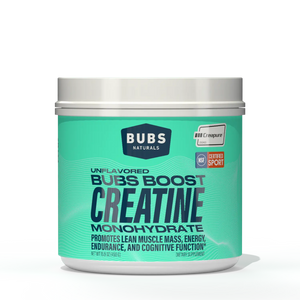
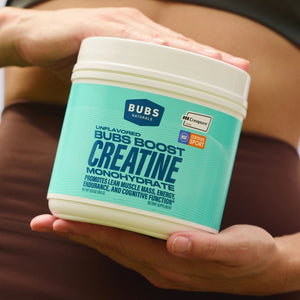
Creatine is one of the most researched supplements in the world. It helps your body produce ATP, which is the primary energy source for short bursts of heavy lifting. Taking our Creatine Monohydrate daily can help you squeeze out those last two reps on the bench press, which are often the most important for growth. Our formula is a single-ingredient powder—no fillers, no flavoring—just pure creatine that mixes easily into any drink.
As mentioned earlier, protein and collagen are vital for repair. Many athletes find that taking collagen shortly before or after a workout helps support the high-stress areas of the body, like the shoulders and chest-to-armpit tendons. We focus on clean ingredients because we know that when you are training hard, you don't want to worry about what's in your supplements.
Signs You Are Training Too Often
More is not always better. If you increase your frequency and notice the following signs, you may need to scale back:
-
Persistent Joint Pain: If your shoulders or elbows hurt constantly, your connective tissues aren't keeping up with your muscle work.
-
Decreased Strength: If you are getting weaker instead of stronger, you are likely under-recovered.
-
Poor Sleep or Irritability: These are signs that your central nervous system is overtaxed.
-
Lack of Motivation: If you used to love chest day and now you dread it, you might be overtraining.
If you hit a wall, don't be afraid to take a "deload" week. This is a week where you still go to the gym but cut your weight and volume by about 50%. It gives your body a chance to catch up on recovery without losing the habit of training.
Conclusion
Determining how often you should workout chest a week is a personal process that involves a bit of trial and error. For most people looking for the best results, two to three sessions per week is the sweet spot. This allows you to accumulate enough volume for growth while giving your body the 48 to 72 hours it needs to repair and strengthen.
Remember that training is only half the battle. To truly see the fruit of your labor, you must prioritize your recovery through sleep, hydration, and clean nutrition. If you want to see how that mindset extends beyond the gym, our Giving Back to Veterans & Our Communities story shows how the mission reaches beyond supplements. At BUBS Naturals, our products are designed to support your active lifestyle and help you recover faster so you can get back to the gym and keep moving toward your goals.
Everything we do is inspired by the legacy of Glen "BUB" Doherty, a Navy SEAL who lived a life of adventure and purpose. In his honor, we donate 10% of all our profits to veteran-focused charities. When you choose us, you aren't just buying a supplement; you're supporting a mission that goes beyond the gym.
Stay consistent, listen to your body, and keep pushing forward.
FAQ
How many chest exercises should I do per workout?
If you are training chest twice a week, aim for 2–4 exercises per session to cover different angles like flat and incline pressing. If you are training chest only once a week, you may need 4–5 exercises to reach the necessary volume for growth.
Can I train chest two days in a row?
We generally do not recommend training the chest on back-to-back days. Your muscles need time to repair the micro-tears caused by lifting, and training them again within 24 hours can lead to overtraining and a higher risk of injury.
Is it better to train chest once or twice a week?
For most people, twice a week is superior to once a week. Training twice a week allows you to hit the muscle-building window more frequently and reduces the likelihood of performing "junk volume" in a single, over-long session.
What should I eat after a chest workout?
After training, your body needs protein to repair muscle tissue and carbohydrates to replenish energy stores (glycogen). A scoop of our Collagen Peptides mixed into a protein shake or a meal with lean meat and complex carbs is an excellent choice for post-workout recovery.