Table of Contents
- Introduction
- The Psychology of the Workout Environment
- The Commercial Gym: A Hub for Specialization
- The Home Sanctuary: Efficiency and Autonomy
- Muscle Growth and Performance: Is One Truly Better?
- The Role of Community and Accountability
- Safety, Form, and Injury Prevention
- Financial Breakdown: Short-Term vs. Long-Term
- Hydration and Energy: The Fuel for Any Environment
- The Hybrid Model: The Best of Both Worlds
- The Importance of Recovery and Longevity
- Conclusion
- FAQ
Introduction
Every fitness journey begins with a single, pivotal question that can determine your consistency for years to come: where will you actually show up? In the realm of physical performance, the environment in which you sweat is often just as important as the movements you perform. For some, the clanging of iron and the communal hum of a professional training facility provide an unmatched spark of motivation. For others, the ability to roll out of bed and immediately hit a set of pushups in the living room is the only way to ensure the work gets done. Whether you are chasing a peak mountain summit, preparing for a tactical mission, or simply striving to live a more vibrant, active life, deciding whether a gym or home workout is better depends entirely on your unique lifestyle, goals, and psychological triggers.
At BUBS Naturals, we are driven by the legacy of Glen “BUB” Doherty—a Navy SEAL, adventurer, and dedicated friend who lived a life of purpose and high-performance. We believe that wellness isn't a destination; it’s a constant state of readiness. Whether that readiness is forged in a high-tech CrossFit box or on a yoga mat in your garage, the goal remains the same: to be better today than you were yesterday. This philosophy is why we obsess over the purity of our ingredients and the efficacy of our supplements. We want to support your journey with a "no-BS" approach to health, providing clean, functional fuel that mixes easily and works as hard as you do.
In this exploration, we will dissect the fundamental differences between the commercial gym and the home sanctuary. We will look at the psychological nuances of "the third space," the mechanical advantages of specialized equipment, the financial trade-offs, and the essential role of recovery and nutrition in both settings. By the end of this guide, you will have a clear framework to decide which environment will help you maintain your commitment to a life of adventure. Whether you choose the gym or the home, our Collagen Peptides are designed to be your foundational partner, supporting the joints and connective tissues that make every rep possible.
The Psychology of the Workout Environment
The debate over whether a gym or home workout is better often focuses on equipment, but the real battleground is the mind. Humans are highly susceptible to environmental cues. When you enter a gym, your brain receives a series of signals—the smell of rubber flooring, the sound of weights dropping, the sight of others working toward their goals—that collectively say, "it is time to work." This is often referred to as "environmental anchoring." By physically removing yourself from the comforts of home, you minimize the psychological friction of switching from "relaxation mode" to "performance mode."
At home, the anchors are different. Your living room is likely associated with rest, family time, or entertainment. Overcoming the urge to sit on the couch and instead pick up a pair of dumbbells requires a significant amount of "activation energy." However, for those who have mastered self-discipline, the home can become a powerful, distraction-free sanctuary. There is no waiting for machines, no judgmental glances, and no performance-sapping ego. You can grunt, sweat, and play your music as loud as you want.
We often talk about the "BUBS way" being about simplicity and effectiveness. In many ways, the home workout embodies this. It strips away the fluff of the modern fitness industry and forces you to focus on the basics. Conversely, the gym offers a sense of community that can be vital for mental health and long-term adherence. For many, being around a "tribe" of like-minded individuals provides a level of accountability that simply can't be replicated in a spare bedroom.
The Commercial Gym: A Hub for Specialization
The most obvious advantage of a commercial gym is the sheer variety of equipment. If your goal is maximal hypertrophy (muscle growth) or specific athletic performance, the tools found in a gym are hard to beat. From specialized machines like the landmine or the GHD (Glute Ham Developer) to the classic squat rack and a full array of dumbbells, the gym allows for precise targeting of muscle groups.
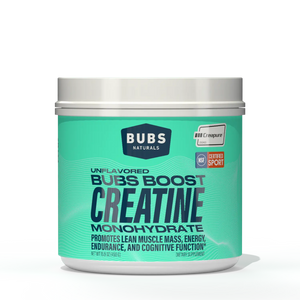
Access to a wide range of weights is also crucial for progressive overload. While you can certainly get a great workout with bodyweight movements, eventually, the body adapts. To keep seeing results, you need to increase the stimulus. In a gym, you can simply move to the next set of dumbbells or add another plate to the barbell. This is particularly important for those using Creatine Monohydrate to support their strength and power goals; having the right resistance available allows you to fully capitalize on the increased work capacity that creatine provides.
Furthermore, gyms offer professional guidance. Whether it’s through formal personal training or just the incidental advice from an experienced lifter, the gym is an educational environment. You can observe proper form, learn new exercises, and participate in group classes that push your cardiovascular limits. For those who thrive on variety, a gym membership provides a rotating menu of options—swimming, spinning, heavy lifting, or functional fitness—that keeps boredom at bay.
The Home Sanctuary: Efficiency and Autonomy
If the gym is about variety, the home workout is about efficiency. The commute to a gym—packing a bag, driving, finding parking, checking in, and changing—can easily add 45 to 60 minutes to your total time commitment. For many of us living a high-performance life, those minutes are precious. Working out at home eliminates these obstacles, making it far more likely that you’ll actually fit a session into a busy day.
The cost-effectiveness of a home setup is another major factor. While a high-quality squat rack or a premium treadmill requires an upfront investment, it eventually pays for itself by eliminating monthly membership fees and gas money. Even a minimal investment in a few kettlebells, resistance bands, and a pull-up bar can provide enough stimulus for a lifetime of fitness.
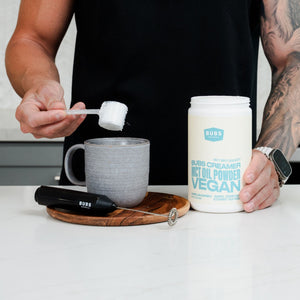
There is also the element of privacy. For beginners or those returning from an injury, the gym can be an intimidating place. At home, you have the freedom to fail, to experiment with new movements, and to move at your own pace without feeling the need to "keep up" with the person on the next machine. This "ego-free" environment can actually lead to better results because you are more likely to focus on proper technique rather than the amount of weight on the bar. To stay sharp and focused during these solo sessions, many in our community rely on a morning coffee boosted with MCT Oil Creamer, providing sustained mental clarity and energy without the jitters.
Muscle Growth and Performance: Is One Truly Better?
When asking "is gym or home workout better" for building muscle, science tells us that the body doesn't know the difference between a 45-pound iron plate and a heavy sandbag. It only understands tension and fatigue. You can achieve significant muscle growth using bodyweight exercises like dips, pull-ups, and pistol squats, provided you are pushing your muscles close to failure.
However, the gym makes the process of "mechanical tension" much more straightforward. If you want to build massive legs, the leg press and the squat rack are highly efficient tools. If you are training at home, you have to be more creative. You might use "tempo training" (slowing down the movements) or high-volume circuits to achieve the same metabolic stress.
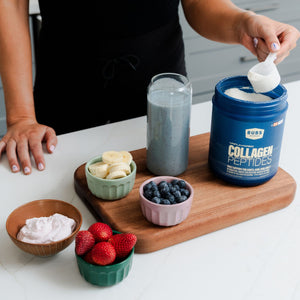
Regardless of where you train, the physiological demands on your body are real. Intense exercise creates micro-tears in the muscle fibers and places stress on your tendons and ligaments. This is where your nutrition becomes the deciding factor in your success. Incorporating Collagen Peptides into your post-workout routine is a simple, effective way to support the recovery of these connective tissues. Our collagen is NSF for Sport certified, meaning it has been rigorously tested for quality and purity, so you can focus on your training knowing your body has the building blocks it needs.
The Role of Community and Accountability
One of the greatest "hidden" benefits of the gym is the social contract. When you show up at a specific time for a class or meet a training partner, you are much less likely to skip the session. This communal energy is a powerful motivator. There is a reason why group fitness models have exploded in popularity; humans are social creatures who perform better when being observed or encouraged by others.
Glen Doherty was the ultimate teammate, someone who pushed those around him to be better. At BUBS, we carry that spirit into everything we do. We know that a strong community can make the difference between a stalled fitness journey and a life-long habit. When you join a gym, you aren't just buying access to equipment; you are joining a community of people who share your values of health and discipline.
On the other hand, the home exerciser must be their own "drill sergeant." This requires a different type of mental toughness. If you can maintain a consistent, high-intensity workout routine in your garage for years, you have developed a level of self-discipline that will serve you in every area of life. Many home athletes use digital communities or fitness apps to bridge the social gap, finding accountability through virtual leaderboards and online coaching.
Safety, Form, and Injury Prevention
A major concern when comparing gym and home workouts is safety. In a gym, you generally have access to better flooring, mirrors for checking your form, and—most importantly—other people who can act as spotters. If you are attempting a heavy bench press or a maximal squat, having a spotter is a critical safety measure. Professional gyms also have staff who can provide a quick form check to ensure you aren't putting your spine or joints at risk.
Home workouts, while convenient, can sometimes lead to "form creep." Without mirrors or external feedback, it's easy for your technique to degrade over time, especially as you get tired. This is why we recommend that home athletes record their sets on their phones to review their form. It’s also wise to stick to exercises you have mastered before trying to push the intensity.
To support your body’s natural defenses and structural integrity, general wellness habits are non-negotiable. Many of our customers use Apple Cider Vinegar Gummies to support digestive health and Vitamin C to support antioxidant activity and collagen formation. These small daily habits create a "safety net" for your body, helping you stay resilient whether you’re lifting in a power rack or doing burpees in the driveway.
Financial Breakdown: Short-Term vs. Long-Term
The financial decision between a gym and home workout is often the primary factor for many people. Let's look at the math. A standard gym membership can range from $30 to over $200 per month, depending on the amenities. Over a year, that’s $360 to $2,400. This doesn't include initiation fees, gas for the commute, or the "hidden costs" of trendy workout clothes you feel pressured to wear.
A home gym, conversely, can be built incrementally.
- A pair of adjustable dumbbells: $300
- A high-quality yoga mat: $80
- A doorway pull-up bar: $40
- A set of resistance bands: $50
For under $500, you have a setup that can last a decade. The return on investment for a home gym is incredibly high, especially if you value your time. However, for those who want access to a pool, a sauna, or $50,000 worth of specialized cardio and strength equipment, the monthly membership fee is a bargain. The key is to be honest about what you will actually use. Don't pay for a "luxury" gym if you only ever use the treadmill; at that point, buying a used treadmill for your basement is a much smarter financial move.
Hydration and Energy: The Fuel for Any Environment
Regardless of whether you are training in a climate-controlled gym or a humid garage, your performance will suffer if you are dehydrated. Sweat is the body's way of regulating temperature, and as you lose water, you also lose vital electrolytes like sodium, potassium, and magnesium. This can lead to cramping, fatigue, and a loss of focus.
This is where Hydrate or Die - Lemon becomes your best friend. We formulated our hydration products to provide a precise balance of electrolytes with no added sugar, ensuring that your muscles can function at their peak. It’s a "no-BS" hydration solution that fits perfectly in a gym bag or on your kitchen counter. Proper hydration is the foundation of every good workout; without it, even the best equipment or the most disciplined mind will eventually hit a wall.
Maintaining energy levels is equally important. Many of us train early in the morning or late in the evening after a full day of work. To bridge the energy gap, a clean source of fats can provide a steady burn of fuel. Our Butter MCT Oil Creamer is a fan favorite for this very reason. It adds a rich, creamy texture to your coffee while providing medium-chain triglycerides that the body can quickly convert into energy. It’s the perfect pre-workout ritual, whether your "commute" is twenty minutes across town or twenty steps to the garage.
The Hybrid Model: The Best of Both Worlds
For many in the BUBS community, the answer to "is gym or home workout better" is simply: both. The hybrid model is becoming increasingly popular for its extreme flexibility. You might maintain a basic home setup for those days when work runs late or the weather is bad, while also keeping a "punch card" or a low-cost membership at a local gym for your heavy lifting days.
A hybrid approach allows you to:
- Do your high-intensity intervals or yoga at home in the morning.
- Visit the gym on the weekend for a long, specialized strength session.
- Keep your routine alive while traveling by using bodyweight movements and portable gear like resistance bands.
This flexibility is central to a life of adventure. If you are a climber, a surfer, or a hiker, your "gym" is often the great outdoors. Having the ability to train anywhere ensures that you are always ready for the next challenge. This adaptability is exactly what Glen Doherty embodied. He didn't just train to look good; he trained to be capable in any environment.
The Importance of Recovery and Longevity
The most common mistake people make in their fitness journey—whether at the gym or at home—is neglecting recovery. Your body doesn't get stronger during the workout; it gets stronger after the workout, while you are resting and refueling. If you are constantly breaking yourself down without providing the necessary nutrients for repair, you will eventually face burnout or injury.
This is why we are so passionate about our 10% Rule. We donate 10% of all our profits to veteran-focused charities in honor of Glen. We believe in taking care of those who take care of us, and that same philosophy applies to your body. You have to take care of the "machinery" if you want it to perform for decades.
Consistent use of Collagen Peptides is one of the most effective ways to support long-term joint health. As we age, our body's natural collagen production begins to decline, which can lead to the "creaky" joints and slow recovery times that often derail a fitness routine. By supplementing with high-quality, pasture-raised collagen, you are giving your body the amino acids it needs to maintain healthy cartilage and tendons. Whether you are doing heavy squats at the gym or high-impact box jumps at home, your joints are the hinges of your performance. Keep them greased, keep them strong, and stay in the game longer.
Conclusion
When it comes to deciding if a gym or home workout is better, the answer is personal and subject to change as your life evolves. The "best" workout is the one you actually do. If the social energy and high-end equipment of a gym get you excited to train, then that is where you belong. If the convenience and privacy of a home sanctuary allow you to be more consistent, then embrace the garage gym life.
At BUBS Naturals, our mission is to provide you with the cleanest, most effective tools to fuel that journey, wherever it takes you. We believe in the power of simple ingredients, the importance of third-party testing, and the legacy of a man who never stopped seeking adventure. From our Collagen Peptides to our electrolytes and MCTs, every product we make is designed to help you live a life of purpose and vitality.
Remember, the equipment is just a tool; the environment is just a backdrop. The real work happens within you. Stay disciplined, stay fueled, and never stop moving forward. Whether you’re clanging iron in a crowded gym or finding your flow in a quiet living room, we’re with you every step of the way. Explore the full BUBS range and see how our Collagen Peptides can support your wellness journey today.
FAQ
Can I build as much muscle with home workouts as I can at a gym?
Yes, you can absolutely build significant muscle mass at home. The key is to utilize progressive overload by increasing repetitions, decreasing rest time, or using tempo training to increase time under tension. While a gym offers more specialized machines, bodyweight exercises like pull-ups, dips, and advanced pushup variations can provide ample stimulus for hypertrophy. Supplementing your training with Creatine Monohydrate can also help support muscle strength and power, regardless of your location.
How do I stay motivated when working out at home?
Motivation at home often comes down to creating a dedicated space and a consistent routine. Try to treat your home workout with the same respect as a gym appointment—schedule it on your calendar and dress in your workout gear. Using a pre-workout ritual, like a cup of coffee with MCT Oil Creamer, can also signal to your brain that it is time to transition from "home mode" to "work mode."
Is it safer to work out at a gym because of the equipment?
Gyms offer certain safety advantages, such as specialized machines with safety catches and the presence of other people who can spot you. However, home workouts can be very safe if you focus on proper form and avoid ego-lifting. For both environments, maintaining joint and connective tissue health is vital for injury prevention. Many athletes use Collagen Peptides as a foundational supplement to support the structural integrity of their bodies.
Which option is more cost-effective in the long run?
A home workout setup is generally more cost-effective over a period of several years. While the initial purchase of dumbbells or a bench might be higher than a single month’s gym fee, you eventually save thousands of dollars on membership fees and travel costs. However, the "value" of a gym depends on how much you utilize its unique amenities, such as pools or specialized classes, which are difficult to replicate at home. To make the most of your investment in either setting, ensure your recovery is optimized with high-quality hydration like Hydrate or Die - Mixed Berry.