Table of Contents
- Introduction
- Understanding the Baseline: Global Fitness Standards
- Defining Intensity: Finding Your Target Heart Rate
- Goal-Specific Frequency: Tailoring Your Schedule
- The Non-Negotiable Pillar: Strength Training for Longevity
- Recovery: The Secret Ingredient to Consistent Progress
- Making it Stick: Overcoming the "All or Nothing" Mentality
- Fueling the Adventure: The Role of Clean Supplementation
- Conclusion
- FAQ
Introduction
Did you know that only about one in five adults and teens currently meet the physical activity guidelines necessary to maintain optimal health? It is a staggering statistic when you consider that movement is the most fundamental pillar of human vitality. We live in an era where the definition of "fitness" is constantly shifting between high-intensity interval training, marathon preparation, and heavy powerlifting, leaving many of us standing at the starting line wondering exactly where the sweet spot lies. The question isn't just about showing up; it’s about understanding the "why" and "how much" behind every drop of sweat. Whether you are a weekend warrior or someone just looking to reclaim your energy, knowing how much should u workout a week is the first step toward a sustainable, adventurous life.
At BUBS Naturals, our mission is rooted in the legacy of Glen “BUB” Doherty—a Navy SEAL, adventurer, and dedicated friend who lived every day with purpose and intensity. We believe that wellness is a vehicle for adventure, and that adventure requires a body that is resilient, capable, and well-fueled. Our commitment to clean, high-quality, and science-backed ingredients is designed to support the very lifestyle we’re discussing today. When we talk about exercise frequency, we aren’t just looking at calories burned; we are looking at longevity, mental clarity, and the ability to say "yes" to the next big hike or spontaneous challenge.
In this guide, we will break down the standard health recommendations, explore how to customize your frequency based on specific goals like muscle gain or weight management, and dive into the critical role of recovery. By the end of this article, you will have a clear, actionable roadmap for your weekly movement, plus an understanding of how to support that effort with simple, effective nutrition. We’re going to move beyond the surface-level advice and look at the nuances of intensity, the necessity of strength training, and why "any movement counts." Our goal is to empower you to build a routine that feels less like a chore and more like a tribute to your own potential.
Understanding the Baseline: Global Fitness Standards
When we look at the official recommendations from organizations like the American College of Sports Medicine (ACSM) and the Department of Health and Human Services, the baseline for "health" is more attainable than many realize. The standard recommendation for adults is to aim for at least 150 minutes of moderate-intensity aerobic activity or 75 minutes of vigorous aerobic activity each week. Ideally, this is spread out over several days, rather than crammed into one exhaustive session.
But what does this look like in practice? For most, 150 minutes equates to roughly 30 minutes of brisk activity five days a week. This "baseline" is designed to support cardiovascular health, regulate blood pressure, and decrease systemic inflammation. However, the guidelines don't stop at cardio. They also emphasize the need for muscle-strengthening activities at least two days per week. This dual approach—combining heart-rate elevation with resistance—creates a foundation for metabolic health that a single-modality routine simply cannot match.
It is important to remember that these numbers represent the minimum threshold for maintaining health. If your goals involve significant performance improvements, weight loss, or building a specific physique, you will likely need to scale these numbers upward. At BUBS, we often talk about the "10% Rule"—our pledge to donate 10% of all profits to veteran-focused charities. In your fitness journey, think of a similar rule: giving that extra 10% of effort beyond the minimum can yield exponential rewards for your long-term wellness.
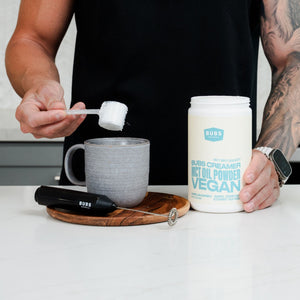
To help your body meet these baseline requirements without feeling drained, many members of our community start their day by mixing MCT Oil Creamer into their morning coffee. The medium-chain triglycerides provide a clean, sustained energy source that supports mental clarity and physical stamina, making it much easier to hit those 30-minute daily movement windows.
Defining Intensity: Finding Your Target Heart Rate
The effectiveness of your weekly workout volume is heavily dependent on intensity. Walking for 150 minutes is vastly different from sprinting for 150 minutes. To truly understand how much you should be working out, you need to understand how your heart rate dictates the "zone" you are training in.
A simple way to gauge intensity is the "talk test." During moderate-intensity activity—like a brisk walk, a doubles tennis match, or a steady bike ride—you should be able to talk but not sing. Your heart rate is generally between 50% and 70% of your maximum heart rate. On the other hand, vigorous activity—such as running, swimming laps, or a high-energy dance class—will leave you unable to say more than a few words without pausing for breath. Here, your heart rate climbs to 70% to 85% of its max.
To calculate your maximum heart rate, a standard formula is to subtract your age from 220. For a 40-year-old, the max heart rate is roughly 180 beats per minute (BPM).
-
Moderate Intensity: 90–126 BPM
-
Vigorous Intensity: 126–153 BPM
By tracking these zones, you can ensure that your 150 minutes are actually moving the needle. If you are short on time, increasing the intensity allows you to shorten the duration. This is where High-Intensity Interval Training (HIIT) becomes a valuable tool. Short, very vigorous bursts of effort broken up by brief rest periods can provide similar cardiovascular benefits to longer, moderate sessions in about half the time.
Regardless of the intensity you choose, hydration remains the most critical factor in performance. When you are pushing into those vigorous zones, your body loses essential minerals through sweat. We developed Hydrate or Die - Mixed Berry to address this exact need. With a science-backed ratio of electrolytes and no added sugar, it helps you maintain fluid balance so you can finish your workout as strong as you started.
Goal-Specific Frequency: Tailoring Your Schedule
There is no one-size-fits-all answer to the question of how much should u workout a week because everyone’s "Peak" looks different. Your ideal frequency depends entirely on what you are trying to accomplish. Let’s break down four common goals and the weekly schedules that support them.
General Health and Longevity
For those who want to feel good, move well, and avoid the chronic issues associated with a sedentary lifestyle, the "3x3" approach is highly effective. Aim for three full-body strength sessions per week, with at least one rest day in between. On your off days, stay active with light movement like walking or gardening. This frequency ensures you hit all major muscle groups frequently enough to maintain tone and bone density without overwhelming your central nervous system.
Muscle Building and Strength
If your goal is hypertrophy (muscle growth) or increasing your squat and press numbers, you likely need to step up to four or five days per week. As you move beyond the "newbie" phase of lifting, your muscles require more volume to grow. A common strategy is the "Upper/Lower Split" or "Push/Pull/Legs" (PPL) routine.
-
Upper/Lower: You train your upper body on Monday, lower body on Tuesday, rest Wednesday, and repeat Thursday/Friday.
-
PPL: Day 1 is pushing (chest, shoulders, triceps), Day 2 is pulling (back, biceps), and Day 3 is legs.
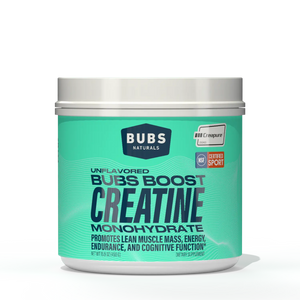
This allows you to target specific muscle groups with more intensity while giving them ample time to recover before the next session. For those focused on these strength gains, adding Creatine Monohydrate to your post-workout routine can provide the cellular energy needed for increased power and muscle volume.
Weight Management and Fat Loss
When fat loss is the priority, consistency and daily movement become the most important factors. You don't necessarily need to be in the gym for two hours every day—in fact, that’s a recipe for burnout. Instead, aim for a "daily movement" goal. This might mean three days of dedicated strength training, two days of moderate cardio, and two days of active recovery like long walks. The goal is to keep the metabolism elevated and ensure you are burning more energy than you consume.
To support your digestive health and metabolism during a fat-loss phase, many of our athletes use Apple Cider Vinegar Gummies. They offer a convenient way to incorporate the benefits of ACV—including the "Mother"—without the harsh taste, making it easier to stick to your daily wellness habits.
Sports Performance and Adventure
If you are training for a specific event—like a Spartan race, a marathon, or a week-long hunting trip—your workout frequency will fluctuate. During your "build" phase, you might be training six days a week, focusing on sport-specific skills and endurance. However, as the event approaches, you must "taper" or reduce frequency to allow your body to reach peak recovery. For these high-intensity lifestyles, joint health is paramount. Integrating Collagen Peptides into your daily routine is an excellent way to support the connective tissues, ligaments, and tendons that take a beating during high-volume training.
The Non-Negotiable Pillar: Strength Training for Longevity
While cardio often gets the most attention, strength training is the unsung hero of long-term health. As we age, we naturally begin to lose muscle mass—a process known as sarcopenia. Strength training is the only way to effectively combat this. But the benefits go far beyond just looking "toned."
Resistance training increases bone mineral density, which is crucial for preventing fractures and osteoporosis later in life. It also improves insulin sensitivity, meaning your body becomes more efficient at processing glucose, which is a major factor in preventing metabolic disorders. When you lift weights, you aren't just building muscle; you are building a "metabolic sink" that helps regulate your entire body's health.
The recommendations suggest at least two days a week of strength training, targeting all major muscle groups: legs, hips, back, abdomen, chest, shoulders, and arms. You don't need a massive gym setup to achieve this. Bodyweight exercises like push-ups, squats, and planks are incredibly effective. The key is to reach a point of "near failure"—where you need a short rest before you could do another set. This stimulus is what tells your body to adapt and grow stronger.
Because strength training puts structural stress on the body, recovery is where the actual growth happens. This is why we are so passionate about our Collagen Peptides. Collagen is the most abundant protein in the body and the primary component of our connective tissues. By providing your body with highly bioavailable, grass-fed peptides, you are giving your joints and muscles the raw materials they need to repair after a heavy lifting session. Our collagen is NSF for Sport certified, meaning it undergoes rigorous third-party testing to ensure it’s free of banned substances—a standard of quality we maintain to honor the legacy of Glen Doherty.
Recovery: The Secret Ingredient to Consistent Progress
One of the biggest mistakes people make when trying to figure out how much should u workout a week is forgetting that more is not always better. You do not get stronger during your workout; you get stronger while you sleep and recover. If you train seven days a week at high intensity without adequate rest, your performance will eventually plateau, and your risk of injury will skyrocket.
Recovery is a multi-faceted process that involves sleep, nutrition, and "active" rest. An active recovery day might involve a 20-minute walk, some light yoga, or even just focused mobility work. These activities keep the blood flowing to sore muscles, helping to flush out metabolic waste products without adding further stress to the system.
Nutrition plays a massive role in how quickly you can bounce back. If you are chronically under-eating or lacking essential nutrients, your body will struggle to repair the micro-tears in your muscle fibers caused by exercise. This is where high-quality supplementation becomes a game-changer. Beyond just protein, your body needs antioxidants to fight the oxidative stress caused by intense training.
We recommend looking at your recovery as a 24-hour cycle.
-
Morning: Fuel with healthy fats and clean protein.
-
Intra-Workout: Stay hydrated with electrolytes.
-
Post-Workout: Refuel with amino acids and collagen.
-
Evening: Focus on anti-inflammatory habits and deep sleep.
By prioritizing recovery, you ensure that the days you do work out are performed at a high level. It is better to have four high-quality sessions a week than six mediocre ones where you are just going through the motions.
Making it Stick: Overcoming the "All or Nothing" Mentality
The biggest barrier to a consistent workout routine isn't usually a lack of knowledge; it’s the "all or nothing" mentality. We often think that if we can't spend an hour in the gym, the day is a wash. This couldn't be further from the truth.
In fact, research shows that "exercise snacking"—short bursts of activity throughout the day—can be just as effective for certain health markers as one long session. If you have a busy day of meetings, a 10-minute brisk walk after lunch and another 10 minutes of bodyweight squats while you’re on a call add up. Every minute of movement contributes to your weekly 150-minute goal.
Consistency is the "secret sauce" of fitness. A mediocre workout plan that you follow for a year will always beat a perfect workout plan that you follow for two weeks. When life gets chaotic, give yourself permission to scale back the intensity or duration, but try not to skip the movement entirely. This keeps the habit alive and makes it much easier to ramp back up when things settle down.
To help maintain consistency even when you’re on the go, we designed our products to be as "no-BS" and easy-to-use as possible. Whether it’s a travel stick of our Collagen Peptides or a quick hit of electrolytes, these simple tools remove the friction from your wellness routine. When things are easy to mix and taste great, you’re more likely to use them, and when you use them, you feel better—creating a positive feedback loop that keeps you moving.
Fueling the Adventure: The Role of Clean Supplementation
As we’ve explored, the answer to how much should u workout a week is inseparable from how you fuel that work. You can have the most scientifically optimized training split in the world, but if you are fueling it with processed junk, you will never reach your peak. At BUBS Naturals, we believe in keeping it simple. We use only the highest quality ingredients, avoiding the fillers, sugars, and artificial junk that plague the supplement industry.
Our Collagen Peptides Collection is the cornerstone of many of our customers' routines. By supporting your gut health, skin, hair, nails, and most importantly, your joints, it serves as a comprehensive tool for total-body wellness. It’s unflavored and dissolves instantly, making it the perfect addition to everything from your morning smoothie to your post-workout shake.
But wellness isn't just about protein. It’s about energy and metabolic flexibility. Our Creamers Collection offers a clean way to get those essential MCTs that support cognitive function and steady energy levels. When you aren't riding the "sugar rollercoaster" of typical creamers or energy drinks, your workouts feel more stable, and your recovery is smoother.
Finally, don't overlook the "small" things. Daily habits like taking your Apple Cider Vinegar Gummies or ensuring you have enough Vitamin C to support collagen formation and antioxidant activity are what build a resilient immune system. A resilient athlete is one who doesn't have to take weeks off for being "under the weather," allowing for much more consistent progress over time.
Conclusion
Determining how much should u workout a week is a personal journey that blends scientific guidelines with your individual lifestyle and aspirations. While the baseline of 150 minutes of moderate activity and two days of strength training provides a vital safety net for your health, the real magic happens when you tailor that volume to your specific goals. Whether you are building muscle, seeking adventure, or simply looking to age with grace and strength, the key is to find a frequency that challenges you without breaking you.
We’ve seen how intensity, goal-setting, and recovery form a triad of success. By understanding your heart rate zones, choosing a split that fits your schedule, and never neglecting the power of rest, you can transform your relationship with exercise. It ceases to be a chore and becomes a fundamental part of who you are—a person ready for whatever adventure life throws your way.
As you embark on this journey, remember that you don't have to do it alone. BUBS Naturals is here to provide the clean, effective fuel your body deserves. From our Collagen Peptides that protect your joints to our electrolytes that keep you performing at your peak, we are committed to your success. And remember, every purchase you make helps us give back to the veteran community, honoring the legacy of a man who never stopped moving.
One scoop, one workout, one adventure at a time—feel the difference and live your life with purpose. Ready to take the next step in your wellness journey? Shop our Collagen Peptides today and give your body the foundation it needs to thrive.
FAQ
Is it okay to work out every day if the intensity is low?
Yes, it is generally safe and even beneficial to engage in low-intensity movement every day. Activities like walking, light yoga, or gentle swimming are excellent for circulation and mental health. However, if you are doing high-intensity training or heavy lifting, your body requires dedicated rest days to repair muscle tissue. A good rule of thumb is to have at least one or two days a week focused on "active recovery" rather than intense exertion.
How do I know if I’m overtraining?
Overtraining often shows up through persistent fatigue, a decrease in performance, irritability, disrupted sleep, and recurring minor injuries. If you find that your heart rate is higher than usual during rest or that you lack the motivation to move, your body may be asking for a break. Supporting your recovery with Collagen Peptides and proper hydration can help, but sometimes the best medicine is simply a few days of extra sleep and light movement.
Can I get all my weekly exercise done in two days?
While "weekend warriors" who cram their 150 minutes into two days still see significant health benefits compared to sedentary individuals, it is not the most ideal approach. Spreading your activity throughout the week helps maintain a more consistent metabolic rate and reduces the risk of injury that comes with sudden, high-volume bouts of exercise. Aiming for at least 20-30 minutes of movement most days is generally more sustainable for your joints and energy levels.
Does "movement" like gardening or cleaning really count toward my goals?
Absolutely! Any activity that raises your heart rate and requires physical effort contributes to your weekly totals. Heavy gardening, raking leaves, or even vigorous house cleaning can be considered moderate-intensity aerobic exercise. These "functional" movements are excellent for maintaining mobility and burning energy. To stay fueled during these everyday tasks, try keeping our Hydrate or Die - Mixed Berry on hand to ensure you stay energized and hydrated while you work.