Table of Contents
- Introduction
- The Foundations of Chest Anatomy and Function
- Training Frequency: How Much Is Too Much?
- The Relationship Between Volume and Frequency
- Exercise Selection for Maximum Pectoral Development
- Intensity and the "Repetitions in Reserve" Method
- Recovery: The Silent Partner in Progress
- A Sample Chest Training Week
- Avoiding Common Chest Training Pitfalls
- The BUBS Difference: Why Our Mission Matters
- Summary of Key Takeaways
- Conclusion
- FAQ
Introduction
Did you know that Monday is colloquially known in gyms around the globe as "International Chest Day"? It is a phenomenon so pervasive that you will likely find a line for the bench press before you find an open squat rack. This collective obsession with building a powerful, well-defined chest isn't just about aesthetics; it is about the pursuit of a foundational strength that supports almost every upper-body movement we perform. However, this enthusiasm often leads to a critical question that many athletes—from weekend warriors to seasoned lifters—struggle to answer: exactly how often to workout chest a week to see the best results without hitting a plateau or, worse, an injury?
At BUBS Naturals, we believe in a life of adventure, wellness, and purpose. Our mission is rooted in the legacy of Glen "BUB" Doherty, a man who lived with intensity and heart. Whether you are scaling a mountain or pushing for a new personal record on the bench, your body requires a strategic approach to both effort and recovery. We aren't interested in the "more is always better" mentality that leads to burnout. Instead, we advocate for a science-backed, "no-BS" approach to fitness and nutrition.
In this guide, we are going to dive deep into the mechanics of chest training. We will explore the delicate balance between training frequency, volume, and intensity. You will learn how your training age affects your schedule, why recovery is just as important as the workout itself, and how to integrate clean, high-quality supplements like our Collagen Peptides to support your joints and tissues during heavy lifting phases. By the end of this article, you will have a clear, actionable roadmap to optimize your chest development and fuel your lifestyle with intention. We are here to help you train hard, but more importantly, to help you train smart.
The Foundations of Chest Anatomy and Function
To understand how often you should be hitting the gym for a chest session, we first need to look at what is happening under the surface. The chest, or the pectoral group, is primarily comprised of two muscles: the pectoralis major and the pectoralis minor. The pectoralis major is the large, fan-shaped muscle that most people think of when they talk about "the chest." It has two distinct heads—the clavicular head (upper chest) and the sternal head (lower chest).
The primary functions of these muscles include horizontal adduction (bringing your arms together in front of your body), internal rotation of the humerus, and shoulder flexion. Because the chest is involved in so many planes of motion, it is a incredibly versatile muscle group, but it also means it is easy to overwork if you aren't careful. Every time you perform a "pushing" movement—like a shoulder press or even a heavy tricep dip—your chest is likely providing some degree of stability or assistance.
Historically, old-school bodybuilding "bro-splits" suggested hitting each muscle group once a week with extreme volume. You would go into the gym, destroy your chest for two hours, and then not touch it again for seven days. While this can work for some, modern exercise science suggests that muscle protein synthesis—the process by which your body repairs and grows muscle tissue—typically peaks and returns to baseline within 24 to 48 hours for most natural lifters. This suggests that if you only train your chest once a week, you might be missing out on several days where your muscles are primed for growth.
However, frequency is only one piece of the puzzle. At BUBS, we know that performance is built on a foundation of health. When you are pushing your chest to the limit with heavy compound movements like the barbell bench press, you aren't just taxing the muscle fibers; you are putting significant stress on your tendons, ligaments, and shoulder capsules. This is where a focused recovery protocol becomes essential. Many of our athletes use Collagen Peptides to provide the necessary amino acids that support these connective tissues, ensuring that their frequency isn't limited by joint pain or "creaky" shoulders.
Training Frequency: How Much Is Too Much?
When determining how often to workout chest a week, the "sweet spot" for most people typically falls between two and three times per week. The goal is to maximize the number of times you stimulate the muscle without exceeding your ability to recover.
The Beginner Perspective
If you are new to resistance training, your body is incredibly sensitive to new stimuli. You don't need a massive amount of volume to see results. For beginners, a full-body routine performed three times a week—where the chest is trained during each session—can be highly effective. In this scenario, you might only do one or two chest exercises per workout. This high-frequency, low-volume approach allows you to practice the movements (motor learning) frequently, which is vital for building strength safely.
The Intermediate to Advanced Lifter
As you progress, you will likely need more volume (sets and reps) to continue making gains. This is where many lifters transition to an "Upper/Lower" split or a "Push/Pull/Legs" (PPL) routine. In an Upper/Lower split, you might train your upper body (including chest) twice a week. In a PPL routine, you might hit your "push" muscles every third or fourth day. This allows you to increase the intensity and the number of exercises per session while still giving the muscles 48 to 72 hours of rest between workouts.
The danger of training chest too often—say, four or five times a week—is that you risk systemic fatigue. Your central nervous system (CNS) needs time to recover just as much as your muscles do. If you find your strength is stalling or you are feeling chronically tired, it’s a sign to scale back the frequency. We recommend listening to your body’s signals. If you’re waking up feeling stiff and unmotivated, it might be time to take a rest day and focus on hydration. We often reach for Hydrate or Die - Lemon during those intense training blocks to ensure our mineral balance is on point, helping to ward off cramps and maintain mental focus.
The Relationship Between Volume and Frequency
Volume is the total amount of work you do, often calculated as Sets x Reps x Weight. Current research suggests a dose-response relationship between weekly volume and muscle growth. Most lifters find that 10 to 20 "hard" sets per week is the ideal range for the chest.
If you choose to train your chest once a week, you have to pack all 10 to 20 sets into a single session. This often leads to "junk volume," where the last few exercises are performed with poor form or low intensity because you are simply too tired. By increasing the frequency to twice a week, you can split that volume into two sessions of 5 to 10 sets. This allows you to maintain a much higher level of quality and intensity for every single rep.
For example, a high-quality chest session might look like this:
-
Barbell Bench Press: 3 sets of 6-8 reps (Heavy Compound)
-
Incline Dumbbell Press: 3 sets of 10-12 reps (Hypertrophy focus)
-
Cable Flyes: 2 sets of 15 reps (Isolation/Stretch)
If you do this twice a week, you hit 16 total sets. This is a manageable, effective volume that most people can recover from if their nutrition is dialed in. To help manage the energy demands of these high-intensity sessions, many in our community swear by adding a scoop of MCT Oil Creamer to their morning coffee. The medium-chain triglycerides provide a clean, sustained energy source that helps you power through that second chest session of the week without the mid-workout crash.
Exercise Selection for Maximum Pectoral Development
If you are training your chest multiple times a week, you have the perfect opportunity to vary your exercise selection. This ensures you are hitting the muscle from all angles and preventing overuse injuries from repetitive patterns.
The Power of Compound Lifts
The "Big Three" for chest development are the flat bench press, the incline bench press, and the dip. These movements allow you to move the most weight and involve multiple muscle groups (shoulders and triceps). If you are looking to build raw strength, these should be the cornerstones of your routine. We recommend performing these at the beginning of your workout when your energy is highest.
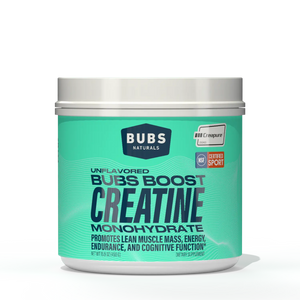
If strength is your primary goal, consider supplementing with Creatine Monohydrate. Creatine is one of the most well-researched supplements in existence, known for its ability to support ATP production, which is the primary energy currency for short, explosive movements like a heavy set of five on the bench. It is a simple, clean addition that fits perfectly with our no-nonsense philosophy.
Isolation and Variation
Once the heavy work is done, isolation movements like flyes (dumbbell, cable, or machine) and "finishers" like push-ups can help drive blood into the muscle and create that "pump" that many lifters enjoy. Using cables is particularly effective because they provide constant tension throughout the entire range of motion, something that dumbbells cannot do.
On your second chest day of the week, you might choose to focus more on the upper chest by starting with an incline movement. Or, you might switch out barbells for dumbbells to improve your range of motion and address any strength imbalances between your left and right sides. This variety not only keeps the training interesting but also ensures a more symmetrical and aesthetically pleasing physique.
Intensity and the "Repetitions in Reserve" Method
How hard you work is just as important as how often you work. If every set you perform is taken to absolute muscular failure—where you literally cannot move the weight another inch—you will burn out very quickly, especially on a high-frequency plan.
We recommend using the "Repetitions in Reserve" (RIR) method. For most of your sets, you should finish the set feeling like you could have done 1 or 2 more reps with good form. This provides enough stimulus for growth while significantly reducing the fatigue on your nervous system and the wear and tear on your joints. Save the "to failure" sets for the very last set of an exercise or for isolation movements where the risk is lower.
Training with this kind of intention requires mental clarity and focus. We've found that maintaining a consistent wellness routine helps keep that "edge." Whether it’s starting the day with Apple Cider Vinegar Gummies to support digestive health or ensuring you’re getting enough Vitamin C to support antioxidant activity, these small habits add up to big gains in the gym. When your body feels good internally, you can push harder externally.
Recovery: The Silent Partner in Progress
You don't grow in the gym; you grow while you sleep. This is a fundamental truth that many people ignore in their quest for a bigger chest. If you are training chest twice a week but only sleeping five hours a night and eating processed junk, your progress will be non-existent.
The Role of Protein and Collagen
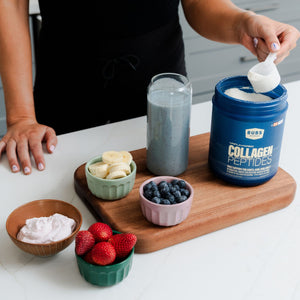
To repair the micro-tears in your muscle fibers caused by training, you need high-quality protein. But we often forget about the "glue" that holds everything together. Our Collagen Peptides are a staple for a reason. Collagen is the most abundant protein in the body and is a key component of the tendons that connect your chest muscles to your bones. By supplementing with 10 to 20 grams of collagen daily, you are providing your body with the specific amino acids, like glycine and proline, that are essential for maintaining the integrity of these tissues.
Think of it this way: your muscles are the engine, but your tendons and ligaments are the chassis. You can't put a Ferrari engine in a cardboard car. By prioritizing your Collagen Peptides intake, you are strengthening your chassis so you can continue to push the engine to its limits.
Hydration and Inflammation
Inflammation is a natural part of the training process, but chronic inflammation can lead to injury. Staying hydrated is one of the simplest ways to manage this. Water is essential for nutrient transport and joint lubrication. When you’re sweating through a tough chest and triceps session, you aren't just losing water; you’re losing electrolytes. Our Hydrate or Die - Mixed Berry is designed to replenish those minerals quickly, keeping your performance high and your recovery on track.
A Sample Chest Training Week
To put everything we’ve discussed into practice, let’s look at how a typical week might look for someone training with an Upper/Lower split, focusing on how often to workout chest a week.
Monday: Upper Body A (Power Focus)
-
Barbell Bench Press: 3 sets of 5 reps (Focus on explosive power)
-
Weighted Dips: 3 sets of 8 reps
-
Seated Rows: 3 sets of 8-10 reps (Balance the pushing with pulling)
-
Overhead Press: 2 sets of 8 reps
-
Supplementation: Pre-workout coffee with MCT Oil Creamer, post-workout shake with Collagen Peptides.
Tuesday: Lower Body A
- Focus on squats and lunges.
Wednesday: Active Recovery
Thursday: Upper Body B (Hypertrophy Focus)
-
Incline Dumbbell Press: 3 sets of 12 reps (Focus on the stretch and upper chest)
-
Flat Dumbbell Flyes: 3 sets of 15 reps
-
Push-ups: 3 sets to 2 reps shy of failure
-
Lat Pulldowns: 3 sets of 12 reps
-
Supplementation: Morning Vitamin C for recovery support, evening Collagen Peptides.
Friday: Lower Body B
- Focus on deadlifts and hamstrings.
Saturday & Sunday: Rest and Adventure
- Get outside! Go for a hike, surf, or spend time with family. This reflects our core value of living a life of purpose beyond the gym walls.
Avoiding Common Chest Training Pitfalls
Even with the best plan, it is easy to stray off course. One of the most common mistakes we see is neglecting the "pulling" muscles. For every set of chest you do, you should ideally do at least one set of back training (rows, pull-ups, etc.). If you only focus on your chest, your shoulders will eventually pull forward, leading to poor posture and a higher risk of rotator cuff injuries. Balance is key to longevity.
Another pitfall is ignoring the "ego." We get it—everyone wants to see how much they can bench. But if your form breaks down and your butt comes off the bench just to move the weight, you aren't training your chest anymore; you're just risking a pec tear. Lower the weight, control the eccentric (the lowering phase), and feel the muscle working.
Finally, don't forget the importance of clean ingredients. The supplement industry is full of products packed with fillers and artificial sweeteners. At BUBS, we pride ourselves on being NSF for Sport certified, meaning what is on the label is exactly what is in the tub. We believe you deserve the best, which is why we offer products like our Collagen Peptides that mix easily into anything and contain no hidden BS.
The BUBS Difference: Why Our Mission Matters
When you choose to support your training with BUBS Naturals, you are doing more than just buying a supplement. You are joining a community that values giving back. In honor of Glen "BUB" Doherty—a Navy SEAL, adventurer, and hero—we donate 10% of all our profits to veteran-focused charities.
This commitment to a higher purpose is what drives us to create the highest quality products possible. We know that our customers are people who push themselves to the limit, whether they are on the battlefield, in the gym, or in the boardroom. You need nutrition that works as hard as you do. When you incorporate our Collagen Peptides or Creatine Monohydrate into your routine, you can do so with the confidence that you are fueling your body with integrity.
Our "10% Rule" isn't just a marketing slogan; it's the heartbeat of our company. It reminds us that every workout we finish and every goal we achieve is a tribute to those who served. So, when you're deciding how often to workout chest a week, remember that your health is a gift. Treat it with respect, fuel it with quality, and always strive to be a little bit better than you were yesterday.
Summary of Key Takeaways
Building a strong chest is a journey that requires patience, consistency, and a smart strategy. Here is a quick recap of the essentials:
-
Frequency: Aim for 2 to 3 chest sessions per week to maximize muscle protein synthesis.
-
Volume: Target 10 to 20 hard sets per week, distributed across your sessions.
-
Selection: Combine heavy compound movements (bench press, dips) with isolation work (flyes) for well-rounded development.
-
Intensity: Use the RIR method to stay within 1-2 reps of failure for most sets.
-
Recovery: Prioritize sleep, hydration with Hydrate or Die - Lemon, and joint support with Collagen Peptides.
-
Purpose: Remember why you train. Live for adventure and give back to the community.
By following these principles, you will not only see better results in the mirror but also feel better in your daily life. You'll have the strength to tackle whatever challenges come your way and the resilience to keep going when things get tough.
Conclusion
Determining how often to workout chest a week is a personalized process, but the science points clearly toward a moderate-frequency approach. By hitting your chest two or three times a week, you provide your body with the frequent stimulus it needs for growth while allowing for the vital recovery time that prevents injury and burnout. Remember, your training is only as good as your ability to recover from it.
We encourage you to take the lessons from this guide and apply them with the same dedication that Glen "BUB" Doherty applied to his life. Focus on the quality of your movements, the purity of your nutrition, and the strength of your purpose. Whether you are adding Creatine Monohydrate to your pre-workout ritual or winding down with a serving of Collagen Peptides, know that we are here to support your journey every step of the way.
Now, it’s time to get to work. Take this information, hit the gym with intention, and feel the difference that a professional, science-backed approach can make. Explore the full BUBS Naturals lineup today and see how our commitment to clean, high-quality ingredients can elevate your performance. Shop the Collagen Peptides collection and start building a stronger, more resilient you—all while supporting a great cause.
FAQ
1. Is it okay to workout chest every day if I use light weights?
Generally, we do not recommend training the same muscle group every day. Even with light weights, your muscles and connective tissues need time to repair. Training chest daily can lead to overuse injuries in the shoulders and prevent the muscle from fully recovering. For the best results, stick to 2–3 times per week and focus on progressive overload.
2. Can I take Collagen Peptides and Creatine at the same time?
Absolutely! In fact, we recommend it. Creatine Monohydrate supports muscle energy and strength, while Collagen Peptides support the tendons and ligaments that are under stress during heavy lifting. They work together to provide a comprehensive support system for your training. Both are unflavored and mix easily into your coffee or post-workout shake.
3. How do I know if I am overtraining my chest?
Common signs of overtraining include a persistent plateau in strength, chronic soreness that lasts more than 72 hours, reduced range of motion, and a lack of motivation. If you experience these, try reducing your frequency or volume for a week (a "deload") and focus on extra hydration with Hydrate or Die - Mixed Berry and quality sleep.
4. What should I do if my shoulders hurt during chest exercises?
Shoulder discomfort is often a sign of poor form or an imbalance between chest and back training. Ensure you are tucking your elbows slightly (not flaring them at 90 degrees) and keeping your shoulder blades retracted during the bench press. Additionally, adding Collagen Peptides to your daily routine can help support joint health, but if pain persists, we recommend consulting a physical therapist to address any underlying mechanical issues.