Table of Contents
- Introduction
- The Science of Muscle Repair and Adaptation
- Breaking Down the Recovery Phases: What Happens and When
- How Long Recovery Time After Workout Should Be for Specific Muscle Groups
- The Nutritional Pillars of Post-Workout Recovery
- Hydration and Electrolytes: The Unsung Heroes of Performance
- The Power of Rest and Quality Sleep
- Active Recovery vs. Total Rest: When to Use Each
- Recognizing the Signs of Overtraining and Under-Recovering
- Practical Strategies to Optimize Your Recovery Timeline
- Conclusion
- FAQ
Introduction
Did you know that you don’t actually get stronger while you’re lifting weights or running miles? In fact, during the heat of a training session, you are doing the exact opposite—you are systematically breaking your body down. You are creating microscopic tears in your muscle fibers, depleting your energy stores, and stressing your central nervous system. The actual "growth" happens in the quiet hours afterward. It is a fundamental law of physiology that progress is not made during a workout; it is made during the recovery that follows. At BUBS Naturals, we live by the legacy of Glen “BUB” Doherty, a man who epitomized the spirit of adventure and peak performance. He knew that to live a life of purpose and intensity, one must master the art of the rebound.
Understanding how long recovery time after workout sessions should be is the difference between a plateau and a breakthrough. If you jump back into the fray too soon, you risk injury and burnout. If you wait too long, you lose the momentum of your adaptations. This balance is what we call the "sweet spot" of fitness. Whether you are a professional athlete or a weekend warrior hitting the trails, your ability to recover dictates your ability to perform.
In this guide, we will dive deep into the science of muscle repair, the varying timelines for different muscle groups, and the lifestyle factors—from nutrition to sleep—that can accelerate your return to peak condition. We’ll explore why simple, clean ingredients like those in our Collagen Peptides are essential tools in your recovery kit. By the end of this article, you will have a comprehensive blueprint for managing your downtime, ensuring that every drop of sweat you shed in the gym translates into real-world results. We believe in a "no-BS" approach to wellness: simple, effective, and backed by science. Let’s explore how you can optimize your body’s natural ability to heal and grow.
The Science of Muscle Repair and Adaptation
To understand recovery, we must first look at what happens when we push our limits. When you engage in resistance training or high-intensity cardiovascular work, your body undergoes significant physiological shifts. The most notable is the creation of micro-tears in the muscle sarcolemma. While "tearing" sounds negative, these microscopic injuries are the necessary catalysts for hypertrophy (muscle growth).
Once the workout ends, the body initiates an inflammatory response. This isn't the chronic, harmful inflammation often discussed in modern health; rather, it is an acute, localized response designed to clear out damaged cells and usher in repair materials. Satellite cells—the "stem cells" of your muscles—migrate to the site of the damage. They fuse to the muscle fibers, donating their nuclei to help the muscle fiber become thicker and stronger than it was before. This process is known as Muscle Protein Synthesis (MPS).
For MPS to occur effectively, your body requires two things: a stimulus (the workout) and the building blocks (amino acids). This is why we are so passionate about our Collagen Peptides. Collagen provides a unique profile of amino acids, including glycine and proline, which are essential for supporting the connective tissues, tendons, and ligaments that bear the brunt of your physical efforts. While traditional protein supports the muscle belly, collagen supports the "glue" that holds your athletic frame together.
Beyond the muscles, your endocrine system is working overtime. Hormones like testosterone and growth hormone are released in higher quantities during sleep to facilitate this repair. Simultaneously, your body is working to replenish glycogen—the stored sugar in your muscles and liver that acts as your primary fuel source during intense activity. If you don't allow enough time for these systems to reset, you are essentially trying to build a house while the foundation is still wet.
Breaking Down the Recovery Phases: What Happens and When
The question of how long recovery time after workout lasts isn't answered by a single number; it's a timeline of events. We can generally categorize recovery into three distinct windows: immediate, short-term, and long-term.
The immediate phase occurs within the first 0 to 2 hours post-exercise. This is the "emergency repair" window. Your heart rate begins to normalize, your body temperature drops, and your blood flow shifts from the working muscles back to the internal organs. This is the optimal time to begin rehydrating and kickstarting the replenishment of electrolytes. Taking a moment to breathe and perhaps enjoying a serving of Apple Cider Vinegar Gummies can help set a positive tone for your digestive system as it prepares to process your post-workout meal.
The short-term phase lasts from 2 to 24 hours. This is when Muscle Protein Synthesis hits its peak. During this window, your body is actively using the nutrients you consume to patch up those micro-tears. It’s also the time when "Delayed Onset Muscle Soreness" (DOMS) begins to set in. If you find yourself feeling stiff a few hours after a heavy leg day, that’s your body’s inflammatory response doing its job.
The long-term phase spans from 24 to 72 hours, and in some cases, up to a full week. This is where the actual adaptation—the getting stronger part—takes place. During this window, the body completes the repair of the muscle fibers and reinforces the connective tissues. If you’ve ever noticed that you feel significantly stronger three days after a hard session than you did the day immediately following it, you’ve experienced the completion of the long-term recovery phase.
At BUBS, we advocate for respecting these phases. Jumping into another high-intensity session during the peak of the long-term repair phase can interrupt the adaptation process, leading to "diminishing returns" where you work harder but see fewer results. We focus on providing the cleanest Collagen Peptides Collection to ensure that during these 72 hours, your body has exactly what it needs to reinforce your joints and muscles.
How Long Recovery Time After Workout Should Be for Specific Muscle Groups
Not all muscles are created equal. The size of the muscle, the type of fibers it contains, and the complexity of the movements performed all dictate the necessary downtime.
Smaller muscle groups, such as the biceps, triceps, and deltoids, generally recover faster. These muscles often consist of a higher percentage of "slow-twitch" fibers or simply have less total tissue to repair. Typically, a 24 to 48-hour window is sufficient for these areas. For example, if you do a focused "arm day" on Monday, those muscles are usually ready to be taxed again by Wednesday.
Larger, more complex muscle groups like the quadriceps, hamstrings, and the muscles of the back require significantly more time. These are the powerhouses of the body. A heavy session of squats or deadlifts causes systemic fatigue, meaning it doesn't just tire the muscles; it taxes your entire central nervous system (CNS). For these groups, a 48 to 72-hour recovery window is the standard recommendation. Research suggests that training to absolute failure on these large movements can even extend that recovery time to 5 or even 7 days for full neuromuscular recovery.
Consider a "day in the life" of a dedicated mountain biker. On Saturday, they spend four hours tackling steep climbs and technical descents. Their legs—the primary movers—will be under constant tension, while their core and back stabilize the bike. By Sunday, they might feel okay, but their power output will likely be down. By Monday, DOMS will be at its peak. This athlete would benefit from a light walk or a gentle yoga session on Monday, utilizing our Collagen Peptides to support joint health, and waiting until Wednesday or Thursday for their next high-intensity interval session.
It’s also worth noting that age and training experience play roles here. A seasoned athlete may have a more efficient recovery system than a beginner, but they also tend to push themselves to higher absolute intensities, which requires more recovery. Conversely, as we age, our natural collagen production and protein synthesis rates slow down, making the integration of a high-quality Collagen Peptides even more critical to maintain that 48-72 hour turnaround.
The Nutritional Pillars of Post-Workout Recovery
If training is the spark, nutrition is the fuel. You cannot out-train a poor diet, and you certainly cannot recover effectively without the right raw materials. To optimize how long recovery time after workout takes, we look at three main pillars: Protein, Carbohydrates, and Fats.
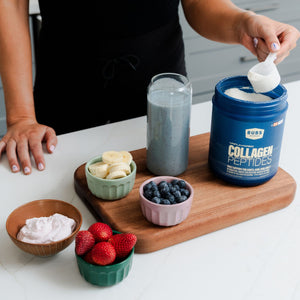
Protein is the most critical component for muscle repair. We recommend consuming 20 to 40 grams of high-quality protein within the hours following your session. While whole foods like eggs, grass-fed beef, and wild-caught fish are foundational, supplements provide a convenient, fast-absorbing way to hit your targets. This is where we believe our Collagen Peptides shine. They mix effortlessly into any liquid, making them an easy addition to a post-workout smoothie or even a morning coffee. By providing the body with hydrolyzed peptides, you’re offering it "pre-digested" protein that can be quickly utilized.
Carbohydrates are your body’s preferred fuel for high-intensity work. During a workout, you burn through glycogen. If you don’t replace it, your next workout will feel sluggish and difficult. Aim for 1.0 to 1.2 grams of carbohydrates per kilogram of body weight following an intense session. Think of clean sources like sweet potatoes, rice, or fruit.
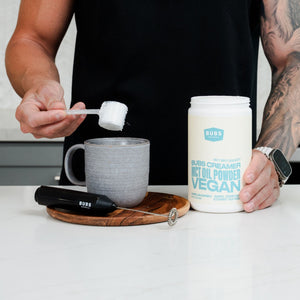
Fats are often overlooked in the recovery conversation, but they are vital for hormonal health. Your body needs healthy fats to produce testosterone and regulate the inflammatory response. For mental clarity and sustained energy during the workday following a hard morning session, many in our community turn to our MCT Oil Creamer. The medium-chain triglycerides provide a quick source of energy for the brain and body without the crash associated with sugar.
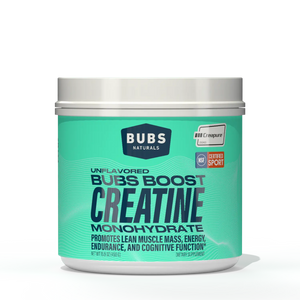
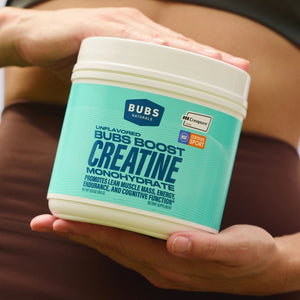
Finally, we cannot ignore the role of specific "boosters" in the recovery process. For those looking to support their strength and power output, Creatine Monohydrate is one of the most researched and effective supplements available. It helps replenish ATP—the primary energy molecule of your cells—allowing you to recover faster between sets and between workouts. When you combine this with the antioxidant support of our Vitamin C, you create an internal environment that is primed for healing.
Hydration and Electrolytes: The Unsung Heroes of Performance
You can eat the perfect meal and get eight hours of sleep, but if you are dehydrated, your recovery will stall. Water is the medium through which all biological processes occur. It transports nutrients to your cells and carries waste products away. Even a 2% drop in hydration can lead to a significant decrease in physical and cognitive performance.
During a workout, you don’t just lose water; you lose electrolytes—specifically sodium, potassium, and magnesium. These minerals are responsible for muscle contractions and nerve signaling. If your electrolyte balance is off, you may experience cramping, dizziness, and prolonged muscle soreness. This is why we developed our Hydration Collection.
Our electrolyte drink mix, Hydrate or Die - Lemon, is designed for those who push their limits. It contains a calculated balance of electrolytes with no added sugar, ensuring that your cells are actually absorbing the water you drink. A common mistake is drinking massive amounts of plain water, which can actually dilute your sodium levels further.
To gauge how much you need to drink, a simple rule of thumb is to consume 1.5 liters of fluid for every kilogram of body weight lost during your activity. For those on a long-distance run or a heavy lifting session in a humid gym, this can add up quickly. Keeping a travel pack of Hydrate or Die - Mixed Berry in your gym bag ensures you’re never caught without the tools to rebalance your system. Proper hydration can shave hours, if not days, off your total recovery time by ensuring your metabolic processes are running at full speed.
The Power of Rest and Quality Sleep
In our quest for performance, we often treat sleep as a luxury. In reality, sleep is the most potent performance-enhancing "supplement" in existence. While you sleep, your body enters its most profound state of repair. The release of growth hormone peaks during deep, slow-wave sleep. This is when the majority of muscle tissue repair and fat metabolism occurs.
Quality sleep also helps regulate cortisol, the body’s primary stress hormone. When you are chronically underslept, your cortisol levels remain elevated. High cortisol is catabolic, meaning it breaks down muscle tissue—the exact opposite of what we want. It also impairs your insulin sensitivity, making it harder for your muscles to take up the glucose they need for recovery.
We recommend aiming for 7 to 9 hours of uninterrupted sleep. To help facilitate this, consider a "wind-down" routine that limits blue light exposure and incorporates calming activities. Some members of the BUBS family find that adding a scoop of our Collagen Peptides to a warm, caffeine-free tea in the evening provides a soothing ritual that also supports overnight tissue repair.
Remember, rest isn't just about sleep. It's about mental downtime too. High levels of psychological stress—whether from work, relationships, or general life—can tax the same nervous system that your workouts do. This is known as "allostatic load." If your life stress is high, your body has less "bandwidth" to recover from your physical training. During these high-stress periods, you may need to extend your how long recovery time after workout window by an extra 24 hours to compensate.
Active Recovery vs. Total Rest: When to Use Each
A common question we hear is: "Should I sit on the couch all day, or should I go for a walk?" The answer depends on the intensity of your previous session and your current level of fatigue.
Total rest is exactly what it sounds like—no structured exercise. This is absolutely critical every 7 to 10 days, or whenever you feel signs of systemic exhaustion. Total rest allows your central nervous system to fully reboot. It gives your joints a break from the repetitive pounding of running or the heavy load of lifting.
Active recovery, on the other hand, involves low-intensity movement that gets the blood flowing without causing further damage. Activities like walking, gentle swimming, or a light yoga flow are perfect examples. The goal of active recovery is to increase circulation. Blood carries oxygen and nutrients to the muscles and helps flush out metabolic waste products like lactate.
Think of active recovery as "greasing the gears." It helps reduce the stiffness associated with DOMS and keeps your joints mobile. A great daily habit is to combine active recovery with digestive support. For instance, taking your Apple Cider Vinegar Gummies before a 20-minute morning walk is a fantastic way to wake up the body and prepare for the day ahead.
The key is to ensure your active recovery doesn't turn into a second workout. If your heart rate stays low and you feel more energized afterward than you did before, you’ve done it right. If you feel more tired, you’ve overstepped, and you should opt for total rest next time.
Recognizing the Signs of Overtraining and Under-Recovering
One of the most important skills any athlete can develop is self-awareness. Your body is constantly sending you signals; the question is whether or not you are listening. Overtraining isn't just about sore muscles; it's a systemic state of "overload" where your body can no longer keep up with the demands you’re placing on it.
Common signs that your how long recovery time after workout window needs to be extended include:
-
Persistent Muscle Soreness: If you are still significantly sore four or five days after a workout, your recovery systems are lagging.
-
Increased Resting Heart Rate: A higher-than-normal heart rate in the morning is a classic sign of a stressed nervous system.
-
Disturbed Sleep: Ironically, when you are overtrained, you may find it harder to fall or stay asleep despite being exhausted.
-
Mood Changes: Irritability, lack of motivation, and a general feeling of "burnout" are psychological indicators of physical overreach.
-
Decreased Performance: If you are consistently unable to hit your usual weights or paces, your body is telling you it needs a break.
At BUBS Naturals, we believe in the "10% Rule." Not only do we donate 10% of our profits to veteran-focused charities, but we also encourage our community to think about that 10% margin in their training. Sometimes, doing 10% less in the gym can lead to a 10% increase in total results because it allows for 100% recovery. By being mindful and supporting your body with Collagen Peptides and proper hydration, you can avoid the "overtraining trap" and keep your progress moving in a positive direction.
Practical Strategies to Optimize Your Recovery Timeline
Now that we’ve covered the science and the signs, how do you put this into practice? Optimizing recovery is about creating a repeatable system.
First, prioritize your post-workout window. Within 30 to 60 minutes of finishing your session, aim to get in a serving of Hydrate or Die - Lemon and a high-quality protein source. Many of our athletes keep a tub of Collagen Peptides in their lockers for exactly this reason. It’s an easy, no-excuses way to start the repair process before they even leave the gym.
Second, manage your inflammation through lifestyle and supplements rather than over-the-counter pills. While it might be tempting to reach for an ibuprofen when you’re sore, research suggests that anti-inflammatory drugs can actually blunt the muscle-building response. Instead, focus on natural antioxidants like Vitamin C and consider therapies like cold plunges or Epsom salt baths, which support the body’s natural processes without interfering with cellular signaling.
Third, look at your weekly schedule. If you are doing three heavy leg days a week, you are likely not giving those large muscle groups the 72 hours they need. Consider a "split" routine where you alternate between upper and lower body, or incorporate dedicated "mobility days" where you focus on flexibility and blood flow using our Creamers Collection to keep your energy levels stable while you rest.
Finally, remember the mission. At BUBS, we are inspired by Glen "BUB" Doherty's commitment to being a "total package" athlete and human being. That means having the discipline to rest just as hard as you train. When you take that extra day off to ensure you’re fully recovered, you’re not being "lazy"—you’re being professional. You’re ensuring that when you do step back into the arena, you are ready to give it your absolute best.
Conclusion
Mastering the timeline of your recovery is one of the most powerful things you can do for your long-term health and fitness. We have explored the intricate biological dance of muscle protein synthesis, the varying needs of different muscle groups, and the essential roles of nutrition, hydration, and sleep. The answer to how long recovery time after workout sessions should be is rarely a simple "24 hours." It is a dynamic process that requires you to listen to your body and provide it with the highest quality fuel available.
Whether you are using our Collagen Peptides to support your joints, staying hydrated with Hydrate or Die, or fueling your brain with MCT Oil Creamer, every choice you make in the hours after your workout determines the quality of your next session. We are proud to provide the clean, science-backed supplements that support this journey, all while honoring a legacy of service and adventure.
Take a look at your current routine. Are you giving yourself the grace to recover? Are you fueling the repair process with the right ingredients? If not, today is the perfect day to start. Your body is capable of incredible things, but only if you give it the time and the tools it needs to thrive. We invite you to explore our full range of products and see how the BUBS difference can elevate your recovery game.
Ready to take your recovery to the next level? Shop our Collagen Peptides today and feel the difference that clean, pasture-raised nutrition can make in your training and your life.
FAQ
How do I know if I’ve waited long enough between workouts?
A good indicator is a combination of muscle soreness and performance. If the target muscle is no longer tender to the touch and you feel you can move through a full range of motion without stiffness, you are likely ready. Additionally, if you can match or exceed your performance from the previous session, your recovery was successful. If you feel weak or sluggish, your body may need another 24 hours of rest.
Does collagen really help with post-workout recovery?
Yes, but in a different way than traditional whey or plant proteins. While those proteins are high in branched-chain amino acids for muscle belly repair, Collagen Peptides are rich in glycine, proline, and hydroxyproline. These are the specific building blocks for your connective tissues, tendons, and ligaments. By supporting these "support structures," collagen helps ensure that your joints can handle the stress of repetitive training.
Can I shorten my recovery time with supplements?
While you can’t bypass the laws of biology, you can certainly optimize the process. Supplements like Creatine Monohydrate help replenish energy stores faster, and Hydrate or Die ensures your cells have the electrolytes needed for repair. By providing the body with the right raw materials immediately, you prevent "recovery bottlenecks" caused by nutrient deficiencies.
What should I do if I’m still sore after 72 hours?
If significant soreness persists beyond three days, it may be a sign of a very high-intensity session or that your recovery factors (sleep, nutrition, stress) are not being met. In these cases, we recommend "active recovery." Instead of a high-intensity session, try a long walk or a light swim. This promotes blood flow to the sore areas without adding more damage, helping you turn the corner on your recovery. Integrating Vitamin C into your routine can also support the body's natural antioxidant defenses during these prolonged recovery periods.