Table of Contents
- Introduction
- Anatomy of the Core: More Than Just a Six-Pack
- The Daily Debate: Can You Train Abs Every Single Day?
- The Benefits of Frequent Core Training
- The Risks of Overtraining Your Midsection
- The Science of Recovery: Why Your Muscles Need a Break
- Nutrition: The Unfiltered Truth About Visible Abs
- Compound vs. Isolation: The Best Way to Build Strength
- The BUBS Approach: A Functional Core Training Strategy
- Practical Exercises for a Resilient Core
- Supporting Your Core Journey with Clean Nutrition
- Conclusion
- FAQ
Introduction
Did you know that your core is essentially a pressurized "soda can" that protects your spine and transfers power between your upper and lower body? If that can is strong and sealed, it can withstand incredible pressure; if it’s weak or compromised, it buckles under the simplest of loads. This metaphor highlights why the midsection is the most talked-about muscle group in the gym. We all want that rock-solid foundation, but the path to achieving it is often clouded by conflicting advice. Some trainers suggest you should hit your midsection with high-volume sessions every single morning, while others argue that your abs need rest just like your chest or legs. This leads to a fundamental question many fitness enthusiasts face: is it good to do ab workouts everyday, or are we simply spinning our wheels and risking injury?
At BUBS Naturals, we believe in a "no-BS" approach to wellness and performance. Inspired by the legacy of Glen “BUB” Doherty—a Navy SEAL who lived a life of adventure and purpose—we prioritize clean, functional, and science-backed strategies for health. Whether you are training for a tactical mission, a marathon, or simply the rigors of daily life, understanding how to effectively train your core is essential. In this deep dive, we will explore the anatomy of the abdominal wall, the physiological impact of daily training, the critical role of recovery, and the nutritional foundations required to actually see the results of your hard work. By the end of this article, you will have a clear, actionable strategy for core training that balances intensity with longevity.
We are going to peel back the layers of myths surrounding "spot reduction" and "10-minute miracles" to provide you with the hard-core truth. You will learn how to distinguish between low-intensity stability work and high-intensity hypertrophy training, and how to fuel that progress with premium supplements like our Collagen Peptides. Our goal is to help you build a resilient, functional core that supports your lifestyle, while staying true to our mission of giving back—remember, 10% of our profits always go to veteran-focused charities. Let’s get to work and find out if daily ab training belongs in your routine.
Anatomy of the Core: More Than Just a Six-Pack
To answer whether daily training is appropriate, we first need to understand what we are actually training. Most people equate "abs" with the "six-pack," but the core is a complex system of muscles that work in three dimensions. We can break these down into four primary muscle groups, plus a few "hidden" players that are essential for true functional strength.
The most famous of the bunch is the rectus abdominis. This is the long, segmented muscle that runs vertically from your pubic bone to your ribs. Its primary job is trunk flexion—think of the motion of a crunch or pulling your ribs toward your pelvis. Contrary to popular belief, "upper" and "lower" abs are not separate muscles; they are different regions of the same rectus abdominis. However, you can emphasize different regions by changing the "anchor point" of your movement, such as lifting your legs (bottom-up) versus lifting your torso (top-down).
Flanking the rectus abdominis are the external and internal obliques. The external obliques are the visible muscles on the sides of your torso, while the internal obliques sit just beneath them. These muscles are the "rotators" and "anti-rotators" of the body. They allow you to twist your torso and, perhaps more importantly, they help you resist unwanted rotation, which protects your spine during heavy lifts. When you see someone with a well-defined "frame" around their six-pack, you are looking at well-developed obliques.
The deepest layer is the transverse abdominis (TVA). Think of the TVA as your body’s internal weight belt. It wraps around your midsection horizontally. Its primary function is to create intra-abdominal pressure and stabilize the spine. This is the muscle you engage when you "hollow out" your stomach or perform a vacuum. Strengthening the TVA is crucial for posture and preventing the "pooch" look, even in lean individuals.
Finally, we cannot forget the serratus anterior. While technically located on the ribs, it is often grouped with the core because it integrates with the obliques to stabilize the trunk and control the movement of the shoulder blades. To support the connective tissues and ligaments that hold these muscle groups together, many athletes incorporate Collagen Peptides into their daily routine, ensuring the "glue" of the body stays as strong as the muscles themselves.
The Daily Debate: Can You Train Abs Every Single Day?
The short answer is: yes, you can train your core every day, but the real question is whether you should and how you should do it. Unlike your hamstrings or chest, your abdominal muscles are incredibly resilient. They are composed of a high percentage of slow-twitch muscle fibers, which are designed for endurance. This makes sense from an evolutionary standpoint; your core has to remain "on" all day just to keep you upright and breathing.
However, the intensity of your workout dictates the frequency. If your "ab workout" consists of low-intensity stability movements like dead bugs, bird-dogs, or basic planks, these can generally be performed daily. These exercises focus on motor control and stability rather than muscular failure. They are fantastic for "waking up" the nervous system and can even be used as a warm-up before a heavy lifting session.
On the flip side, if you are performing high-intensity, weighted ab exercises—such as weighted cable crunches, hanging leg raises with a dumbbell between your feet, or high-resistance wood chops—you are creating significant micro-trauma in the muscle fibers. Just like your biceps or quads, these muscles need 48 to 72 hours to repair and grow stronger. Training them with high intensity every single day can lead to overtraining, diminished results, and even injury.
We recommend a balanced approach. If you love the feeling of daily movement, switch between "stability days" (low intensity) and "strength days" (high intensity). This allows you to maintain the habit without burning out. To keep your energy levels sustained during these frequent sessions, a scoop of MCT Oil Creamer in your morning coffee can provide the healthy fats needed for mental clarity and physical stamina.
The Benefits of Frequent Core Training
When programmed correctly, frequent core training offers a host of benefits that extend far beyond aesthetics. One of the most significant advantages is the reduction of chronic back pain. Most lower back issues stem from a lack of stability in the lumbar spine. By consistently strengthening the "soda can" of your core, you provide a natural brace for your vertebrae, taking the pressure off your discs and ligaments.
Furthermore, a strong core is the "engine room" for athletic performance. Whether you are swinging a golf club, throwing a punch, or sprinting up a hill, the power is generated in the hips and legs and transferred through the core to the upper body. If your core is weak, energy "leaks" out, and your performance suffers. Regular training improves this power transfer, making you more efficient in every movement.
Posture is another area where daily core engagement shines. In our modern world, we spend a lot of time hunched over screens, which weakens the deep stabilizers like the TVA. By performing daily "activation" exercises, you remind your body how to hold itself upright. This not only makes you look taller and more confident but also improves your breathing capacity by allowing your diaphragm to move freely.
Lastly, for those recovering from surgery or childbirth, daily gentle core work is often a cornerstone of physical therapy. It helps rebuild the mind-muscle connection and restores the functional integrity of the abdominal wall. During these recovery phases, maintaining a high-quality nutritional intake is vital. Our Collagen Peptides are an excellent addition here, as they support the health of the very connective tissues that are being rehabilitated.
The Risks of Overtraining Your Midsection
More is not always better. In the quest for a six-pack, many people fall into the trap of "volume addiction," doing hundreds of crunches every night. This can lead to several negative outcomes. The first is an overuse injury. Tendinitis in the hip flexors is a common side effect of poorly executed ab workouts. When your abs fatigue, your hip flexors often take over, pulling on the lower spine and causing significant discomfort.
There is also the risk of developing postural imbalances. If you only focus on the "front" of your core (the rectus abdominis) with endless crunches, you may inadvertently pull your shoulders forward and round your back. A truly strong core requires a balance between the front, the sides (obliques), and the back (spinal erectors). Overtraining one area while neglecting others is a recipe for dysfunction.
In extreme, though rare, cases, excessive high-intensity training can lead to rhabdomyolysis, a condition where muscle tissue breaks down and enters the bloodstream. While this usually happens in high-heat or extreme-endurance scenarios, it serves as a reminder that your muscles are not invincible.
The mental aspect of overtraining is also real. If you force yourself to do a grueling ab circuit every single day without rest, you may eventually grow to hate your workouts, leading to a total loss of consistency. At BUBS, we advocate for the "100% self-actualization" model—which means training in a way that makes you feel empowered, not depleted. To help prevent that run-down feeling, especially after a tough session, we suggest using Hydrate or Die - Lemon to replenish essential electrolytes and keep your muscles functioning at their peak.
The Science of Recovery: Why Your Muscles Need a Break
Muscles do not grow while you are in the gym; they grow while you are sleeping and resting. This is the principle of "supercompensation." When you train, you create tiny tears in the muscle fibers. During rest, your body repairs these tears, making the fibers slightly thicker and stronger than they were before. If you train the same muscle intensely every day, you interrupt this repair process.
Recovery is particularly important for the connective tissues—the tendons and ligaments—that anchor your abdominal muscles. These tissues have less blood flow than muscle fibers and therefore take longer to heal. This is where high-quality supplementation can make a tangible difference. Our Collagen Peptides provide the amino acids glycine, proline, and hydroxyproline, which are the building blocks of collagen in the body. By supporting these "support structures," you can bounce back faster from your workouts.
Sleep is another non-negotiable pillar of recovery. During deep sleep, your body releases growth hormone, which is essential for tissue repair. If you are training your core frequently but only sleeping five hours a night, you are essentially fighting with one hand tied behind your back.
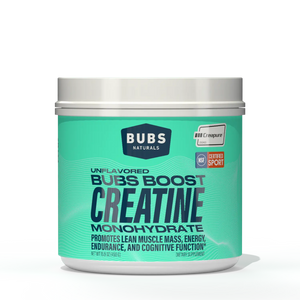
To optimize your recovery window, consider your post-workout nutrition. A combination of clean protein and essential minerals is key. Many of our athletes find that adding Creatine Monohydrate to their routine helps replenish the ATP stores needed for muscle contractions, ensuring that even when they do train their core, they are doing so with maximum power and efficiency.
Nutrition: The Unfiltered Truth About Visible Abs
We’ve all heard the phrase "abs are made in the kitchen." While it’s a bit of a cliché, it’s rooted in biological fact. You can have the strongest rectus abdominis in the world, but if it is covered by a layer of adipose tissue (body fat), it will remain invisible. Spot reduction—the idea that doing sit-ups will burn fat specifically from the stomach—is a myth that refuses to die. To see your abs, you must lower your overall body fat percentage through a caloric deficit and proper macronutrient management.
At BUBS, we recommend the 40/40/20 rule as a starting point for those looking to lean out and reveal their hard-earned muscle. This means 40% of your calories come from high-quality proteins, 40% from fibrous carbohydrates (like vegetables), and 20% from healthy fats. This balance helps maintain muscle mass while keeping you satiated.
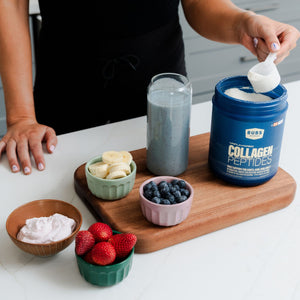
Protein is the most important macronutrient for core definition. Not only does it support muscle repair, but it also has a high thermic effect, meaning your body burns more calories digesting protein than it does fats or carbs. Incorporating Collagen Peptides into your diet is a simple way to boost your protein intake without adding unnecessary sugars or fillers.
Managing your digestion is also a key factor in how your midsection looks. Chronic bloating can make even a lean stomach appear distended. To support a healthy gut and metabolic function, many of our customers enjoy Apple Cider Vinegar Gummies. They are a convenient way to include "the Mother" into your daily routine, promoting digestive wellness that complements your fitness goals.
Compound vs. Isolation: The Best Way to Build Strength
If you want a bulletproof core, you need to look beyond the floor mat. Some of the most effective "ab exercises" aren't ab exercises at all—they are heavy compound movements. When you perform a heavy back squat, a deadlift, or an overhead press, your core has to work overtime to stabilize your spine against the external load. Research shows that these movements often recruit the core muscles more effectively than isolation exercises like crunches.
However, there is a place for isolation. Think of compound movements as the "foundation" of your house and isolation exercises as the "finishing work." If you only do compound lifts, you might miss specific areas like the obliques or the lower region of the rectus abdominis.
A great strategy is to finish your full-body workouts with a "core finisher." This could be 5 to 10 minutes of targeted work after your main lifts are done. Because your core is already fatigued from stabilizing your heavy sets, these finishers can be incredibly effective. To ensure you have the explosive power required for those heavy compound sets, Creatine Monohydrate is a research-backed staple that we highly recommend for any serious trainee.
The BUBS Approach: A Functional Core Training Strategy
We believe in training with purpose. If your goal is to be ready for any adventure, your core training should reflect that. We suggest a "Six-Pack Progression" that targets the muscles in a logical, effective order.
-
Bottom-Up Movements: Start with exercises where your legs move toward your torso (e.g., hanging leg raises or reverse crunches). These are usually the most demanding and require the most energy.
-
Rotation and Anti-Rotation: Move to the obliques with wood chops, Pallof presses, or Russian twists. This builds the "frame" and protects the spine.
-
Stability/Isometrics: Incorporate planks or hollow-body holds to build the endurance of the TVA.
-
Top-Down Movements: Finish with traditional crunches or cable crunches. These are easier to perform correctly even when you are fatigued.
By following this order, you ensure that you are doing the hardest work when your nervous system is freshest. Throughout this process, don't forget the importance of staying hydrated. A serving of Hydrate or Die - Mixed Berry can help maintain the mineral balance necessary for muscle contractions, preventing the mid-workout cramps that can derail your session.
Practical Exercises for a Resilient Core
If you’re looking to build a routine you can do frequently, variety is your best friend. Here are a few staple exercises that we recommend incorporating into your weekly schedule, alternating between stability and strength:
-
The Dead Bug: This is the gold standard for TVA activation. Lying on your back, you move opposite limbs slowly while keeping your lower back pinned to the floor. It looks easy, but when done with intent, it’s a game-changer for posture.
-
The Pallof Press: Using a resistance band or cable, you stand sideways and press the handle away from your chest, resisting the urge to be pulled toward the anchor point. This is elite anti-rotation training.
-
Weighted Sit-ups: For those looking to actually grow the "blocks" of their six-pack, adding a small weight plate to your chest during sit-ups (with proper form!) provides the resistance needed for hypertrophy.
-
The Bird-Dog: Similar to the dead bug but performed on all fours. It targets the posterior chain and the deep stabilizers simultaneously.
To keep your joints feeling smooth during these movements—especially the ones that require you to be on the floor—consistently using Collagen Peptides can support the health of your knees, elbows, and back.
Supporting Your Core Journey with Clean Nutrition
At the end of the day, your results are a reflection of your consistency and the quality of your fuel. We don't believe in shortcuts or "magic pills." We believe in simple, effective ingredients that work as hard as you do.
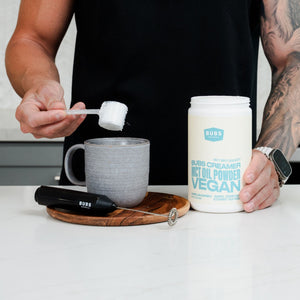
Starting your day with a focused mindset is half the battle. Our MCT Oil Creamer provides C8 and C10 medium-chain triglycerides that are quickly converted into ketones, offering a steady stream of energy for your brain and body. This can help you stay disciplined with your nutrition throughout the day, making it easier to stick to that 40/40/20 plan.
If you find that your sweet tooth is your biggest obstacle to seeing those abs, our Apple Cider Vinegar Gummies can be a great way to satisfy a craving while supporting your digestive health. Every choice you make, from the reps in the gym to the supplements in your cabinet, should move you closer to your best self.
Conclusion
So, is it good to do ab workouts everyday? The truth is nuanced: your core is a resilient powerhouse that can handle frequent stimulation, but it also requires the same respect and recovery as any other muscle group. If you focus on low-intensity stability and "non-ab" compound movements, daily engagement is not only safe but highly beneficial for your posture and performance. However, if you are chasing muscle growth and high-definition "packs," you must incorporate rest days to allow for repair and growth.
Building a strong core is an investment in your long-term health. It’s about more than just looking good at the beach—it’s about protecting your spine, improving your athletic "engine," and ensuring you’re ready for whatever adventure life throws your way. This journey requires patience, a smart training split, and a commitment to clean, high-quality nutrition.
We invite you to take your recovery and performance to the next level by incorporating our Collagen Peptides into your daily wellness ritual. By choosing BUBS, you're not just buying a supplement; you're joining a community dedicated to doing good and living fully. Together, we can build a foundation that is as strong and enduring as the legacy of Glen "BUB" Doherty. One scoop, one workout, one day at a time—feel the difference and live with purpose.
FAQ
Can I get a six-pack just by doing ab workouts every day?
While daily ab workouts will strengthen the muscles, they will not necessarily make them visible if there is a layer of body fat covering them. To see your abs, you need to combine targeted training with a caloric deficit and a nutritious diet. Exercises help build the muscle "blocks," but nutrition is the key to "uncovering" them. Incorporating Collagen Peptides can help maintain muscle mass while you are in a leaning-out phase.
Will doing too many sit-ups hurt my lower back?
If performed with poor form, repetitive flexion movements like sit-ups can put undue stress on the lumbar spine. It is important to focus on engaging the core and keeping the spine in a safe position. We recommend balancing flexion exercises with "anti-rotation" and "stability" moves like the Pallof press or planks. If you experience back discomfort, it may be a sign to rest or focus on supporting your connective tissues with Collagen Peptides.
Is it better to do abs at the beginning or end of a workout?
For most people, it is better to do focused ab training at the end of a session. Your core is vital for stabilizing your body during heavy compound lifts like squats or overhead presses. If you fatigue your abs first, you may compromise your form on those big lifts, increasing the risk of injury. Save the isolation work for the "finisher" and stay hydrated during the session with Hydrate or Die.
How long does it take to see results from daily ab training?
Consistency is key, but the timeline varies based on your starting point and diet. You might feel "stronger" and more stable within a few weeks, but visible changes usually take 8 to 12 weeks of consistent training and disciplined nutrition. Supporting your energy levels with MCT Oil Creamer and your recovery with Creatine Monohydrate can help you stay on track to reach your goals faster.