Table of Contents
- Introduction
- The Science of the Weekend Warrior
- Quality Over Quantity: The Power of Intensity
- Programming Your Two-Day Week
- Bridging the Gap: The Other Five Days
- The Critical Role of Recovery and Support
- Nutrition Strategies for the Twice-Weekly Athlete
- Overcoming the Mental Hurdles of Low-Frequency Training
- Longevity and the 10% Rule
- Maximizing Results with the BUBS Protocol
- Summary of Key Takeaways
- FAQ
Introduction
Did you know that according to a massive study of over 90,000 individuals published in the Journal of the American Heart Association, those who condensed their exercise into just one or two days a week saw nearly the same reduction in mortality risk as those who spread their workouts across the entire week? This revelation flips the traditional "five-days-a-week or bust" mentality on its head. For many of us, the quest for peak wellness often feels like a collision course with a calendar that simply won't budge. We balance careers, family, and the pursuit of adventure, leaving us to wonder if our two-day-a-week "weekend warrior" routine is actually moving the needle. At BUBS Naturals, we are built on the legacy of Glen “BUB” Doherty—a man who lived for the high-stakes adventure of being a Navy SEAL and a dedicated friend. His life was a testament to the idea that how you live and how you give back matters more than just checking boxes. We believe that wellness should support your life, not consume it.
The purpose of this article is to dive deep into the science and strategy of low-frequency training. We will explore whether working out only twice a week is truly effective for strength, weight loss, and cardiovascular health, or if it’s merely a compromise. You will learn how to structure these sessions for maximum impact, the physiological reasons why recovery is your secret weapon, and how to bridge the five-day gap with nutrition and smart supplementation. Whether you are a busy parent, a high-performing professional, or an athlete looking to maintain a base level of fitness during a hectic season, we want to help you understand how to make every minute count. By the end of this post, you will have a clear roadmap for achieving your goals without the guilt of missing a Wednesday workout. This isn't just about fitness; it’s about a sustainable lifestyle rooted in clean ingredients, rigorous testing, and the drive to be better every day.
The Science of the Weekend Warrior
For decades, the gold standard of fitness advice has been consistency through high frequency. We were told that if we weren't hitting the gym at least four or five times a week, we were essentially spinning our wheels. However, modern clinical research is beginning to paint a different picture—one that favors total volume and intensity over how many times you swipe your gym card. The term "weekend warrior" was once used almost pejoratively to describe people who sat all week and then played hard on Saturday and Sunday. But recent data suggests these individuals might be onto something significant.
A study published in Obesity found that "weekend warriors"—defined as those who perform 150 minutes of moderate-to-vigorous physical activity with more than 50% of that activity occurring in one or two sessions—achieved weight loss results similar to those who exercised more regularly. The caveat, and it is a crucial one, is that the total volume must meet the World Health Organization’s (WHO) recommendation of 150 minutes of moderate activity or 75 minutes of vigorous activity per week. This means that if you are asking, "is it ok to only workout 2 days a week," the answer is a resounding yes, provided those two days are substantial.
The physiological explanation for this lies in the body’s ability to adapt to stress. When we exercise, we are essentially applying a controlled stressor to our muscles and cardiovascular system. The body doesn't necessarily care if that stress comes in five 30-minute doses or two 75-minute doses, as long as the intensity is high enough to trigger an adaptive response. In fact, for many, the two-day-a-week model allows for a level of intensity that is impossible to maintain daily. When you know you only have two shots at the gym, you are more likely to push toward failure, lift heavier, and move faster.
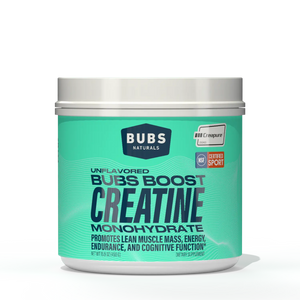
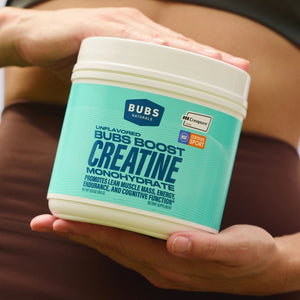
This approach aligns perfectly with our "no-BS" philosophy. We don't believe in unnecessary complexity. If the science shows that you can maintain heart health, manage weight, and build muscle on a condensed schedule, then we want to provide the tools to help you do it. To support this kind of high-intensity, condensed training, many of our athletes rely on Creatine Monohydrate to ensure they have the ATP and power output necessary to make those two days count. By focusing on pure, single-ingredient supplements, we ensure that your body is primed for the work, regardless of how many days a week you can get it in.
Quality Over Quantity: The Power of Intensity
If you are limiting your training to two days, the "quality" of your movement becomes the most important variable. In a five-day-a-week program, you can afford a "garbage mile" or a few sets where you're just going through the motions. In a two-day program, every rep is a premium. This is where the concept of "training to failure" or "near failure" becomes essential.
When we workout frequently, we often hold back to ensure we have enough energy for the next day. But with 48 to 72 hours of rest between sessions, the two-day trainee can afford to completely fatigue the target muscle groups. This fatigue is what signals the body to repair and grow. Muscle protein synthesis (MPS) typically stays elevated for about 24 to 48 hours after a vigorous resistance session. By hitting a full-body routine on a Saturday and another on a Tuesday, you are effectively keeping your body in a state of growth and repair for a significant portion of the week.
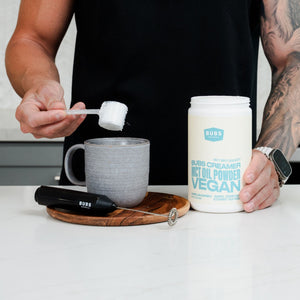
To sustain this level of intensity, your internal "engine" needs the right fuel. Many in our community start their morning with a boost of healthy fats to maintain mental clarity and steady energy levels. Adding our MCT Oil Creamer to your coffee provides C8 and C10 medium-chain triglycerides that are quickly converted into ketones, giving you the fuel to power through a grueling 75-minute full-body session without the crash associated with sugar-heavy pre-workouts.
Intensity isn't just about lifting heavy; it's about cardiovascular output as well. If your goal is endurance or heart health, those two days need to include "vigorous" activity—the kind that makes it difficult to hold a conversation. Think of it as the BUBS way: we don't do things halfway. Whether it’s a mission or a workout, we go all in. If you're only showing up twice, you owe it to yourself to make those sessions as impactful as possible.
Programming Your Two-Day Week
How you structure your two days depends entirely on whether those days are consecutive or spread out. Each approach has its own set of rules to prevent injury and maximize gains.
The Non-Consecutive Split (e.g., Tuesday and Saturday)
This is the gold standard for two-day training. Because you have several days of rest between sessions, we recommend a Full Body Approach. Each session should focus on large, compound movements that recruit multiple muscle groups. This maximizes the hormonal response and caloric burn.
-
Squats or Deadlifts: For lower body power and posterior chain strength.
-
Push Movements: Bench press, overhead press, or push-ups to hit the chest, shoulders, and triceps.
-
Pull Movements: Pull-ups, rows, or lat pulldowns for back and bicep development.
-
Core Stability: Planks or hollow holds to tie it all together.
By hitting every muscle group twice a week, you are meeting the minimum frequency required for optimal muscle hypertrophy.
The Consecutive Split (e.g., Saturday and Sunday)
If you are a true "weekend warrior" and can only train back-to-back, a full-body routine both days might be too taxing on your central nervous system and joints. Instead, we recommend an Upper/Lower Split or a Push/Pull Split.
-
Day 1 (Saturday): Focus on the lower body (Quads, Hamstrings, Glutes) and perhaps some steady-state cardio.
-
Day 2 (Sunday): Focus on the upper body (Chest, Back, Shoulders) and high-intensity intervals.
This allows the muscle groups worked on Saturday to begin the recovery process while you tackle a different set of muscles on Sunday. To help your body transition through these back-to-back demands, staying on top of your micronutrients is key. Our Apple Cider Vinegar Gummies are an easy way to support your digestive health and general wellness, ensuring that your body is processing nutrients efficiently even during high-stress training windows.
Regardless of the split, the transition between these intense sessions requires significant attention to your connective tissues. This is why we advocate for the Collagen Peptides Collection as a foundational part of any training regimen. When you are cramming your weekly volume into just two days, your joints, tendons, and ligaments take a heavy load. Supplementing with high-quality, grass-fed collagen helps provide the amino acids necessary to support joint health and recovery, keeping you in the game longer.
Bridging the Gap: The Other Five Days
While the physical "workout" might only happen twice a week, "wellness" is a seven-day commitment. What you do during the other five days will determine whether your two workouts are effective or a waste of time. Consistency in nutrition, hydration, and movement is what builds the bridge between your weekend efforts.
First, let's talk about Non-Exercise Activity Thermogenesis (NEAT). This refers to the energy we expend for everything we do that is not sleeping, eating, or sports-like exercise. It includes walking to your car, taking the stairs, and even fidgeting. If you only workout two days a week, increasing your NEAT on the other five days is vital. Aim for 8,000 to 10,000 steps a day. This keeps your metabolism active and prevents the stiffness that comes with a sedentary lifestyle.
Second, hydration is a non-negotiable. Many people only think about electrolytes when they are sweating in the gym, but your cells need proper mineral balance every single day to function at their peak. We developed Hydrate or Die - Lemon to provide a high-dose electrolyte replacement without the added sugars found in typical sports drinks. By staying hydrated during your "off" days, you ensure that when you do hit the gym, your muscles are ready to perform and your recovery is already underway.
Third, nutrition must be dialed in. Since you aren't burning as many calories through exercise on your off days, focusing on high-quality protein and nutrient-dense whole foods is essential. This is where your commitment to clean ingredients truly pays off. We believe in the power of simplicity—just like our supplements, your diet should be free of "BS" and focused on what works.
The Critical Role of Recovery and Support
If you are only working out two days a week, those sessions are likely high-impact. High-impact training requires high-impact recovery. You cannot expect your body to perform at 100% on Saturday if you haven't given it the tools to repair from the previous Tuesday. Recovery is where the actual "fitness" happens; the workout is just the catalyst.
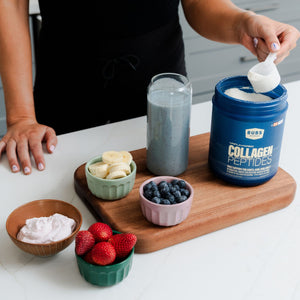
One of the most effective ways to support your body's natural repair process is through the consistent use of Collagen Peptides. Our collagen is NSF for Sport certified, meaning it meets the highest standards for purity and safety. It’s unflavored and dissolves instantly, making it the perfect addition to your post-workout shake or your morning coffee. By providing Types I and III collagen, we help support the structural integrity of your skin, hair, nails, and—most importantly for the two-day athlete—your joints and recovery. See how our Collagen Peptides can support your wellness journey by making it a daily habit, not just a workout-day supplement.
Sleep is another pillar of recovery that cannot be ignored. During deep sleep, your body releases growth hormone, which is essential for tissue repair and muscle growth. If you are training twice a week and sleeping five hours a night, you are undermining your own efforts. Aim for 7-9 hours of quality sleep to ensure that your "weekend warrior" efforts translate into real-world results.
Finally, we must mention the role of antioxidants. Intense exercise creates oxidative stress in the body. While this is a natural part of the adaptation process, supporting your body with antioxidants can help manage systemic inflammation. Our Vitamin C supplement, which includes citrus bioflavonoids, is designed to support both immune function and collagen formation, providing a dual-action benefit for the active individual.
Nutrition Strategies for the Twice-Weekly Athlete
Nutrition is often described as 80% of the battle, and when your exercise frequency is low, this percentage might even be higher. Without the daily caloric burn of a gym session, your margin for error with "junk" food is smaller. However, this doesn't mean you have to live in a state of deprivation. It means you need to be strategic.
Protein Pacing: Even on days you don't workout, your body is still repairing tissue. Aim for a consistent intake of protein throughout the day. A good rule of thumb is 0.8 to 1 gram of protein per pound of body weight. This keeps muscle protein synthesis elevated and helps you feel satiated.
Healthy Fats for Satiety: Incorporating healthy fats can help stabilize blood sugar and prevent the energy crashes that lead to poor food choices. Our Butter MCT Oil Creamer is a fan favorite for those who want a richer, creamier texture in their drinks while reaping the benefits of high-quality fats. It’s an easy way to turn a simple cup of tea or coffee into a functional tool for metabolic health.
Strategic Carbohydrates: Save your higher-carbohydrate meals for the window around your two workout days. This ensures that the glucose is used to fuel your performance and replenish glycogen stores, rather than being stored as fat. On your off days, focus more on fibrous vegetables and lean proteins.
By viewing your nutrition through the lens of performance and longevity, you align yourself with the BUBS mission. We aren't just selling supplements; we are honoring a legacy of excellence. Every time you choose a clean, effective ingredient, you are choosing to live with purpose. And remember, with every purchase, you are participating in our 10% Rule—donating to veteran-focused charities like the Glen Doherty Memorial Foundation. Your health journey becomes a way to give back to those who have served.
Overcoming the Mental Hurdles of Low-Frequency Training
One of the biggest obstacles to a two-day-a-week plan isn't physical—it's mental. We have been conditioned to believe that if we aren't "grinding" every day, we aren't trying hard enough. This can lead to a "screw it" mentality: "I missed my Monday and Tuesday workouts, so the whole week is ruined."
We need to shift that perspective. Consistency is not about perfection; it’s about persistence. If your life only allows for two days of training, then owning those two days is a massive victory. It’s about the "Long Game." Glen Doherty didn't become a SEAL by being perfect every single day; he became one through relentless dedication to the mission, even when things got messy.
To stay motivated, focus on the "S.M.A.R.T." goal framework: Specific, Measurable, Achievable, Realistic, and Time-bound. Instead of saying "I want to get fit," say "I will complete two 75-minute full-body sessions this week and hit 10,000 steps on my off days." This makes your progress tangible.
Another way to maintain your mental edge is by keeping your daily rituals simple and rewarding. Whether it’s the routine of mixing your Collagen Peptides into your morning drink or the ritual of a Sunday evening meal prep, these small habits reinforce your identity as someone who cares about their wellness. Explore the science-backed ingredients in our primary pick and see how they can anchor your daily routine, giving you a sense of accomplishment even on the days you don't hit the gym.
Longevity and the 10% Rule
At BUBS Naturals, we often talk about the "BUBS Difference." It’s not just about what’s in the tub; it’s about the soul of the company. When you're training for longevity—trying to stay fit and healthy for the decades to come—you need to align yourself with values that sustain you.
Working out twice a week is a sustainable, long-term strategy for many people. It prevents burnout, reduces the risk of overuse injuries, and allows for a rich life outside the gym. But wellness isn't just about your own body. It’s about the impact you have on the world. This is why our 10% Rule is so central to everything we do. We donate 10% of all profits to charity, primarily focusing on the Glen Doherty Memorial Foundation. This foundation helps special operations veterans transition to civilian life through education and professional civilian training.
When you fuel your two-day-a-week routine with BUBS, you aren't just supporting your own muscles and joints; you are supporting a legacy of service. This sense of purpose can be a powerful motivator. On the days when you're tired and don't want to hit that Saturday session, remember that your commitment to wellness is part of something bigger. It’s about living a life of adventure and purpose, just as Glen did.
Maximizing Results with the BUBS Protocol
To summarize how to effectively workout only 2 days a week, let's look at the BUBS Protocol for a Weekend Warrior:
-
The Workout: Two 75-minute sessions. If non-consecutive, go full-body. If consecutive, split upper/lower. Focus on compound movements and high intensity.
-
The Fuel: Start your day with MCT Oil Creamer for sustained energy. Use Creatine Monohydrate to maximize your strength output during those precious gym hours.
-
The Hydration: Use Hydrate or Die - Mixed Berry during and after your sessions to replenish vital minerals and keep your performance high.
-
The Recovery: Daily Collagen Peptides to protect your joints and accelerate tissue repair. Don't skip this on off days!
-
The Maintenance: Keep your gut health in check with Apple Cider Vinegar Gummies and support your immune system with Vitamin C.
This holistic approach ensures that you are covering all your bases, even if you can't live in the gym. We provide the "simple, effective ingredients" so you can focus on the "adventure and wellness" part of the equation.
Summary of Key Takeaways
We have covered a lot of ground in this guide, and it’s important to bring it all together. Is it ok to only workout 2 days a week? Not only is it "ok," but for many, it can be a superior way to train for long-term health and weight management, provided you maintain high intensity and meet the 150-minute weekly volume goal.
The key is to treat your two days with the respect they deserve. Use compound movements, push yourself near failure, and don't skimp on the warm-up or cool-down. On your five off-days, stay active through NEAT, prioritize your sleep, and keep your nutrition clean and protein-focused.
Most importantly, remember that supplementation is there to support the hard work you’re already doing. By incorporating the Collagen Peptides Collection into your daily life, you are giving your body the structural support it needs to handle high-intensity training. Shop the collection and feel the BUBS difference—it’s the same commitment to quality that we bring to every aspect of our mission.
As you move forward, don't let the perfect be the enemy of the good. If two days is what you have, make them the best two days possible. Live your life with the spirit of adventure that Glen Doherty embodied, and know that we are here to support you every step of the way with the cleanest, most effective supplements on the market. Together, we can achieve our wellness goals and give back to those who have given so much.
FAQ
Can I really lose weight if I only workout 2 days a week?
Yes, weight loss is primarily driven by a caloric deficit, and exercise is a tool to help create that deficit. Research shows that as long as you meet the weekly 150-minute goal of moderate-to-vigorous activity, you can achieve similar weight loss results to those who exercise more frequently. To support your metabolism on both training and rest days, many people find that adding MCT Oil Creamer to their morning routine helps with satiety and steady energy.
Will I lose muscle if I only lift weights twice a week?
No, you can actually build or maintain significant muscle mass with two sessions a week if the intensity is high enough. The key is to hit each major muscle group with enough volume and weight to trigger muscle protein synthesis. Because you only have two sessions, using Creatine Monohydrate can be particularly beneficial to ensure you have the strength and power to perform at your peak during those workouts.
Should I take Collagen Peptides on the days I don't workout?
Absolutely. Collagen Peptides should be a daily habit because your body is constantly in a state of repair and turnover. Connective tissues like tendons and ligaments take longer to recover than muscles, so consistent daily supplementation helps maintain the structural integrity of your joints. This is especially important for "weekend warriors" who put a lot of stress on their bodies in a short amount of time.
How do I prevent injury if I'm cramming a lot of exercise into just two days?
Injury prevention for low-frequency athletes comes down to three things: a proper warm-up, smart programming, and consistent recovery. Never jump into a heavy set with cold muscles. If training back-to-back days, use a split (like upper/lower) to avoid overtaxing the same joints. Finally, ensure you are staying hydrated with Hydrate or Die to keep your muscles and joints functioning properly. Proper mineral balance is essential for preventing cramps and maintaining focus during long, intense sessions.