Table of Contents
- Introduction
- Identifying Your Starting Point and Goals
- Choosing Your Weekly Workout Split
- The Foundation of Strength: Compound Movements
- Integrating Cardio Strategically
- Volume, Intensity, and Progressive Overload
- The Pillars of Recovery: Rest and Nutrition
- Mobility and Flexibility: Moving with Purpose
- Flexibility of the Mind: The "Plan B" Workout
- Tracking Progress and Staying Accountable
- Sample Weekly Workout Plans
- Conclusion
- FAQ
Introduction
According to research from the University of Scranton, nearly 80% of people who set fitness goals at the start of the year abandon them by the second week of February. Why does such a high percentage of well-intentioned effort fall flat? It isn’t usually a lack of desire or access to a gym; it’s a lack of a roadmap. Without a clear structure, most of us wander into the weight room, pick up a few random dumbbells, hop on a treadmill for ten minutes, and leave feeling more confused than accomplished. At BUBS Naturals, we believe that the best way to honor your body and live a life of adventure is to train with intention. Whether you are scaling a mountain or just trying to keep up with your kids, a structured plan is what bridges the gap between where you are and where you want to be.
The purpose of this guide is to demystify the process of physical preparation. We are going to show you exactly how to make weekly workout plan protocols that are sustainable, effective, and tailored to your specific lifestyle. We will cover everything from defining your personal "why" and choosing the right workout split to the nuances of exercise selection and the critical importance of recovery. We also believe that what you put into your body is just as important as the effort you put into your reps. Throughout this article, we’ll explore how clean, science-backed supplements like our Collagen Peptides can support your joint health and recovery as you embark on this new journey.
This isn’t just about looking better in a mirror. It’s about functional wellness, mental clarity, and the legacy of Glen “BUB” Doherty—a Navy SEAL who lived a life of purpose and high-performance adventure. By the end of this post, you will have a comprehensive understanding of how to build a routine that works for you, not against you. We’ll look at the science of strength, the necessity of cardiovascular health, and the "no-BS" approach to supplementation that helps you stay consistent. Together, we are going to build a plan that fosters longevity, strength, and the resilience needed to tackle whatever adventure comes your way.
Identifying Your Starting Point and Goals
Before you can determine which direction to head, you must first acknowledge exactly where you are standing. Many people fail in their fitness journey because they attempt to follow a program designed for an elite athlete when they haven't stepped foot in a gym for years. Conversely, seasoned athletes often plateau because they aren't pushing their boundaries enough. To create a successful weekly workout plan, you must be honest about your current fitness level, your injury history, and the time you can realistically commit.
We recommend using the SMART goal framework to define your objectives. Your goals should be Specific, Measurable, Attainable, Relevant, and Timely. Instead of saying, "I want to get in shape," try saying, "I want to be able to perform ten strict pull-ups in twelve weeks." This gives your brain a target to hit and a way to measure progress. Are you training for fat loss, muscle hypertrophy, or perhaps endurance for an upcoming rucking event? Each of these goals requires a slightly different approach to volume and intensity.
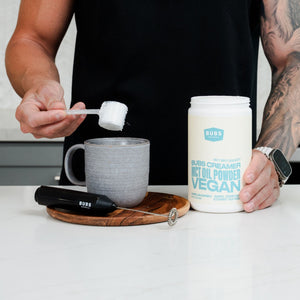
Once you have your goal, look at your calendar. Be ruthless with your time management. If you only have 30 minutes, three times a week, that is perfectly fine. A focused 30-minute session is infinitely better than a two-hour session you only attend once every three weeks. Consistency is the primary driver of results. When you know your "why" and your "when," the "how" becomes much easier to manage. To help stay focused during this planning phase, many of our community members start their morning with a boost of mental clarity by adding MCT Oil Creamer to their coffee. It’s a simple way to support cognitive function so you can plan your week with precision.
Choosing Your Weekly Workout Split
The "split" is simply how you divide your training focus across the days of the week. There is no one-size-fits-all answer here; the best split is the one you can stick to. However, there are a few foundational structures that have stood the test of time.
The Full-Body Split (3 Days per Week)
For beginners or those with very busy schedules, the full-body split is often the most effective. In this model, you hit every major muscle group in a single session, typically on Monday, Wednesday, and Friday. This allows for maximum recovery time between sessions, which is crucial when you are just starting. It also ensures that if you happen to miss a day, you haven't "missed" an entire muscle group for the week.
The Upper/Lower Split (4 Days per Week)
This is a favorite among intermediate trainees. You dedicate two days to upper-body movements (pushing and pulling) and two days to lower-body movements (squats, hinges, and lunges). For example, Monday and Thursday might be upper body, while Tuesday and Friday are lower body. This allows for a higher volume of work per muscle group while still providing ample rest.
The Push/Pull/Legs Split (3–6 Days per Week)
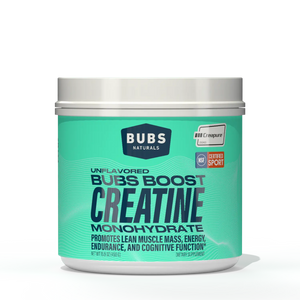
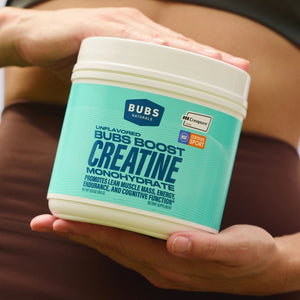
For those who want to dive deep into hypertrophy and strength, the PPL split is the gold standard. "Push" days focus on the chest, shoulders, and triceps. "Pull" days focus on the back and biceps. "Legs" are... well, legs. This split allows you to train each muscle group with high intensity. If you are training for peak performance, you might also consider adding Creatine Monohydrate to your daily routine. It’s one of the most researched supplements for supporting muscle strength and power, helping you get the most out of every "push" and "pull."
The Foundation of Strength: Compound Movements
When you are learning how to make weekly workout plan schedules, it is easy to get distracted by flashy "isolation" exercises—think bicep curls or calf raises. While these have their place, your program should be built around compound movements. These are exercises that involve multiple joints and muscle groups working in unison.
Think of compound movements as the "big rocks." If you fill your jar with big rocks first, you can fit the smaller pebbles (isolation exercises) and sand (cardio) around them. If you start with the sand, you’ll never have room for the rocks. The primary compound movements you should focus on include:
-
The Squat: Whether it’s a goblet squat with a kettlebell or a back squat with a barbell, this is the king of lower-body exercises.
-
The Hinge: Movements like the deadlift or kettlebell swing train the posterior chain—your hamstrings, glutes, and lower back.
-
The Push: This includes both horizontal pushes (like the push-up or bench press) and vertical pushes (like the overhead press).
-
The Pull: Think pull-ups, chin-ups, or various rowing movements. These are essential for posture and back strength.
-
The Carry: Picking up something heavy and walking with it (the farmer’s carry) is one of the most functional exercises you can do.
By focusing on these movements, you are training your body to move as a single, cohesive unit. This not only builds strength faster but also translates directly to real-world activities, like carrying groceries, hiking a trail, or lifting a child. Because these movements are demanding, supporting your connective tissues is paramount. This is where Collagen Peptides come into play. Collagen is the most abundant protein in the body and acts as the "glue" for your joints and ligaments. Taking it daily helps support the structural integrity of your body as you increase the weight on the bar.
Integrating Cardio Strategically
Cardiovascular health is non-negotiable for longevity and heart health, but many people make the mistake of overdoing it or doing it at the wrong time. If your goal is to build strength, you generally don't want to run a marathon right before you hit the squat rack. Instead, think about cardio in two categories: Low-Intensity Steady State (LISS) and High-Intensity Interval Training (HIIT).
LISS is things like walking, light cycling, or swimming at a pace where you could still hold a conversation. This is excellent for recovery and general health. We often recommend adding a 20-minute walk to your daily routine, regardless of your workout schedule. It clears the mind and keeps the blood flowing.
HIIT involves short bursts of maximum effort followed by recovery periods. This could be sprinting for 30 seconds followed by 90 seconds of walking. HIIT is incredibly efficient for improving VO2 max and burning calories in a short amount of time, but it is taxing on the central nervous system. Limit high-intensity sessions to one or two times per week to avoid burnout.
Regardless of which type of cardio you choose, staying hydrated is the key to performance. Our Hydrate or Die - Lemon electrolyte powder is designed to provide the essential minerals your body loses through sweat without the added sugar found in traditional sports drinks. Proper hydration ensures your heart doesn't have to work overtime and your muscles can continue to fire efficiently throughout your session.
Volume, Intensity, and Progressive Overload
Once you have your exercises and your split, you need to decide how much work to do. This is measured through "volume" (sets x reps) and "intensity" (how heavy the weight is).
For general strength and health, a common starting point is 2–3 sets of 8–12 repetitions for each exercise. If you are looking to build pure strength, you might lower the reps (3–5) and increase the weight. If you are looking for endurance, you might increase the reps (15–20) and lower the weight.
However, the most important concept to understand is Progressive Overload. Your body is an adaptive machine; it only changes when it is forced to deal with a stimulus it hasn't encountered before. If you lift the same 10-pound dumbbells for the same 10 reps every week for a year, your body has no reason to get stronger. You must gradually increase the challenge. This could mean:
- Adding more weight to the bar.
- Doing more repetitions with the same weight.
- Shortening your rest periods between sets.
- Improving your form and control.
To keep your immune system strong while you push these boundaries, consider adding Vitamin C to your daily supplement stack. Intense training can temporarily stress the immune system, and antioxidant support helps keep you in the game rather than on the sidelines with a cold.
The Pillars of Recovery: Rest and Nutrition
We like to say that you don't get stronger at the gym; you get stronger because of the gym. The actual growth and repair happen while you are sleeping and resting. If you don't prioritize recovery, your "perfect" weekly workout plan will eventually lead to injury or total burnout.
The Importance of Sleep
Sleep is the most potent performance enhancer known to man. During deep sleep, your body releases growth hormones and repairs the micro-tears in your muscles caused by exercise. Aim for 7–9 hours of quality sleep. If you are struggling to wind down, a consistent evening routine can help signal to your brain that it’s time to rest.
Active Recovery
On your "off" days, you shouldn't necessarily be sedentary. Active recovery—like gentle yoga, a light hike, or even a dedicated mobility session—helps flush out metabolic waste and keeps your joints moving through their full range of motion. This is also a great time to focus on gut health, which is the foundation of nutrient absorption. Our Apple Cider Vinegar Gummies are a convenient way to support digestion and overall wellness, making it easier for your body to process the proteins and nutrients it needs to rebuild.
Nutritional Support
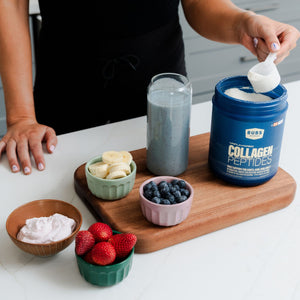
Training hard requires high-quality fuel. We advocate for a "whole foods first" approach—plenty of lean proteins, healthy fats, and complex carbohydrates. However, supplements can fill the gaps and provide a convenient way to meet your needs. Mixing a scoop of Collagen Peptides into your post-workout shake or morning coffee provides the amino acids (like glycine and proline) that are specifically needed for joint and tissue repair. Our collagen is grass-fed, pasture-raised, and rigorously tested, ensuring you get nothing but the best.
Mobility and Flexibility: Moving with Purpose
Mobility is often the first thing people skip when they are short on time, but it is the secret to longevity. Flexibility is the passive range of motion of a muscle (how far you can stretch), while mobility is the ability to actively move a joint through its intended range of motion.
Without proper mobility, your body will find "workarounds" to complete an exercise, often leading to poor form and eventual injury. For example, if your ankles are tight, you might lean too far forward during a squat, putting unnecessary stress on your lower back.
Spend 5–10 minutes before your workout doing dynamic movements—think arm circles, leg swings, and cat-cow stretches. Save the "static" stretching (holding a stretch for 30+ seconds) for after your workout when your muscles are warm. To further support your body's natural inflammatory response and overall mobility, ensure you are staying consistent with your Collagen Peptides. By providing the building blocks for healthy cartilage, you’re making an investment in your future self’s ability to move without restriction.
Flexibility of the Mind: The "Plan B" Workout
Life is unpredictable. Even with the best intentions, a late meeting, a sick child, or a travel delay can derail your scheduled session. This is where most people quit—they miss one day, feel like they’ve "failed," and give up entirely.
The secret to long-term success is mental flexibility. Have a "Plan B" workout ready to go. If you can’t make it to the gym for your 60-minute heavy lifting session, do a 15-minute bodyweight circuit in your living room. Push-ups, air squats, and planks require zero equipment and can be done anywhere.
At BUBS Naturals, we value the spirit of the "unconventional athlete." It’s not about having the perfect environment; it’s about doing the work regardless of the circumstances. If you're traveling, our MCT Oil Creamer – 14 ct Travel Pack makes it easy to maintain your routine on the road, providing the healthy fats you need for sustained energy and mental focus without having to hunt for a high-quality breakfast.
Tracking Progress and Staying Accountable
If you aren't tracking your workouts, you are essentially guessing. Keeping a workout log—whether in a physical notebook or a digital app—allows you to look back and see how far you've come. It also ensures you are adhering to the principle of progressive overload. If you see that you lifted 20-pound dumbbells last week, you know that this week you should aim for 22.5 pounds or an extra rep.
Accountability is also a powerful tool. This could be a workout partner, a coach, or simply a community of like-minded individuals. When you know someone is waiting for you, you’re much less likely to hit the snooze button.
This community aspect is a huge part of our "why." BUBS Naturals was founded to honor Glen “BUB” Doherty, and we carry his legacy forward by donating 10% of all our profits to veteran-focused charities. When you choose to fuel your body with our products, you aren't just helping yourself; you are contributing to a larger mission of support and gratitude for those who have served. This sense of purpose can be a massive motivator on the days when your energy is low.
Sample Weekly Workout Plans
To help you visualize how to make weekly workout plan structures, here are three examples based on different commitment levels.
The "Busy Professional" (3 Days - Full Body)
-
Monday: Squats (3x10), Push-ups (3xMax), Dumbbell Rows (3x12), Plank (3x45 sec).
-
Wednesday: Deadlifts (3x8), Overhead Press (3x10), Pull-ups or Lat Pulldowns (3x10), Lunges (3x12 per leg).
-
Friday: Kettlebell Swings (3x15), Bench Press (3x10), Goblet Squats (3x12), Face Pulls (3x15).
-
Every Day: 20-minute walk + Collagen Peptides.
The "Weekend Warrior" (4 Days - Upper/Lower)
-
Monday (Upper): Bench Press, Rows, Overhead Press, Bicep Curls.
-
Tuesday (Lower): Back Squats, Romanian Deadlifts, Leg Press, Calf Raises.
-
Thursday (Upper): Incline Press, Lat Pulldowns, Dips, Face Pulls.
-
Friday (Lower): Front Squats, Lunges, Leg Curls, Core work.
-
Saturday: 45-minute LISS (Hiking or Cycling) + Hydrate or Die - Lemon.
The "Advanced Adventurer" (5 Days - Push/Pull/Legs/Cardio)
-
Monday (Push): Heavy Bench, Shoulder Press, Tricep Extensions.
-
Tuesday (Pull): Deadlifts, Weighted Pull-ups, Barbell Rows, Hammer Curls.
-
Wednesday (Legs): Squats, Leg Extensions, Glute Bridges, Calf Raises.
-
Thursday (Active Recovery): Yoga + MCT Oil Creamer.
-
Friday (Full Body Functional): Farmer’s Carries, Kettlebell Swings, Burpees, Wall Sits.
-
Saturday (HIIT): Sprints or Row Intervals + Creatine Monohydrate.
Conclusion
Learning how to make weekly workout plan routines is a skill that pays dividends for a lifetime. By setting clear, SMART goals, choosing a split that fits your schedule, focusing on compound movements, and prioritizing recovery, you are building a foundation of health that will support every adventure you choose to pursue. Remember that consistency is more important than intensity. You don't need a "perfect" workout; you need a "completed" workout.
At the heart of every great physical endeavor is a commitment to quality. Whether it’s the quality of your movement or the quality of your nutrition, cutting corners only leads to diminished results. That’s why we take our "no-BS" approach so seriously. From our NSF for Sport certification to our simple, effective ingredients, we are here to provide the tools you need to excel. We encourage you to start small. Choose one of the splits we discussed, commit to it for four weeks, and see how you feel.
The path to wellness is a marathon, not a sprint. It’s about showing up, doing the work, and being part of a community that gives back. As you step into your new routine, we invite you to explore our Collagen Peptides and see the difference that high-quality, pasture-raised protein can make in your recovery and joint health. Here’s to your health, your adventure, and the legacy of doing good while feeling great.
FAQ
1. How many days a week should I work out to see results?
For most people, training 3 to 4 days per week is the "sweet spot." This frequency provides enough stimulus to trigger muscle growth and fat loss while allowing for ample recovery between sessions. Beginners often see incredible progress on a 3-day full-body split, while more intermediate trainees may prefer a 4-day upper/lower split to increase their training volume. Consistency over several months is the real key to seeing lasting changes.
2. Is it better to do cardio before or after my strength training?
If your primary goal is to get stronger or build muscle, it is generally recommended to perform your strength training first. This ensures you have the most energy and mental focus for your heavy lifts, reducing the risk of injury from fatigue. You can then follow your lifting session with a moderate cardio finish. If you are training for an endurance event like a marathon, you might prioritize your cardio sessions on separate days or at the beginning of your workout.
3. Do I really need supplements like collagen and creatine?
While it is possible to get nutrients from whole foods, supplements provide a convenient and concentrated way to support specific fitness goals. For example, Collagen Peptides offer the specific amino acids needed for joint and connective tissue repair that are often lacking in the modern diet. Similarly, Creatine Monohydrate is one of the most effective ways to support ATP production for explosive power. They are "tools" in your toolkit to help you perform and recover more efficiently.
4. What should I do if I feel too sore to work out?
Soreness, often called Delayed Onset Muscle Soreness (DOMS), is a normal part of starting a new routine. If the soreness is mild, "active recovery" like a light walk or some gentle stretching can actually help by increasing blood flow to the muscles. However, if the pain is sharp or prevents you from moving with proper form, it is best to take a rest day. Supporting your body with Hydrate or Die and quality sleep will help speed up the recovery process so you can get back to your plan.