Table of Contents
- Introduction
- Understanding the Basics: What is Creatine?
- How Creatine Powers Your Body: The Science of ATP
- Why Take It? Exploring the Use of Creatine Supplement
- Muscle Growth and Physical Performance
- Beyond the Gym: Cognitive and Brain Health
- Supporting Women’s Health and Healthy Aging
- The BUBS Approach: Quality and Clean Sourcing
- How to Take Creatine: Dosage, Timing, and Loading
- Complementing Your Routine: Synergistic Supplements
- Safety, Side Effects, and Common Myths
- A Legacy of Giving Back: The BUBS Mission
- Practical Scenarios: Creatine in Everyday Life
- Conclusion
- FAQ
Introduction
Did you know that creatine is one of the most researched molecules in the entire history of sports nutrition? With over 700 human studies and decades of data behind it, this simple compound has transitioned from a niche bodybuilding secret to a foundational pillar of modern wellness. Despite its popularity, many people are still asking themselves: what is the use of creatine supplement beyond just "getting big" at the gym? The reality is that creatine’s role in human physiology is far more sophisticated than just adding a few pounds to a bench press. It is a fundamental player in cellular energy production, brain health, and the maintenance of lean tissue as we age.
At BUBS Naturals, we believe in a life defined by adventure, wellness, and purpose. This philosophy is inspired by the legacy of Glen “BUB” Doherty—a Navy SEAL, adventurer, and friend who lived life to the fullest. We don’t believe in "BS" or filler-heavy products; we believe in simple, effective ingredients that help you stay in the game, whether that’s on the field, on a mountain, or in your daily life. Our Creatine Monohydrate is a direct reflection of this commitment, offering a single-ingredient, high-purity solution designed to support your body's natural functions.
In this article, we’ll dive deep into the science and practical application of creatine. You will learn how it works at a cellular level, why it is beneficial for everyone from elite athletes to aging adults, and how to integrate it into a balanced lifestyle. We will also explore the critical importance of third-party testing, the synergy between creatine and other supplements like Collagen Peptides, and how our "10% Rule" ensures that your wellness journey supports a greater cause. By the end of this guide, you will have a comprehensive understanding of why this supplement has earned its place on the shelf of virtually every serious health enthusiast.
Understanding the Basics: What is Creatine?
To understand the use of a creatine supplement, we first have to understand what it is. Creatine is a nitrogenous organic acid that occurs naturally in vertebrates. While it is often mistaken for a steroid or a synthetic laboratory creation, it is actually a compound our bodies produce every single day. It is synthesized primarily in the liver, kidneys, and pancreas from three specific amino acids: arginine, glycine, and methionine.
Roughly 95% of the body’s creatine is stored in skeletal muscle, while the remaining 5% is found in the brain, heart, and testes. This distribution isn't accidental; creatine is stored exactly where the demand for rapid energy is highest. In the muscle, it exists in two forms: free creatine and phosphocreatine (creatine phosphate). Phosphocreatine is the "rechargeable battery" of your cells, providing the chemical energy required to power muscle contractions and cognitive tasks.
While our bodies produce about one gram of creatine per day, we also obtain it through our diet. Red meat, seafood, and animal milks are the primary dietary sources. However, to get enough creatine to fully saturate your muscle stores—the state where you feel the most significant benefits—you would need to consume an impractical amount of steak or salmon daily. This is where supplementation becomes a game-changer. By using a clean Creatine Monohydrate, you can reach those saturation levels without the excess calories or digestive load of a high-meat diet.
How Creatine Powers Your Body: The Science of ATP
The primary answer to "what is the use of creatine supplement" lies in a molecule called Adenosine Triphosphate, or ATP. ATP is the universal currency of energy in every cell of your body. When you do anything—lift a weight, sprint for a bus, or even think a complex thought—your cells "spend" ATP by breaking off one of its three phosphate groups. This process releases energy and leaves behind a "spent" molecule called Adenosine Diphosphate (ADP).
The problem is that our cells only store enough ATP for a few seconds of high-intensity activity. To keep going, the cell must quickly turn ADP back into ATP. This is where creatine enters the scene. Phosphocreatine donates its phosphate group to the ADP molecule, instantly "recharging" it back into ATP. This cycle, known as the ATP-CP system, is the fastest way your body generates energy.
By supplementing with BUBS Creatine Monohydrate, you are essentially increasing your muscles’ reservoir of phosphocreatine. This allows you to sustain high-intensity efforts for just a little bit longer. It’s the difference between failing on the eighth rep of a set or pushing through to the tenth. Over weeks and months, those extra reps translate into more significant strength gains and better physical adaptations. This isn't just about "ego lifting"; it's about providing your cells with the resources they need to perform at their peak.
Why Take It? Exploring the Use of Creatine Supplement
We often get asked if creatine is only for bodybuilders. The short answer is a resounding "no." While the sports world was the first to embrace it, the applications of creatine have broadened significantly as our understanding of cellular health has evolved.
For athletes and fitness enthusiasts, the use is clear: improved performance in short-duration, high-intensity activities. This includes sprinting, weightlifting, CrossFit, and team sports like football or hockey. But beyond the gym, creatine serves as a potent support for general wellness. For vegetarians and vegans, who often have lower baseline levels of creatine due to the absence of meat in their diets, supplementation can provide a noticeable boost in both physical and mental energy.
Furthermore, we are seeing more research into the use of creatine for cognitive support. Because the brain is an energy-intensive organ, it relies heavily on the same ATP-CP system as our muscles. Studies suggest that creatine may help with tasks involving short-term memory and reasoning, particularly when the brain is under stress or sleep-deprived. This makes it a valuable tool for anyone living a high-performance, adventurous lifestyle—the kind of life Glen Doherty lived and that we strive to support.
Muscle Growth and Physical Performance
When people discuss the use of a creatine supplement, muscle growth is usually the first topic on the table. It’s important to clarify that creatine itself does not magically build muscle tissue. Instead, it creates the physiological environment that makes muscle growth more efficient.
First, as mentioned, it increases your work capacity. By allowing you to train harder and recover faster between sets, you provide a more significant stimulus for muscle hypertrophy. Second, creatine is "osmolytic," meaning it draws water into the muscle cells. This cellular swelling isn't just for show; it acts as a biological signal that triggers protein synthesis and reduces protein breakdown. This is why many people notice a slightly "fuller" look to their muscles shortly after starting a creatine regimen.
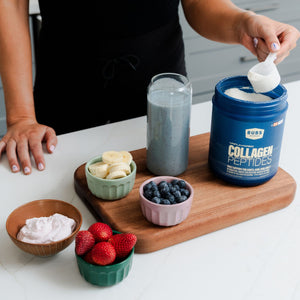
To maximize these physical benefits, many of our community members pair their creatine with products from our Collagen Peptides Collection. While creatine supports the energy within the muscle, collagen provides the structural building blocks for the tendons, ligaments, and connective tissues that hold everything together. This "inside-out" approach ensures that as your muscles get stronger, your joints and connective tissues are supported to handle the increased load. It’s a holistic way to maintain an active lifestyle and prevent the "wear and tear" that often sidelines us.
Beyond the Gym: Cognitive and Brain Health
The use of creatine as a "nootropic" or brain-booster is one of the most exciting areas of modern nutritional science. Your brain consumes about 20% of your body's total energy, despite making up only 2% of its weight. During periods of high cognitive demand—like a long day at the office, a complex tactical mission, or a grueling study session—the brain’s ATP levels can dip.
Supplementing with Creatine Monohydrate helps maintain those levels, potentially improving mental clarity and reducing fatigue. Some studies have shown that it can be particularly effective for people who are sleep-deprived. If you’ve ever had to "power through" on four hours of sleep, you know how heavy that mental fog can feel. Creatine may help your brain cells maintain their energy balance even when you aren't at your best.
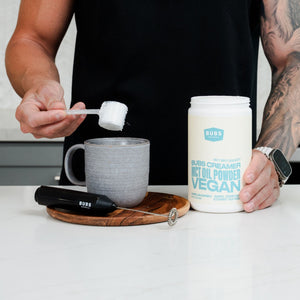
This focus on mental resilience is a core part of the BUBS mission. Whether you are navigating a mountain trail or a boardroom, mental sharpness is just as critical as physical strength. To further support this cognitive edge, many in the BUBS family start their day by adding our MCT Oil Creamer to their morning coffee. The medium-chain triglycerides provide a quick source of ketone energy for the brain, which, when combined with the ATP-support of creatine, creates a powerful foundation for mental performance.
Supporting Women’s Health and Healthy Aging
There is a persistent myth that creatine is a "man’s supplement." This couldn't be further from the truth. In fact, women may find specific benefits from creatine that are particularly relevant to their biology and lifestyle. Research suggests that women’s creatine levels fluctuate during the menstrual cycle and decline during and after menopause. Supplementation can help offset these shifts, supporting mood, bone health, and the maintenance of lean muscle mass.
As we all age, we face a natural decline in muscle mass and strength, a condition known as sarcopenia. This isn't just about aesthetics; muscle mass is a primary predictor of longevity, metabolic health, and independence in our later years. The use of creatine, when combined with resistance training, is one of the most effective strategies for countering this age-related decline.
Furthermore, creatine may play a role in bone health. By supporting the activity of osteoblasts (the cells that build bone), creatine helps maintain skeletal integrity. For those of us focused on "aging gracefully" while remaining capable of big adventures, this is a vital benefit. We recommend pairing creatine with our Vitamin C to support natural collagen formation, which is essential for both bone matrix and skin elasticity. It’s all about creating a robust, resilient body that can stand the test of time.
The BUBS Approach: Quality and Clean Sourcing
Not all supplements are created equal. The supplement industry is often a "wild west" of proprietary blends, hidden fillers, and questionable sourcing. At BUBS Naturals, we take a different path. Our approach is "no-BS"—simple, effective, and rigorously tested.
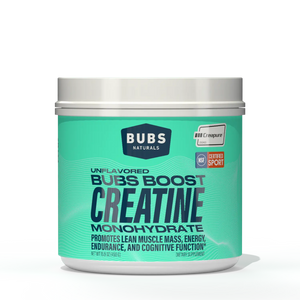
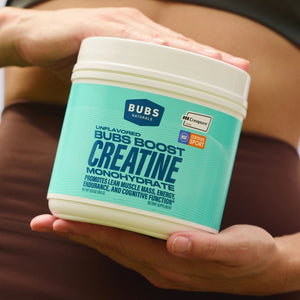
When you look at the use of a creatine supplement, the form matters. We use only 100% pure Micronized Creatine Monohydrate. Why monohydrate? Because it is the most studied, most bioavailable, and most effective form of creatine available. While other companies might push "Creatine HCL" or "Buffered Creatine" at a higher price point, the science consistently shows that monohydrate is the gold standard. Our micronized version has a smaller particle size, meaning it mixes effortlessly and is easier on the digestive system.
Quality also means safety. Our Creatine Monohydrate is NSF for Sport certified. This is one of the most rigorous third-party certifications in the world, ensuring that the product is free from over 280 banned substances and that what is on the label is exactly what is in the bag. This is why professional athletes, members of the special operations community, and health-conscious parents trust BUBS. We hold our products to the same high standards that Glen "BUB" Doherty held for himself.
How to Take Creatine: Dosage, Timing, and Loading
One of the best things about creatine is how simple it is to use. You don't need a complicated protocol to see results. The standard "maintenance" dose is 3 to 5 grams per day—which is exactly one scoop of our Creatine Monohydrate.
There is often a debate about whether you need a "loading phase." A loading phase typically involves taking 20 grams of creatine daily (split into four doses) for 5 to 7 days to saturate your muscles quickly. While this gets you to the "benefit zone" faster, it isn't strictly necessary. If you simply take 5 grams a day, your muscles will reach full saturation in about three to four weeks. Many people prefer the slower route because it minimizes the chance of initial water retention or minor stomach upset.
Timing is also less critical than consistency. Whether you take it in the morning with your coffee and Butter MCT Oil Creamer, or post-workout with your protein shake, the goal is simply to keep your stores topped off. The most important thing is to take it every single day, even on rest days. Consistency is what allows the phosphocreatine levels in your muscles and brain to stay elevated, providing you with that constant "ready for anything" energy.
Complementing Your Routine: Synergistic Supplements
While creatine is a powerhouse on its own, it works best when it is part of a well-rounded nutritional strategy. Think of your body as a high-performance vehicle; creatine is the fuel additive that gives you extra power, but you still need the right oil, tires, and structural maintenance to keep the car on the road.
Hydration is the most critical partner for creatine. Because creatine draws water into your muscle cells, you need to ensure you are providing your body with enough fluids and electrolytes to maintain overall balance. Our Hydrate or Die - Lemon formula is designed for this exact purpose. It provides the essential electrolytes—sodium, potassium, and magnesium—without any added sugar, ensuring that the water you drink actually gets to where it needs to go.
For digestive health and overall metabolic support, many of our customers also incorporate our Apple Cider Vinegar Gummies into their daily routine. ACV has been used for centuries to support digestion and general wellness. When your digestion is functioning optimally, you are better able to absorb all the nutrients and supplements you are taking, including your creatine. By layering these simple, clean products, you create a synergistic effect that supports your lifestyle from multiple angles.
Safety, Side Effects, and Common Myths
Despite the overwhelming evidence in its favor, myths about creatine persist. We’ve heard them all: "It’s bad for your kidneys," "It’s a steroid," "It makes you lose your hair." Let’s set the record straight based on the current scientific consensus.
For healthy individuals, long-term creatine use has been shown time and again to be safe. It is not a steroid; it has no effect on your hormonal balance. The concern regarding kidneys usually stems from a misunderstanding of "creatinine," a byproduct of creatine metabolism that doctors measure to check kidney function. While taking creatine can slightly raise your creatinine levels, this does not mean your kidneys are under stress; it simply means there is more creatine being processed. However, if you have a pre-existing kidney condition, you should always consult with your healthcare provider before starting any new supplement.
As for water retention, it is real but often misunderstood. Creatine causes intracellular water retention (inside the muscle), not extracellular water retention (the "bloated" look). This is actually a positive thing for muscle health. Regarding hair loss, the evidence is incredibly thin, based on a single 2009 study that has never been successfully replicated. In the decades since, hundreds of studies have failed to find a link between creatine and baldness. At BUBS, we prioritize facts over fear-mongering. We use these products ourselves, and we stand behind their safety and efficacy.
A Legacy of Giving Back: The BUBS Mission
At the heart of BUBS Naturals is something bigger than just supplements. We are a mission-driven company. Everything we do is a tribute to Glen “BUB” Doherty, a hero who lost his life in Benghazi, Libya, in 2012. Glen was a man who lived with intensity, curiosity, and a deep commitment to his friends and country. He was the personification of the "Self-Actualized Man"—someone who worked hard, played hard, and always looked out for those around him.
Our commitment to our community is solidified in our 10% Rule. We donate 10% of all our profits to veteran-focused charities, including the Glen Doherty Memorial Foundation. When you choose BUBS Creatine Monohydrate, you aren't just investing in your own health; you are helping to provide scholarships and transition assistance to those who have served our country.
This sense of purpose is why we refuse to compromise on quality. We know that our customers—whether they are active-duty military, first responders, athletes, or weekend warriors—rely on us to provide products that work. We take that responsibility seriously. Every tub of creatine, every stick pack of Hydrate or Die - Mixed Berry, and every scoop of collagen is a piece of that legacy.
Practical Scenarios: Creatine in Everyday Life
How does all this look in practice? Let’s look at a day in the life of someone using the BUBS system to support their adventure-ready lifestyle.
The Morning Ritual: You wake up and start your day with a focused mind. You brew your favorite coffee and stir in a scoop of MCT Oil Creamer – 10 oz Tub. While the coffee brews, you take your Apple Cider Vinegar Gummies to kickstart your digestive system.
The Mid-Day Workout: Before heading to the gym or out for a run, you mix a scoop of Creatine Monohydrate with your pre-workout or simply into your water. During your session, you sip on Hydrate or Die - Bundle to keep your energy and electrolyte levels high. You feel that extra "push" during your last few sets, knowing your ATP stores are fully saturated.
Recovery and Longevity: Post-workout, you prioritize structural repair. You add a scoop of Collagen Peptides to your recovery shake to support your joints and skin. You also take your Vitamin C to aid in that collagen synthesis and provide antioxidant support against the stress of exercise.
By the end of the day, you’ve supported your energy, your brain, your muscles, and your joints. You’ve used clean, third-party-tested ingredients that align with your values. That is the power of a well-integrated wellness routine.
Conclusion
Understanding the use of a creatine supplement is the first step toward optimizing your physical and mental potential. Far from being a "meathead" supplement, creatine is a versatile, safe, and highly effective tool for anyone looking to live a more vibrant and capable life. From boosting ATP production for explosive power to supporting cognitive function and healthy aging, its benefits are wide-ranging and backed by a mountain of evidence.
We have explored the cellular mechanics of phosphocreatine, the importance of monohydrate purity, and the way creatine fits into a holistic wellness framework alongside Hydrate or Die and Collagen Peptides. We also reaffirmed our commitment to quality through NSF for Sport certification and our dedication to the legacy of Glen "BUB" Doherty.
If you are ready to experience the BUBS difference, the next step is simple. Integrate our Creatine Monohydrate into your daily routine. Whether you are looking to break a personal record, stay sharp at work, or simply ensure your body remains resilient as you age, we are here to support your journey. One scoop, once a day—it’s that easy. Join us in living a life of adventure, wellness, and purpose.
FAQ
1. Is it necessary to do a loading phase when I start taking creatine?
While a loading phase (20 grams per day for about a week) can help you saturate your muscle stores more quickly, it is not strictly necessary. Taking a steady maintenance dose of 3 to 5 grams of Creatine Monohydrate every day will lead to the same saturation levels within three to four weeks. Many people choose the maintenance approach to avoid potential minor bloating or stomach sensitivity that can sometimes occur with higher doses.
2. Can I take creatine if I don't exercise every day?
Yes, you should continue taking creatine even on your rest days. The goal of supplementation is to keep your muscle and brain stores of phosphocreatine fully saturated. If you skip days, those levels will slowly begin to decline. To maintain the full benefits for cognitive function and physical readiness, consistency is key. We recommend making it a permanent part of your morning or post-workout routine, just like taking your Vitamin C or daily electrolytes.
3. Does creatine cause dehydration or muscle cramps?
The idea that creatine causes dehydration or cramping is a common misconception. In fact, because creatine draws water into the muscle cells, it can actually help with thermoregulation and hydration status within the muscle. However, because your muscles are holding more water, your overall need for fluids may increase slightly. This is why we always recommend pairing your Creatine Monohydrate with a high-quality electrolyte drink like Hydrate or Die - Lemon to ensure your body stays perfectly balanced.
4. What is the difference between BUBS Creatine and other brands found in stores?
The main differences are purity, mixability, and purpose. Our Creatine Monohydrate is a single-ingredient, micronized powder that is NSF for Sport certified, ensuring it is free of contaminants and banned substances. Unlike many brands that use cheap fillers or unproven "advanced" forms of creatine, we stick to the gold-standard monohydrate. Finally, every purchase of BUBS supports our 10% Rule, meaning your wellness journey directly contributes to helping veterans through the Glen Doherty Memorial Foundation.