Table of Contents
- Introduction
- What is Creatine and Why Does It Matter for Women?
- How Much Creatine Does a Woman Need Daily?
- The Impact of the Menstrual Cycle on Creatine Needs
- Creatine for Perimenopause and Menopause
- The Cognitive and Mental Health Connection
- Practical Tips for Starting Your Creatine Routine
- Busting the Most Common Creatine Myths for Women
- The BUBS Difference: Why Quality and Mission Matter
- Conclusion
- FAQ
Introduction
Did you know that women naturally have 70% to 80% lower endogenous creatine stores than men? Despite this significant biological gap, creatine has long been marketed almost exclusively to male bodybuilders, leaving a vast majority of women wondering if this powerhouse molecule has any place in their own wellness routines. For decades, the "gym bro" stigma surrounding creatine has overshadowed the scientific reality: creatine is one of the most well-researched, safe, and effective supplements for supporting female physiology across every stage of life. From the fluctuating hormones of the menstrual cycle to the metabolic shifts of menopause, the question isn't just about "bulking up"—it’s about how we fuel the very currency of our cellular energy.
At BUBS Naturals, our mission is rooted in the legacy of Glen “BUB” Doherty, a man who lived a life of adventure, purpose, and peak performance. We believe that everyone deserves access to clean, science-backed nutrition that supports an active lifestyle. Whether you are a professional athlete, a busy professional, or a grandmother looking to maintain her independence and strength, understanding the nuances of your body’s energy needs is vital. In this guide, we are going to dive deep into the science of creatine for women, exploring not just the "why," but the specific "how much."
By the end of this article, you will understand exactly how much creatine a woman needs daily, how that dosage might shift based on your age and activity level, and why this simple amino acid derivative is a cornerstone for muscle, bone, and brain health. We will cover the specific biological differences between men and women regarding creatine storage, the impact of the menstrual cycle on energy availability, and how creatine can serve as a vital tool during the transition through perimenopause and menopause. Most importantly, we’ll cut through the noise of common myths—like the fear of "bulking" or bloating—to provide you with a clear, actionable plan for integrating this supplement into your life. Together, let’s explore why our Creatine Monohydrate is becoming a staple for women who refuse to settle for anything less than their best.
What is Creatine and Why Does It Matter for Women?
To understand why a specific daily dose is necessary, we first have to understand what creatine actually does. Creatine is a naturally occurring compound synthesized in the liver, kidneys, and pancreas from three amino acids: arginine, glycine, and methionine. While our bodies produce about half of what we need, the rest typically comes from our diet—specifically red meat and seafood. Once inside the body, about 95% of creatine is stored in the skeletal muscle as phosphocreatine (PCr).
The magic of creatine lies in its relationship with Adenosine Triphosphate, or ATP. Think of ATP as the "energy currency" of your cells. Every time you blink, walk, or lift a grocery bag, your cells "spend" ATP. However, your cells only store a tiny amount of ATP at any given time—just enough for a few seconds of high-intensity effort. Once that ATP is spent, it turns into Adenosine Diphosphate (ADP). This is where creatine steps in. The phosphocreatine stored in your muscles donates a phosphate group to that "spent" ADP, rapidly recycling it back into usable ATP.
For women, this recycling process is crucial. Because women naturally store less creatine than men, we often hit a performance ceiling sooner during high-intensity activities. Furthermore, dietary trends show that women often consume less red meat than their male counterparts, further widening the gap in available creatine stores. This is precisely why we developed our Creatine Monohydrate. By supplementing with a clean, NSF for Sport certified product, we can help bridge that gap, ensuring that our muscles and brains have the energetic support they need to thrive.
How Much Creatine Does a Woman Need Daily?
When determining the ideal dosage, the scientific consensus for women generally lands between 3 to 5 grams per day. This dosage is widely considered the "sweet spot" for maintaining saturated muscle stores while minimizing any potential for minor side effects like digestive discomfort or temporary water retention.
The Maintenance Approach
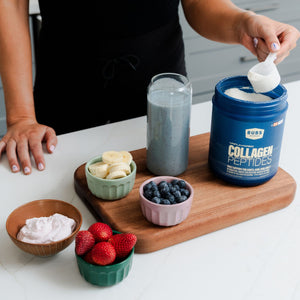
For most women, taking 5 grams of Creatine Monohydrate once a day is the simplest and most effective strategy. This "maintenance" dose will typically saturate your muscle stores within three to four weeks. The beauty of this approach is its simplicity—one scoop, mixed into your morning coffee or a post-workout shake, and you're done. Many of our community members like to pair their creatine with a scoop of Collagen Peptides to support both their energy production and their joint and skin health simultaneously.
The Loading Phase: Is It Necessary?
You may have heard of a "loading phase," which involves taking roughly 20 grams of creatine per day (divided into four doses) for five to seven days, followed by the standard 5-gram maintenance dose. The goal of loading is to saturate the muscles as quickly as possible—usually within a week.
While effective, many women find the loading phase unnecessary and sometimes even a bit overwhelming for the digestive system. For women, the rapid influx of creatine during a loading phase is more likely to cause minor, temporary water weight gain as the creatine draws water into the muscle cells. If you aren't in a rush to see results for a specific athletic competition, we usually recommend skipping the load and sticking to a steady 3 to 5 grams daily. Consistency is the real key to success here.
Individual Factors in Dosing
While 3 to 5 grams is the standard, certain factors might influence where you fall on that spectrum:
-
Body Mass: Smaller women or those with lower muscle mass might find that 3 grams is more than sufficient.
-
Dietary Choices: If you follow a vegan or vegetarian diet, your natural intake of creatine is likely near zero. In these cases, staying on the higher end (5 grams) is often beneficial to reach full saturation.
-
Activity Level: High-intensity athletes, such as CrossFitters or sprinters, may require the full 5 grams to support frequent, explosive energy demands.
Regardless of where you fall, the most important thing is that the creatine is high quality. We take immense pride in the purity of our supplements. By choosing BUBS, you're not just getting a supplement; you're supporting a legacy that gives back, with 10% of all profits going to veteran-focused charities.
The Impact of the Menstrual Cycle on Creatine Needs
One of the most overlooked aspects of female wellness is how our hormonal fluctuations impact our nutritional requirements. The menstrual cycle is not just about reproduction; it’s a master regulator of our bioenergetics. Research suggests that creatine kinetics—how our bodies process and use creatine—change throughout the cycle.
The Luteal Phase and Protein Breakdown
During the luteal phase (the time between ovulation and your period), estrogen and progesterone are at their peak. Studies have shown that protein catabolism (the breakdown of protein) tends to increase during this phase. This can lead to feelings of reduced strength or slower recovery times during your workouts. Creatine can act as a metabolic buffer during this time, helping to support muscle protein kinetics and potentially offsetting some of the performance dips women often feel right before their period.
Estrogen and Creatine Kinase
Estrogen appears to influence the activity of creatine kinase, the enzyme responsible for the ATP-recycling reaction. When estrogen levels are low—such as during the early follicular phase (when your period starts)—creatine levels and enzyme activity may also be lower. Supplementing with Creatine Monohydrate ensures that regardless of where your hormones are, your cells have a consistent, reliable energy pool to draw from.
To support your body through these monthly shifts, we also recommend staying on top of your hydration. Our Hydrate or Die - Lemon electrolyte powder is a fantastic companion to creatine, as it helps maintain the fluid balance necessary for creatine to work effectively within the muscle cells.
Creatine for Perimenopause and Menopause
As women transition into perimenopause and eventually post-menopause, the biological landscape changes significantly. The decline in estrogen leads to several challenges: a decrease in muscle mass (sarcopenia), a reduction in bone mineral density, and a potential increase in systemic inflammation. This is perhaps the life stage where creatine becomes most essential.
Fighting Muscle Loss
Muscle mass is metabolically active tissue. When we lose muscle, our metabolism slows down, making weight management more difficult. More importantly, losing muscle affects our strength and balance as we age. Research has shown that post-menopausal women who combine resistance training with creatine supplementation see greater improvements in lean muscle mass and upper-body strength compared to those who only exercise. It's not about becoming a bodybuilder; it's about maintaining the "engine" that keeps your body moving and burning calories efficiently.
Bone Health: A Critical Concern
Osteoporosis is a major health risk for women, with one in two women over age 50 likely to experience a fracture. While calcium and vitamin D are the traditional recommendations, creatine is emerging as a powerful ally for bone health. Bone is a living tissue that requires energy to remodel and stay strong. Some studies suggest that creatine may directly support the activity of osteoblasts (the cells that build bone) and improve the structural integrity of the bone matrix when paired with weight-bearing exercise.
During this stage of life, many women also find that their digestion needs a little extra support. Integrating our Apple Cider Vinegar Gummies into your daily routine can be a simple way to support overall digestive wellness, ensuring that you're getting the most out of your nutrient-dense diet and supplements.
The Cognitive and Mental Health Connection
While creatine is famous for its physical benefits, its role in the brain is arguably just as significant. The brain is an energy hog—it accounts for only about 2% of your body weight but consumes roughly 20% of your total energy. Just like your muscles, your brain uses the creatine-phosphate system to keep its energy levels stable.
Brain Fog and Mental Fatigue
Many women report "brain fog" during various life stages, whether it’s due to sleep deprivation (hello, new parents!), the menstrual cycle, or the menopause transition. Supplementing with creatine has been shown to improve performance on tasks that require focus, memory, and quick thinking, especially when the brain is under stress or fatigued. It’s like giving your brain an extra battery pack when you’re running on fumes.
Supporting Emotional Wellness
Emerging research has explored the link between brain energy levels and mood. There is evidence to suggest that women, who experience higher rates of depression and anxiety than men, may benefit from the "pro-energetic" environment that creatine creates in the brain. By supporting the energetic demands of neurotransmitter production and cellular maintenance, creatine may play a role in supporting overall emotional resilience and cognitive health.
To further support your mental clarity, consider mixing your daily creatine with our MCT Oil Creamer. MCTs (Medium Chain Triglycerides) provide a rapid source of ketone energy for the brain, which, when combined with the ATP-recycling power of creatine, creates a powerful duo for mental performance.
Practical Tips for Starting Your Creatine Routine
Now that we’ve established that most women need about 3 to 5 grams daily, let's talk about the best way to make this a habit. We’re big believers in the "one scoop" philosophy—wellness doesn't have to be complicated to be effective.
When Should You Take It?
The short answer: whenever you will remember it. While some studies suggest a slight advantage to taking creatine post-workout (when your muscles are most primed for nutrient uptake), the most important factor is cumulative saturation. Whether you take it with your breakfast, in your pre-workout, or right before bed, the key is not missing a day.
How to Mix It
One of the best things about our Creatine Monohydrate is how easily it dissolves. It is virtually tasteless and odorless. You can mix it into:
- Your morning coffee (it won't change the flavor!)
- A post-workout smoothie
- A glass of water with a squeeze of lemon or our Vitamin C powder
- Oatmeal or yogurt
Hydration is Key
Creatine works by drawing water into your muscle cells. This is a good thing—it's what helps with protein synthesis and cellular health—but it means you need to increase your overall water intake. If you find yourself feeling a little thirsty or notice your muscles feel "tight," it’s a signal to drink more water. We recommend keeping a bottle of Hydrate or Die - Mixed Berry nearby to ensure your electrolyte balance stays optimal as your body adapts to the supplement.
Busting the Most Common Creatine Myths for Women
Even with all the evidence, we know there are still some lingering fears. Let's address them head-on with a "no-BS" approach.
"Will it make me look bulky?"
This is the number one concern for women, and the answer is a resounding no. Building significant muscle bulk requires high levels of testosterone and a massive caloric surplus. Creatine provides the energy to work harder, but it doesn't magically turn you into a bodybuilder. Instead, it helps you build lean, functional muscle that supports your metabolism and gives you that "toned" look that many women are actually seeking.
"Will it cause bloating?"
"Bloating" is a bit of a misnomer when it comes to creatine. What some people experience is an increase in intracellular water retention—meaning the water goes inside the muscle cell, not under the skin or in your digestive tract. This makes your muscles look fuller and more hydrated, which is a positive physiological state. Most women find that by sticking to the 3 to 5 gram dose and avoiding the loading phase, they experience little to no noticeable "bloating."
"Is it a steroid?"
Absolutely not. Creatine is not a hormone or a synthetic drug. It is a naturally occurring compound that your body already produces and that you eat in your diet. It is one of the safest, most studied supplements in history, with a safety profile that rivals most vitamins.
"Will I lose my progress if I stop?"
If you stop taking creatine, your muscle stores will slowly return to their baseline levels over about four to six weeks. You won't "shrivel up" or lose all your strength overnight. However, you may notice that your recovery feels a bit slower and your high-intensity energy isn't quite what it was while supplementing.
The BUBS Difference: Why Quality and Mission Matter
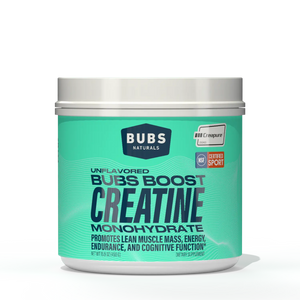
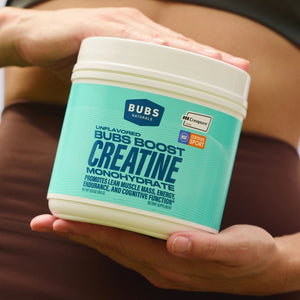
When we talk about wellness, we’re talking about more than just a number on a scale or a PR in the gym. We’re talking about a lifestyle that honors the body and the community. That’s why we are so meticulous about our sourcing. Our Creatine Monohydrate is 100% pure, with no fillers, flavorings, or hidden additives. It’s NSF for Sport certified, meaning it’s been rigorously tested for quality and purity—a standard that professional athletes trust and that we believe every woman deserves.
But beyond the bottle, choosing BUBS means you’re participating in something bigger. Every purchase supports the Glen Doherty Memorial Foundation. Glen was more than just a Navy SEAL; he was a friend, a brother, and an inspiration to live life to the fullest. By donating 10% of our profits to veteran-focused charities, we ensure that his legacy of service and adventure continues. When you take that scoop of creatine, you're not just fueling your own journey; you're helping us give back to those who have served.
Conclusion
Understanding how much creatine a woman needs daily is about more than just a dosage—it’s about empowering yourself with the tools to live a more vibrant, energetic, and purposeful life. We’ve seen that for most women, a simple, consistent dose of 3 to 5 grams of high-quality Creatine Monohydrate is the key to supporting muscle strength, bone density, cognitive clarity, and hormonal balance.
Whether you're looking to enhance your athletic performance, navigate the changes of menopause with grace, or simply want to feel more "on" during your busy workdays, creatine is a scientifically proven ally. By integrating it into a holistic routine—perhaps alongside your Collagen Peptides and proper hydration—you are setting the stage for long-term health and resilience.
We invite you to experience the BUBS difference for yourself. Our "no-BS" approach means you get exactly what you need and nothing you don't. Start your journey toward better energy and wellness today. Explore our Creatine Monohydrate and see how one simple scoop can help you live with the same spirit of adventure and purpose that Glen "BUB" Doherty lived every day. Together, we can fuel your evolution.
FAQ
Can I take creatine if I don't exercise regularly?
Yes, you can. While creatine is most famous for its athletic benefits, its role in brain health and bone density makes it valuable even for those who aren't "athletes" in the traditional sense. It supports cellular energy throughout the body. However, for the best results in muscle and bone health, pairing it with some form of resistance or weight-bearing exercise is highly recommended.
Will creatine interfere with my other supplements or medications?
Creatine is generally very safe and does not have known interactions with most common vitamins or wellness supplements like our Vitamin C or Collagen Peptides. However, if you have pre-existing kidney disease or are taking medications that affect kidney function, it is essential to speak with your healthcare provider before starting any new supplement.
Is it better to take creatine in the morning or at night?
Timing is much less important than consistency. Some people prefer taking it in the morning with their coffee and MCT Oil Creamer to help them remember, while others like it in a post-workout shake. Choose the time that fits most naturally into your schedule so that you don't miss your daily dose.
How long does it take to see results from taking 5 grams a day?
If you choose the 5-gram daily maintenance dose without a loading phase, it usually takes about three to four weeks for your muscle stores to become fully saturated. You might start noticing subtle changes in your recovery and energy levels after the first two weeks, but the full benefits for strength and cognitive support typically manifest after a month of consistent use.