Table of Contents
- Introduction
- The Biological Blueprint: What is Creatine?
- The Energy Currency: How Creatine Works in Our Body
- Beyond the Muscle: Creatine and Cognitive Function
- Supporting an Active Lifestyle: Strength, Power, and Recovery
- Healthy Aging and the Battle Against Sarcopenia
- The Science of Supplementation: Loading vs. Maintenance
- Quality and Purity: The BUBS No-BS Approach
- Daily Rituals: Integrating Creatine into Your Routine
- Addressing Common Myths and Safety Concerns
- Conclusion
- FAQ
Introduction
If you were to step into any high-performance training facility or peek into the gym bags of world-class athletes, you would likely find one supplement in common: creatine. For decades, it was the "secret weapon" of bodybuilders and sprinters, tucked away in locker rooms and spoken of in hushed tones of "loading phases" and "massive gains." Today, however, the narrative has shifted. We are seeing a renaissance in nutritional science that places creatine not just in the hands of the elite athlete, but in the daily routines of weekend warriors, busy professionals, and those seeking to age with vitality. It is perhaps the most rigorously studied nutritional supplement in history, with thousands of peer-reviewed papers documenting its safety and efficacy. But despite its popularity, a fundamental question remains for many: how exactly does it work once it enters your system?
At BUBS Naturals, we believe that understanding the "why" behind your wellness routine is just as important as the routine itself. Our mission is rooted in the legacy of Glen “BUB” Doherty—a Navy SEAL, an adventurer, and a man who lived with a relentless focus on being prepared for anything. In that spirit of preparation, we advocate for clean, functional, and science-backed nutrition. We don't believe in fillers or "BS" ingredients; we believe in simple, effective tools that support your body’s natural functions. When we talk about how creatine works in our body, we aren't just talking about bigger muscles. We are talking about the very foundation of cellular energy, cognitive resilience, and the ability to recover so you can get back to the adventure.
In this exploration, we will dive deep into the biological blueprint of creatine. We’ll examine the ATP-ADP cycle, the way your brain utilizes phosphocreatine for mental clarity, and why this simple molecule is essential for healthy aging. By the end of this article, you will have a comprehensive understanding of how Creatine Monohydrate serves as a backup generator for your cells, providing the "quick burst" energy needed for life’s most demanding moments. Whether you’re looking to shave seconds off your sprint or simply want to maintain your cognitive edge as the years pass, the science of creatine offers a roadmap for optimization.
The Biological Blueprint: What is Creatine?
To understand how creatine works in our body, we must first define what it actually is. Contrary to some persistent myths, creatine is not a steroid, nor is it a lab-created drug. It is a naturally occurring nitrogenous organic acid, classified within the family of guanidine phosphagens. Your body is already a creatine-producing machine. Every day, your liver, kidneys, and pancreas work in tandem to synthesize about one gram of creatine from three specific amino acids: arginine, glycine, and methionine.
Think of these amino acids as the raw materials. Through a two-step enzymatic process involving enzymes called AGAT and GAMT, your body builds the creatine molecule, which is then transported through the blood to the tissues that need it most. About 95% of your body’s creatine is stored in your skeletal muscles, while the remaining 5% is found in the brain, heart, and testes.
While our bodies are capable of making creatine, we also obtain it through our diet. Red meat, seafood, and animal milk are the primary dietary sources. However, the amount we get from food is often quite small—usually around one gram per day for an average omnivore. For vegetarians and vegans, dietary intake is virtually zero, which is why those following plant-based diets often see the most significant benefits when they begin supplementing.
The challenge lies in the "saturation" of our muscles. On a standard diet, our muscle creatine stores are typically only about 60% to 80% full. This leaves a significant gap in our potential energy capacity. By utilizing a high-quality Creatine Monohydrate, we can top off those stores to 100%, providing our cells with a deeper reservoir of fuel to draw from during times of high metabolic stress.
The Energy Currency: How Creatine Works in Our Body
The core of creatine’s magic lies in its relationship with Adenosine Triphosphate, or ATP. In the world of biology, ATP is known as the "universal energy currency." Every move you make—from a heavy deadlift to a simple blink of an eye—requires ATP.
However, there is a catch: your body can only store enough ATP for about 8 to 10 seconds of high-intensity activity. Once that ATP is used, it loses a phosphate group and becomes Adenosine Diphosphate (ADP). ADP is essentially "spent" energy; it cannot be used to power further muscle contractions on its own. To keep moving at a high intensity, your body needs to "recharge" that ADP back into ATP as quickly as possible.
This is where the phosphocreatine system (also known as the ATP-CP system) comes into play. When you ingest Creatine Monohydrate, your body converts it into phosphocreatine and stores it in your muscles. Phosphocreatine carries a high-energy phosphate molecule that it is more than happy to "donate" to the spent ADP.
As soon as your ATP levels drop during a sprint or a heavy set of squats, the enzyme creatine kinase facilitates the transfer of the phosphate from your stored phosphocreatine directly to the ADP. This reaction happens almost instantaneously, relighting the cellular "matchstick" and allowing you to maintain peak power for a few extra seconds. While it might not sound like much, those few seconds are the difference between finishing a set with perfect form or failing halfway through. This is why we say that creatine doesn't just "give" you energy; it manages your energy more efficiently.
Beyond the Muscle: Creatine and Cognitive Function
While the fitness world has long focused on the neck-down benefits of creatine, the scientific community is increasingly excited about what happens from the neck up. The brain is an incredibly metabolically active organ. Despite making up only about 2% of your body weight, it consumes roughly 20% of your daily energy. Just like your muscles, your brain relies on ATP to function, and it requires a constant, steady supply to maintain focus, memory, and cognitive processing.
Recent research suggests that how creatine works in our body extends significantly to neuroprotection and mental performance. In the brain, phosphocreatine acts as a buffer, ensuring that even during periods of high mental demand—such as solving a complex problem or dealing with sleep deprivation—the brain has the ATP it needs to stay sharp.
For those of us living active, high-stress lives, mental fatigue can be just as debilitating as physical exhaustion. We’ve found that supplementing with Creatine Monohydrate can support short-term memory and reasoning, particularly in older adults or those who may be under-recovering.
Furthermore, because vegetarians don't get creatine from their diet, studies have shown that they often experience a more pronounced cognitive boost from supplementation. It’s a powerful reminder that our "no-BS" approach to wellness isn't just about physical strength; it's about providing the brain with the clean fuel it needs to navigate the complexities of modern life. When you pair your morning creatine with a scoop of our MCT Oil Creamer in your coffee, you’re creating a dual-threat for mental clarity: fast-acting ketones from the MCTs and long-term energy buffering from the creatine.
Supporting an Active Lifestyle: Strength, Power, and Recovery
We often talk about the "BUBS difference"—a commitment to products that actually work and mix effortlessly into your life. When it comes to performance, the benefits of creatine are tangible. It is widely considered the most effective supplement for increasing high-intensity exercise capacity and lean body mass.
But how does it actually translate to your workout?
-
Increased Workload: Because you can regenerate ATP faster, you can perform more total work in a session. This might mean getting 12 reps instead of 10, or completing one more interval on the rower. Over weeks and months, this increased volume leads to greater adaptations in strength and muscle size.
-
Cell Signaling: Creatine has been shown to improve satellite cell signaling, which helps your body repair and grow new muscle tissue more effectively.
-
Reduced Protein Breakdown: Some evidence suggests that creatine may help slow down the rate at which your body breaks down muscle protein, making it an excellent tool for those in a calorie deficit or those engaging in high-volume training.
-
Cellular Hydration: One of the most immediate effects of creatine is that it draws water into the muscle cells. This isn't "bloating" in the traditional sense; it’s intracellular hydration. This increased water content makes the muscles appear fuller and creates a more favorable environment for muscle growth and protein synthesis.
To maximize these recovery benefits, we often recommend stacking your creatine with other functional nutrients. For example, staying hydrated is crucial because creatine alters how your body manages water. Adding Hydrate or Die - Mixed Berry to your routine ensures that you have the essential electrolytes needed to support muscle contraction and fluid balance.
Healthy Aging and the Battle Against Sarcopenia
One of the most meaningful ways we can honor Glen’s legacy is by helping people stay "in the game" as they age. One of the greatest challenges we face as we grow older is sarcopenia—the natural, age-related loss of muscle mass and strength. This isn't just an aesthetic concern; muscle is the "organ of longevity." It protects our bones, regulates our metabolism, and ensures we maintain the mobility required for a life of adventure.
The research on how creatine works in our body as we age is incredibly promising. Studies show that when older adults combine Creatine Monohydrate with resistance training, they see significantly greater improvements in muscle mass and bone mineral density compared to those who only lift weights.
For women, especially those in the post-menopausal stage, creatine can be a game-changer. As estrogen levels decline, the risk for bone loss and muscle wasting increases. Creatine helps support the metabolic health of these tissues, providing a layer of protection that goes beyond simple protein intake.
We view creatine as a foundational piece of the longevity puzzle. When paired with Collagen Peptides to support joint health and connective tissue, creatine provides the muscular support needed to keep hiking, skiing, and moving with purpose well into your 60s, 70s, and beyond. It’s about more than just surviving; it’s about thriving and remaining capable of whatever the next chapter brings.
The Science of Supplementation: Loading vs. Maintenance
When people first start exploring creatine, they often get bogged down in the logistics. Do you need to "load"? Is timing critical? Does it need to be taken with sugar?
The beauty of our Creatine Monohydrate is its simplicity. It is a single-ingredient, pharmaceutical-grade powder that dissolves completely. You don't need fancy delivery systems or added sugars to make it work.
The Loading Phase
A traditional "loading phase" involves taking about 20 grams of creatine per day (split into four 5-gram doses) for five to seven days. This is the fastest way to fully saturate your muscle stores. While effective, some people find that this high dose can cause mild digestive upset or bloating.
The Maintenance Phase
If you’re not in a rush, you can simply take 3 to 5 grams per day. This approach will still get you to full saturation; it just takes about 28 days to get there. Once your muscles are saturated, the goal is simply to maintain those levels. Since your body breaks down about 1% to 2% of its creatine stores every day through natural movement and activity, a daily scoop of BUBS Creatine ensures that the "tank" remains full.
Timing
There is much debate about taking creatine before or after a workout. While some studies suggest a slight advantage to taking it post-workout when your muscles are primed for nutrient uptake, the most important factor is consistency. Because creatine works by building up a total pool in your muscles, it doesn't matter as much when you take it, as long as you take it every day. Whether it’s in your morning coffee with our Butter MCT Oil Creamer or in your post-adventure shake, consistency is the key to unlocking the results.
Quality and Purity: The BUBS No-BS Approach
We know that the supplement industry can sometimes feel like the Wild West. That’s why we take our testing and sourcing so seriously. When you choose Creatine Monohydrate from BUBS Naturals, you are getting a product that is NSF for Sport certified. This means it has been rigorously tested by a third party to ensure it contains exactly what is on the label and is free from over 280 banned substances.
For us, quality is a matter of integrity. Our products are inspired by a man who lived by a code of excellence, and we strive to bring that same excellence to your kitchen counter. We don't use "blends" or proprietary formulas that hide the actual dosages. We give you exactly what works—nothing more, nothing less.
Furthermore, our commitment to the community is woven into every tub we sell. Our 10% Rule—our pledge to donate 10% of all profits to veteran-focused charities—means that your pursuit of wellness is also supporting the transition and health of those who have served. When you invest in your health with BUBS, you are also investing in a legacy of service and purpose.
Daily Rituals: Integrating Creatine into Your Routine
The best supplement is the one you actually remember to take. We’ve designed our products to be as versatile as possible so they can seamlessly fit into your existing habits.
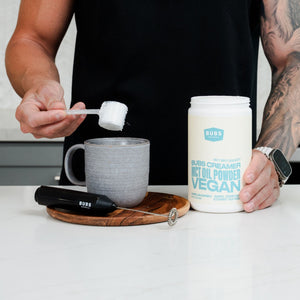
Many of our community members start their day with a "Power Coffee." They mix a scoop of Collagen Peptides for joint and gut support, a scoop of MCT Oil Creamer for mental focus, and 5 grams of Creatine Monohydrate. Because our creatine is micronized and unflavored, it doesn't change the taste or texture of your favorite brew.
During the day, you might support your immune system and overall vitality with our Vitamin C capsules or a couple of Apple Cider Vinegar Gummies. These small habits stack up over time, creating a foundation of resilience that allows you to say "yes" to the next spontaneous hike or challenging workout.
Remember, creatine isn't just for the days you hit the gym. On rest days, your body is working hard to repair tissue and replenish energy stores. Continuing your creatine intake on these days is vital for maintaining saturation and ensuring you’re ready for the next day’s demands.
Addressing Common Myths and Safety Concerns
With popularity comes misinformation. Let's set the record straight on a few common concerns about how creatine works in our body.
"Creatine is hard on the kidneys."
For healthy individuals, this is simply not supported by the evidence. The myth likely stems from the fact that creatine breakdown results in a byproduct called creatinine, which is measured in blood tests to assess kidney function. If you take creatine, your creatinine levels may be slightly elevated, but this is a result of the supplement, not an indication of kidney damage. However, we always recommend that anyone with pre-existing kidney conditions consult with a healthcare professional before starting any new supplement.
"It makes you gain fat."
Creatine has zero calories. Any initial weight gain is almost entirely due to the water it draws into your muscle cells. This is a positive sign that the supplement is working! In the long run, by helping you train harder and build more muscle, creatine can actually support a leaner body composition.
"It causes hair loss."
This concern often traces back to a single study from 2009 involving rugby players, which showed an increase in DHT (a hormone linked to hair loss). However, that study has never been replicated, and dozens of other trials have found no link between creatine and hair loss.
"It causes cramping and dehydration."
In reality, studies of athletes in high-heat environments have found that those using creatine actually had fewer instances of cramping and better hydration levels because of the water-retaining properties of the muscle cells. When you pair it with a solid electrolyte routine like Hydrate or Die - Lemon, you are providing your body with the ultimate hydration defense.
Conclusion
Understanding how creatine works in our body reveals a fascinating picture of cellular efficiency and resilience. It is more than just a tool for strength; it is a fundamental supporter of the ATP cycle, a buffer for cognitive stress, and a vital ally in the pursuit of healthy aging. By donating phosphate groups to recharge our cellular "batteries," creatine allows us to push a little harder, recover a little faster, and maintain our edge in every theater of life.
At BUBS Naturals, we are proud to offer a Creatine Monohydrate that reflects our core values: purity, efficacy, and purpose. We believe that when you fuel your body with clean, science-backed ingredients, you unlock the freedom to live a life of adventure. Whether you are scaling a mountain, navigating a high-stakes meeting, or simply playing with your grandkids, the "quick burst" energy provided by creatine is there to support you.
The science is clear: creatine is safe, effective, and beneficial for almost everyone, regardless of age or athletic ability. It’s a simple addition to your daily routine that yields profound long-term results. We invite you to experience the BUBS difference for yourself. Top off your stores, support your brain, and protect your muscle mass as you age. Together, let’s keep moving forward, honoring the legacy of those who lived with purpose, and ensuring that our bodies are always ready for the next great adventure.
Ready to feel the difference? Explore our Creatine Monohydrate and see how this powerful molecule can support your wellness journey today.
FAQ
Is creatine a type of steroid or hormone?
Absolutely not. Creatine is a naturally occurring compound made from amino acids (arginine, glycine, and methionine) that your body produces every day. It is not a hormone or a steroid, and it does not affect your body's natural testosterone levels. It works solely by helping your cells produce energy (ATP) more efficiently. Our Creatine Monohydrate is NSF for Sport certified, ensuring it is a clean and safe addition to your routine.
Can women take creatine without getting "bulky"?
Yes, women can—and should—consider taking creatine! The "bulky" look is generally a result of specific heavy lifting programs and calorie surpluses, not creatine itself. For women, creatine supports lean muscle maintenance, bone density, and cognitive health. It is especially beneficial during the post-menopausal years to help combat age-related muscle loss. Many women find it fits perfectly into their wellness routine alongside Collagen Peptides.
Do I need to do a loading phase when I start?
A loading phase (20g per day for 5-7 days) is the fastest way to see results, but it is not mandatory. If you prefer a more gradual approach, taking 3-5g of Creatine Monohydrate daily will fully saturate your muscles within about four weeks. Both methods lead to the same end result; it simply depends on how quickly you want to reach peak saturation.
Should I take creatine on my rest days?
Yes, consistency is key when it comes to creatine. To keep your muscle stores fully saturated, you should take your 3-5g dose every single day, including days when you don't exercise. This ensures that your "backup generator" is always ready for your next workout or adventure. Many people find it easiest to remember by mixing it into their daily coffee or morning smoothie with our MCT Oil Creamer.