Table of Contents
- Introduction
- What Is Creatine and Why Do Our Bodies Need It?
- The Science of Water Retention: Bloat vs. Intracellular Hydration
- Why Women specifically Benefit from Creatine
- How to Avoid Bloating While Supplementing
- The Vital Importance of Hydration
- Breaking Down the "Bulky" Myth
- Quality and Purity: The BUBS Standard
- Creating Your Personalized Supplement Protocol
- The Long-Term Outlook: Creatine and Healthy Aging
- Why the Scale Isn't the Whole Story
- Empowering Your Wellness Journey
- Summary of Key Takeaways
- FAQ
Introduction
In the world of fitness and wellness, women have long been told to shrink, to eat less, and to avoid anything that might make them look "bulky" or "puffy." For decades, one of the most effective, research-backed supplements on the planet—creatine—was relegated to the locker rooms of bodybuilders and elite male athletes. But the landscape is shifting. As we dive deeper into the science of female physiology, we are discovering that women may actually have the most to gain from this simple, natural compound. Yet, a single question continues to hold many back: does creatine make women bloated?
This fear of the "bloat" is perhaps the greatest barrier preventing women from accessing a tool that supports everything from lean muscle preservation to cognitive clarity. At BUBS Naturals, we believe in a life defined by adventure, wellness, and purpose. We carry the legacy of Glen “BUB” Doherty, a Navy SEAL, adventurer, and dedicated friend who lived with a "no-BS" approach to health. It is in that spirit that we want to strip away the myths and provide you with the cold, hard science.
By the end of this article, you will understand exactly how creatine works in the female body, why the "bloat" is often a misunderstanding of how your cells store energy, and how you can integrate our Creatine Monohydrate into your routine without the unwanted side effects. We are going to explore the physiological differences between men and women, the impact of creatine on hormonal health, and the best ways to support your body's natural functions through clean, science-backed supplementation. Whether you are a marathon runner, a weekend hiker, or someone simply looking to stay sharp and strong as you age, it’s time to look at the evidence.
What Is Creatine and Why Do Our Bodies Need It?
To understand whether creatine causes bloating, we first have to understand what it actually is. Creatine is not a steroid, nor is it a lab-created stimulant. It is a nitrogenous organic acid that occurs naturally in vertebrates. In humans, it is produced by the liver, kidneys, and pancreas from three specific amino acids: arginine, glycine, and methionine. Most of the creatine in your body—about 95%—is stored in your skeletal muscles in the form of phosphocreatine.
The primary role of creatine is the production of adenosine triphosphate, or ATP. Think of ATP as the universal currency of energy for your cells. When you perform a short burst of intense activity—like sprinting for a bus, lifting a heavy grocery bag, or powering through a set of squats—your body burns through ATP rapidly. Creatine steps in as a "backup battery," donating a phosphate molecule to replenish that ATP, allowing your muscles to keep working at a high level.
For women, this process is particularly significant. Statistically, women often have lower natural creatine stores than men. This is due to several factors, including typically having less muscle mass and, in many cases, lower dietary intake of creatine-rich foods like red meat and fish. Because our baseline is often lower, our bodies are frequently more responsive to supplementation. When we talk about feeling the "BUBS difference," we are talking about filling those gaps with the highest quality, pure ingredients to ensure your "battery" is always charged.
The Science of Water Retention: Bloat vs. Intracellular Hydration
When people ask, "does creatine make women bloated?" they are usually referring to a specific type of puffiness—that uncomfortable, heavy feeling in the stomach or the "soft" look under the skin. To answer this, we have to distinguish between extracellular bloating and intracellular hydration.
The chemical nature of creatine is osmotic, meaning it draws water toward it. When you supplement with Creatine Monohydrate, your muscle cells begin to store more phosphocreatine. Naturally, water follows that creatine into the muscle cell. This is called intracellular water retention. This is actually a positive physiological state. Properly hydrated muscle cells are more resilient, recover faster, and support a more efficient metabolic rate.
However, "bloating" as most people define it is extracellular—water sitting outside the cells, often in the digestive tract or just under the skin. This kind of bloat is rarely caused by creatine itself but rather by how people take it. In the early days of supplement research, the "loading phase" was the gold standard. This involved taking 20 to 25 grams of creatine per day for a week to saturate the muscles quickly. For many women, that massive influx of powder can lead to digestive distress and temporary water retention outside the muscle, which creates that "puffy" feeling.
The good news? You don’t have to do it that way. By skipping the loading phase and sticking to a consistent, smaller dose, most women can completely avoid the sensation of bloating while still reaping every single benefit of the supplement.
Why Women specifically Benefit from Creatine
We live in a world where "wellness" is often marketed as a series of subtractions—eat less, weigh less, be less. But true wellness is about what you add to your life to make it more vibrant. Creatine is one of those essential additions.
Muscle Preservation and the Fight Against Sarcopenia
As we age, women are at a higher risk for sarcopenia, which is the natural loss of muscle mass and strength. This process can begin as early as our 30s and accelerates significantly during and after menopause. Muscle is not just about aesthetics; it is an active endocrine organ that helps regulate blood sugar, supports bone density, and keeps our metabolism humming. Supplementing with Creatine Monohydrate supports the body's ability to maintain and build that lean tissue, ensuring we stay strong and capable for a lifetime of adventure.
Cognitive Health and Mental Clarity
Your brain is one of the most energy-demanding organs in your body. It uses a massive amount of ATP to maintain focus, process information, and manage mood. Research has shown that creatine supplementation can support cognitive function, particularly in tasks that require speed and mental endurance. For women juggling careers, families, and personal goals, that extra "mental fuel" can be a game-changer. It’s about more than just physical strength; it’s about the mental resilience to tackle whatever the day throws at you.
Support During Hormonal Transitions
Hormonal shifts throughout the menstrual cycle, perimenopause, and menopause can affect energy levels and muscle protein synthesis. Estrogen plays a role in how our bodies use creatine. When estrogen levels drop during the luteal phase or during menopause, our natural ability to produce and utilize energy can take a hit. Supplementing with creatine helps bridge that gap, providing a stable energy source that isn't as susceptible to the whims of our hormones.
How to Avoid Bloating While Supplementing
If you're ready to start but still worried about your jeans feeling a little tight, there are several practical steps you can take to ensure your experience is smooth and bloat-free.
First and foremost, skip the loading phase. You do not need to take 20 grams a day. Research shows that taking 3 to 5 grams of Creatine Monohydrate daily will lead to full muscle saturation within three to four weeks. While it takes slightly longer than a loading phase, it is much gentler on the digestive system and significantly reduces the chance of any water weight gain.
Secondly, look at the quality of the product. Many lower-grade supplements contain fillers or are not finely milled, making them harder for the body to dissolve and absorb. This can lead to the powder sitting in the gut, drawing water into the intestines, and causing discomfort. Our Creatine Monohydrate is a single-ingredient, high-purity powder that mixes easily into any liquid, ensuring it gets where it needs to go without the "gut rot."
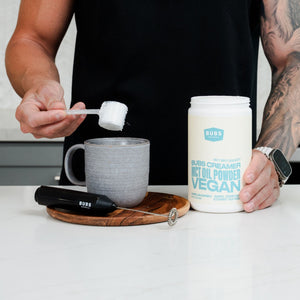
Finally, timing and pairing are key. We often recommend taking your creatine with a meal or a protein shake. For many of us at BUBS, that means stirring a scoop into our morning coffee along with our MCT Oil Creamer. The healthy fats in the MCT oil provide a sustained energy source, while the creatine prepares your muscles and brain for the day ahead. This ritual isn't just about nutrition; it's about setting an intention for wellness and performance from the moment you wake up.
The Vital Importance of Hydration
It might seem counterintuitive to drink more water when you’re worried about water retention, but hydration is the key to preventing bloat. Because creatine draws water into the muscle cells, your overall need for fluid increases. If you aren't drinking enough, your body may actually hold onto water extracellularly as a survival mechanism, leading to that puffy feeling.
We always say that if you’re going to perform, you have to Hydrate or Die. When using creatine, it is essential to support your system with electrolytes that help move water across cell membranes efficiently. Our Hydrate or Die – Lemon formula is designed to provide the precise balance of minerals needed to keep your cells hydrated and your muscles functioning at their peak.
By pairing your creatine with proper hydration, you aren't just avoiding bloat; you're optimizing your entire metabolic environment. Proper hydration helps flush out waste products, supports skin elasticity, and ensures that the nutrients you're taking in—like our Collagen Peptides—can be effectively transported to your joints and tissues.
Breaking Down the "Bulky" Myth
Aside from the bloat, the fear of "getting too big" is the second most common reason women shy away from creatine. Let’s be very clear: women do not have the testosterone levels necessary to build massive, bodybuilder-style muscles simply by taking a supplement.
What creatine does is provide the energy to work a little bit harder during your training. Whether you're lifting weights, practicing yoga, or running trails, that extra bit of energy allows for more "quality" movement. This leads to increased muscle tone and a leaner physique, but it does not cause accidental bulk. In fact, because muscle is more metabolically active than fat, having more muscle can help you maintain a healthy weight more easily.
Think of creatine as a support system for your existing goals. It doesn't change who you are; it just helps you be the strongest version of yourself. If you’re worried about recovery or joint health while increasing your activity, adding Collagen Peptides to your routine can help support the connective tissues that keep you moving. We believe in a holistic approach to wellness—simple, effective ingredients that work together to support an active life.
Quality and Purity: The BUBS Standard
In an industry often filled with "BS" ingredients and "proprietary blends," we take a different path. We know that what you put into your body matters, which is why we are committed to the highest standards of testing. Our products are NSF for Sport certified, which is one of the most rigorous third-party testing certifications available. This ensures that what is on the label is exactly what is in the tub—no banned substances, no hidden fillers, and no heavy metals.
When you choose BUBS, you're not just buying a supplement; you're joining a mission. We are dedicated to the 10% Rule: donating 10% of all our profits to veteran-focused charities. This commitment is at the heart of everything we do, honoring the legacy of Glen “BUB” Doherty by giving back to the community he loved. We believe that wellness should have a purpose beyond ourselves. When you feel better and perform better, you’re in a better position to help others and live a life of contribution.
This dedication to quality extends to every product in our lineup. For those looking for a daily wellness boost, our Apple Cider Vinegar Gummies offer a convenient way to support digestion and metabolic health without the harsh taste of liquid vinegar. And for a daily dose of antioxidant support, our Vitamin C capsules provide 500 mg of this essential nutrient to help with collagen formation and immune function.
Creating Your Personalized Supplement Protocol
Every woman’s body is unique, and your supplement routine should reflect your specific lifestyle and goals. However, a "foundation" of clean, functional ingredients can benefit almost everyone.
A typical day for many in our community starts with a focus on energy and clarity. A scoop of MCT Oil Creamer in your coffee provides those brain-boosting fats to kickstart your morning. Around your workout, whether it's a morning run or an evening lifting session, 5 grams of Creatine Monohydrate provides the ATP support you need to push through.
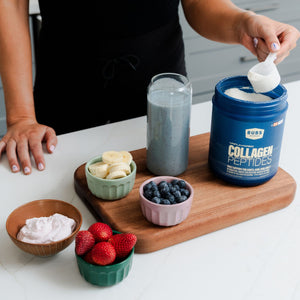
Post-workout or throughout the day, focusing on recovery is essential. Mixing Collagen Peptides into a smoothie or even just a glass of water supports your joints, skin, and hair. And of course, staying on top of your electrolytes with Hydrate or Die ensures that all these nutrients are being processed and utilized effectively by your cells.
This isn't about taking a handful of pills and hoping for the best. It’s about choosing a few, high-quality "staples" that support your body’s natural processes. It’s the "One scoop. Feel the difference" philosophy. By keeping it simple and focusing on ingredients that are backed by science and tested for purity, you can remove the guesswork and focus on what really matters: living your life to the fullest.
The Long-Term Outlook: Creatine and Healthy Aging
If we look past the immediate concerns of "does creatine make women bloated," we see a supplement that is a powerhouse for long-term health. For women, the journey through menopause and into the later years of life presents unique challenges for physical and cognitive health. Creatine is emerging as one of the most promising tools for navigating these transitions.
Studies have suggested that creatine, when combined with resistance training, can help improve bone mineral density in postmenopausal women. This is a critical finding, as osteoporosis and bone fractures are significant health risks for women as they age. By supporting the muscle tissue that surrounds and protects our bones, and by potentially influencing the bone-building cells themselves, creatine offers a multi-faceted approach to longevity.
Furthermore, the cognitive benefits we discussed earlier become even more vital as we age. Protecting brain energy metabolism is a key component of maintaining independence and quality of life. At BUBS, we are committed to providing you with the tools to stay in the game, no matter your age. Our mission is to support your adventure, whether that adventure is climbing a mountain or being active and present with your grandchildren.
Why the Scale Isn't the Whole Story
One reason the myth of "creatine bloat" persists is our cultural obsession with the number on the scale. When you start taking Creatine Monohydrate, you might see the scale go up by one to three pounds in the first week. For many women, this triggers an immediate panic response.
However, it is essential to understand what that weight represents. It is not fat. It is water being stored inside your muscle cells—where you want it. This increase in intracellular volume is a sign that the supplement is working. It means your muscles are becoming more hydrated and better equipped to produce energy. Over time, as you are able to train more effectively, you will likely see changes in your body composition—more lean muscle and less body fat—even if the number on the scale stays the same or goes up slightly.
We encourage you to move away from the scale as your primary metric of success. How do your clothes fit? How are your energy levels? Are you getting stronger in your workouts? Are you recovering faster? These are much better indicators of your health and progress than a single number that can't distinguish between fat, muscle, and water.
Empowering Your Wellness Journey
At the end of the day, the decision to supplement with creatine is about empowering yourself. It’s about deciding that you deserve to have the energy, strength, and mental clarity to pursue your passions. The "bloat" is a temporary, avoidable side effect of improper dosing, not an inherent quality of the supplement itself.
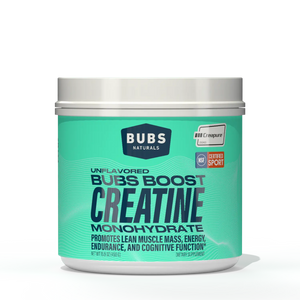
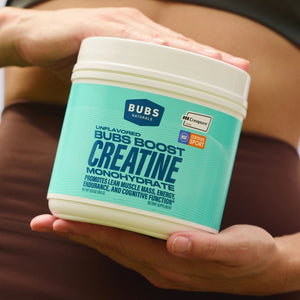
By choosing a high-quality, pure product like our Creatine Monohydrate and following a sensible, consistent dosing schedule, you can unlock a world of benefits that have been overlooked by women for far too long. We are here to support you every step of the way, with products that are as clean as they are effective.
Our story is one of resilience and giving back. When you choose BUBS, you’re carrying on the legacy of a man who believed in living life to its absolute fullest. Glen Doherty didn't do anything halfway, and neither do we. We don't use fillers, we don't hide behind proprietary blends, and we don't make promises we can't keep. We just provide simple, great-tasting, functional nutrition that helps you do what you love, longer.
We invite you to experience the difference for yourself. Start with a small, daily dose. Stay hydrated. Focus on your strength. And remember that wellness isn't a destination—it's the fuel for your next adventure. Together, we can redefine what it means to be a strong, healthy woman in a world that often tries to tell us otherwise.
Summary of Key Takeaways
To recap what we’ve covered, the concern about whether creatine makes women bloated is largely a misunderstanding of how the supplement affects water distribution in the body. While a "loading phase" of high doses can cause temporary digestive discomfort and extracellular water retention, a daily maintenance dose of 3 to 5 grams of pure Creatine Monohydrate avoids these issues for most people.
The "weight gain" seen on the scale is typically intracellular water—essential hydration that lives inside your muscle cells to support energy production and recovery. Beyond just muscle, women stand to gain significant benefits in brain health, hormonal balance, and bone density preservation, particularly during and after menopause.
The key to a successful experience with creatine lies in three simple pillars:
-
Purity: Choose a product that is third-party tested and free of fillers.
-
Consistency: Skip the loading phase and take a steady 3-5 gram dose daily.
-
Hydration: Support your body’s increased fluid needs with high-quality electrolytes like Hydrate or Die.
As you move forward, let your goals be your guide. Don't let outdated myths or the fear of a small shift on the scale keep you from a supplement that is one of the most researched and effective tools in the wellness world. You are built for adventure, for strength, and for purpose. It’s time to fuel your body accordingly.
Explore our full range of wellness supports, from our Collagen Peptides Collection for total body integrity to our MCT Oil Creamer for mental focus. We are proud to be a part of your journey, and we can't wait to see where your strength takes you.
FAQ
Does creatine cause weight gain in women?
Supplementing with creatine may cause a slight increase in weight, typically between one to three pounds, but this is almost exclusively due to water being drawn into the muscle cells. This is known as intracellular hydration and is not the same as gaining body fat. In the long term, creatine can help you build lean muscle mass, which may actually support a leaner body composition and a healthier metabolism.
How much creatine should a woman take daily?
For most women, a daily dose of 3 to 5 grams of Creatine Monohydrate is sufficient to maintain optimal muscle stores and experience the full range of physical and cognitive benefits. While some people choose to "load" with 20 grams a day for the first week, this is not necessary and is the most common cause of digestive upset and bloating. Consistency over time is more important than a high initial dose.
Can I take creatine if I don’t lift heavy weights?
Absolutely. While creatine is famous for its performance-enhancing benefits in the gym, its role in ATP production benefits all cells, including those in the brain. Many women use creatine to support cognitive function, mental clarity, and energy levels throughout the day. It is also beneficial for those who engage in endurance sports like running or cycling, as it aids in recovery and muscle preservation.
Is it safe to take creatine every day?
Yes, creatine is one of the most extensively researched dietary supplements in history, with hundreds of studies confirming its safety for long-term use in healthy individuals. It is a natural compound that your body already produces and uses every day. For the best results and to ensure long-term wellness, we recommend choosing a high-quality, NSF for Sport certified product like our Creatine Monohydrate and maintaining proper hydration with products like Hydrate or Die.