Table of Contents
- Introduction
- What Exactly is Creatine?
- Addressing the Safety Concerns: Is It Safe for Your Kidneys?
- Debunking the Steroid Myth
- Water Retention vs. Bloating: Setting the Record Straight
- The Broad Spectrum of Benefits: More Than Just Muscle
- How to Take Creatine Safely and Effectively
- Quality Matters: The BUBS Difference
- Integrating Creatine Into Your Lifestyle
- The 10% Rule: Wellness with Purpose
- Long-Term Safety: What the Experts Say
- Conclusion
- FAQ
Introduction
Did you know that creatine is one of the most rigorously studied nutritional supplements in the history of sports science, with over 500 peer-reviewed publications examining its effects? Despite this mountain of evidence, a cloud of myth and misinformation continues to hover over it. You might have heard whispers in the gym that it’s "basically a steroid," or perhaps you’ve seen concerns online about its impact on your kidneys. At BUBS Naturals, we believe that clarity is the foundation of wellness. Our mission is built on the legacy of Glen “BUB” Doherty—a man who lived for adventure and peak performance—and we honor that legacy by providing clean, science-backed information that cuts through the noise.
The purpose of this post is to provide a definitive answer to a question we hear constantly: is it safe to use creatine supplements? Whether you are an elite athlete looking for that extra edge in power, an aging adult seeking to maintain muscle mass, or a vegetarian looking to fill nutritional gaps, understanding the safety profile of creatine is essential. Throughout this article, we will dive deep into the biological mechanisms of creatine, debunk the most common myths regarding its safety, explore its benefits for both the body and the brain, and provide practical advice on how to integrate it into your daily routine.
By the end of this discussion, you’ll have a comprehensive understanding of why we stand behind this powerhouse ingredient and how it fits into a lifestyle of purpose and performance. We’ll cover everything from the "loading phase" debate to the importance of third-party certifications like NSF for Sport. We’re here to help you make informed decisions so you can feel the BUBS difference in every rep and every mental challenge you face. Let’s explore the science, the safety, and the story behind one of nature's most effective performance boosters.
What Exactly is Creatine?
To understand if it is safe to use creatine supplements, we first need to understand what creatine actually is. Contrary to popular belief, creatine is not a lab-created drug or a hormone; it is a nitrogenous organic acid that occurs naturally in the human body. It is synthesized primarily in the liver and kidneys from three specific amino acids: arginine, glycine, and methionine. Once produced, about 95% of the body’s creatine is stored in skeletal muscle, while the remaining 5% is distributed in the brain and other tissues.
In the world of biochemistry, creatine plays a starring role in energy production. When you perform high-intensity, short-duration tasks—like sprinting for a bus or hitting a heavy set of squats—your muscles require an immediate source of energy called adenosine triphosphate (ATP). However, your cells only store enough ATP for a few seconds of work. This is where creatine comes in. It is stored in the muscle as phosphocreatine, which serves as a "backup battery" that quickly donates a phosphate group to turn used-up ADP back into functional ATP.
While our bodies produce about one gram of creatine per day, we also obtain it through our diet. Red meat, seafood, and animal milk are the primary dietary sources. However, to get the performance-enhancing doses found in our Creatine Monohydrate, you would have to consume an impractical amount of steak or fish. This gap between what our bodies produce and the levels required for optimal performance is why supplementation has become a cornerstone of modern wellness.
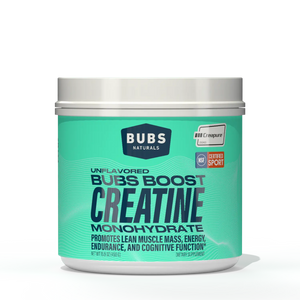
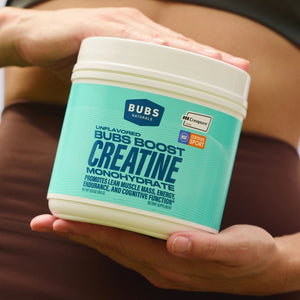
At BUBS Naturals, we focus on the "no-BS" approach. Our Creatine Monohydrate is a single-ingredient powerhouse designed to support your body's natural energy systems without the fillers or artificial additives found in many "pre-workout blends." By keeping the ingredient list simple, we ensure that you are fueling your body with exactly what it needs for strength and power.
Addressing the Safety Concerns: Is It Safe for Your Kidneys?
The most persistent myth regarding creatine is that it causes kidney damage or renal dysfunction. This concern typically stems from a misunderstanding of how doctors measure kidney health. When you take a blood test, physicians often look at "creatinine" levels. Creatinine is a waste product of creatine metabolism. Because someone taking a supplement like Creatine Monohydrate has more creatine in their system, their blood creatinine levels may be slightly higher than average.
However, research has repeatedly shown that in healthy individuals, these elevated levels are simply a byproduct of the supplement and do not indicate that the kidneys are being harmed. Multiple long-term studies, some lasting up to five years, have found no evidence of adverse effects on kidney function in people who follow recommended dosages.
That said, our grounded approach to wellness means we always prioritize safety. If you have a pre-existing kidney condition or are taking medications that affect renal function, you should absolutely consult with your healthcare provider before starting any new supplement. For the vast majority of healthy, active individuals, creatine is considered one of the safest and most well-tolerated supplements available on the market today.
We take safety a step further at BUBS. We know that for many of our customers—including the veterans and athletes we support—purity is paramount. That’s why we ensure our products are rigorously tested. When you choose BUBS, you aren't just getting a supplement; you're getting peace of mind.
Debunking the Steroid Myth
Another common hurdle people face when asking "is it safe to use creatine supplements?" is the misconception that creatine is an anabolic steroid. This couldn't be further from the truth. Anabolic steroids are synthetic versions of testosterone, which are Class C, Schedule III controlled substances. They work by entering the cell nucleus and changing how your DNA is expressed to increase protein synthesis.
Creatine is not a hormone. It does not affect your testosterone levels, and it does not work via the same biological pathways as steroids. Instead, it simply increases the amount of energy available to your muscles. While both steroids and creatine can lead to improved muscle mass, the mechanism is entirely different. Creatine helps you work harder in the gym, and your body builds muscle in response to that increased workload.
Using Creatine Monohydrate is a clean, natural way to support your physical goals. It’s allowed by the International Olympic Committee (IOC) and the NCAA precisely because it is a safe, naturally occurring compound that assists with energy metabolism rather than artificially altering your hormonal profile. At BUBS, we advocate for hard work and clean fuel, and creatine fits perfectly into that ethos.
Water Retention vs. Bloating: Setting the Record Straight
Many people, particularly women and endurance athletes, worry that creatine will cause them to look "puffy" or gain "fat weight." This concern is rooted in a grain of truth that has been distorted. Creatine is "osmotically active," meaning it draws water into the place where it is stored. Since 95% of your creatine is stored inside your muscle cells, it draws water into the muscle itself.
This is known as intracellular hydration. It is actually a positive thing! When your muscle cells are well-hydrated, it can act as a signal for protein synthesis and help prevent muscle breakdown. In the first week of using Creatine Monohydrate, you might notice a slight increase on the scale—usually 1 to 3 pounds—but this is water, not fat.
Importantly, long-term studies show that this initial water retention does not lead to chronic "bloating" or an increase in extracellular water (the kind that makes you look puffy). Over time, as your body adjusts and you continue your training, the focus shifts toward lean muscle growth. If you are worried about hydration balance, we recommend pairing your routine with our Hydration Collection to ensure your electrolytes are in balance while your muscles utilize that extra creatine.
The Broad Spectrum of Benefits: More Than Just Muscle
While much of the talk around creatine focuses on the "gym bro" stereotype, the actual benefits of Creatine Monohydrate are incredibly diverse. At BUBS Naturals, we celebrate the "adventure" part of our mission, and adventure requires a body and mind that can handle anything.
Cognitive Support and Brain Health
Your brain is one of the most metabolically active organs in your body, accounting for about 20% of your total energy consumption. Just like your muscles, your brain uses ATP for energy. Emerging research suggests that creatine supplementation can support cognitive function, particularly in high-stress situations or when you’re dealing with sleep deprivation. For those who need to stay sharp—whether on a mission, in the boardroom, or on a trail—creatine provides that extra mental "fuel."
Healthy Aging and Sarcopenia
As we age, we naturally lose muscle mass and strength, a condition known as sarcopenia. This loss of muscle can lead to decreased mobility and a lower quality of life. Studies have shown that when older adults combine Creatine Monohydrate with regular resistance training, they see significant improvements in muscle mass and bone density. This makes it a vital tool for anyone looking to stay active and independent well into their later years.
Support for Vegetarians and Vegans
Since the primary dietary sources of creatine are meat and fish, those following a plant-based diet often have lower baseline levels of creatine in their muscles. For these individuals, supplementation can lead to even more dramatic improvements in both physical and cognitive performance. It’s a simple way to ensure your body isn't missing out on a critical energy component just because of your dietary choices.
To further support a well-rounded wellness routine, many of our customers pair their creatine with Apple Cider Vinegar Gummies to support digestive health and our Vitamin C for antioxidant support. Wellness is about the whole picture, and creatine is a major piece of that puzzle.
How to Take Creatine Safely and Effectively
When you decide to start using Creatine Monohydrate, you might encounter the concept of "loading." A loading phase typically involves taking 20 grams of creatine a day, split into four doses, for five to seven days. The goal is to saturate your muscles as quickly as possible.
While loading is safe and effective for reaching saturation faster, it is not strictly necessary. Taking a steady dose of 3 to 5 grams per day will get your muscles to the same level of saturation within about three to four weeks. For many people, skipping the loading phase is the preferred route because it minimizes the risk of the mild digestive upset that can sometimes occur with higher doses.
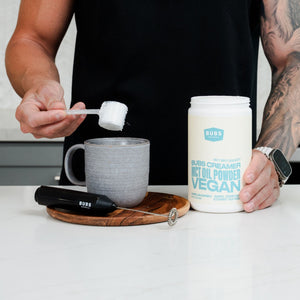
At BUBS, we advocate for consistency over intensity. One scoop of our Creatine Monohydrate mixed into your morning drink is all it takes. Because our powder is flavorless and mixes easily, it’s a seamless addition to your daily ritual. Whether you're stirring it into your morning coffee boosted with MCT Oil Creamer or shaking it up with your post-workout protein, the key is making it a habit you don't even have to think about.
Quality Matters: The BUBS Difference
Not all creatine is created equal. Because the supplement industry is not regulated as strictly as pharmaceuticals, the market is often flooded with low-quality products that may contain heavy metals, fillers, or unlisted ingredients. If you’re asking "is it safe to use creatine supplements?", the answer depends heavily on the quality of the product you choose.
We take quality seriously because our name is on the line, and more importantly, because we’re honoring a legacy. Our Creatine Monohydrate is NSF Certified for Sport. This is the gold standard in the industry, ensuring that what is on the label is exactly what is in the tub—and nothing else. It means our product is free from over 270 substances banned by major athletic organizations.
When you see the BUBS logo, you’re looking at a commitment to the highest standards. We don't use "proprietary blends" that hide the actual dosages of ingredients. We offer simple, effective, and clean supplements. This transparency is part of our "no-BS" philosophy. We want you to focus on your training and your life, knowing that we’ve handled the science and the safety of your supplements.
Integrating Creatine Into Your Lifestyle
The best supplement is the one you actually take. Because Creatine Monohydrate works by building up stores in your muscles over time, timing is less important than daily consistency. Some people prefer taking it before a workout to stay in the routine, while others like it after a workout when their muscles are primed for nutrient uptake.
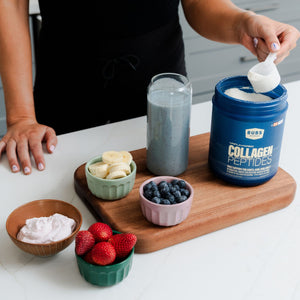
For a comprehensive approach to recovery, we suggest a "stack" that addresses all your body's needs. Start your day with a scoop of Collagen Peptides to support your joints, skin, and hair. Mix your creatine into a drink alongside Hydrate or Die - Lemon during or after your training to replenish lost minerals and support muscle function. If you need a mental boost during the workday, a cup of coffee with our Butter MCT Oil Creamer can provide sustained energy and clarity.
By viewing creatine as one part of a broader wellness ecosystem, you can maximize your results. It’s not about finding a "magic pill"; it’s about giving your body the clean, basic building blocks it needs to perform at its best. This is the philosophy that drives everything we do at BUBS Naturals.
The 10% Rule: Wellness with Purpose
At BUBS Naturals, we believe that self-improvement is most powerful when it serves a larger purpose. Our commitment to your safety and wellness is matched by our commitment to our community. This is why we have the 10% Rule: we donate 10% of all our profits to veteran-focused charities.
When you purchase our Creatine Monohydrate, you aren't just investing in your own strength and performance; you are helping to support the men and women who have served our country. This mission is inspired by Glen “BUB” Doherty, a Navy SEAL who believed in living life to the fullest and helping others do the same. This sense of purpose is what makes our community unique. We aren't just a supplement company; we are a group of people dedicated to adventure, wellness, and giving back.
This commitment to doing good also ensures that we never cut corners on product quality. We wouldn't attach Glen’s name to anything less than the best. Whether it's the purity of our Collagen Peptides Collection or the effectiveness of our electrolytes, every product is a reflection of our core values.
Long-Term Safety: What the Experts Say
Is it safe to use creatine supplements over years or even decades? The current consensus among sports nutritionists and researchers is a resounding yes for healthy adults. Because creatine is a compound the body already knows how to produce and process, it doesn't create the "systemic shock" that many synthetic compounds do.
Long-term users generally report that the most significant "side effect" is simply improved performance and muscle retention as they age. Some studies have even suggested that creatine could have neuroprotective properties, potentially supporting long-term brain health as we navigate the challenges of aging.
The key to long-term safety is the same as the key to any successful wellness journey: moderation, quality, and listening to your body. By using a high-quality, third-party tested product like BUBS Creatine Monohydrate, you are taking a proactive step toward a stronger, more resilient future.
Conclusion
We have explored the depths of the research to answer the question: is it safe to use creatine supplements? From its role in ATP production to its significant benefits for cognitive function and muscle preservation, the evidence is clear. Creatine is not only safe for the vast majority of healthy adults, but it is also one of the most effective tools available for anyone committed to a life of adventure and peak performance.
We’ve debunked the myths surrounding kidney health and steroids, and we’ve clarified that the initial water retention is a sign of a well-hydrated, hardworking muscle, not unwanted bloating. By choosing a product that is NSF Certified for Sport, you ensure that you are fueling your body with the cleanest ingredients possible, mirroring the high standards we hold at BUBS Naturals.
Remember that supplements are most effective when they are part of a balanced lifestyle. Pair your Creatine Monohydrate with a diet rich in whole foods, stay hydrated with our Hydration Collection, and support your recovery with our Collagen Peptides.
Our mission at BUBS is to help you live a life of purpose, fueled by products that actually work and backed by a story that matters. Every scoop you take is a tribute to the spirit of adventure and a contribution to the veterans we support. We invite you to experience the difference that clean, science-backed nutrition can make. Take the next step in your wellness journey and see how our Creatine Monohydrate can support your goals—because you deserve a supplement that is as dedicated to your performance as you are.
FAQ
1. Does taking creatine mean I’ll gain fat or look bloated?
No, creatine does not cause fat gain. Any initial weight gain is typically due to "intracellular" water retention, meaning the water is stored inside your muscle cells to help them function more efficiently. This can actually make your muscles look fuller and more "toned" rather than bloated. Over the long term, creatine helps you build lean muscle mass, which can improve your overall body composition when paired with exercise.
2. Can women safely use creatine supplements?
Absolutely. Many women find that Creatine Monohydrate is incredibly helpful for maintaining muscle tone and supporting bone health, especially as they age and estrogen levels naturally decline. It provides the same energy-boosting benefits for women as it does for men, without any risk of "bulking up" unless your training and caloric intake are specifically designed for that goal.
3. Is it okay to take creatine every single day?
Yes, consistency is key. To keep your muscle stores saturated, it is recommended to take 3 to 5 grams of Creatine Monohydrate daily, even on rest days. This ensures your body has a constant supply of phosphocreatine available for whenever you need it, whether for a spontaneous hike or a planned gym session.
4. Should I be worried about my hair falling out?
The idea that creatine causes hair loss is a myth based on a single, small-scale study from 2009 that showed a slight increase in DHT levels, a hormone linked to hair loss. However, that study did not actually measure hair loss itself, and dozens of follow-up studies have failed to replicate those results or find any direct link between creatine and balding. For healthy adults, hair loss is not a documented side effect of creatine use.