Table of Contents
- Introduction
- Understanding the Biological Roots of Creatine
- Is Creatine a Dietary Supplement? The Legal and Regulatory Reality
- The Performance Benefits of Supplemental Creatine
- Beyond the Muscle: Cognitive and Long-Term Health Benefits
- The Importance of Purity: Why NSF for Sport Matters
- Creatine for Women: Breaking the Stereotypes
- How to Effectively Integrate Creatine into Your Daily Routine
- Addressing Common Myths and Misconceptions
- The BUBS 10% Rule: Wellness with a Purpose
- Conclusion: Making the Most of Your Creatine Journey
- FAQ
Introduction
Did you know that your body is currently manufacturing a compound that helps power every explosive movement you make, from sprinting for a bus to pushing through a heavy set of squats? This compound is creatine, and while your liver and kidneys are working hard to produce about one gram of it every day, there is a good chance you have encountered it in a very different context: a white powder sitting in a shaker bottle at your local gym. The question often arises among those beginning their wellness journey: is creatine a dietary supplement, a specialized drug, or perhaps something else entirely?
The confusion is understandable. In a world saturated with fitness marketing and varying scientific claims, it is easy to lose track of what is natural and what is engineered. Creatine occupies a unique space in the wellness world. It is one of the most researched substances in the history of sports nutrition, with over 500 peer-reviewed studies backing its efficacy and safety. Yet, misconceptions persist. Some still associate it with the "gray area" of performance-enhancing drugs, while others aren't sure if it fits into a balanced, natural lifestyle.
We believe in a "no-BS" approach to wellness. To us, that means stripping away the hype and focusing on simple, effective, and clean ingredients that help you live a life of adventure and purpose. Our mission is rooted in the legacy of Glen "BUB" Doherty—a Navy SEAL, adventurer, and hero who lived life to the fullest. In his honor, we are committed to providing products that are as resilient and reliable as the people who use them.
In this guide, we will explore the fundamental question: is creatine a dietary supplement? We will dive deep into the science of how it works in the body, its legal classification, and why it has become a staple for everyone from elite athletes to active seniors. By the end of this article, you will understand not only what creatine is but how to navigate the market to find the cleanest, most effective forms available. We will also look at how to integrate Creatine Monohydrate into a holistic routine that includes hydration, protein, and cognitive support, ensuring you have the tools to perform at your peak every single day.
Understanding the Biological Roots of Creatine
To answer the question of whether creatine is a dietary supplement, we first have to understand what it is biologically. Creatine is a non-proteinogenic amino acid. This means that while it is composed of amino acids—specifically arginine, glycine, and methionine—it isn't used by the body to build structural proteins like muscle tissue in the same way that leucine or valine are. Instead, its primary role is energy management.
Most of the creatine in your body (about 95%) is stored in your skeletal muscles in the form of phosphocreatine. The remaining 5% is found in your brain, heart, and other tissues. This distribution tells us a lot about what creatine does: it resides where energy demands are highest and most immediate. When you engage in high-intensity, short-duration activities—like a 40-yard dash or a heavy bench press—your muscles require a rapid-fire source of energy. This energy comes from a molecule called adenosine triphosphate, or ATP.
The problem is that your body can only store enough ATP for a few seconds of intense effort. Once that ATP is used, it loses a phosphate group and becomes adenosine diphosphate (ADP). This is where creatine enters the scene. Phosphocreatine "donates" its phosphate group to the ADP, instantly recycling it back into ATP so your muscles can keep firing. It is essentially a biological battery charger.
While our bodies produce about a gram a day, we also get creatine from our diet. It is found naturally in red meat, seafood, and animal milk. However, to get the amounts used in most clinical studies—usually 3 to 5 grams—you would have to consume an impractical amount of steak or herring every single day. This gap between what the body produces, what we can realistically eat, and what is required for optimal performance is exactly why people turn to supplementation.
Is Creatine a Dietary Supplement? The Legal and Regulatory Reality
The short answer is yes: creatine is classified as a dietary supplement. In the United States, the Dietary Supplement Health and Education Act of 1994 (DSHEA) defines a dietary supplement as a product intended to supplement the diet that bears or contains one or more dietary ingredients, including vitamins, minerals, herbs, or amino acids. Since creatine is a derivative of amino acids and is found naturally in food, it fits squarely into this category.
It is vital to distinguish creatine from anabolic steroids, a common point of confusion for those new to fitness. Anabolic steroids are synthetic versions of testosterone. They are classified as Class C, Schedule III controlled substances and are regulated as drugs by the FDA and DEA. They work by entering the cell nucleus and changing how your DNA expresses itself, specifically to increase protein synthesis.
Creatine does not do this. It does not alter your hormones, and it is not a drug. It is a naturally occurring compound that facilitates energy production. Major athletic organizations, including the International Olympic Committee (IOC) and the National Collegiate Athletic Association (NCAA), allow the use of creatine because it is a safe, natural, and ethical way to support performance.
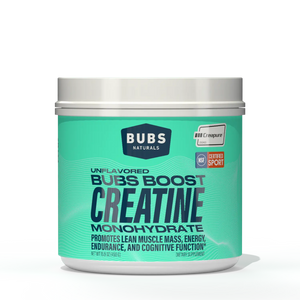
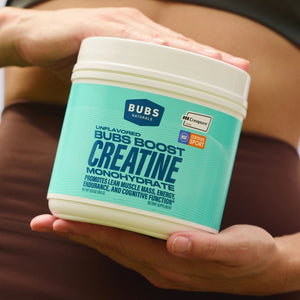
When we developed our Creatine Monohydrate, we chose the most researched and effective form of the supplement. Our goal was to provide a clean, single-ingredient product that fits the BUBS "no-BS" philosophy. By focusing on purity and sourcing, we ensure that you are getting exactly what your body needs to support its natural energy cycles without any hidden fillers or banned substances.
The Performance Benefits of Supplemental Creatine
When someone asks "is creatine a dietary supplement," they are usually interested in what that supplement can actually do for them. The benefits of maintaining high muscle creatine stores are well-documented and go far beyond just looking "pumped" in the gym.
One of the most significant benefits is increased strength and power. By increasing the availability of phosphocreatine in the muscle, you are essentially increasing the amount of "work" your muscles can do before they fatigue. In practical terms, this might mean the difference between completing eight reps of a heavy lift or squeezing out ten. Over weeks and months, that extra volume translates into greater gains in strength and muscle mass.
However, the benefits aren't limited to weightlifting. Athletes in power sports like football, hockey, wrestling, and sprinting often find that creatine helps them maintain their "explosiveness" throughout a game or match. Even in high-intensity interval training (HIIT), having saturated creatine stores can help you recover faster between intervals, allowing you to maintain a higher intensity for the duration of the workout.
Recovery is another area where creatine shines. Some research suggests that creatine may help reduce muscle cell damage and inflammation following exhaustive exercise. This means you can get back to your training sooner, with less downtime. We often recommend pairing your creatine with Collagen Peptides to support not only the muscle recovery but also the health of your joints, tendons, and ligaments. While creatine powers the muscle, collagen provides the structural support needed to keep your "chassis" strong and resilient.
Beyond the Muscle: Cognitive and Long-Term Health Benefits
While the gym is where creatine gained its fame, recent science has shifted focus toward the brain. Your brain is a highly metabolically active organ, consuming about 20% of your body’s total energy despite only making up 2% of your body weight. Just like your muscles, your brain relies on ATP for energy, and it uses the creatine-phosphocreatine system to maintain those levels.
Emerging research suggests that supplementing with creatine can support cognitive function, particularly in tasks that require speed of processing and short-term memory. This is especially true during times of stress or sleep deprivation. For older adults, creatine may offer neuroprotective benefits, helping to maintain brain health and potentially offsetting some of the cognitive decline associated with aging.
Furthermore, creatine is being studied for its role in supporting those with age-related muscle loss, known as sarcopenia. As we age, maintaining muscle mass is one of the most important factors for long-term health, mobility, and independence. By supporting the body's ability to engage in resistance training, creatine helps older individuals maintain their strength and quality of life.
To support this holistic view of wellness, many of our community members like to stack their creatine with our MCT Oil Creamer. While creatine supports the cellular energy system in the brain and muscles, MCTs provide a direct source of ketone energy that the brain can use almost immediately. Together, they form a powerful duo for mental clarity and physical readiness, whether you're heading into a boardroom or a backcountry hike.
The Importance of Purity: Why NSF for Sport Matters
Because the answer to "is creatine a dietary supplement" is a resounding yes, it also means the product is subject to the unique challenges of the supplement industry. Unlike prescription drugs, the FDA does not approve supplements for safety or efficacy before they hit the market. This has led to a landscape where some products are "dusted" with the active ingredient or, worse, contaminated with heavy metals or banned substances.
At BUBS Naturals, we believe that if you’re putting it in your body, you should know exactly what it is. This is why our Creatine Monohydrate is NSF for Sport certified. This is the gold standard of third-party testing. It ensures that:
- The product contains exactly what is on the label.
- There are no harmful levels of contaminants.
- The product is free from over 270 substances banned by major athletic organizations.
For professional athletes, this certification is a career-saver. For the weekend warrior or the fitness enthusiast, it provides peace of mind. You shouldn't have to worry that your wellness routine is doing more harm than good. When you see that NSF seal, you know you are getting a clean, pharmaceutical-grade product that honors the high standards we set for everything bearing the BUBS name.
To round out a clean supplement routine, we also suggest looking at our Vitamin C, which is also rigorously tested. Ensuring your antioxidant levels are sufficient helps your body manage the oxidative stress that comes from both hard training and a busy life, making it a perfect companion to a daily creatine habit.
Creatine for Women: Breaking the Stereotypes
For a long time, creatine was marketed almost exclusively to men looking to "bulk up." This led to a lingering myth that creatine will make women look bulky or cause excessive weight gain. Science, however, tells a very different story.
Women can benefit immensely from creatine, often even more than men in certain phases of life. Women typically have lower natural creatine stores than men, and hormonal fluctuations—especially during the menstrual cycle, pregnancy, and menopause—can affect how the body uses and stores creatine. Supplementation can help support bone density, mood, and muscle tone in women.
The "bulk" that people fear is usually just a slight increase in intracellular water retention. Because creatine is osmotically active, it draws water into the muscle cell. This is actually a good thing; a hydrated cell is a healthy cell that is better at protein synthesis. It doesn't mean you will look "bloated"—it usually just means your muscles will look a bit fuller and perform significantly better.
For women looking to stay active and healthy, a daily dose of our Creatine Monohydrate paired with a simple digestive habit like our Apple Cider Vinegar Gummies can be a game-changer. It’s about feeling strong, capable, and ready for whatever adventure the day brings, without the need for complicated or "manly" gym stacks.
How to Effectively Integrate Creatine into Your Daily Routine
Now that we have established that creatine is a dietary supplement worth taking, the next step is implementation. One of the best things about creatine is its simplicity. It is flavorless, odorless, and dissolves easily into almost any liquid.
The Loading Phase vs. Consistency
There is a lot of debate about whether you need to "load" creatine (taking 20 grams a day for a week) to see results. While loading will saturate your muscles faster, it can also lead to some digestive upset for some people. The alternative is simply taking 3 to 5 grams every day. Within three to four weeks, your muscles will be fully saturated, and you will experience the same benefits without the potential stomach issues. At BUBS, we are fans of consistency over intensity. One scoop a day, every day, is the easiest path to success.
Timing and Hydration
You can take creatine at any time of day—before your workout, after your workout, or even with breakfast. The most important thing is that you take it. However, because creatine pulls water into the muscle cells, staying hydrated is absolutely essential. This is where our Hydration Collection comes into play. Mixing your creatine with Hydrate or Die - Lemon ensures that you are providing your body with the electrolytes it needs to manage that fluid balance effectively.
The Perfect Morning Stack
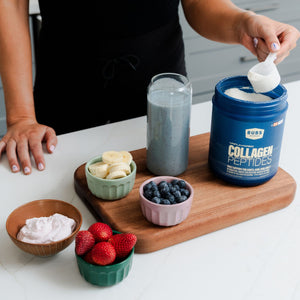
A favorite routine among our team is the "Daily Performance" start. We mix a scoop of Collagen Peptides and a scoop of Creatine Monohydrate into a morning coffee or smoothie. If you’re a coffee drinker, adding our MCT Oil Creamer provides the healthy fats needed for sustained energy. It’s a simple, three-minute habit that sets the foundation for physical strength, cognitive clarity, and joint health.
Addressing Common Myths and Misconceptions
Despite its status as a widely accepted dietary supplement, creatine still faces some "old school" myths that we need to put to rest.
"Creatine is bad for your kidneys"
This is perhaps the most persistent myth. It stems from a misunderstanding of a blood marker called creatinine, which is a byproduct of creatine metabolism. When you take creatine, your creatinine levels may rise slightly on a blood test. In healthy individuals, this is not a sign of kidney damage; it is simply a reflection of the fact that you have more creatine in your system. Multiple long-term studies have shown that daily supplementation at recommended doses is safe for the kidneys in healthy people.
"Creatine causes hair loss"
This myth originated from a single study on rugby players in 2009 that showed an increase in DHT (a hormone linked to hair loss) when taking creatine. However, that study has never been replicated, and no study since has found a direct link between creatine and hair loss. For the vast majority of people, this is simply not a concern.
"Creatine is only for bodybuilders"
As we have discussed, this couldn't be further from the truth. Whether you are a marathon runner, a busy parent, a senior citizen, or a student, the energy-management benefits of creatine are universal. It is a fundamental cellular support supplement, not a niche bodybuilding drug.
By choosing a high-quality Creatine Monohydrate, you are opting for a tool that supports your body’s most basic energy functions. Our commitment to purity means you don't have to worry about the "hidden" ingredients that often give supplements a bad name.
The BUBS 10% Rule: Wellness with a Purpose
At BUBS Naturals, we believe that self-improvement is most meaningful when it serves a larger purpose. Our commitment to your wellness through products like Creatine Monohydrate is only half of our story. The other half is our dedication to giving back.
In honor of Glen "BUB" Doherty, who was killed in the line of duty in Benghazi, Libya, we donate 10% of all our profits to veteran-focused charities. This "10% Rule" is at the heart of everything we do. When you choose to support your health with BUBS, you are also supporting the men and women who have served our country.
Glen lived a life of constant adventure—he was a pilot, a skier, a surfer, and a medic. He believed in push-ups, clean living, and being a good teammate. We see our supplements as tools to help you embody that same spirit. Whether you’re using our Hydrate or Die - Mixed Berry to power through a hot trail run or using our creatine to get stronger for your kids, you are part of a legacy that values excellence and contribution.
This mission drives us to maintain the highest certifications, like NSF for Sport, because we believe our community deserves the best. We don't cut corners because we know the people we serve—and the person we honor—never did.
Conclusion: Making the Most of Your Creatine Journey
So, is creatine a dietary supplement? Absolutely—and it is perhaps one of the most beneficial ones you can add to your daily routine. From its fundamental role in ATP production to its emerging benefits for brain health and longevity, creatine is a powerhouse of a molecule that is as safe as it is effective.
By now, you should have a clear understanding of the science behind creatine, its legal standing as a safe and permitted supplement, and the importance of choosing a pure, third-party tested source. We have explored how it can support your strength, speed up your recovery, and even help you stay sharp during those long, demanding days. We've also seen how it integrates seamlessly into a broader wellness stack, working alongside Collagen Peptides for joint health and Hydrate or Die - Lemon for optimal fluid balance.
The journey to your best self doesn't have to be complicated. It starts with simple, consistent choices. It starts with a "no-BS" mindset and a dedication to quality. We invite you to experience the difference that a clean, science-backed supplement can make in your life.
Whether you're aiming for a new personal record in the gym or simply want to maintain your vitality for the years of adventure ahead, our Creatine Monohydrate is designed to help you get there. Take the leap, stay consistent, and remember that every scoop you take is also helping us give back to those who have served.
Are you ready to elevate your performance and support a greater cause? Explore the Creatine Monohydrate from BUBS Naturals today and feel the difference that purity and purpose can make.
FAQ
1. Is creatine a dietary supplement that I need to take every day, or just on workout days?
Consistency is key when it comes to creatine. To maintain the saturation of creatine in your muscle tissues, it is best to take it every day, including your rest days. On non-workout days, you can simply mix it into your morning water, coffee, or a shake with MCT Oil Creamer. This ensures your "biological battery" remains fully charged and ready for your next training session.
2. Can I take creatine if I'm not a professional athlete?
Yes, absolutely. While athletes were the first to popularize it, creatine is beneficial for anyone looking to support their general wellness, muscle retention, and cognitive function. Whether you are an active parent, a hiker, or someone looking to maintain strength as you age, a clean Creatine Monohydrate is a safe and effective addition to a standard healthy lifestyle.
3. Will taking creatine make me gain weight?
Creatine may cause a small, initial increase in body weight, but this is typically due to water being drawn into the muscle cells (intracellular hydration) rather than an increase in body fat. This hydration is actually beneficial for muscle health and performance. Over the long term, any weight gain is usually associated with an increase in lean muscle mass when combined with regular exercise. To help manage fluid balance, we recommend pairing your creatine with an electrolyte drink like Hydrate or Die - Mixed Berry.
4. How do I know if the creatine I'm buying is safe?
The best way to ensure safety and purity is to look for third-party certifications. Supplements are not as strictly regulated as medications, so look for the NSF for Sport logo. This certification, which we maintain for our Creatine Monohydrate, guarantees that the product has been tested for contaminants and banned substances. Always choose brands that are transparent about their sourcing and testing processes.