Table of Contents
- Introduction
- Understanding What Creatine Actually Does
- The Biology of Height: How We Grow
- Addressing the Myth: Does Creatine Stunt Growth?
- The Posture Connection: Can You Look Taller?
- Analyzing the Dietary Creatine and Height Study
- Supporting Natural Growth Through Nutrition
- Safe Dosing and Best Practices
- The Bottom Line on Creatine and Height
- FAQ
Introduction
If you have spent any time in a weight room or scrolling through fitness forums, you have likely heard plenty of tall tales about creatine. It is one of the most researched supplements on the planet, yet it remains surrounded by confusion. For young athletes and parents, one of the most common questions is whether it has any impact on vertical growth. Some worry it might stunt growth, while others hope it might offer a secret edge for getting taller.
At BUBS Naturals, we believe in keeping things simple and science-backed. We focus on clean ingredients that support your performance and recovery without any of the nonsense. When it comes to the relationship between creatine and height, it is important to separate locker room myths from biological facts. This article will explain exactly how creatine works in the body and why its primary role is about energy, not bone length.
We will cover the mechanics of bone growth, address the fear of stunted development, and look at what actually determines how tall you will become. Our goal is to provide a clear, honest look at the supplement so you can make informed decisions for your fitness journey. While we are known for our commitment to quality, we are equally committed to the truth about what these products can and cannot do.
Quick Answer: Creatine does not directly make you taller, nor does it stunt your growth. Height is primarily determined by genetics and hormones, while creatine focuses on providing energy to your muscle cells for short bursts of intense activity.
Understanding What Creatine Actually Does
To understand why creatine does not affect height, you first need to know what it does inside your body. Creatine is a naturally occurring compound found in your muscle cells. You also get it from eating red meat and seafood, and your liver and kidneys produce a small amount every day. Its main job is to help your muscles produce energy during heavy lifting or high-intensity exercise. If you want a deeper dive into the supplement itself, the Creatine & Fitness hub is a useful place to start.
When you move, your muscles use a molecule called ATP (adenosine triphosphate) for energy. Your body only stores enough ATP for a few seconds of intense effort. Once that is used up, it needs to be recycled. Creatine helps speed up this recycling process by providing a phosphate molecule to turn used energy (ADP) back into fresh energy (ATP). This allows you to push for that extra rep or sprint a few yards further.
Because its primary function is metabolic energy, it interacts with muscle fibers rather than the skeletal architecture. It helps you stay hydrated at a cellular level and supports protein synthesis, which can lead to increased muscle mass over time. However, none of these processes involve the lengthening of bones or the stimulation of growth plates.
The Biology of Height: How We Grow
Height is a complex biological process that mostly happens during childhood and adolescence. The primary drivers of height are your genetics, which account for about 60% to 80% of your final stature. The remaining percentage is influenced by environmental factors like nutrition, sleep, and physical activity.
The actual "growing" happens in the long bones of your arms and legs. These bones have areas at the ends called epiphyseal plates, commonly known as growth plates. These plates are made of developing cartilage. As you grow, the cartilage cells multiply and eventually turn into solid bone. Once you reach the end of puberty, these growth plates "close" or fuse, and no further increase in height is possible.
This process is regulated by the endocrine system, specifically growth hormones and IGF-1 (insulin-like growth factor 1). Creatine does not interfere with these hormones. It does not speed up the closure of growth plates, and it does not provide the hormonal signaling required to keep them open longer. Therefore, from a biological standpoint, creatine is a spectator when it comes to skeletal length.
Addressing the Myth: Does Creatine Stunt Growth?
The fear that creatine might stunt growth is a persistent myth often passed down by well-meaning but misinformed coaches or parents. This misconception usually stems from two places: a general fear of supplements and a confusion between creatine and anabolic steroids.
Anabolic steroids are synthetic versions of testosterone that can indeed interfere with growth plates and cause premature fusion. Creatine is not a steroid. It is a nitrogenous organic acid that is already present in your body and the food you eat. There is no evidence in clinical literature to suggest that creatine supplementation has any negative impact on the growth or development of adolescents.
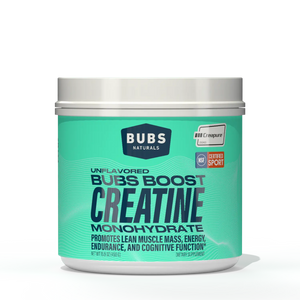
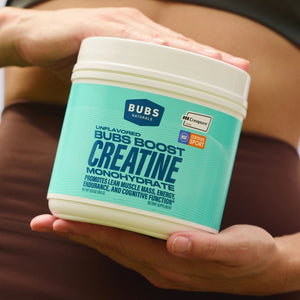
In fact, several studies involving young athletes have shown that creatine is safe and well-tolerated when used at recommended dosages. The focus for young athletes should always be on a "food-first" approach, but the addition of a clean supplement like our Creatine Monohydrate has not been shown to hinder natural development.
Myth: Creatine is a steroid that can cause your bones to stop growing early.
Fact: Creatine is a naturally occurring compound that supports muscle energy and has no hormonal impact on bone growth or growth plate fusion.
The Posture Connection: Can You Look Taller?
While creatine will not add inches to your skeleton, it can influence how you carry yourself. One of the side effects of increased strength and muscle support is improved posture. When the muscles in your back, shoulders, and core are strong and well-hydrated, you are less likely to slouch.
Many people "lose" an inch of height simply because of poor spinal alignment and weak stabilizer muscles. By supporting your training and recovery, creatine may help you build the strength necessary to stand tall and keep your spine properly aligned. This creates the appearance of being taller without actually changing your bone structure.
Furthermore, creatine draws water into the muscle cells, a process called cellular volumization. This can give muscles a fuller, more defined look. While this is purely aesthetic and related to muscle tissue, a more athletic and upright physique often gives the impression of a taller, more confident stature.
Analyzing the Dietary Creatine and Height Study
You might encounter mentions of a study that found a correlation between dietary creatine intake and height in children and adolescents. This research, often citing NHANES data, observed that children who consumed more creatine through their diet tended to be taller.
It is crucial to interpret this correctly. This study looked at dietary creatine, which primarily comes from meat, poultry, and fish. These foods are also high in complete proteins, essential vitamins like B12, and minerals like zinc and iron. A diet rich in these nutrients is a hallmark of good nutrition, which is a known factor in helping children reach their full genetic height potential.
The height difference likely comes from the total nutritional package of a diet that includes animal proteins, rather than the creatine itself acting as a growth stimulant. If a child is malnourished or lacks protein, they may not reach their full potential height. Adding a supplement is not a substitute for the foundational nutrition found in a balanced diet, but it highlights that creatine is a natural part of the growth-supporting foods we eat every day.
Key Takeaway: The correlation between high dietary creatine and height likely reflects the benefits of a nutrient-dense, protein-rich diet during developing years, rather than creatine acting as a bone-growth agent.
Supporting Natural Growth Through Nutrition
If you are looking to maximize your natural growth potential during your developing years, your focus should be on the pillars of health. Supplementation can play a role, but it must be built on a solid foundation.
Protein and Amino Acids
Bones are not just made of calcium; they have a significant protein matrix. Collagen, specifically, provides the flexible framework for bones. Our Collagen Peptides can support the health of your connective tissues and joints, providing the "glue" that holds everything together as you train. While collagen won't make you taller, it supports the integrity of the skeletal system.
Micronutrients
Vitamin C is essential for the natural formation of collagen in the body. If you are deficient in key vitamins, your body cannot effectively build the structures it needs for growth. A closer look at collagen protein benefits can help explain why structural support matters as part of a well-rounded routine.
Hydration and Electrolytes
A growing body is a hydrated body. Every cellular process, including the remodeling of bone and the repair of muscle, requires water and minerals. If you are training hard, you need to replace what you lose. Our Hydrate or Die electrolyte formula is designed for fast hydration without added sugar, ensuring your muscles and tissues have the resources they need to perform and recover.
Safe Dosing and Best Practices
If you have decided that you want to add creatine to your routine for its proven benefits in strength and recovery, it is important to do it correctly. You do not need massive doses or complicated "loading" phases to see results.
-
Choose Pure Sources: Look for a single-ingredient formula. Our Creatine Monohydrate contains no fillers or additives, ensuring you get exactly what you need and nothing you don't.
-
Standard Dosing: Most people find success with 3 to 5 grams per day. This is roughly one scoop. This amount is sufficient to keep your muscle stores saturated over time.
-
Consistency is Key: Creatine works through accumulation. It is more effective to take a small dose every single day than a large dose once a week.
-
Stay Hydrated: Because creatine moves water into your muscle cells, you may need to increase your total daily water intake. You can also explore the broader Hydration Collection if you want a simple way to support your routine.
-
Consult a Professional: If you are under the age of 18, it is always a smart move to talk to a healthcare provider or a sports nutritionist before starting a new supplement routine.
The Bottom Line on Creatine and Height
Creatine is one of the most effective tools for anyone looking to improve their strength, power, and muscle recovery. However, it is not a magic wand for height. It does not increase the length of your bones, and it does not affect the timing of your growth plate closure.
If your goal is to be as tall as possible, focus on your genetics, get plenty of high-quality sleep, and eat a nutrient-dense diet. Use creatine for what it was meant for: fueling your workouts, improving your recovery, and helping you show up as the strongest version of yourself.
At BUBS Naturals, we are driven by a mission that goes beyond just selling supplements. Our products are inspired by the legacy of Glen "BUB" Doherty, a man who lived a life of adventure and purpose. We carry that spirit into everything we do, which is why we donate 10% of all our profits to veteran-focused charities. When you choose us, you are supporting a commitment to clean health and a greater cause. You can read more in our BUBS story.
"Live a life of adventure. Support your body with clean fuel. Let the results speak for themselves."
FAQ
Does creatine affect the growth plates in teenagers?
No, there is no scientific evidence that creatine has any impact on the epiphyseal plates, also known as growth plates. Creatine is involved in muscle energy metabolism and does not interact with the hormonal or skeletal systems that control bone lengthening.
Can taking creatine make me look taller?
Creatine can support the development of stronger stabilizer muscles and better overall posture. By standing straighter and reducing slouching through improved core and back strength, you may appear taller and more confident, even though your actual bone length remains the same.
Is it safe for a 16-year-old to take creatine?
Most clinical research indicates that creatine is safe for healthy adolescents when taken at recommended dosages of 3 to 5 grams per day. However, we always recommend that younger athletes consult with a doctor or a qualified health professional before starting any new supplement to ensure it fits their specific needs.
What are the main factors that actually determine height?
Height is primarily determined by genetics, which set your potential growth range. Hormones like human growth hormone (HGH) and IGF-1 regulate the process, while environmental factors such as adequate nutrition, protein intake, and sufficient sleep allow you to reach that genetic potential.