Table of Contents
- Introduction
- The Brain's Energy Needs: Why Sleep is Non-Negotiable
- Creatine's Role in Cellular Energy: A Deeper Dive
- Bridging the Gap: Does Creatine Help Sleep Directly?
- Boosting Brain Power When Sleep Falls Short
- Navigating Dosing: From Muscle Support to Brain Boost
- Creatine's Safety Profile and Quality Matters
- Beyond Creatine: A Holistic Approach to Wellness
- Conclusion
- FAQ
Introduction
Picture this: you’ve pushed your limits in a demanding workout, your muscles are recovering, but your mind is still racing from the day's challenges. Or perhaps a late night of work, a long journey, or simply life’s unpredictability has left you feeling mentally foggy and physically drained, longing for truly restorative rest. Sleep, that seemingly passive third of our lives, is in fact a highly active period crucial for restoring not just our bodies, but especially our brains. It's during these hours that our minds undergo essential maintenance, consolidating memories, processing information, and, critically, restoring energy reserves. But what happens when that vital restoration is cut short? The consequences—from diminished cognitive performance to impaired decision-making—are profound and universally felt.
For years, creatine has been a staple in the world of athletic performance, celebrated for its ability to fuel muscles and enhance physical output. However, a growing body of scientific inquiry is revealing a fascinating, less-explored dimension of this powerful molecule: its potential impact on brain energy metabolism and, consequently, its ability to support cognitive function, particularly when sleep is compromised. This unexpected connection between a revered muscle supplement and the intricate world of sleep and brain health invites us to look beyond conventional wisdom.
At BUBS Naturals, we are driven by a commitment to holistic wellness, inspired by a life of adventure and purpose. We believe in providing clean, functional, and science-backed supplements that support the entire person, enabling you to live fully and tackle life’s adventures head-on. In this comprehensive post, we will delve into the science behind creatine, exploring how it influences brain energy, its potential role in managing the demands of sleep deprivation, and whether it can genuinely help our minds perform optimally even when rest is elusive. Our aim is to provide clarity, grounded in scientific research, on how creatine might fit into your broader wellness strategy, especially when adequate sleep feels like an uphill battle.
The Brain's Energy Needs: Why Sleep is Non-Negotiable
Our brains, though only accounting for about 2% of our body weight, consume a disproportionate 20% of our body’s total energy expenditure. This immense demand is driven by the constant firing of neurons, the maintenance of electrochemical gradients, and the intricate processes of learning and memory. The primary fuel for this relentless activity is adenosine triphosphate (ATP), the body's universal energy currency. During our waking hours, as neurons work overtime, ATP is continuously broken down to release energy, leading to an increase in its metabolic byproduct, adenosine.
Adenosine plays a crucial role in regulating sleep-wake cycles. As adenosine levels rise in the brain throughout the day, it signals growing "sleep pressure," making us feel tired and ready for rest. Sleep, particularly non-rapid eye movement (NREM) sleep, is thought to be a period of intense energy restoration for the brain. During NREM sleep, cerebral metabolic rates decrease significantly, allowing ATP stores to replenish and adenosine levels to fall. This nocturnal reset is fundamental for maintaining optimal cognitive function, emotional regulation, and overall brain health.
When sleep is consistently cut short or disrupted, the brain's energy reserves are depleted, and adenosine levels remain elevated. This state of energy deficit directly translates to the familiar symptoms of sleep deprivation: impaired concentration, reduced alertness, slower reaction times, difficulty with problem-solving, and emotional irritability. Prolonged sleep loss can compromise the brain's ability to clear metabolic waste products, further exacerbating cognitive issues. Understanding this intricate link between brain energy metabolism and sleep is the first step in appreciating how external factors, like certain supplements, might support the brain when its natural restorative processes are challenged.
Creatine's Role in Cellular Energy: A Deeper Dive
Creatine, a naturally occurring guanidine amino acid, is an unsung hero in the body's cellular energy ecosystem. While widely recognized for its pivotal role in muscle performance, its function extends far beyond the gym. Creatine acts as a vital component of the phosphocreatine (PCr) system, a rapid energy buffering system present in cells with high and fluctuating energy demands – most notably, skeletal muscle and the brain.
Here's how it works: When your cells, particularly neurons during intense activity, rapidly break down ATP for energy, they produce adenosine diphosphate (ADP). The phosphocreatine system quickly recharges ADP back into ATP by donating a phosphate group from phosphocreatine. This allows for a swift and continuous supply of energy, maintaining stable ATP levels even during bursts of high energy expenditure. Think of it as a crucial backup battery, ready to kick in the moment primary energy stores begin to dwindle.
In the brain, this energy buffering system is essential for supporting cognitive functions like memory, learning, and information processing. Neurons, much like muscle cells, require a constant and readily available supply of ATP to function optimally. Under normal circumstances, the brain produces its own creatine, and we also obtain it from certain foods like meat and fish. However, supplementation with Creatine Monohydrate can significantly increase the brain's creatine stores, thereby enhancing its capacity to regenerate ATP and maintain energy homeostasis.
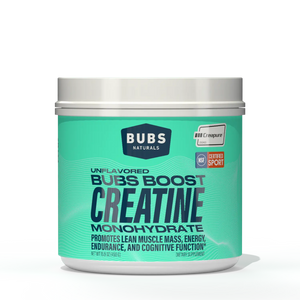
Our Creatine Monohydrate is a single-ingredient, clean supplement designed to seamlessly integrate into your daily routine. We believe in a no-BS approach to wellness, and that means providing you with rigorously tested, high-quality ingredients. By supporting the brain's inherent energy systems, creatine offers a foundational advantage for both physical and mental resilience. Its fundamental mechanism of action—sustaining ATP availability—is what makes it so intriguing for addressing challenges related to mental fatigue and the demands placed on the brain, especially when restorative sleep is scarce.
Bridging the Gap: Does Creatine Help Sleep Directly?
The question of whether creatine directly improves sleep or helps you fall asleep faster is a common one, and it's important to approach it with a nuanced understanding. Creatine is not a sedative, nor is it a sleep aid in the conventional sense. It won't directly make you feel drowsy or induce sleep. Instead, its potential influence on sleep patterns appears to be more indirect, primarily by optimizing brain energy metabolism and, in some cases, potentially reducing the need for sleep or mitigating the effects of sleep deprivation.
Early research, particularly in animal models, has provided intriguing insights. Studies conducted on rats have shown that creatine supplementation can lead to a significant decrease in total sleep time and non-rapid eye movement (NREM) sleep during their inactive periods. Furthermore, these studies observed that creatine attenuated the increase in extracellular adenosine—the natural chemical signal for sleep pressure—after periods of sleep deprivation. This suggests that by bolstering brain energy availability, creatine might reduce the homeostatic drive for sleep, allowing the brain to function adequately with potentially less total sleep time.
In human studies, the evidence is still emerging but points in similar directions. A 2024 study investigated the association between dietary creatine intake and sleep disturbances, finding that individuals with recommended creatine levels had a lower risk of mild sleep disturbances compared to those with insufficient levels. While this particular study focused on dietary creatine rather than supplementation, it hints at a baseline connection between creatine status and sleep health. Another study in women participants found that creatine supplementation increased sleep duration on resistance training days compared to a placebo group. This suggests a potential supportive role in recovery, where the body, fueled by creatine, might allocate more resources to restorative processes, including sleep, after physical exertion.
It's crucial to reiterate that creatine is not a "cure" for sleep disorders, nor is it intended to replace healthy sleep hygiene. However, by supporting the brain's intricate energy systems, it may contribute to an overall sense of wellness that can positively influence sleep patterns and the body's resilience to periods of reduced sleep. For those leading active lives, or encountering situations where consistent, ample sleep isn't always feasible, understanding creatine's role in maintaining brain energy can be a valuable piece of their wellness puzzle. Our Creatine Monohydrate is designed to support your body's foundational energy processes, helping you feel your best, whether you're tackling a workout or navigating a demanding day.
Boosting Brain Power When Sleep Falls Short
While creatine's direct impact on sleep duration or onset might be subtle, its ability to support cognitive function during periods of sleep deprivation is where it truly shines. Anyone who has pulled an all-nighter or consistently skimped on sleep knows the debilitating mental fog that follows. This cognitive impairment is largely due to the brain's energy crisis—depleted ATP and elevated adenosine levels—which compromises neuronal function. This is precisely the scenario where creatine, as a brain energy booster, offers significant promise.
Research indicates that the brain's creatine levels are tightly regulated, and while supplementation can increase them, the most noticeable cognitive benefits appear when the brain is energy-stressed or when baseline creatine levels are low. This includes scenarios like acute sleep deprivation, chronic stress, or even dietary deficiencies (such as in vegetarians or vegans). Under these conditions, creatine acts as a powerful ally, helping to maintain cellular energy production and mitigate the negative impact on brain performance.
Multiple studies have underscored creatine's potential as a "nootropic" when the brain is under duress. For instance, peer-reviewed research has demonstrated that creatine can be particularly adept at blunting the negative effects of fatigue, stress, and other forms of cognitive impairment induced by sleep loss. Specific improvements observed include enhanced processing speed, better working memory, and increased focus. Imagine being able to maintain a higher level of mental sharpness after a less-than-ideal night's rest—this is the kind of support creatine offers. From athletes needing to perform mentally after early morning training to professionals facing demanding deadlines, the ability to sustain cognitive clarity is invaluable.
Furthermore, emerging research is exploring creatine's potential neuroprotective benefits, suggesting it might play a role in mitigating the effects of depression, anxiety, and even traumatic brain injuries. While these areas require more extensive investigation, they highlight creatine's broader impact on brain health beyond just energy metabolism. This aligns perfectly with the BUBS Naturals ethos of supporting active lifestyles in every facet, understanding that true wellness encompasses both physical vitality and mental acuity. Our Creatine Monohydrate is a testament to our no-BS approach: a clean, simple, and effective ingredient rigorously tested to help you feel the BUBS difference and conquer your day, even when challenges arise. By supporting your brain's fundamental energy needs, Creatine Monohydrate empowers you to navigate periods of mental fatigue with greater resilience.
Navigating Dosing: From Muscle Support to Brain Boost
Understanding appropriate creatine dosing is key to unlocking its benefits, and it differs slightly when targeting muscle performance versus cognitive support, especially under energy-stressed conditions. For years, the standard recommendation for enhancing muscle strength and size has been a daily dose of 3-5 grams of Creatine Monohydrate. This consistent intake effectively saturates muscle stores over time, leading to tangible physical benefits. Many active individuals, including those in our BUBS Naturals community, find this dosage sufficient for their regular training and recovery needs.
However, when it comes to maximizing creatine's cognitive-boosting potential, particularly in scenarios of sleep deprivation or heightened mental stress, research suggests that considerably higher doses may be more effective. This is primarily because creatine must cross the blood-brain barrier—a highly selective membrane that protects the brain—to reach neuronal cells. This process is more challenging than creatine uptake into skeletal muscle. Clinical trials reporting significant impacts on cognition often use daily dosages ranging from 10 to 25 grams, or even single acute doses of 20-30 grams. These higher amounts are thought to facilitate increased creatine transportation into brain tissue, allowing for enhanced energy production within the brain.
It's important to note that experts generally advise reserving these higher dosages for shorter-term periods when you anticipate or are experiencing heightened stress, significant cognitive demands, or acute sleep deprivation. Sustaining such high levels for extended periods (e.g., beyond four to eight weeks) is not typically recommended, and a healthcare professional should always be consulted before significantly increasing your daily intake, especially if you have any pre-existing health conditions. For those looking to counteract the immediate effects of acute sleep deprivation, a single dose of 20-25 grams has shown promising results in some studies, helping to quickly raise brain energy stores and support neuronal function.
At BUBS Naturals, we prioritize both efficacy and safety. Our Creatine Monohydrate offers a clean, unflavored option that mixes effortlessly into your favorite beverage. While the standard 5-gram serving is ideal for general muscle and performance support, we encourage our community to stay informed by research and consult with healthcare providers when considering higher doses for specific cognitive goals. Whether you're an athlete, a busy professional, or simply seeking to optimize your mental performance, understanding the science behind creatine allows you to make informed decisions about how to best integrate it into your wellness regimen.
Creatine's Safety Profile and Quality Matters
One of the most reassuring aspects of creatine is its extensive research history and widely recognized safety profile. For decades, creatine monohydrate has been one of the most studied supplements on the market, with thousands of scientific papers affirming its efficacy and general safety for healthy individuals. Despite its popularity, several myths persist, and it's essential to address them with factual, science-backed information.
The most common misconception is that creatine is a steroid. This is unequivocally false. Creatine is a naturally occurring organic compound, derived from amino acids, that our bodies produce and is also found in foods. It is not a hormone or an anabolic steroid and does not interact with hormone receptors in the way steroids do. Another prevalent myth concerns kidney damage. Numerous long-term studies have consistently shown that creatine supplementation, at recommended doses, does not impair kidney function in healthy individuals. While creatine can cause a slight, temporary elevation in blood creatinine levels (a marker doctors use to assess kidney function), this is a normal physiological response to increased creatine intake and does not indicate actual kidney damage. However, individuals with pre-existing kidney disease or those taking medications affecting kidney function should always consult their physician before starting any creatine regimen. Finally, some believe creatine causes fat gain. Any initial weight gain experienced when starting creatine is typically due to increased water retention within muscle cells, not an increase in body fat. This water shift is actually beneficial, as it can help muscle cells appear fuller and support their hydration.
At BUBS Naturals, our commitment to quality, transparency, and science-backed ingredients is paramount. We believe in providing only the best for our community, and that means a no-BS approach to supplements. Our Creatine Monohydrate is rigorously tested and, like many of our products, adheres to third-party certifications such as NSF for Sport. This certification ensures that what’s on the label is in the tub, and that the product is free from banned substances and contaminants, giving you peace of mind. We source the cleanest ingredients, ensuring our supplements, including Creatine Monohydrate, are pure, potent, and safe. When choosing a supplement, especially one you intend to take regularly, quality and trust are non-negotiable. Our dedication to these principles is inspired by Glen “BUB” Doherty's legacy—a commitment to excellence and integrity in everything we do.
Beyond Creatine: A Holistic Approach to Wellness
While creatine presents a compelling case for supporting cognitive function, especially during times of sleep deprivation, it's essential to remember that supplements are just one piece of a larger wellness puzzle. At BUBS Naturals, we advocate for a holistic approach to health, emphasizing that true well-being is built upon a foundation of interconnected daily habits. No single supplement, however effective, can replace the synergistic benefits of a balanced lifestyle.
For sustained energy and optimal brain function, consistent, quality sleep remains paramount. Aim for 7-9 hours of restorative sleep each night, maintaining a regular sleep schedule, creating a conducive sleep environment, and avoiding excessive screen time before bed. Alongside sleep, proper hydration is critical. Water is involved in every bodily process, including brain function and nutrient transport. Our Hydrate or Die electrolytes, available in refreshing Lemon and Mixed Berry, offer a clean, sugar-free way to replenish essential minerals and support fast, effective hydration, especially crucial for active individuals.
A nutrient-dense diet also plays a foundational role. Fueling your body with whole foods provides the vitamins, minerals, and macronutrients necessary for energy production, cognitive health, and overall vitality. Incorporating supplements like our Collagen Peptides can further support joint health, skin, hair, and nails, contributing to overall physical well-being that complements mental sharpness. For an added boost to your morning routine, our MCT Oil Creamer from the Creamers Collection offers sustained energy and mental clarity, mixing effortlessly into your coffee or shakes. Additionally, supporting your immune system with essentials like our Vitamin C or promoting digestive health with Apple Cider Vinegar Gummies from our Boosts Collection are smart choices for comprehensive wellness.
At BUBS Naturals, we are more than just a supplement company; we are a community dedicated to a life of adventure, wellness, and purpose. Our mission is deeply rooted in the legacy of Glen “BUB” Doherty, inspiring us to craft clean, effective products that support your journey. We stand by our 10% Rule, donating 10% of all profits to veteran-focused charities, reflecting our commitment to giving back. By embracing a balanced approach that combines thoughtful supplementation with healthy lifestyle choices, you empower yourself to conquer challenges, maintain peak performance, and live a life brimming with vitality and purpose.
Conclusion
The intricate dance between sleep, brain energy, and cognitive function is a cornerstone of overall wellness. While creatine has long been lauded for its powerful effects on physical performance, the evolving science increasingly positions it as a significant ally for brain health, particularly when the demands of life disrupt our ability to achieve optimal rest. We've explored how creatine supports the brain's vital energy systems, buffering ATP and helping to mitigate the cognitive slump that often accompanies sleep deprivation. It's not a direct sleep aid, but rather a sophisticated tool that helps your brain maintain its resilience and performance even when challenged.
For those leading active, purpose-driven lives—whether you're an athlete pushing physical boundaries, a professional navigating intense mental demands, or simply someone committed to maximizing your cognitive vitality—understanding creatine's role can be a game-changer. It represents a clean, science-backed approach to supporting your body's natural functions and enhancing mental acuity, allowing you to stay sharp and focused when it matters most.
At BUBS Naturals, we champion a no-BS approach to wellness, offering only the purest, most effective ingredients. Our Creatine Monohydrate is a testament to this commitment, rigorously tested and designed to integrate seamlessly into your daily routine. While no supplement can replace the fundamental importance of sleep and healthy habits, creatine serves as a powerful support system, empowering you to meet the day's challenges with greater mental clarity and sustained energy. We encourage you to explore our Creatine Monohydrate and experience how clean, functional supplements can elevate your adventure, fuel your wellness, and amplify your purpose, honoring the spirit of Glen “BUB” Doherty with every scoop.
FAQ
Q1: Will taking creatine make me feel sleepy or act as a sedative?
A1: No, creatine is not a sedative and will not directly make you feel sleepy or help you fall asleep. Its primary mechanism involves supporting cellular energy production, particularly in the brain and muscles. This can help to sustain cognitive function and reduce the perception of fatigue, especially during periods of sleep deprivation, rather than inducing sleep itself.
Q2: What is the recommended dose of creatine for cognitive benefits, especially if I'm sleep-deprived?
A2: For general muscle and performance support, a daily dose of 3-5 grams of Creatine Monohydrate is commonly recommended. For cognitive benefits, particularly during periods of mental stress or sleep deprivation, some research suggests higher doses, ranging from 10-25 grams daily, or an acute single dose of 20-30 grams. However, these higher doses are typically for short-term use, and it's always best to consult with a healthcare professional before adjusting your intake.
Q3: Can creatine help improve sleep quality directly?
A3: Creatine does not directly improve sleep quality in the way a sleep aid might. However, by optimizing brain energy metabolism and potentially reducing the homeostatic pressure for sleep, it might indirectly support the body's ability to cope with less sleep or improve overall resilience. Some studies have also suggested that creatine supplementation might be associated with increased sleep duration on resistance training days or a lower risk of mild sleep disturbances due to adequate dietary intake.
Q4: Are there any side effects of taking creatine, particularly concerning sleep?
A4: Creatine is widely regarded as one of the safest and most well-researched supplements, with few reported side effects in healthy individuals when taken at recommended doses. It does not typically cause insomnia or other sleep-related issues. If side effects do occur, they are usually mild and may include gastrointestinal discomfort or bloating, often mitigated by starting with a lower dose or ensuring adequate hydration with products like our Hydrate or Die. Always consult your doctor if you have any pre-existing health conditions or concerns about supplementation.