Table of Contents
- Introduction
- The Science of Creatine and How It Functions
- The Great Carnitine Confusion
- Why You Might Smell Different During Training
- Hydration: The Secret to Staying Fresh
- Quality Matters: The BUBS Standards for Purity
- The Holistic Approach: Balancing Your Routine
- Identifying the Real Source of the Smell
- Maximizing Your Results with BUBS
- Conclusion
- FAQ
Introduction
You’ve likely stood in the middle of a crowded gym, mid-set, and caught a whiff of something less than pleasant. In the world of high-performance training, sweat is a badge of honor, but the specific scent of that sweat often sparks a flurry of questions. Among the most common concerns for those looking to level up their fitness is a persistent rumor: can creatine cause body odor? When you are dedicated to pushing your limits, the last thing you want is a side effect that makes you self-conscious in the squat rack.
The connection between what we put into our bodies and how we smell is a well-documented facet of human biology. From the garlic in your pasta to the specific metabolites of your morning vitamins, your skin often acts as a secondary elimination organ. However, when it comes to Creatine Monohydrate, the science tells a much different story than the locker room gossip might suggest. At BUBS Naturals, we are committed to providing clean, science-backed supplements that support an active lifestyle without the "BS" fillers that often lead to unwanted side effects. Our mission is rooted in the legacy of Glen “BUB” Doherty—a man who lived for adventure, wellness, and helping others. In that spirit, we want to clear the air—literally—and help you understand exactly how creatine interacts with your body.
By the end of this article, you will understand the biochemical reality of creatine supplementation, the difference between creatine and other "smelly" compounds like carnitine, and why your hydration status might be the true culprit behind any olfactory changes. We’ll explore the importance of ingredient purity, the role of your diet, and how a holistic approach to wellness—incorporating everything from Collagen Peptides to precision hydration—can keep you performing at your peak without the funk.
The Science of Creatine and How It Functions
To understand if a supplement can change your scent, we first have to understand what that supplement is and what it does. Creatine is not a foreign chemical or a synthetic stimulant; it is a naturally occurring compound found in your muscle cells. It’s also found in the foods we eat, particularly red meat and fish. Chemically, it is an nitrogenous organic acid that helps supply energy to cells throughout the body, particularly muscle cells.
When you take a high-quality Creatine Monohydrate, your body converts it into phosphocreatine. This is stored in your muscles and used for energy during high-intensity, short-duration exercises like sprinting or heavy lifting. Think of it as a backup battery for your muscles' primary energy source, ATP (adenosine triphosphate). By increasing your stores of phosphocreatine, you can support your body's ability to regenerate ATP more quickly, which translates to better performance, more power, and improved recovery.
Crucially, creatine itself is virtually odorless and tasteless. When processed by the body, the primary byproduct is creatinine. This waste product is filtered through the kidneys and excreted almost entirely through urine. Because the metabolic pathway for creatine is so efficient and primarily involves the renal system, there is no biological mechanism for pure creatine to be "pushed out" through the sweat glands in a way that would create a noticeable body odor.
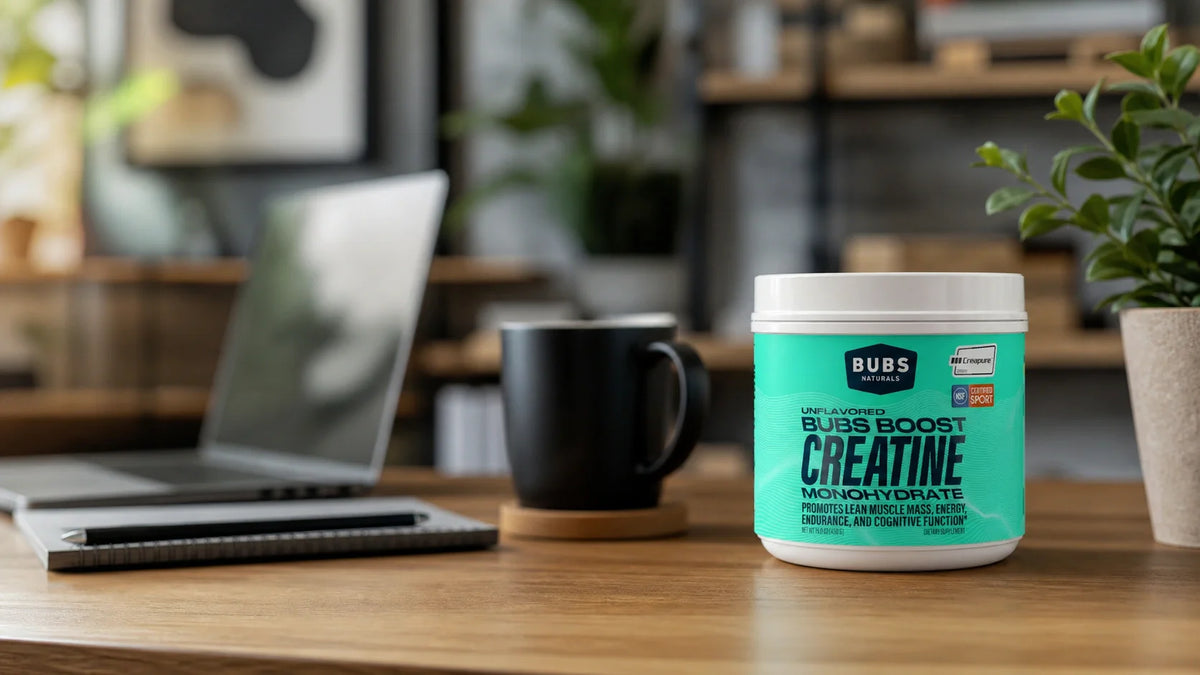
At BUBS, we believe in keeping things simple. Our Creatine Monohydrate is just that: one ingredient, no fillers, and rigorously tested. This is important because, as we will discuss later, it is often the impurities in lower-grade supplements that lead to the strange side effects people report. When you stick to the clean stuff, you’re supporting your body’s natural functions without introducing unnecessary variables.
The Great Carnitine Confusion
If creatine doesn't cause body odor, why does the myth persist? Much of the confusion stems from a different supplement with a similar-sounding name: L-Carnitine. While creatine and carnitine are both involved in energy metabolism, they function very differently and have entirely different side-effect profiles.
L-Carnitine is often used for its role in transporting fatty acids into the mitochondria to be burned for energy. However, carnitine has a well-known potential side effect: a "fishy" body odor. This happens because certain bacteria in the gut break down carnitine into a compound called trimethylamine (TMA). When TMA is produced in large quantities, it is excreted through sweat, breath, and urine, leading to a distinct, pungent smell.
In the fitness community, where people often take "stacks" of multiple supplements, it is easy for the reputation of one to bleed into the other. Someone might be taking a pre-workout that contains both creatine and carnitine, experience a change in body odor, and mistakenly blame the creatine. Furthermore, because both are amino acid derivatives associated with muscle building, they are frequently lumped together in casual conversation.
It’s also worth noting that many low-quality "muscle-building" blends are packed with various additives. If you aren't using a clean, single-ingredient product like our Creatine Monohydrate, you may be ingesting compounds that do affect your scent. This is why we are so adamant about our "no-BS" approach. We want you to know exactly what is going into your body so you can accurately track how you feel and perform.
Why You Might Smell Different During Training
While we’ve established that creatine isn't the direct cause of body odor, it is true that many people notice a change in their scent once they start a serious training and supplementation regimen. This usually comes down to three factors: diet, sweat types, and the "ammonia effect."
The Impact of High Protein Diets
Most people who supplement with creatine are also focused on a high-protein diet to support muscle growth. When your body breaks down large amounts of protein, it produces nitrogen as a byproduct. The body must then eliminate this nitrogen, usually by converting it into urea and excreting it through urine. However, if you are consuming more protein than your body can efficiently process, or if your kidneys are working overtime, some of that nitrogen can be excreted through sweat in the form of ammonia.
Ammonia has a very distinct, sharp, almost "bleach-like" smell. If you find that your gym clothes smell like a cleaning solution after a hard session, it’s likely a sign of your protein metabolism at work, not the creatine itself.
The Two Types of Sweat
It’s also helpful to understand that not all sweat is created equal. Your body has two main types of sweat glands: eccrine and apocrine.
-
Eccrine glands are found all over the body and produce a clear, odorless sweat that is mostly water and salt. This is what helps you cool down during a run.
-
Apocrine glands are located in areas with more hair follicles, like the armpits. These glands produce a thicker sweat that is rich in proteins and lipids.
When the sweat from apocrine glands reaches the surface of the skin, it interacts with local bacteria. It is the bacteria breaking down those proteins and fats that creates typical body odor. If you are training harder because your Creatine Monohydrate is giving you more energy and stamina, you are likely producing more apocrine sweat, giving bacteria more "fuel" to create an odor.
The Role of Bacteria
Your skin’s microbiome is unique to you. Changes in your lifestyle, diet, or even the intensity of your workouts can shift the balance of bacteria on your skin. If you are pushing yourself further in your sessions, the environment on your skin changes, which can lead to a more noticeable scent.
Hydration: The Secret to Staying Fresh
One of the most important things to remember about creatine is that it is "osmotically active." This means it draws water into your muscle cells. This is a good thing—it's part of how creatine supports muscle fullness and protein synthesis. However, if you aren't increasing your water intake to compensate for this shift, you can quickly become systemically dehydrated.
Dehydration is a leading cause of strong body odor and pungent urine. When you are dehydrated, your sweat becomes more concentrated. The waste products, minerals, and metabolites in your sweat are less diluted, making any natural scent much more aggressive. Think of it like a cup of coffee: the less water you use, the stronger the smell and taste.
This is where the BUBS philosophy of "Hydrate or Die" comes into play. We didn't just pick that name because it sounds tough; we picked it because hydration is the foundation of all performance and wellness. To support your body while using creatine, you need to ensure you are getting enough fluids and, more importantly, enough electrolytes to help that water actually get into your cells.
Our Hydrate or Die electrolytes are designed specifically for this purpose. By providing a balanced blend of sodium, potassium, and magnesium without any added sugar, they help maintain the fluid balance your body needs when you’re pushing your limits. If you've noticed a change in your scent since starting creatine, the first thing you should do is increase your intake of Hydrate or Die - Lemon or Hydrate or Die - Mixed Berry. Often, simply diluting the "output" of your body is enough to eliminate any unwanted odors.
Quality Matters: The BUBS Standards for Purity
If you've ever opened a tub of cheap supplements and been hit with a chemical or "off" smell, you've witnessed the importance of quality control. The supplement industry is notoriously under-regulated, and many products on the market contain impurities that can affect how your body processes them.
Contaminants like dicyandiamide or dihydrotriazine can be present in low-grade creatine that hasn't been properly filtered. While these aren't necessarily "body odor" chemicals, any time you introduce impurities into your system, your liver and kidneys have to work harder to filter them out. This stress on your metabolic pathways can lead to changes in your breath, sweat, and urine.
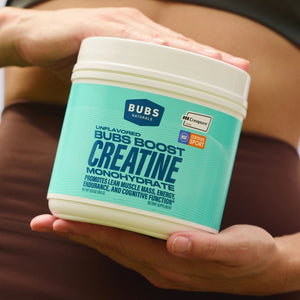
At BUBS Naturals, we don't cut corners. Our Creatine Monohydrate is NSF for Sport certified. This is the gold standard in the industry. It means that every batch is third-party tested to ensure that what is on the label is exactly what is in the bag, and nothing else. No banned substances, no heavy metals, and no "mystery" fillers.
When you choose a product like our Creatine Monohydrate, you are getting a 100% pure pharmaceutical-grade product. It dissolves easily in water, is completely odorless, and is processed by your body exactly the way nature intended. This commitment to purity is part of how we honor Glen Doherty's legacy—by doing things the right way, every time. We also take it a step further with our 10% Rule, donating a portion of every sale to help veterans, ensuring that your pursuit of wellness also serves a greater purpose.
The Holistic Approach: Balancing Your Routine
Wellness isn't about a single supplement; it's about how everything works together. If you’re worried about body odor while taking creatine, it’s worth looking at your entire daily routine. A holistic approach can help support your body’s natural detoxification pathways and keep your systems running smoothly.
For instance, supporting your gut health can have a direct impact on how you smell. The bacteria in your digestive tract play a huge role in how foods and supplements are broken down. Incorporating Apple Cider Vinegar Gummies into your daily habit can support healthy digestion and help your body process nutrients more efficiently.
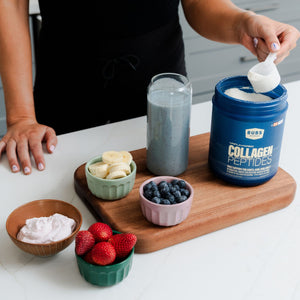
Similarly, recovery is just as important as the workout itself. While creatine supports the energy needed for the "work," products like our Collagen Peptides support the structural integrity of your joints, skin, and connective tissues. Collagen is rich in amino acids like glycine and proline, which are essential for repairing the "wear and tear" that happens during the intense sessions that creatine allows you to perform.
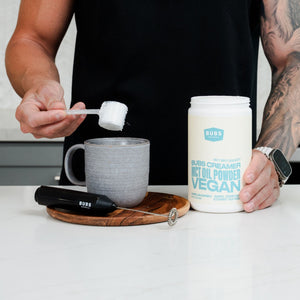
If you find that your energy levels are dipping and you're reaching for more caffeine (which can also increase sweating and odor), consider a cleaner source of fuel. Our MCT Oil Creamer provides fast-acting medium-chain triglycerides that support mental clarity and sustained energy. By fueling your brain and body with clean fats, you may find you need fewer stimulants, which can lead to a more "balanced" sweat profile.
Identifying the Real Source of the Smell
If you are taking high-quality Creatine Monohydrate and staying hydrated, but you still notice an odor, it’s time to play detective. There are several non-supplement factors that are much more likely to be the cause of body odor:
-
Gym Gear: Synthetic fabrics (like the ones in your favorite compression shirt) are notorious for "trapping" odors. Bacteria thrive in the weave of these fabrics, and even after a wash, some of the scent can remain, only to be "reactivated" as soon as you start to sweat again.
-
Hygiene Products: If you’ve increased your workout frequency, you might need to adjust your hygiene routine. Using a pH-balanced soap can help keep your skin’s microbiome in check.
-
Specific Foods: Onions, garlic, cruciferous vegetables (like broccoli and cabbage), and certain spices contain sulfur compounds that are naturally excreted through sweat.
-
Stress: Stress sweat is produced primarily by the apocrine glands and is significantly more pungent than "exercise sweat." If you’re pushing your body to the limit, you may also be under significant mental or physical stress.
It is easy to blame the new white powder in your shaker bottle, but more often than not, the culprit is one of these lifestyle factors. By maintaining a clean routine and focusing on high-quality ingredients, you can eliminate the variables and find what truly works for your body.
Maximizing Your Results with BUBS
The goal of supplementation is to remove obstacles between you and your potential. We want you to be able to train harder, recover faster, and feel better every day. Creatine is one of the most researched and effective supplements in history for a reason—it works. And when you use a clean, NSF-certified Creatine Monohydrate, you can enjoy those benefits without worrying about the myths.
To get the most out of your creatine, we recommend a consistent daily dose. You don't need a complicated "loading phase" that can sometimes cause digestive upset; just 5 grams a day, every day, will saturate your muscles over time. Mix it into your morning coffee with some Butter MCT Oil Creamer or toss it into your post-workout shake with Collagen Peptides.
Remember to support your immune system and overall health as you increase your training volume. Adding Vitamin C to your regimen can support antioxidant activity and collagen formation, ensuring your body has the "raw materials" it needs to handle the increased intensity.
Our mission at BUBS is to provide you with the tools to live a life of adventure and purpose. Whether you’re training for a marathon or just trying to stay active for your family, the quality of your fuel matters. By choosing clean, simple ingredients, you’re not just avoiding "smelly" side effects—you’re investing in your long-term health and honoring a legacy of excellence.
Conclusion
The question "can creatine cause body odor?" has a simple answer: no, not directly. As we’ve explored, pure Creatine Monohydrate is an odorless compound that is processed through the kidneys, not the sweat glands. Any changes in scent you might notice during your fitness journey are much more likely due to your protein intake, your hydration levels, the quality of your supplements, or even the shirt you’re wearing.
We've discussed the vital importance of staying hydrated with the Hydration Collection to ensure your body can efficiently flush out metabolites. We’ve also highlighted why the BUBS commitment to NSF for Sport certification is your best defense against the impurities that cause unwanted side effects. By focusing on a "no-BS" approach to wellness, you can train with confidence, knowing you are putting the very best into your body.
Don't let myths and locker room rumors hold you back from one of the most effective wellness tools available. If you want to support your strength, power, and recovery, there is no substitute for high-quality creatine. We invite you to experience the difference for yourself. Shop the BUBS Naturals Creatine Monohydrate today and see how clean, effective supplementation can power your next adventure. Together, we can push the limits of what’s possible, stay great, and give back along the way.
FAQ
Does creatine make your sweat smell like ammonia?
Creatine itself does not produce an ammonia smell. However, many people who take creatine also consume a high-protein diet. When the body breaks down excess protein, it produces nitrogen, which can be excreted through sweat as ammonia. This "bleach-like" smell is a byproduct of protein metabolism, not the creatine supplement itself. Ensuring you are well-hydrated with Hydrate or Die can help your kidneys process these byproducts more efficiently, potentially reducing the scent.
Why do some people say creatine makes them smell fishy?
The "fishy" body odor often associated with supplements is usually caused by L-Carnitine, not creatine. Some bacteria in the gut convert carnitine into trimethylamine (TMA), which has a strong fishy odor that can come out through sweat and breath. Because both are common in fitness supplements, they are often confused. To avoid unwanted odors, it is best to use a pure, single-ingredient Creatine Monohydrate like the one from BUBS Naturals.
Can low-quality creatine cause body odor?
Yes, lower-grade creatine supplements may contain impurities or fillers that are not present in pharmaceutical-grade products. These contaminants can put extra stress on your liver and kidneys as your body works to filter them out, which can lead to changes in your body's natural scent. This is why choosing a product that is NSF for Sport certified, like our Creatine Monohydrate, is essential for ensuring purity and avoiding "mystery" side effects.
How can I prevent body odor while taking creatine?
The most effective way to prevent any changes in body odor is to prioritize hydration. Creatine draws water into your muscles, so you must increase your fluid intake to prevent your sweat from becoming overly concentrated. Using a high-quality electrolyte like Hydrate or Die - Lemon ensures that your body stays balanced. Additionally, maintaining good hygiene, wearing moisture-wicking natural fibers, and using clean supplements like our Collagen Peptides can support your overall wellness and keep you feeling fresh.