Table of Contents
- Introduction
- The Foundation of Gut Health
- The Role of Collagen in Repairing the Gut Lining
- The Power of Specific Amino Acids
- Collagen and Digestive Efficiency
- The Connection Between Gut Health and the Microbiome
- Collagen and the Immune System
- How to Choose the Right Collagen for Your Gut
- Practical Ways to Use Collagen for Digestion
- Managing Expectations: How Long Does it Take?
- The BUBS Naturals Difference
- Conclusion
- FAQ
Introduction
You likely know collagen as the secret to glowing skin and strong joints. It is the most abundant protein in our bodies, acting as the structural "glue" that holds everything from our tendons to our skin together. However, a growing body of research and anecdotal evidence from athletes and wellness enthusiasts suggests that collagen’s most significant impact might actually happen deep within your digestive system.
At BUBS Naturals, we believe that true wellness starts from the inside out. While most people reach for Collagen Peptides to support their outward appearance, its ability to support the delicate lining of the gastrointestinal tract is where the real work begins. Understanding how this protein interacts with your gut can help you improve your digestion, energy levels, and overall recovery.
This article explores the specific science behind why collagen is good for gut health, the role of its unique amino acids, and how you can use it to support a more resilient digestive system. Collagen provides the specific building blocks necessary to repair the intestinal lining and support the overall function of your gut barrier.
Quick Answer: Collagen is good for gut health because it contains high concentrations of amino acids like glycine, glutamine, and proline, which help repair and strengthen the intestinal lining. By supporting the structural integrity of the gut wall, collagen may help reduce intestinal permeability and soothe inflammation.
The Foundation of Gut Health
The human gut is a complex system responsible for more than just breaking down your last meal. It is where you absorb nutrients, house the majority of your immune system, and produce many of the neurotransmitters that regulate your mood. The health of this system depends heavily on the integrity of the intestinal lining—a thin, delicate barrier that decides what enters your bloodstream and what stays out.
This barrier is made of a single layer of cells held together by "tight junctions." When these junctions are strong, your body effectively absorbs vitamins and minerals while blocking toxins, pathogens, and undigested food particles. When the barrier is compromised, it can lead to various digestive discomforts and systemic issues.
Collagen is a primary component of the connective tissue that makes up this intestinal wall. Because our bodies naturally produce less collagen as we age, or when we are under significant physical stress, the structural integrity of the gut can begin to falter. Supplementing with collagen provides the raw materials our bodies need to maintain and repair this essential barrier.
The Role of Collagen in Repairing the Gut Lining
One of the most discussed topics in modern wellness is intestinal permeability, often referred to as "leaky gut." This occurs when the tight junctions in the intestinal wall become loose, allowing substances to "leak" into the bloodstream. This can trigger an immune response, leading to bloating, fatigue, and general discomfort.
Collagen helps mitigate this by providing the specific amino acids required to "seal" these gaps. Think of the gut lining like a mesh screen. Over time, the screen can develop tears. Collagen acts as the repair kit that patches those holes, ensuring the screen remains effective at its job.
By strengthening the intestinal wall, we help our bodies maintain a more controlled environment. This support of the gut barrier is one of the primary reasons many people report feeling less bloated and more "regular" after incorporating collagen into their daily routine. It isn't just about digestion; it’s about the structural health of the organs doing the digesting. For a deeper look at sensitive digestion, our Gut Health Insights article is a helpful next read.
The Power of Specific Amino Acids
Not all proteins are created equal. While a steak or a whey shake provides protein, collagen has a unique amino acid profile that specifically targets connective tissue and the gut lining. Three amino acids, in particular, do the heavy lifting for your digestive health.
Glycine: The Anti-Inflammatory Specialist
Glycine makes up about one-third of the collagen molecule. It is a powerful amino acid known for its ability to support healthy inflammation levels in the digestive tract. Research suggests that glycine can help protect the stomach lining and may even help balance stomach acid. When your gut is less inflamed, it can focus its energy on nutrient absorption and cellular repair rather than constant defense.
Glutamine: The Gut Fuel
Glutamine is perhaps the most important amino acid for the cells that line the small intestine. These cells use glutamine as their primary fuel source. By providing a steady supply of glutamine through collagen, we give our gut cells the energy they need to regenerate quickly. This is vital because the lining of the gut is one of the fastest-turning-over tissues in the human body, requiring constant maintenance.
Proline: The Structural Architect
Proline is essential for the stability of collagen fibers. It helps the body build and maintain the physical structure of the intestinal wall. Without enough proline, the "glue" that holds the gut lining together becomes weak and brittle. Proline ensures that the repair work done by glycine and glutamine is durable and long-lasting.
Key Takeaway: The specific combination of glycine, glutamine, and proline in collagen makes it uniquely suited for gut repair compared to other protein sources. These amino acids work together to fuel gut cells, soothe inflammation, and reinforce the physical structure of the intestinal barrier. If you want a broader look at how collagen supports the body, our Collagen Protein Benefits guide is a helpful companion.
Collagen and Digestive Efficiency
Beyond just repairing the gut lining, collagen may help the actual process of digestion. It is a hydrophilic molecule, which means it is naturally attracted to water and acidic molecules. When you consume collagen, it helps move water and stomach acid through the digestive tract.
This attraction helps food move more smoothly through the GI tract, which can assist with bowel regularity. Many people find that they experience less "heaviness" after meals when their collagen levels are sufficient. Furthermore, by helping to regulate stomach acid, collagen may support the breakdown of other proteins and fats, making your entire digestive system more efficient.
Better digestion leads to better nutrient absorption. If your gut is healthy and the transit of food is optimal, you get more out of the high-quality foods you eat. This is especially important for athletes or anyone living an active lifestyle who needs to maximize their fuel for Recovery Benefits.
The Connection Between Gut Health and the Microbiome
The gut microbiome is the collection of trillions of bacteria living in your digestive system. A healthy microbiome requires a healthy environment to thrive. If the gut lining is inflamed or compromised, it becomes difficult for "good" bacteria to maintain a balanced ecosystem.
Collagen may support a healthy microbiome by providing a stable, low-inflammation environment where beneficial bacteria can flourish. Some studies suggest that collagen peptides may even support the production of short-chain fatty acids (SCFAs). SCFAs are essential because they provide energy for colon cells and help regulate the immune system.
When the gut barrier is strong and the environment is stable, the microbiome stays in balance. This balance is linked to everything from clearer skin to improved mental clarity. By focusing on the structural health of the gut with collagen, we are essentially "tilling the soil" so that the beneficial bacteria can grow. For a broader view of structural support, our Whole Body Collagen guide is a useful companion read.
Collagen and the Immune System
It is often said that 70% to 80% of the immune system resides in the gut. This is because the gut is the primary interface between the outside world and your internal systems. The "gut-associated lymphoid tissue" (GALT) is constantly scanning everything you eat and drink for potential threats.
If your gut lining is weak, your immune system stays in a state of high alert, reacting to particles that shouldn't be in the bloodstream. This chronic activation can lead to fatigue and slow recovery times. By using collagen to support a strong gut barrier, we help the immune system stay focused on real threats rather than reacting to undigested food.
Our mission is to help people live lives full of adventure and purpose, inspired by Glen "BUB" Doherty. A healthy immune system is the foundation of that. When your gut is healthy, your body spends less energy on internal "fires" and more energy on the things you love to do, whether that’s training for a marathon or hiking with your family.
In keeping with our mission of purpose, we follow the 10% Rule—donating 10% of all profits to veteran-focused charities in BUB's honor. It’s our way of ensuring that every scoop of collagen you take doesn't just help your gut—it helps a community of people who have dedicated their lives to serving others.
How to Choose the Right Collagen for Your Gut
If you are looking to support your gut health, the quality of the collagen matters immensely. The market is full of products with fillers, artificial sweeteners, and low-quality sourcing that can actually irritate a sensitive gut.
We recommend looking for "hydrolyzed" collagen peptides. Hydrolyzation is a process that breaks down the long chains of collagen into smaller, more easily absorbed pieces. This makes it much easier on your digestive system to process and utilize the amino acids.
What to Look For:
-
Grass-Fed and Pasture-Raised: This ensures the animal source was healthy and free from unnecessary hormones or antibiotics.
-
Single Ingredient: Avoid products with "natural flavors" or sweeteners, as these can trigger bloating in some people.
-
Third-Party Testing: Look for certifications like NSF for Sport. This ensures the product is clean and contains exactly what it says on the label.
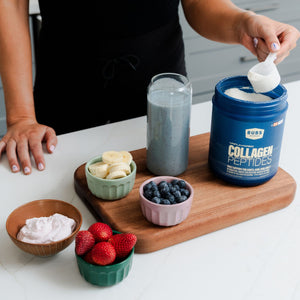
Our BUBS Naturals Collagen Peptides are designed with this "no BS" philosophy. We use only grass-fed, pasture-raised bovine collagen that is hydrolyzed for maximum bioavailability. It mixes effortlessly into any liquid, so it doesn’t add any gritty texture or unwanted flavor to your morning coffee or post-workout shake.
Practical Ways to Use Collagen for Digestion
Consistency is the most important factor when using collagen for gut health. Repairing the intestinal lining isn't an overnight process; it’s a daily habit that supports long-term resilience.
The Morning Routine
Many people find success by adding a scoop of collagen to their morning coffee or tea. Because collagen is heat-stable, it won't lose its effectiveness in hot liquids. Starting your day with these gut-supporting amino acids provides a "primer" for your digestive system before you eat your first meal.
Post-Workout Recovery
If you’re a hard trainer, your gut can actually become stressed during intense exercise. Blood is diverted away from the digestive system to the muscles, which can temporarily weaken the gut barrier. Adding collagen to your post-workout shake helps provide the glutamine and glycine needed to repair any stress-induced permeability.
Evening Soother
Some prefer taking collagen in the evening, perhaps mixed into a warm cup of herbal tea or bone broth. Glycine has been shown to have a calming effect on the nervous system, which may help you wind down for better sleep while your body does the heavy lifting of tissue repair overnight.
On especially sweaty days, the Electrolytes collection can complement that routine.
Managing Expectations: How Long Does it Take?
While some people notice a reduction in bloating or improved regularity within a week, the structural repair of the gut lining generally takes more time. Most research on collagen and connective tissue suggests that consistent daily use over 4 to 8 weeks is necessary to see significant changes in tissue integrity.
It is also important to remember that collagen is a supplement, not a magic fix. It works best when paired with a gut-friendly lifestyle. This means staying hydrated with Hydrate or Die, managing stress, and eating a diet rich in whole foods and fiber. Think of collagen as a high-quality tool in your wellness kit—it makes the job much easier, but you still have to do the work.
Bottom line: Collagen is a foundational supplement for gut health because it provides the structural components necessary to maintain a strong, resilient intestinal barrier. By supporting the gut lining and aiding digestion, it can help improve nutrient absorption and support your overall well-being.
The BUBS Naturals Difference
We didn't start this brand just to sell supplements. We started it to honor the life of Glen "BUB" Doherty, a Navy SEAL who lived a life of adventure and service. Our products are built to survive the same rigors that he did—clean, effective, and reliable.
When you choose us, you are getting more than just a tub of protein. You are getting a product that is third-party tested and designed to mix perfectly into your life. Whether you are recovering from a long mission or just trying to fix a stubborn digestive issue, we provide the clean fuel you need.
In keeping with our mission of purpose, we donate 10% of all profits to veteran-focused charities in BUB's honor. It’s our way of ensuring that every scoop of collagen you take doesn't just help your gut—it helps a community of people who have dedicated their lives to serving others.
Conclusion
The connection between collagen and gut health is clear: by providing the essential building blocks for our connective tissues, we can support a stronger, more efficient digestive system. From sealing the gut lining to soothing inflammation with glycine, collagen addresses the root causes of many common digestive struggles.
If you are ready to take control of your gut health, start with the basics. Clean ingredients, consistent habits, and a focus on structural repair will always yield the best results.
-
Prioritize Quality: Stick to grass-fed, hydrolyzed peptides without additives.
-
Be Consistent: Aim for 10-20 grams daily for at least a month.
-
Listen to Your Body: Pay attention to how your digestion and energy levels shift over time.
We invite you to experience the difference that high-quality, mission-driven nutrition can make. Your gut is the engine of your health—treat it with the respect it deserves.
FAQ
Does collagen help with bloating?
Many people find that collagen may help reduce bloating by supporting a stronger gut lining and aiding in the efficient breakdown of food. By reducing the number of undigested particles that pass through the intestinal barrier, collagen can help minimize the immune response and gas production that often lead to a bloated feeling. If your digestion is especially sensitive, our Gut Health Insights article is a useful companion.
Is bovine or marine collagen better for the gut?
Both bovine and marine collagen provide the essential amino acids (glycine, proline, and hydroxyproline) that support the gut lining. Bovine collagen is often rich in Types I and III, which are highly effective for structural support in the digestive tract, while marine collagen is primarily Type I and known for its small particle size and easy absorption.
How much collagen should I take for gut health?
Most studies and health experts suggest a daily serving of 10 to 20 grams of collagen peptides to support gut health and connective tissue. It is generally recommended to start with one scoop (about 10 grams) daily to see how your body responds and then adjust based on your specific needs or activity levels.
Can collagen cause stomach upset?
While collagen is generally very well tolerated, some people may experience mild digestive discomfort if they take too much too quickly. To avoid this, choose a high-quality, hydrolyzed collagen that is free from artificial sweeteners or fillers, and start with a smaller dose to allow your digestive system to adapt.