Table of Contents
- Introduction
- What is Collagen and Why Does the Body Need It?
- Understanding the Different Types of Collagen
- How Collagen Supports Joint Health and Mobility
- Skin, Hair, and Nail Vitality
- Muscle Mass and Physical Recovery
- Bone Density and Strength
- Gut Health and Digestion
- Why Quality and Source Matter
- How to Incorporate Collagen Into Your Daily Routine
- Myth vs. Fact: Setting the Record Straight
- Is Collagen Safe for Everyone?
- The Role of Collagen in a Purpose-Driven Life
- Conclusion
- FAQ
Introduction
If you lead an active life, you know the toll that training, adventure, and even daily routines can take on your frame. Whether it is a lingering stiffness in your knees after a morning run or noticing that your skin and hair do not bounce back like they used to, these changes are often tied to a single structural protein: collagen. As the most abundant protein in the human body, it acts as the literal glue holding your joints, skin, and connective tissues together.
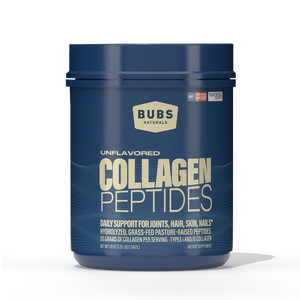
At BUBS Naturals, we believe that understanding the foundations of your health is the first step toward better performance and longevity. We focus on clean, science-backed nutrition that fits into a lifestyle of movement and purpose, and our Collagen Peptides are designed to fit that routine with ease.
We will break down the science of how this protein works, the different types you need to know about, and what to look for in a high-quality supplement. The goal is to provide a clear, no-nonsense look at whether collagen is truly beneficial for your body.
What is Collagen and Why Does the Body Need It?
Collagen is a structural protein that makes up roughly one-third of the protein composition in your body. Think of it as the internal scaffolding that provides strength and elasticity to various tissues. It is found in your bones, skin, muscles, tendons, and ligaments. Without it, your body would lack the structural integrity required to move efficiently or protect your internal organs.
The body produces collagen naturally by breaking down dietary protein into amino acids. Specifically, collagen is rich in glycine, proline, and hydroxyproline. These amino acids are used by cells called fibroblasts to weave together long, rope-like fibers that can withstand significant tension. This is why collagen is so vital for athletes and anyone who puts their body through regular physical stress; it provides the "give" in your tendons and the "cushion" in your cartilage.
Unfortunately, natural production does not stay at peak levels forever. Starting in your mid-20s, your body’s ability to manufacture collagen begins a slow, steady decline. This process is further accelerated by environmental factors like UV exposure, high sugar intake, and smoking. When production slows down, the structural integrity of your tissues begins to weaken. This often manifests as thinner skin, brittle nails, and joints that feel less "greased" and more prone to discomfort.
Understanding the Different Types of Collagen
Not all collagen is the same. While scientists have identified nearly 30 different types, the vast majority of the collagen in your body belongs to three specific categories. Understanding these helps you choose a supplement that aligns with your physical needs.
Type I Collagen
Type I is the heavyweight champion of the collagen world, accounting for about 90% of your body's total supply. It is made of densely packed fibers and provides structure to your skin, bones, tendons, fibrous cartilage, connective tissue, and teeth. If you are looking for support in skin elasticity or bone strength, Type I is the primary driver.
Type II Collagen
This type is found in elastic cartilage, which provides joint support. It is the primary component of the "padding" between your bones. For those focusing specifically on joint health and alleviating the wear and tear of high-impact sports, Type II is often the focus.
Type III Collagen
Type III supports the structure of muscles, organs, and arteries. It is often found alongside Type I and plays a significant role in the health of your cardiovascular system and the integrity of your gut lining. Because our BUBS Collagen Peptides include both Type I and Type III, they offer a broad range of support for both the visible (skin/hair) and the functional (muscles/joints) parts of the body.
How Collagen Supports Joint Health and Mobility
One of the most common reasons active individuals ask if collagen is good for the body is to address joint discomfort. Every time you lift a weight, climb a mountain, or go for a jog, your joints absorb the impact. Over time, the cartilage—the smooth tissue that protects the ends of your bones—can begin to wear down.
Collagen may support joint health by helping to maintain the integrity of this cartilage. When you consume hydrolyzed collagen (collagen that has been broken down into smaller peptides), those amino acids can travel to the areas where they are needed most. Research suggests that these peptides may accumulate in the cartilage and stimulate your tissues to make new collagen. For a deeper dive, read How Collagen Helps Joints.
For many people, this translates to better mobility and less discomfort during activity. It is not a "fix" for a specific injury, but rather a way to provide the body with the raw materials it needs to repair and maintain its own cushioning. Many athletes report that consistent use helps their joints feel more resilient, allowing them to train harder and recover more effectively between sessions.
Skin, Hair, and Nail Vitality
While joint health is a functional benefit, the structural role of collagen is most visible in the skin. Collagen fibers provide the "snap" and hydration that keep skin looking firm and healthy. As production wanes, the skin loses its ability to retain moisture and structural tension, leading to fine lines and a thinner appearance.
Collagen can help support skin hydration and elasticity from the inside out. Unlike topical creams that struggle to penetrate the deeper layers of the dermis, ingested collagen peptides enter the bloodstream and reach the deeper layers of the skin directly. This process may support the production of other proteins that help structure your skin, such as elastin and fibrillin. For more detail, see What is the Best Collagen for Hair, Skin, and Nails?.
Beyond skin, collagen is also a source of amino acids like proline, which is a key component of keratin—the protein that makes up your hair and nails. Providing your body with an abundant supply of these building blocks can help support stronger nails and healthier hair growth, especially if your dietary protein intake is otherwise inconsistent.
Muscle Mass and Physical Recovery
It is a common misconception that collagen is just for skin and joints. It also plays a vital role in the muscular system. While it is not a "complete" protein in the way whey or beef protein is (because it lacks the essential amino acid tryptophan), it is an incredible secondary source of protein for active people.
Collagen may help support muscle mass when combined with resistance training. It contains high amounts of glycine and arginine, which are precursors to creatine. We know that Creatine Monohydrate is essential for fueling muscle contractions and supporting power output. Furthermore, collagen is a major component of the fascia and connective tissue that surrounds every muscle fiber. Strengthening this connective tissue can help the overall structural integrity of your muscles, potentially reducing the risk of minor strains during heavy lifting.
Key Takeaway: Collagen acts as the infrastructure for your muscles. While it shouldn't replace your primary protein sources for building bulk, it is a valuable tool for supporting the connective tissues that allow those muscles to function at their peak.
Bone Density and Strength
We often think of bones as hard, static objects made mostly of calcium. In reality, bone is a living tissue that is constantly being broken down and rebuilt. Collagen provides the flexible framework for your bones, while calcium provides the hardness. Without enough collagen, bones can become brittle and more prone to fractures.
As we age, bone mass tends to decrease. Studies have shown that taking collagen supplements may have a positive effect on bone mineral density. By supporting the organic matrix of the bone, collagen helps maintain the strength and flexibility needed to withstand impact and weight-bearing exercise. If bone support is a priority, What Is the Best Collagen Supplement for Bones? is a helpful next read.
This makes it a foundational supplement for long-term skeletal health, particularly for those who plan on staying active well into their later years.
Gut Health and Digestion
The gut is the gateway to your health. If your digestive system isn't functioning correctly, it doesn't matter how well you eat or what supplements you take—you won't be absorbing the nutrients effectively. Collagen contains large amounts of glycine, an amino acid that has been linked to gut health.
Collagen can support the gut lining by providing the building blocks to repair the delicate mucous membrane of the digestive tract. Some people experience "leaky gut," where the intestinal wall becomes overly permeable, allowing toxins and food particles to enter the bloodstream. The structural amino acids in collagen help "seal" these gaps, promoting better digestion and a more robust immune response. For a broader overview, see What Are Collagen Peptides and Their Benefits?. Because we value simple, clean ingredients, our products are designed to be easy on the stomach, making them a smooth addition to a gut-healthy routine.
Why Quality and Source Matter
If you decide that collagen is good for your body, the next step is choosing a source that actually delivers results. Not all supplements are created equal. The market is full of products that contain fillers, additives, or are sourced from low-quality environments.
Grass-Fed and Pasture-Raised
The source of the collagen matters for the nutrient profile and your peace of mind. We utilize grass-fed and pasture-raised bovine collagen because it aligns with our commitment to clean nutrition. Cattle that are allowed to graze naturally produce a cleaner, more consistent product than those raised in confined operations.
Hydrolyzed for Bioavailability
Raw collagen is a massive molecule that is difficult for the human body to digest and absorb. To make it effective, it must undergo a process called hydrolysis. This breaks the long protein chains into smaller "peptides." These peptides are highly bioavailable, meaning they are easily absorbed into the bloodstream and can be utilized by the body quickly.
Third-Party Testing
In the world of supplements, trust is everything. We take this seriously, which is why our products undergo rigorous third-party testing. If safety is a priority, What is the Safest Collagen Supplement? is worth a look. Being NSF for Sport certified means that professional athletes, military personnel, and everyday fitness enthusiasts can trust that what is on the label is exactly what is in the tub. No banned substances, no hidden junk—just pure, effective nutrition.
How to Incorporate Collagen Into Your Daily Routine
Consistency is the secret to seeing benefits from collagen. It is not a "one-and-done" supplement; it works by gradually building up the amino acid pools in your body over time. Most people start to notice changes in their skin within 4 to 6 weeks, while joint and bone benefits may take 3 to 4 months of daily use.
Dosing and Timing
-
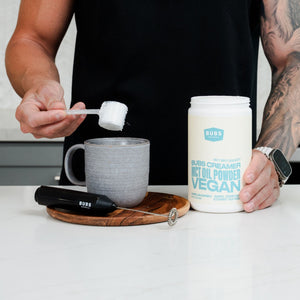
Standard Dose: Most studies suggest a daily dose of 10 to 20 grams. One scoop of BUBS Naturals Collagen Peptides provides roughly 20 grams of high-quality protein.
-
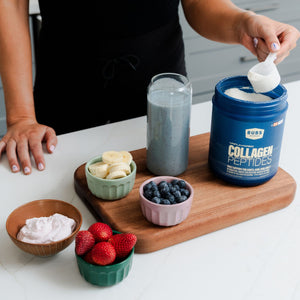
Timing: There is no "perfect" time to take collagen, but many people find it easiest to anchor it to an existing habit. Mixing it into your morning coffee or your post-workout shake are two of the most popular methods.
-
Pairing with Vitamin C: Vitamin C is a critical cofactor in collagen synthesis. Without it, your body cannot effectively turn those amino acids into new collagen fibers. Pairing your supplement with a source of Vitamin C or a piece of fruit can help maximize the results.
Note: Collagen is heat-stable, meaning you can stir it into hot coffee, soups, or stews without damaging the protein structure. This makes it one of the most versatile supplements to add to your pantry.
Myth vs. Fact: Setting the Record Straight
The wellness industry is often clouded by hype. Let’s look at some common misconceptions about whether collagen is good for the body.
Myth: Collagen is just another protein powder.
Fact: While it is a protein, its amino acid profile is unique. It contains significantly higher concentrations of glycine and proline than whey or pea protein. These specific aminos are the primary drivers for connective tissue repair, which other proteins do not target as effectively.
Myth: You can get all the collagen you need from food.
Fact: While bone broth and organ meats are great sources, they are rarely consumed in the quantities needed to offset the natural decline in production. Supplementing with hydrolyzed peptides provides a concentrated, easy-to-digest dose that is difficult to match with a modern diet alone.
Myth: Results are immediate.
Fact: Collagen works on a cellular level to rebuild tissue. This takes time. Think of it like training for a marathon; you don’t see the results after one run, but the cumulative effect of daily effort creates a significant change over several months.
Is Collagen Safe for Everyone?
For the vast majority of people, collagen is an extremely safe and well-tolerated supplement. Because it is a food-based protein, side effects are rare. Some individuals may experience a mild feeling of fullness or a lingering taste, though high-quality hydrolyzed peptides like ours are designed to be virtually tasteless and dissolve completely.
If you have a known allergy to beef or specific animal proteins, you should exercise caution. As with any change to your nutritional protocol, it is always a smart move to consult with a healthcare professional, especially if you are pregnant, nursing, or managing a specific medical condition.
The Role of Collagen in a Purpose-Driven Life
Wellness isn't just about looking better in the mirror; it's about having a body that can keep up with your ambitions. Whether your "adventure" is a weekend hike, a grueling CrossFit session, or simply keeping up with your kids, your physical framework needs support.
We started BUBS Naturals to provide products that help people live better and go further. Our collagen isn't just a supplement; it’s a tool for resilience. By supporting the structural health of your body, you are investing in your future self. You are ensuring that your joints stay mobile, your muscles stay supported, and your recovery stays on track.
Every tub of our collagen also carries a deeper mission. We were founded in honor of Glen "BUB" Doherty, a Navy SEAL who lived a life of adventure and service. To keep his legacy alive, we donate 10% of all profits to veteran-focused charities. Learn more through our Giving Back to Veterans & Our Communities story. When you choose to support your own body with our products, you are also supporting a larger community of those who have served.
Conclusion
So, is collagen good for the body? The evidence suggests that for most active individuals, it is an excellent addition to a wellness routine. From supporting joint mobility and skin elasticity to aiding gut health and muscle recovery, the benefits are wide-ranging and backed by biology. By providing your body with the specific amino acids it needs to maintain its structural "glue," you can help bridge the gap created by aging and physical stress.
Bottom line: Collagen is a foundational protein that supports the "scaffolding" of your body, making it a valuable tool for anyone looking to maintain an active, high-performance lifestyle.
If you want to round out your routine, explore the Boosts collection for other daily staples that fit a clean, focused wellness stack.
-
Prioritize Quality: Look for grass-fed, hydrolyzed peptides to ensure maximum absorption.
-
Be Consistent: Take it daily for at least 60-90 days to see the full structural benefits.
-
Pair for Success: Ensure you have adequate Vitamin C intake to help the collagen "stick."
-
Trust the Process: Focus on long-term health and structural integrity rather than overnight fixes.
If you are ready to see how a clean, high-quality collagen can fit into your life, give our Collagen Peptides a try. One scoop a day is all it takes to start supporting your body’s most vital structural needs.
FAQ
How long does it take for collagen to start working?
Most people begin to see improvements in skin hydration and nail strength within 4 to 6 weeks of daily use. For deeper structural changes, such as improved joint comfort or bone density support, it typically takes 3 to 4 months of consistent supplementation. Because collagen works by rebuilding tissue at a cellular level, patience and daily habit are essential for seeing results.
Can I take collagen if I already eat a high-protein diet?
Yes, because collagen offers a different set of amino acids than traditional protein sources like chicken, fish, or whey. While a high-protein diet is great for muscle protein synthesis, it often lacks the concentrated glycine and proline found in collagen that specifically target connective tissues and joints. Adding collagen to your routine ensures you are covering the structural needs of your body that other proteins might miss.
Does collagen help with weight management?
While collagen is not a weight-loss miracle, it can support weight management goals by increasing satiety. Like any protein, collagen helps you feel fuller for longer, which may reduce the urge to snack between meals. Additionally, its role in supporting muscle mass can help maintain a healthy metabolism, as muscle tissue burns more calories at rest than fat tissue.
Is there a difference between collagen powder and pills?
The main difference is the dosage and convenience. To get the clinically recommended dose of 10-20 grams of collagen, you would need to swallow a large number of pills every day. Powdered collagen, like our easy-mixing peptides, allows you to get an effective dose in a single scoop that can be easily added to your favorite beverages or foods.