Table of Contents
- Introduction
- The Foundation: What Exactly Is Collagen?
- Supporting Joint Health and Mobility
- Skin Elasticity and the Aging Process
- Hair and Nail Strength
- Muscle Recovery and Lean Mass Support
- Gut Health and the Intestinal Lining
- Why Do Collagen Levels Decline?
- Sourcing and Quality: Why It Matters
- How to Effectively Use Collagen
- Who Should Take Collagen?
- The BUBS Approach to Wellness
- Conclusion
- FAQ
Introduction
You might first notice it in the mirror as fine lines appear, or perhaps you feel it in your knees after a long hike or a heavy lifting session. These subtle changes are often your body’s way of signaling a decline in its most abundant protein. Collagen acts as the internal "glue" that holds everything together, providing structure to your skin, strength to your bones, and resilience to your joints.
At BUBS Naturals, we believe that understanding the foundations of your physical health is the first step toward better performance and longevity. Whether you are an elite athlete or someone looking to maintain mobility as you age, knowing how this protein functions can change how you approach your daily routine. This guide explores the diverse roles collagen plays in the body, the science behind its benefits, and how you can support your levels naturally.
Collagen is not just a beauty supplement; it is a structural powerhouse that supports nearly every part of your physical framework.
The Foundation: What Exactly Is Collagen?
To understand what collagen is good for, you first have to understand what it is. Collagen is a structural protein made up of various amino acids, primarily glycine, proline, and hydroxyproline. It accounts for roughly 30% of the total protein in the human body. Think of it as the scaffolding of a building. Without it, the entire structure would lose its integrity and collapse.
There are at least 16 different types of collagen, but the vast majority of the collagen in your body consists of Types I, II, and III. Type I collagen is found in your skin, tendons, and bone tissue. It is incredibly strong—gram for gram, Type I collagen fibers are stronger than steel. Type III collagen is usually found alongside Type I and supports the structure of muscles, organs, and arteries.
When you look for a supplement, you will often see the term "hydrolyzed." Hydrolyzed collagen means the long protein chains have been broken down into smaller pieces called peptides through a process called hydrolysis. These smaller peptides are much easier for your body to digest and absorb, allowing the amino acids to reach the tissues where they are needed most.
Supporting Joint Health and Mobility
One of the most common reasons people explore collagen is to support their joints. Your joints are cushioned by cartilage, a firm, rubbery tissue that allows for smooth movement and prevents bones from rubbing against each other. As you age or put your body through intense physical stress, the collagen levels in your cartilage can begin to diminish.
Research suggests that collagen peptides may support joint health, as discussed in Does Collagen Support Joints?. When you consume collagen, the peptides may accumulate in the cartilage and trigger your cells to create more of their own collagen. This process can help maintain the integrity of the cartilage and support overall joint comfort during activity.
For those who lead an active lifestyle, the wear and tear on tendons and ligaments is a constant concern. These connective tissues are almost entirely made of collagen. By providing the body with the specific amino acids needed to repair these tissues, you may help support your body’s natural recovery process after a strenuous workout or a long day on the trail.
Key Takeaway: Collagen provides the raw materials necessary to support the cartilage, tendons, and ligaments that keep your joints moving smoothly and comfortably.
Skin Elasticity and the Aging Process
The most visible role of collagen is in the skin. It is responsible for giving your skin its bounce, firmness, and hydration. In your youth, your body produces collagen at a high rate, which is why young skin looks plump and smooth. However, starting in your mid-20s, natural collagen production begins to slow down.
The loss of collagen leads to thinner skin, increased dryness, and the formation of wrinkles. Environmental factors like UV exposure, pollution, and a high-sugar diet can accelerate this breakdown. When collagen levels drop, the skin’s "matrix" weakens, leading to the sagging and fine lines often associated with aging.
Supplementing with collagen may help support skin elasticity and moisture levels, and Is Taking Collagen Healthy? looks at that research in more detail. It is not about "fixing" the skin from the outside with creams; it is about providing the nutritional support the skin needs from the inside out to maintain its structural integrity.
Hair and Nail Strength
If you find that your hair is thinning or your nails are becoming brittle and prone to breaking, it may be a sign that your body needs more structural support. While hair is primarily made of a protein called keratin, your body uses several amino acids found in collagen to build those keratin structures.
Proline is a key component of keratin, and it is found in high concentrations within collagen peptides. By ensuring you have an adequate supply of these amino acids, you may support the strength and growth rate of your hair. Furthermore, collagen acts as an antioxidant that can help protect hair follicles from damage caused by free radicals.
Nails are also highly dependent on protein for their strength. Many people report that their nails grow faster and feel significantly harder after incorporating collagen into their daily routine. If you are tired of nails that peel or break at the slightest impact, supporting your internal collagen levels is a logical place to start.
Muscle Recovery and Lean Mass Support
While collagen is not a complete protein—it lacks the essential amino acid tryptophan—it still plays a vital role in muscle health. It contains high amounts of glycine and arginine, which are important for the natural synthesis of creatine in the body. Creatine Monohydrate is a well-known compound that supports energy production during short bursts of intense exercise.
Collagen may support muscle recovery by providing the building blocks for the connective tissues that surround your muscle fibers. Every time you lift weights or run, you create micro-tears not just in the muscle, but in the connective sheaths as well. Repairing this "fascia" is just as important as repairing the muscle itself for total functional strength.
For older adults, maintaining lean muscle mass is a critical part of staying healthy and independent. While whey or plant-based proteins are better for stimulating muscle protein synthesis, collagen can be an excellent secondary protein source that supports the overall "frame" of the muscular system.
Note: Because collagen is missing one essential amino acid, it should not be your only source of protein. It is best used as a supplement to a balanced diet rich in diverse protein sources.
Gut Health and the Intestinal Lining
In the world of wellness, the gut is often considered the foundation of health. The lining of your digestive tract is a delicate barrier that decides what enters your bloodstream and what stays out. This lining is made up of a single layer of cells held together by—you guessed it—collagen.
Amino acids like glutamine and glycine, found in collagen, are known to support the health of the intestinal wall. Some health enthusiasts use collagen to support the "tight junctions" in the gut, which may help maintain a healthy inflammatory response in the digestive system. A strong gut lining is essential for proper nutrient absorption and immune function.
If you frequently experience digestive discomfort or feel that your gut health could be improved, adding a clean source of collagen to your morning routine may provide the soothing support your digestive tract needs. Because it is flavorless and easy to digest, it is a gentle way to introduce these beneficial amino acids into your system.
Why Do Collagen Levels Decline?
Understanding what collagen is good for also requires understanding what destroys it. Even if you are taking a supplement, certain lifestyle factors can "drain the tank" faster than you can refill it.
-
Aging: This is the primary driver. After age 25, we lose about 1% of our collagen per year.
-
UV Exposure: Sunlight breaks down collagen fibers in the skin through oxidative stress.
-
Sugar Intake: High sugar consumption leads to a process called glycation, where sugar molecules attach to collagen and make it brittle.
-
Smoking: Chemicals in tobacco damage both collagen and elastin, leading to premature aging and poor wound healing.
Protecting your existing collagen is just as important as supplementing. This means wearing sunscreen, eating a diet rich in antioxidants, and avoiding lifestyle habits that cause unnecessary inflammation.
Sourcing and Quality: Why It Matters
Not all collagen is created equal. The source of the collagen and how it is processed significantly impacts its effectiveness and safety. Most collagen supplements are derived from bovine (cow), porcine (pig), or marine (fish) sources.
When we developed BUBS Naturals Collagen Peptides, we focused on sourcing only from grass-fed and pasture-raised bovine hides. This ensures a clean product without the hormones or antibiotics often found in factory-farmed animals. Furthermore, the processing of the collagen matters. It should be unflavored, easy to mix, and free from artificial fillers or "BS" ingredients that provide no nutritional value.
Third-party testing is another critical factor. For athletes and military personnel, knowing exactly what is in a container is a matter of professional safety. We ensure our collagen is NSF for Sport certified, which is the highest standard for purity and safety in the supplement industry. It means that what is on the label is exactly what is in the tub, with no banned substances or contaminants.
How to Effectively Use Collagen
To get the most out of collagen, consistency is the most important factor. It is not a "one and done" solution; it is a nutritional habit that yields results over weeks and months.
Finding Your Dose
Most studies suggest a daily dose of 10 to 20 grams of collagen peptides. This is usually about one to two scoops of a high-quality powder. Some people prefer a "loading phase" where they take a slightly higher dose for the first month, but for most, a consistent daily scoop is sufficient to see benefits over time.
Timing and Mixing
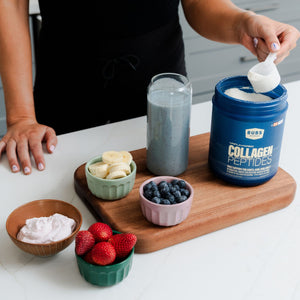
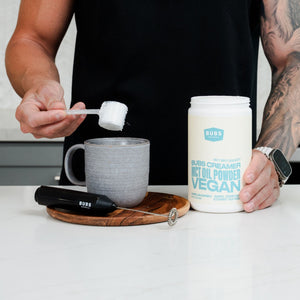
Collagen is incredibly versatile because it is heat-stable. You can mix it into your morning coffee, stir it into oatmeal, or shake it up in a post-workout smoothie. Because it is unflavored, it won’t change the taste of your favorite drinks. Many of our community members love mixing it with a clean fat source like our MCT Oil Creamer for a double-duty morning brew that supports both brain health and structural integrity.
The Role of Vitamin C
Vitamin C is a required cofactor for collagen synthesis. Without it, your body cannot effectively turn the amino acids from your supplement into the collagen fibers that support your skin and joints. If you are taking collagen, make sure your diet includes plenty of Vitamin C from sources like citrus fruits, bell peppers, or a high-quality Vitamin C supplement.
Myth: You have to take collagen on an empty stomach for it to work.
Fact: While some people prefer taking it in the morning, your body can absorb collagen peptides effectively at any time of day, with or without food. The most important thing is that you take it consistently.
Who Should Take Collagen?
Because collagen is a foundational protein, it is beneficial for a wide range of people.
-
Athletes and Weekend Warriors: To support joint health, tendon resilience, and recovery after high-impact activities.
-
Aging Adults: To help offset the natural decline in collagen production and support bone density and skin health.
-
Beauty-Conscious Individuals: For those looking to support the health of their skin, hair, and nails from a biological level.
-
People with Gut Sensitivities: To provide the amino acids needed to support a healthy intestinal lining.
Listen to your body as you begin your collagen journey. While many people notice improvements in their skin or nails within 4 to 6 weeks, joint benefits may take 3 months or more of consistent use.
The BUBS Approach to Wellness
Everything we do is built around the idea of functional health and peak performance. We don't believe in complicated formulas or "miracle" pills. We believe in providing the cleanest, most effective version of the basics. Collagen is a basic—it is a fundamental part of human biology that many of us simply aren't getting enough of through modern diets.
When you choose a supplement, you are making an investment in your future self. You are choosing to support your mobility for the decades to come. Our products are designed to be an easy, seamless part of your life, whether you are fueling up for a mission or just trying to stay active with your family.
Bottom line: Collagen is the structural foundation of your body, and supplementing with clean, hydrolyzed peptides can support your joints, skin, and recovery as you age and train.
Conclusion
What is collagen good for in your body? The answer is nearly everything that requires structure and resilience. From the elasticity of your skin to the strength of your tendons and the integrity of your gut lining, collagen is the silent partner in your physical health. While we cannot stop the natural aging process, we can provide our bodies with the high-quality nutrients needed to slow the decline and support our most active years.
Our mission at BUBS Naturals is rooted in a legacy of service and excellence, inspired by the life of Glen "BUB" Doherty. We are committed to helping you live a life of adventure and purpose, fueled by clean ingredients that actually work. To honor Glen’s legacy, we donate 10% of all profits to veteran-focused charities, and Giving Back to Veterans & Our Communities shares more about that commitment.
Ready to support your body's foundation? Start with a simple daily habit and feel the difference that high-quality, grass-fed collagen can make.
"True health is the foundation upon which every great adventure is built."
-
Consistency is key: Take your collagen daily for at least 60 days to see the best results.
-
Pair with Vitamin C: Ensure your body has the cofactors it needs to build new collagen.
-
Prioritize quality: Look for grass-fed sources and third-party certifications like NSF for Sport.
-
Live with purpose: Remember that your health is a tool to help you do more for yourself and others.
FAQ
How long does it take for collagen to start working?
Results vary based on the individual and the specific benefit you are looking for. Many people notice improvements in skin hydration and nail strength within 4 to 6 weeks of daily use. For joint health and connective tissue support, it often takes 12 weeks or more of consistent supplementation to feel a meaningful difference. For a deeper look at consistency, see Why Take Collagen Daily: The Foundation for Longevity and Vitality.
Is there a difference between collagen powder and pills?
The primary difference is the dosage and convenience. To get a standard 10 to 20-gram dose of collagen, you would need to swallow 15 to 20 large pills. Collagen powder is generally preferred because it allows for a much higher therapeutic dose and can be easily mixed into drinks or food without the need for multiple capsules.
Can I get enough collagen from my diet alone?
While you can get collagen from eating animal skins, bone broth, and organ meats, these items are often missing from the modern Western diet. Supplementing with hydrolyzed collagen peptides provides a concentrated, highly absorbable source of the specific amino acids your body needs without the need to prepare specialized foods every day.
Does heat destroy collagen powder?
No, collagen is a very stable protein and can withstand heat up to about 300 degrees Fahrenheit without losing its structural integrity. This makes it a perfect addition to hot coffee, tea, or even baked goods. You can enjoy the benefits of collagen in your favorite hot beverages without worrying about degrading the protein peptides.