Table of Contents
- Introduction
- What is Collagen?
- The Benefits of Taking Collagen
- Considerations and Side Effects
- Natural Ways to Boost Collagen Production
- Conclusion
Have you ever stood in the supplement aisle, gazing at the myriad of collagen products promising to turn back the clock on aging skin, brittle nails, and achy joints? If so, you're not alone. The buzz around collagen is hard to ignore, especially with celebrities and influencers touting its benefits. But what does science say about these claims? Is taking collagen really a game-changer for our health and appearance?
In this post, we're going to explore the ins and outs of collagen, from its role in our bodies to the potential benefits and risks of supplementation. We believe in the importance of informed choices, and by the end of this article, you will have a clearer understanding of whether adding collagen to your wellness routine is the right move for you.
Introduction
Collagen is the most abundant protein in our bodies and is integral to maintaining the structure and strength of various tissues, including skin, bones, tendons, and cartilage. As we age, our natural collagen production decreases, leading to visible signs of aging such as wrinkles, joint pain, and reduced skin elasticity. This decline can start as early as our 20s, and factors like sun exposure, smoking, and poor diet can exacerbate the situation.
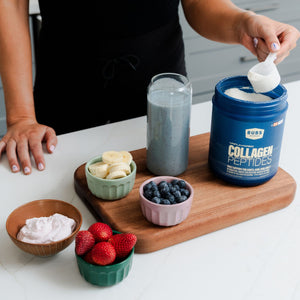
At BUBS Naturals, we are dedicated to promoting wellness through clean, functional supplements that honor the legacy of Glen “BUB” Doherty, a former Navy SEAL and advocate for health and fitness. As we delve into the benefits and considerations of collagen supplementation, we will also highlight how our own offerings, like our Collagen Peptides, can support your wellness journey.
By the end of this article, you will understand:
- What collagen is and its role in our bodies.
- The different types of collagen and their specific functions.
- The potential benefits of collagen supplements.
- Considerations and possible side effects of collagen supplementation.
- Natural ways to boost your collagen levels through diet and lifestyle.
Get ready to explore how collagen might play a role in your overall wellness!
What is Collagen?
Collagen is a structural protein that forms the base of our connective tissues, accounting for about one-third of the protein content in our bodies. It serves as a building block for various parts of our body, including:
-
Skin: Collagen provides elasticity and hydration, making skin appear youthful and plump.
-
Bones: It contributes to bone strength and density.
-
Tendons and Ligaments: Collagen helps maintain the integrity and flexibility of these tissues.
-
Cartilage: It cushions joints and protects them from damage.
There are 28 different types of collagen, but the three main types are:
-
Type I: The most abundant, found in skin, bones, tendons, and ligaments.
-
Type II: Found in elastic cartilage, which provides support to joints.
-
Type III: Found in skin, blood vessels, and internal organs, often supporting the structure of soft tissues.
Our bodies naturally produce collagen using amino acids derived from the protein-rich foods we consume, such as meat, fish, and dairy. However, as we age, the body's ability to synthesize collagen diminishes, leading many people to consider supplementation to counteract this decline.
The Benefits of Taking Collagen
1. Skin Health
One of the most popular reasons people turn to collagen supplements is for skin health. Numerous studies suggest that collagen supplementation may improve skin hydration, elasticity, and overall appearance. For instance, a review analyzing 19 studies with over 1,000 participants found that collagen supplements may lead to significant improvements in skin elasticity and hydration while reducing wrinkles.
At BUBS Naturals, our Collagen Peptides are an excellent choice for those looking to support their skin's vitality. Our product is sourced from grass-fed bovine collagen, ensuring high quality and bioavailability.
2. Joint Health
Collagen is a critical component of cartilage, the tissue that cushions joints. Research indicates that collagen supplements may help alleviate joint pain and improve function, especially in individuals with osteoarthritis. For example, a study found that participants who took collagen supplements experienced reduced joint pain during physical activity.
3. Hair and Nail Strength
While research is less conclusive regarding collagen's effects on hair growth, some studies suggest that collagen supplementation may strengthen brittle nails and promote nail growth. A small study indicated that individuals taking collagen supplements experienced fewer broken nails and faster growth.
4. Bone Health
As we age, bone density decreases, which can lead to conditions such as osteoporosis. Some studies have shown that collagen supplements can improve bone mineral density, particularly in postmenopausal women. This increased density can help reduce the risk of fractures and support overall bone health.
5. Muscle Mass
Collagen supplements may also play a role in muscle mass maintenance. A study found that older men who took collagen peptides during a resistance training program experienced greater increases in muscle mass and strength compared to those who did not supplement.
6. Overall Wellness
Collagen is essential for maintaining the integrity of blood vessels and organs. A healthy collagen level may contribute to overall health, supporting cardiovascular function and potentially reducing the risk of heart-related issues.
Considerations and Side Effects
While collagen supplementation is generally considered safe and well-tolerated, there are a few considerations to keep in mind:
-
Quality of Supplements: The supplement industry is not strictly regulated, so it's crucial to choose high-quality products. Look for collagen supplements that are third-party tested and free from additives.
-
Digestive Issues: Some individuals may experience mild digestive discomfort when taking collagen supplements. Starting with a lower dose can help mitigate these effects.
-
Allergies: Since many collagen supplements are derived from animal sources, individuals with specific allergies should exercise caution. Always read labels to ensure the product is suitable for your dietary needs.
If you're pregnant, breastfeeding, or taking medication, it's essential to consult with a healthcare professional before starting any new supplement.
Natural Ways to Boost Collagen Production
In addition to supplementation, there are several dietary and lifestyle choices that can help support your body's natural collagen production:
-
Eat Protein-Rich Foods: Foods like chicken, fish, eggs, and legumes provide the necessary amino acids for collagen synthesis.
-
Consume Vitamin C: Citrus fruits, strawberries, bell peppers, and leafy greens are rich in vitamin C, which is essential for collagen production.
-
Stay Hydrated: Proper hydration helps maintain skin elasticity and supports overall health.
-
Limit Sugar Intake: High sugar consumption can lead to the formation of advanced glycation end products (AGEs), which can damage collagen.
-
Protect Your Skin: Sun exposure can break down collagen, so wearing sunscreen and protective clothing is essential for preserving skin health.
-
Avoid Smoking and Limit Alcohol: Both smoking and excessive alcohol consumption can negatively impact collagen levels and overall skin health.
Conclusion
The question of whether taking collagen is healthy does not have a simple answer. While there is promising evidence suggesting that collagen supplementation can support skin health, joint function, and overall wellness, it's essential to approach supplementation with a balanced perspective.
At BUBS Naturals, we are committed to providing clean, science-backed supplements that support your active lifestyle. Our Collagen Peptides are designed to integrate seamlessly into your daily routine, helping you feel your best while honoring the legacy of Glen “BUB” Doherty.
Incorporating collagen into your wellness regimen can be beneficial, especially when combined with a healthy diet and lifestyle choices. As always, we encourage you to consult with a healthcare professional before adding any new supplement to your routine.
FAQ
1. How much collagen should I take daily?
Most studies suggest a daily dose between 2.5 to 15 grams of collagen peptides for optimal results.
2. Can I get enough collagen from food?
Eating a diet rich in protein and vitamin C can help your body produce collagen naturally. Foods like bone broth, chicken, fish, and leafy greens are excellent choices.
3. Are there any side effects of taking collagen supplements?
Collagen supplements are generally safe, but some individuals may experience mild digestive discomfort.
4. Can collagen supplements help with weight loss?
While collagen supplements can support muscle mass, they are not a weight-loss solution. A balanced diet and exercise are essential for effective weight management.
5. Is there a vegan alternative to collagen?
While there is no plant-based collagen, some supplements contain collagen-boosting ingredients like vitamin C, amino acids, and minerals that can support your body’s collagen production.
For more information on our full range of products, be sure to explore all BUBS Naturals offerings. Together, we can support your wellness journey!