Table of Contents
- Introduction
- Understanding the Electrical Spark: What Are Electrolytes?
- The Adventure of Balance: Why Electrolytes Matter for Active Lifestyles
- Signs Your Body Needs to Rehydrate and Replenish Electrolytes
- Navigating the Fluid Landscape: Water vs. Electrolyte Drinks
- How Much Electrolytes Do I Need to Rehydrate? A Personalized Approach
- Sources of Electrolytes: From Whole Foods to Thoughtful Supplements
- The BUBS Naturals Difference: Clean Hydration for Every Adventure
- Risk of Over-consumption and Special Considerations
- Conclusion
- FAQ
Introduction
Imagine your body as a sophisticated internal electrical grid, constantly sending signals, regulating processes, and maintaining balance. At the heart of this intricate system are electrolytes – essential minerals that carry an electric charge when dissolved in the body's fluids. Far from being a niche concern for elite athletes, understanding your electrolyte needs is fundamental to daily wellness, especially as we pursue lives of adventure and purpose. Without these electrically charged components, our muscles wouldn't contract, our nerves couldn't communicate, and our hearts wouldn't beat with their steady rhythm. Yet, despite their crucial role, many of us overlook their importance until signs of imbalance, like fatigue or muscle cramps, begin to surface.
The significance of electrolytes isn't a new discovery, but our modern, active lifestyles and increased awareness of personal wellness have brought them into sharper focus. From the daily invisible losses through breathing and basic metabolic functions to the more substantial depletion experienced during intense workouts, prolonged sun exposure, or even a bout of illness, our bodies are constantly striving to maintain a delicate equilibrium. When this balance is disrupted, the consequences can range from minor discomfort to serious health concerns, impacting everything from physical performance to mental clarity.
This article aims to demystify electrolytes, exploring precisely what they are, why they are indispensable for optimal bodily function, and how much you truly need to stay properly rehydrated and energized. We will delve into the various ways electrolytes are lost, the subtle and overt signs of an imbalance, and practical strategies for replenishing them through both dietary choices and thoughtfully formulated supplements. By the end, you'll have a comprehensive understanding of how to support your body's electrical system, ensuring you're ready for whatever adventures lie ahead. Our mission at BUBS Naturals is rooted in a life of wellness, adventure, and giving back, and that journey truly begins with a body that feels its best, powered by the right balance.
Understanding the Electrical Spark: What Are Electrolytes?
At their core, electrolytes are minerals found in your body that have an electric charge. When these minerals dissolve in the body's fluids, such as blood, urine, or sweat, they split into ions. It’s these ions—some positively charged, some negatively charged—that enable them to conduct electricity. This electrical conductivity is vital for countless bodily processes, acting much like the wiring that powers a complex machine.
The primary electrolytes we often discuss include:
-
Sodium: The principal cation (positively charged ion) of extracellular fluid, sodium is key for regulating the total amount of water in the body. It plays a critical role in nerve impulse transmission, muscle contraction, and maintaining blood pressure.
-
Potassium: The primary intracellular cation, potassium is essential for normal cell function, maintaining fluid balance within cells, and supporting healthy blood pressure. It's also crucial for nerve signals and muscle contractions, including the all-important heart muscle.
-
Chloride: Working closely with sodium, chloride helps regulate fluid balance and maintain acid-base balance. It's also a component of stomach acid, essential for digestion.
-
Magnesium: Involved in over 300 enzymatic reactions in the body, magnesium supports muscle and nerve function, blood glucose control, and blood pressure regulation. It also plays a role in bone health and the synthesis of protein and DNA.
-
Calcium: Best known for its role in bone and teeth structure, calcium is also critical for muscle function, nerve transmission, hormone secretion, and blood clotting.
-
Phosphate: Essential for bone formation, energy storage and transfer (as part of ATP), and cell membrane integrity. It also contributes to the body's pH balance.
-
Bicarbonate: This electrolyte is crucial for regulating the body's pH, acting as a buffer to keep blood acidity within a healthy range.
These electrically charged minerals are not just passive components; they are active participants in almost every major bodily system. Think of them as the silent orchestrators behind your body's most fundamental operations. For instance, the rhythmic contraction and relaxation of your heart, enabling it to pump blood throughout your body, is entirely dependent on the precise flow and balance of electrolytes like sodium, potassium, and calcium. Without this intricate electrical dance, cellular communication would cease, and essential physiological functions would grind to a halt. Maintaining this delicate balance is a cornerstone of our overall wellness philosophy at BUBS Naturals, reflecting our belief in supporting the body's natural functions with clean, effective ingredients.
The Adventure of Balance: Why Electrolytes Matter for Active Lifestyles
Life is an adventure, and whether that means conquering mountain trails, pushing through a challenging workout, or simply navigating a busy day, your body is constantly at work. This continuous effort leads to a steady loss of fluids and, consequently, electrolytes. Even without visible perspiration, our bodies experience what's known as "insensible water loss" through breathing and the skin, accounting for a significant portion of daily fluid turnover. Along with this water, small amounts of electrolytes are also lost.
However, certain conditions dramatically accelerate this process, elevating the importance of conscious electrolyte replenishment:
-
Physical Exertion: During moderate to high-intensity exercise, especially when sustained for extended periods, sweat rates can increase exponentially. Sweat contains sodium, chloride, potassium, and smaller amounts of other electrolytes. Losing these essential minerals without adequate replacement can quickly lead to imbalances that hinder performance and recovery.
-
Hot and Humid Environments: When temperatures rise or humidity levels soar, our bodies work harder to cool themselves through sweating. This increased sweat production means a faster depletion of both water and electrolytes, making rehydration strategies even more critical.
-
High Altitude: At higher elevations, the air is drier, and the body may increase its breathing rate, leading to greater insensible water loss. This, combined with potential changes in physiological responses, can heighten the risk of dehydration and electrolyte imbalance.
-
Illness: Conditions like prolonged vomiting, diarrhea, or a high fever can rapidly strip the body of fluids and electrolytes, creating a urgent need for careful rehydration. Children and the elderly are particularly vulnerable in these situations due to their different physiological responses to fluid loss.
-
Certain Medications: Diuretics, for example, increase urine output and can lead to the accelerated excretion of electrolytes, necessitating a more mindful approach to intake.
When electrolyte levels become too low or too high, it creates an imbalance that can manifest in various ways. Imagine a lamp flickering rapidly or dimming because the electrical circuit is weak or disorganized; similarly, your body's systems won't function optimally without proper electrolyte balance. Such imbalances can affect everything from your nervous system and muscle function to your heart's rhythm and your overall energy levels. This is why for us at BUBS Naturals, supporting an active lifestyle means providing the tools to maintain this vital balance, ensuring you have the energy and resilience for every endeavor. We are committed to a no-BS approach, offering simple, effective ingredients to help you feel the difference in your daily adventures.
Signs Your Body Needs to Rehydrate and Replenish Electrolytes
Our bodies are incredibly intelligent, often sending subtle signals when something is out of balance. Recognizing these cues is the first step toward effective rehydration and electrolyte replenishment. Ignoring them can lead to a cascade of negative effects that impact your well-being and ability to perform.
Some of the most common indicators that your body may be signaling a need for more fluids and electrolytes include:
-
Increased Thirst: While thirst is the most obvious sign of dehydration, it's often a late indicator. By the time you feel parched, your body may already be experiencing a degree of fluid deficit.
-
Dark Urine: The color of your urine is a simple yet powerful gauge of your hydration status. Ideally, urine should be a pale, straw-yellow. If it's a deeper yellow or amber, it's a strong sign that you need to drink more.
-
Fatigue and Weakness: Electrolytes are critical for energy production and muscle function. When levels are low, especially potassium and magnesium, you might experience unexplained tiredness, lethargy, or a general feeling of weakness, even without strenuous activity.
-
Muscle Cramps and Spasms: One of the most common and uncomfortable signs of electrolyte imbalance, particularly low sodium or potassium, is involuntary muscle contractions or cramps. This can range from mild twitching to intense, debilitating spasms during or after physical activity.
-
Lightheadedness or Dizziness: Electrolytes play a role in regulating blood pressure. A significant fluid and electrolyte loss can lead to a drop in blood volume and pressure, causing sensations of dizziness or lightheadedness, especially when standing up quickly.
-
Headaches: Dehydration is a frequent trigger for headaches, as fluid loss can affect brain volume and pressure, leading to discomfort.
-
Confusion or Impaired Concentration: Severe electrolyte imbalances can impact cognitive function, leading to difficulty focusing, confusion, and even changes in mood or irritability.
-
Dry Mouth and Mucous Membranes: A noticeably dry mouth, lips, or tongue can indicate insufficient fluid levels.
-
Increased Heart Rate: In an attempt to compensate for reduced blood volume due to dehydration, your heart may work harder, leading to an elevated heart rate.
It's important to understand that while many of these symptoms can point to a simple need for rehydration, persistent or severe symptoms like rapid heart rate, confusion, or significant swelling could indicate a more serious electrolyte imbalance that warrants immediate medical attention. For most healthy individuals engaging in active pursuits, being attuned to these signals and proactively addressing them with balanced fluids and electrolytes is key to maintaining vitality and performance. Our commitment to clean, science-backed supplements means we believe in empowering you to listen to your body and provide it with what it needs to thrive.
Navigating the Fluid Landscape: Water vs. Electrolyte Drinks
When it comes to hydration, plain water is undeniably the foundation. It's essential for countless bodily functions, from transporting nutrients and regulating body temperature to cushioning joints and supporting organ health. For everyday hydration, especially during light activity and minimal sweat loss, water is almost always sufficient. The general recommendation for adults, such as the equivalent of nine to thirteen 8-ounce glasses daily, including water from food, serves as a good baseline.
However, there are distinct scenarios where plain water alone isn't enough, and in some cases, can even exacerbate an imbalance. The primary limitation of water is that while it replenishes fluid, it does not replace the minerals lost through sweat. If you're sweating heavily—whether from a prolonged, vigorous workout, spending time in a hot climate, or experiencing illness with vomiting or diarrhea—you're losing significant amounts of sodium, chloride, potassium, and other electrolytes. Drinking large volumes of plain water in these situations without simultaneously replenishing electrolytes can actually dilute the remaining electrolytes in your body, leading to a dangerous condition known as hyponatremia (low sodium).
This is where electrolyte drinks become valuable. Designed not just to hydrate, but to restore the body’s essential mineral balance, they offer a more comprehensive solution for specific needs. Historically, many traditional sports drinks were packed with added sugars, intended to provide quick carbohydrate energy for endurance athletes. While this can be beneficial for those engaged in high-intensity, long-duration activities, for many active individuals, the excess sugar is an unnecessary addition.
At BUBS Naturals, we believe in a cleaner approach. Our Hydration Collection offers performance-focused electrolytes with no added sugar, embodying our no-BS philosophy. For example, Hydrate or Die – Lemon provides a balanced blend of essential electrolytes to support fast, effective hydration and muscle function without the sugar crash. We also offer Hydrate or Die – Mixed Berry and a convenient Hydrate or Die – Bundle for those who prefer to stock up on their favorite flavors. These options are designed to mix effortlessly into water, making them a seamless addition to your hydration routine.
Beyond formulated drinks, other sources of electrolytes exist. Coconut water, for instance, is a natural source of potassium and some sodium, offering a refreshing alternative. Pickle juice, surprisingly, can provide a quick shot of sodium and some potassium. However, for a consistent and science-backed approach to replenishing vital minerals, especially when pushing your limits, a dedicated electrolyte supplement like our Hydrate or Die – Lemon is designed to give your body precisely what it needs.
How Much Electrolytes Do I Need to Rehydrate? A Personalized Approach
Determining the exact amount of electrolytes you need to rehydrate is not a one-size-fits-all equation. It’s a dynamic process influenced by a multitude of individual factors. While general guidelines exist, truly optimizing your electrolyte intake requires a personalized approach, deeply rooted in listening to your body and understanding your unique circumstances.
Key factors influencing your electrolyte needs include:
-
Body Size and Composition: Larger individuals generally have a greater fluid volume and can lose more electrolytes through sweat.
-
Sweat Rate: People sweat at vastly different rates. Some are "heavy sweaters," losing a significant amount of fluid and electrolytes even during moderate activity, sometimes leaving visible salt crystals on their clothes or skin. Others may sweat very lightly. Knowing your individual sweat rate is crucial.
-
Genetics: Genetic predispositions can influence how your body handles fluid and electrolyte balance.
-
Dietary Intake: A diet rich in whole foods, fruits, and vegetables naturally provides a good baseline of electrolytes. Conversely, a diet high in processed foods may contribute to an excess of sodium while lacking other essential minerals.
-
Intensity and Duration of Activity: A short, low-intensity walk will result in minimal electrolyte loss compared to an hour-long, high-intensity run or prolonged physical labor. For activities lasting less than 60-75 minutes and not in extreme conditions, water is typically sufficient. However, for longer, more strenuous efforts, especially those pushing beyond an hour, electrolyte replenishment becomes increasingly important.
-
Environmental Conditions: Hot, humid climates dramatically increase sweat rates. High altitudes, with their drier air and increased respiration, also contribute to greater fluid loss.
-
Health Status: Conditions like kidney disease, heart conditions, or the use of certain medications can impact electrolyte balance and necessitate specific dietary or supplementation adjustments under medical guidance.
General Guidelines for Replenishment:
While precise calculations can be complex and are often explored in sports science, we can provide some practical benchmarks:
-
Sodium: This is often the primary electrolyte lost in significant amounts through sweat. While federal guidelines recommend no more than 2,300 mg of sodium per day for adults, and the American Heart Association suggests an ideal limit of 1,500 mg for most, these numbers refer to overall dietary intake. When sweating heavily, the body's need for sodium temporarily increases to aid fluid retention. Some experts suggest aiming for 200-500 mg of sodium per 16 ounces of an electrolyte drink during prolonged activity. For context, one serving of our Hydrate or Die – Lemon provides 250mg of sodium, designed to support this need effectively.
-
Potassium: Often under-consumed in the average diet, potassium is vital for muscle function and balancing sodium. Many fruits and vegetables are excellent sources. Aim for a balanced intake throughout the day.
-
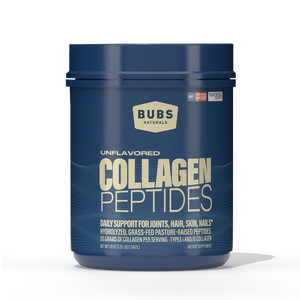
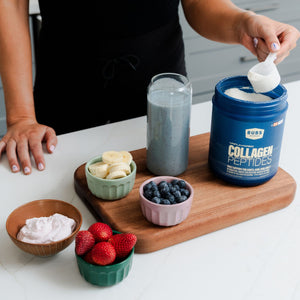
Magnesium and Calcium: These are generally lost in smaller amounts through sweat but are essential for numerous bodily functions. A healthy diet rich in leafy greens, whole grains, and dairy or fortified alternatives helps maintain adequate levels. For overall active lifestyle support, we also offer Collagen Peptides, which can contribute to connective tissue health, an important consideration for active individuals.
Monitoring Your Needs:
-
Thirst: Use thirst as a cue, but don't wait until you're parched. Sip fluids consistently throughout the day, especially before, during, and after activity.
-
Urine Color: Keep an eye on your urine color, aiming for a pale, straw-yellow.
-
Pre- and Post-Workout Weight: For athletes, weighing yourself before and after intense workouts can help estimate fluid loss. For every pound lost, aim to consume approximately 16-24 ounces of fluid, ideally with electrolytes if the session was long or intense.
The key message here is adaptability. Our bodies are incredibly adept at signaling their needs. By tuning into these signals and understanding the context of your activity and environment, you can make informed choices about your hydration strategy. At BUBS Naturals, we believe in supporting your journey with clean, functional supplements that align with your body's natural wisdom, helping you maintain optimal balance for every adventure.
Sources of Electrolytes: From Whole Foods to Thoughtful Supplements
Achieving and maintaining electrolyte balance is a holistic endeavor, drawing from the nourishing power of whole foods and, when appropriate, supplementing thoughtfully. Our philosophy at BUBS Naturals centers on providing your body with what it needs, simply and effectively, so you can focus on living your life to the fullest, just as Glen “BUB” Doherty inspired us.
Electrolytes from Your Plate:
Nature provides a rich array of electrolyte-dense foods that should form the cornerstone of your daily intake.
-
Sodium and Chloride: While often associated with processed foods, natural sources include olives, celery, and sea salt used sparingly in cooking. Our bodies need sodium, but in moderation, balancing it with other electrolytes.
-
Potassium: This crucial mineral is abundant in many fruits and vegetables. Reach for bananas, oranges, melons (like cantaloupe and watermelon), avocados, spinach, sweet potatoes, and tomatoes. Plain nonfat yogurt is also an excellent source.
-
Magnesium: Leafy green vegetables such as spinach, kale, and collard greens are magnesium powerhouses. Other great sources include whole grains, nuts (almonds, cashews), seeds, beans, and lentils. To support overall wellness and energy, consider starting your day with coffee enhanced by our MCT Oil Creamer – 10 oz Tub, a clean addition for sustained mental clarity and energy.
-
Calcium: Dairy products (milk, yogurt, cheese), fish with edible bones (like sardines and canned salmon), fortified plant-based milks, and certain leafy greens (collard greens, kale) are excellent sources of calcium.
-
Phosphate: Found in dairy products, meat, fish, poultry, nuts, and legumes, phosphate is readily available in a balanced diet.
Eating a varied diet rich in fresh produce and lean proteins is often sufficient for maintaining electrolyte balance during periods of light activity. This approach aligns with our core value of clean, natural ingredients, ensuring your body receives nutrition in its most authentic form.
Thoughtful Supplementation with BUBS Naturals:
There are times when diet alone may not meet the demands of an active lifestyle, especially during prolonged exercise, heavy sweating, or when dealing with illness. This is where high-quality, science-backed supplements can play a supportive role, helping to restore balance efficiently.
Our Hydration Collection is designed precisely for these moments. Unlike many traditional sports drinks laden with sugars, our products offer a clean, performance-focused electrolyte blend. For example, Hydrate or Die – Lemon is formulated with essential electrolytes to support rapid hydration and optimal muscle function, without any added sugar. It's a simple, effective solution that mixes easily, making it perfect for before, during, or after your workouts, or simply to boost your daily hydration.
Beyond hydration, our full range of products supports a holistic approach to wellness:
-
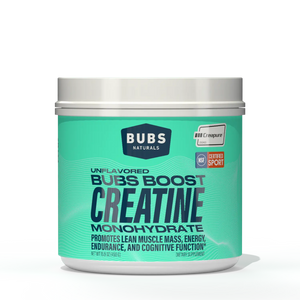
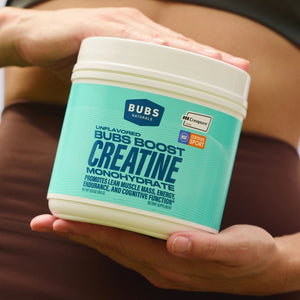
For Strength and Performance: Consider incorporating Creatine Monohydrate into your routine. Creatine supports strength, power, and training performance, complementing your hydration strategy for peak physical output.
-
For Immune Support and Antioxidant Activity: Our Vitamin C supplement provides 500 mg of vitamin C with citrus bioflavonoids to support antioxidant activity and collagen formation, which is beneficial for an active body.
-
For Digestive Wellness: Our Apple Cider Vinegar Gummies, made with liquid ACV including “the Mother,” offer convenient daily digestive and general wellness support.
At BUBS Naturals, we pride ourselves on a no-BS approach. This means rigorously testing our products and certifying them through third parties like NSF for Sport, ensuring you receive only the highest quality, most effective ingredients. We believe in transparency and empowering you with choices that genuinely support your active lifestyle and overall wellness journey.
The BUBS Naturals Difference: Clean Hydration for Every Adventure
At BUBS Naturals, our journey began with a powerful commitment: to honor the legacy of Glen “BUB” Doherty—a Navy SEAL, an adventurer, and a man who lived life to the fullest. His spirit of courage, purpose, and dedication to others ignited our mission to bring clean, functional, and science-backed supplements to those who live with similar passion. We believe that a life of adventure and wellness should be accessible and supported by products you can trust.
This belief is deeply embedded in every product we create, especially our Hydration Collection. When we developed Hydrate or Die – Lemon, our goal was simple: provide truly effective hydration support without compromise. We understood that many existing options were either overloaded with unnecessary sugars or lacked the comprehensive electrolyte profile needed for optimal performance and recovery.
Our no-BS approach means:
-
Clean Ingredients: We meticulously select natural, high-quality ingredients. Our Hydrate or Die – Lemon is performance-focused and formulated without added sugars, artificial flavors, or unnecessary fillers. It's designed to seamlessly integrate into your routine, whether you're fueling up for a morning hike or recovering after a challenging workout.
-
Functional & Science-Backed: Every product is crafted with a purpose. Our electrolyte blends are balanced to support your body's natural fluid regulation and muscle function, based on scientific understanding of what active bodies need.
-
Third-Party Certified: Trust and transparency are paramount. Many of our products, including our Collagen Peptides, are rigorously tested and certified by third parties like NSF for Sport, ensuring purity, potency, and absence of banned substances. This means you can be confident that what’s on our label is exactly what’s in your product.
-
Effortless Integration: We know life moves fast. Our supplements are designed to mix easily into your favorite beverages, ensuring that supporting your wellness is never a hassle. Whether it's a scoop of Hydrate or Die – Lemon in your water bottle or our MCT Oil Creamer – 10 oz Tub in your morning coffee, we aim for simplicity and tangible results.
More than just products, BUBS Naturals is about purpose. In honor of Glen “BUB” Doherty's incredible spirit and sacrifice, we are deeply committed to giving back. Through our 10% Rule, we pledge to donate 10% of all profits to veteran-focused charities. This commitment ensures that with every purchase, you're not just investing in your own wellness, but also contributing to a cause that truly matters. When you choose BUBS Naturals, you're joining a community dedicated to a life well-lived, supported by authentic, high-quality products, and driven by a mission to make a positive impact.
Risk of Over-consumption and Special Considerations
While the focus is often on avoiding electrolyte deficiency, it's also important to understand that an excess of electrolytes can, in rare cases, lead to complications. For healthy individuals with normally functioning kidneys, the risk of electrolyte toxicity from dietary sources or even moderate supplementation is relatively low. The kidneys are remarkably efficient at filtering out excess water-soluble minerals, which are then excreted in the urine. This is a testament to the body's sophisticated homeostatic mechanisms designed to maintain balance.
However, assuming "more is always better" when it comes to supplements can be misleading. Over-consumption of electrolytes, especially sodium, can disrupt the body's delicate balance, potentially leading to symptoms that, interestingly, can sometimes mimic those of deficiency. These might include:
-
Nausea and Vomiting: An overload of certain minerals can upset the digestive system.
-
Fatigue and Weakness: Paradoxically, both too few and too many electrolytes can lead to feelings of lethargy and muscle weakness.
-
Heart Rhythm Issues: Severe imbalances, whether high or low, can impact the electrical signals that regulate heart function, potentially leading to arrhythmias.
-
Swelling (Edema): Excess sodium can lead to fluid retention, causing swelling in the extremities.
Special Considerations:
Certain individuals need to be particularly cautious and should consult with a healthcare professional before making significant changes to their electrolyte intake or starting supplementation:
-
Individuals with Kidney Disease: Compromised kidney function can impair the body's ability to efficiently filter out excess electrolytes. This means that even a moderate intake that would be harmless for a healthy person could lead to dangerous accumulation for someone with kidney issues.
-
People with High Blood Pressure: Given sodium's role in regulating blood pressure, those with hypertension should be particularly mindful of their sodium intake, even from electrolyte supplements.
-
Pregnant and Lactating Women: Pregnancy and lactation involve unique physiological demands. While fluid needs increase, any supplementation should be guided by a doctor to ensure safety for both mother and baby.
-
Individuals on Certain Medications: Some medications, such as diuretics or blood pressure drugs, can directly impact electrolyte levels. A healthcare provider can offer personalized advice on how to manage electrolyte intake in conjunction with these treatments.
-
Infants and Children: Infants, in particular, have a higher percentage of body water, a faster turnover rate, and less developed kidneys, making them highly susceptible to severe dehydration or overhydration. Their electrolyte needs should always be addressed under medical supervision, especially during illness. Our general approach at BUBS Naturals is for adults, and we recommend consulting a pediatrician for children's specific needs.
For the majority of active, healthy adults, the key is balance and responsiveness. Pay attention to your body's signals, choose clean and effective products like our Hydrate or Die – Lemon, and remember that when in doubt, especially concerning persistent symptoms or underlying health conditions, seeking professional medical advice is always the safest course of action. Our mission is to support your wellness journey responsibly, with transparency and care.
Conclusion
Electrolytes are far more than just buzzwords on a sports drink label; they are the fundamental electrical currency of your body, indispensable for everything from regulating hydration and muscle function to ensuring stable heart rhythms and nerve communication. Their critical role underscores why understanding "how much electrolytes do I need to rehydrate" is not just about thirst, but about maintaining the vitality required for an active, purposeful life.
We've explored how these essential minerals are lost through daily activities, intensified by exercise, environmental factors, and even illness. Recognizing the signs of imbalance—from fatigue and muscle cramps to dizziness—empowers you to respond proactively. While plain water is paramount for general hydration, the unique demands of heavy sweating or prolonged exertion necessitate a thoughtful approach to electrolyte replenishment. This is where clean, science-backed solutions, free from unnecessary sugars, become invaluable partners in your wellness journey.
At BUBS Naturals, we are dedicated to providing you with the tools to live a life of adventure and purpose, inspired by Glen “BUB” Doherty’s enduring legacy. Our commitment to clean, functional ingredients, rigorous third-party testing, and our 10% Rule—donating a portion of profits to veteran-focused charities—ensures that every product you choose aligns with a greater purpose.
Optimal hydration and electrolyte balance are not about rigid formulas but about listening to your body and providing it with the precise support it needs to thrive. Whether you're fueling an intense workout, recovering from an active day, or simply maintaining daily wellness, choosing the right hydration strategy makes a tangible difference.
Ready to experience the BUBS Naturals difference in your hydration routine? Explore our Hydration Collection and see how our performance-focused, no-sugar-added Hydrate or Die – Lemon can help you maintain optimal balance, so you’re always ready for your next adventure. One scoop. Feel the difference.
FAQ
Q1: Can I get all the electrolytes I need from food alone, or do I always need supplements?
A1: For most healthy individuals engaging in light to moderate daily activity, a balanced diet rich in fruits, vegetables, whole grains, and lean proteins can often provide sufficient electrolytes. Foods like bananas, spinach, avocados, dairy products, and nuts are excellent natural sources. However, during periods of prolonged intense exercise, heavy sweating (due to hot weather or activity), or illness (like vomiting or diarrhea), the body loses electrolytes more rapidly than diet alone can easily replenish. In these situations, thoughtful supplementation with a clean electrolyte product like our Hydrate or Die – Lemon can be a highly effective way to quickly restore balance and support recovery.
Q2: What are the risks of drinking too much water without enough electrolytes?
A2: Drinking excessive amounts of plain water, especially during or after intense physical activity with significant sweat loss, can lead to a condition called hyponatremia. This occurs when the sodium concentration in your blood becomes dangerously low because the water you're consuming dilutes the remaining electrolytes. Symptoms can include nausea, headaches, confusion, fatigue, and in severe cases, seizures or coma. This highlights why it's crucial to replenish both fluids and electrolytes after substantial losses, rather than just water alone, which our Hydration Collection is designed to help with.
Q3: How do I know if my sweat rate is "heavy," and why does it matter for electrolyte needs?
A3: You can often tell if you're a heavy sweater by observing your body during and after exercise. Signs include:
- Your clothes are completely soaked.
- You see visible salt streaks or white residue on your skin or clothing after sweat dries.
- You feel gritty skin after drying off.
- You experience frequent muscle cramps during or after workouts.
- You lose a significant amount of weight (more than 2-3 pounds) during an exercise session.
A heavy sweat rate matters because it means you're losing a greater volume of fluids and, critically, more electrolytes (especially sodium and chloride) over a shorter period. This accelerates your need for electrolyte replenishment to maintain fluid balance, prevent cramps, and support continued performance. Products like Hydrate or Die – Mixed Berry are formulated to provide this crucial support.
Q4: Are BUBS Naturals electrolyte products suitable for daily use, even if I'm not an athlete?
A4: Yes, our BUBS Naturals electrolyte products, such as Hydrate or Die – Lemon, are formulated for anyone looking to support optimal hydration and general wellness, not just elite athletes. While they are performance-focused, their clean, no-added-sugar profile makes them an excellent choice for daily hydration support, especially if you lead an active lifestyle, spend time in warm environments, or simply want to ensure your body maintains its essential mineral balance. We recommend listening to your body's signals and incorporating them as needed to complement your fluid and dietary intake.