Table of Contents
- Introduction
- The Silent Architects of Our Biology: Defining Electrolytes
- The Core Mission: What Are Electrolytes Function in the Body?
- Key Electrolytes and Their Specific Roles
- When Balance Falters: Understanding Electrolyte Imbalances
- Maintaining Optimal Electrolyte Levels for an Active Life
- Our Commitment to Clean Wellness and Giving Back
- Conclusion
- FAQ
Introduction
Imagine navigating a vast, intricate electrical grid where every signal, every surge of power, and every connection is critical to the system's operation. Now, picture that grid existing within your own body, orchestrating everything from your heartbeat to a simple blink. This complex internal network is powered by what we call electrolytes—essential minerals that carry an electric charge when dissolved in fluids. Far from being just a concern for elite athletes and sports drink commercials, understanding what are electrolytes function in the body is fundamental to comprehending our very vitality. These microscopic powerhouses are constantly at work, often unnoticed, influencing countless physiological processes that underpin our energy, our clarity, and our ability to thrive.
For anyone who embraces an active lifestyle, seeks optimal wellness, or simply wishes to feel their best day-to-day, grasping the role of these charged particles is transformative. We often focus on macronutrients and calories, yet the subtle balance of electrolytes can profoundly impact how we feel, perform, and recover. This article will delve deep into the world of electrolytes, exploring their definition, the diverse functions they perform within the human body, the common causes and signs of imbalance, and, crucially, how we can effectively support their optimal levels through nutrition and smart supplementation. Our goal is to equip you with the knowledge to maintain this critical balance, empowering you to live a life of adventure and purpose, just as Glen “BUB” Doherty inspired us to do.
The Silent Architects of Our Biology: Defining Electrolytes
At their core, electrolytes are minerals present in your blood, urine, tissues, and other bodily fluids that carry an electric charge. This electrical charge is created when these minerals dissolve in water, allowing them to conduct electricity. Think of them as the unsung heroes of your internal communication system, enabling electrical impulses to travel throughout your body, facilitating countless biological processes. Without them, your body's intricate systems would simply grind to a halt.
The human body is approximately 60% water, and within this vast aqueous environment, electrolytes play a pivotal role in maintaining equilibrium. They are not merely passive components; they are active participants, influencing cellular function, fluid distribution, and the delicate balance required for optimal health. Your body primarily obtains these vital minerals from the foods and fluids you consume, and it regulates their levels carefully, filtering out any excess through the kidneys and losing them through sweat. This constant interplay of intake, utilization, and excretion highlights the dynamic nature of electrolyte balance.
Some of the primary electrolytes we'll explore include sodium, potassium, chloride, magnesium, calcium, phosphate, and bicarbonate. Each possesses unique characteristics and responsibilities, yet they work in concert to support overall physiological harmony. Understanding their collective and individual importance is the first step in appreciating their profound impact on our well-being and active lifestyles.
The Core Mission: What Are Electrolytes Function in the Body?
The question "what are electrolytes function in the body?" reveals a tapestry of interconnected roles vital for human existence. From orchestrating basic cellular interactions to fueling peak physical performance, these charged minerals are indispensable. Let's explore their most significant contributions.
Fluid Balance and Hydration: The Master Regulators
Perhaps the most recognized function of electrolytes is their paramount role in maintaining the body's fluid balance. Water, the universal solvent, makes up the majority of our body weight, and its distribution within and around our cells is meticulously controlled. Electrolytes, particularly sodium and chloride, are key players in this intricate process. They influence osmosis, the movement of water across cell membranes, ensuring that cells receive adequate hydration without becoming either shrunken or swollen.
This balance is crucial for cellular integrity and function. If electrolyte levels are off, water may shift incorrectly, leading to dehydration or overhydration at a cellular level. Your kidneys are the body’s sophisticated filtration system, constantly working to maintain the optimal balance of electrolytes and water. When you're well-hydrated, your kidneys efficiently manage electrolyte concentrations. However, during periods of intense activity, hot weather, or illness, significant fluid and electrolyte losses occur, making it challenging for the body to keep up. This is where strategic hydration becomes essential, extending beyond just drinking plain water. Supporting your body's fluid balance with a thoughtfully formulated supplement like those in our Hydration Collection can make a significant difference in how you feel and perform.
Nerve and Muscle Function: Electrical Impulses for Life
Imagine your nerves as a network of electrical wires and your muscles as motors. Electrolytes are the power supply that allows these wires to transmit signals and these motors to contract. Sodium, potassium, and calcium are particularly critical for these functions. Nerve cells generate electrical impulses, known as action potentials, which are essentially rapid shifts in electrical charge across their membranes. These shifts are driven by the movement of sodium and potassium ions in and out of the cell.
This intricate electrical signaling is fundamental to everything you do: thinking, moving, seeing, and even feeling. When a nerve signal reaches a muscle, calcium ions play a vital role in initiating the muscle contraction. Without the proper balance of these electrolytes, nerve impulses can falter, leading to symptoms like muscle weakness, spasms, or even irregular heartbeats, as the heart itself is a muscle that relies on precise electrical rhythms. Our commitment to supporting active lifestyles means we understand the importance of robust nerve and muscle function, which is why we focus on clean, effective ingredients.
pH Balance (Acid-Base Regulation): Maintaining Internal Stability
The body operates within a very narrow range of pH (acidity or alkalinity). Even slight deviations can have profound consequences for enzyme activity and overall cellular function. Electrolytes, especially bicarbonate, play a crucial role in buffering the blood, helping to neutralize excess acids or bases and maintain this vital pH balance.
Metabolic processes naturally produce acidic byproducts. Without an effective buffering system, these acids could overwhelm the body, leading to a condition called acidosis. Conversely, an imbalance can also lead to alkalosis, where the blood becomes too alkaline. Both conditions can severely impair bodily functions. Bicarbonate, along with other electrolytes, acts as a chemical sponge, absorbing or releasing hydrogen ions as needed to keep your blood pH within its healthy range. This fundamental regulation allows your body's complex biochemical machinery to operate smoothly.
Nutrient Transport and Waste Removal: Cellular Gatekeepers
Electrolytes are also essential for facilitating the movement of nutrients into your cells and waste products out. They act as cellular gatekeepers and transporters. For instance, glucose, your body's primary energy source, often requires the co-transport of sodium to enter cells. Similarly, the removal of metabolic waste products from cells relies on the proper functioning of various ion channels and pumps, all powered or regulated by electrolytes.
This constant trafficking of molecules is fundamental to cellular metabolism, energy production, and detoxification. Without adequate electrolyte balance, cells struggle to absorb what they need and eliminate what they don’t, leading to inefficient function and potentially contributing to fatigue and reduced performance. The body’s efficiency in these processes is a cornerstone of overall wellness, and ensuring proper electrolyte levels is a simple yet powerful way to support this efficiency.
In summary, the functions of electrolytes extend far beyond simple hydration. They are the essential conductors of our internal symphony, influencing fluid dynamics, electrical signaling, pH stability, and cellular transport. Maintaining their balance is not just about avoiding problems, but about empowering your body to perform at its best, supporting every adventure you embark on.
Key Electrolytes and Their Specific Roles
While electrolytes work synergistically, each plays a distinct and critical role in the body's overall health and function. Let’s dive into the specifics of the most important players.
Sodium (Na+)
Sodium is the most abundant electrolyte in the extracellular fluid—the fluid outside your cells. Its primary functions are crucial for life:
-
Fluid Balance: Sodium is the main determinant of extracellular fluid volume, directly influencing blood pressure and overall hydration status. The body actively tries to maintain precise sodium levels; if levels are too high, the body signals thirst to increase water intake, and vice-versa.
-
Nerve Impulse Transmission: It plays a critical role in generating electrical signals in nerve and muscle cells. When sodium ions rush into a nerve cell, they create the electrical impulse that allows nerves to communicate.
-
Nutrient Absorption: Sodium aids in the absorption of certain nutrients, such as glucose and amino acids, in the intestines and kidneys.
Imbalances in sodium, known as hyponatremia (too low) or hypernatremia (too high), can lead to a range of symptoms from mild confusion and nausea to severe neurological issues.
Potassium (K+)
Potassium is the most abundant electrolyte inside your cells, working in tandem with sodium to maintain balance across cell membranes.
-
Intracellular Fluid Balance: Along with sodium, potassium is key to maintaining fluid balance and osmotic pressure within cells.
-
Muscle Contraction: It is essential for normal muscle contraction, including the crucial function of the heart muscle. Imbalances can lead to muscle weakness, cramps, or dangerous heart arrhythmias.
-
Nerve Signaling: Potassium channels are vital for the repolarization phase of nerve impulses, allowing nerves to reset after firing.
-
Blood Pressure Regulation: Potassium helps to counteract the effects of sodium on blood pressure, contributing to cardiovascular wellness.
Like sodium, imbalances (hypokalemia or hyperkalemia) can have significant impacts on muscle and heart function.
Chloride (Cl-)
Chloride is the second-most abundant anion (negatively charged ion) in the body, typically found alongside sodium in the extracellular fluid.
-
Fluid and Blood Volume: Chloride helps sodium regulate fluid balance and maintain healthy blood volume and pressure.
-
Acid-Base Balance: It plays a role in maintaining the body’s pH balance, working with bicarbonate.
-
Digestion: Chloride is a component of hydrochloric acid in the stomach, which is vital for digestion.
Hyperchloremia (too much) or hypochloremia (too little) can often be linked to acid-base disturbances or severe fluid loss, such as from vomiting or diarrhea.
Magnesium (Mg2+)
Magnesium is an incredibly versatile electrolyte, involved in over 300 enzymatic reactions in the body.
-
Energy Production: It is essential for the metabolism of adenosine triphosphate (ATP), the body's main energy currency.
-
Muscle and Nerve Function: Magnesium helps regulate muscle contraction and nerve transmission, and it can help support healthy muscle relaxation.
-
Blood Sugar Regulation: It contributes to glucose metabolism and insulin sensitivity.
-
Bone Health: Magnesium is vital for bone formation and the transport of calcium and potassium.
-
Protein Synthesis: Essential for the creation of proteins from amino acids.
Many people don't get enough magnesium from their diet alone. For those looking to support their daily magnesium intake as part of a balanced lifestyle, incorporating products like our MCT Oil Creamer – 10 oz Tub, which often includes beneficial minerals, can be a supportive addition to a morning routine.
Calcium (Ca2+)
While widely known for its role in bones and teeth, calcium also functions as a crucial electrolyte in the bloodstream.
-
Bone and Teeth Health: The vast majority of calcium is stored in bones, providing structural integrity.
-
Muscle Contraction: Calcium ions are the trigger for muscle contraction, including the heart's rhythmic beats.
-
Nerve Signal Transmission: It's involved in the release of neurotransmitters, allowing nerve cells to communicate.
-
Blood Clotting: Calcium is a necessary factor in the complex cascade of blood coagulation.
Maintaining healthy calcium levels is key for an active lifestyle, supporting not just skeletal strength but also efficient movement and recovery. Our Collagen Peptides are formulated to support the body’s natural collagen formation, which is foundational to connective tissues, including those in bones.
Phosphate (HPO42-, H2PO4-)
Phosphate, derived from phosphorus, is another crucial electrolyte.
-
Bone and Teeth Formation: Works with calcium to build and maintain strong bones and teeth.
-
Energy Metabolism: It is a fundamental component of ATP and other molecules involved in energy storage and transfer.
-
DNA and RNA: Phosphate forms the backbone of nucleic acids, the genetic material of our cells.
-
pH Buffering: It also assists in the body’s acid-base balance.
Imbalances in phosphate can affect bone health and energy levels, though they are less commonly discussed than other electrolytes.
Bicarbonate (HCO3-)
Bicarbonate is a key component of the body’s buffer system, especially vital for maintaining pH balance.
-
Acid-Base Regulation: It plays the primary role in transporting carbon dioxide through the bloodstream and buffering changes in blood pH. It neutralizes acids, preventing acidosis, and can help to balance alkalinity.
Understanding these individual roles helps us appreciate the complexity and interconnectedness of our internal systems, underscoring why a holistic approach to wellness is so important. When all these electrolytes are in harmony, our bodies are better equipped to handle the demands of daily life and the challenges of adventure.
When Balance Falters: Understanding Electrolyte Imbalances
Despite their critical importance, electrolyte levels can sometimes fall out of balance. An electrolyte imbalance occurs when the concentration of one or more electrolytes in your body is either too high (hyper-) or too low (hypo-). These imbalances can disrupt normal bodily functions and, if severe, can lead to significant health concerns.
Common Causes of Imbalance
Several factors can lead to an electrolyte imbalance, often related to shifts in fluid levels or inadequate intake:
-
Heavy Sweating: One of the most common causes, especially for those leading active lives. During intense exercise, prolonged physical exertion, or exposure to hot climates, the body loses significant amounts of fluid and electrolytes—primarily sodium and chloride—through sweat. If these losses aren't adequately replaced, an imbalance can quickly develop.
-
Vomiting and Diarrhea: Acute illnesses causing gastrointestinal distress can lead to rapid and substantial loss of fluids and electrolytes, particularly potassium and sodium.
-
Insufficient Fluid Intake (Dehydration): Not drinking enough water, especially when active or in warm environments, can concentrate electrolytes to unhealthy levels or exacerbate losses.
-
Over-Hydration (Drinking Too Much Plain Water): Paradoxically, drinking excessive amounts of plain water without replacing electrolytes can dilute existing levels, leading to conditions like hyponatremia.
-
Certain Medications: Diuretics, commonly prescribed for high blood pressure or fluid retention, can increase the excretion of specific electrolytes. Some heart medications and even long-term use of proton pump inhibitors can also affect electrolyte levels.
-
Kidney Problems: The kidneys are central to regulating electrolyte balance. If kidney function is impaired, they may struggle to filter excess electrolytes or retain necessary ones, leading to chronic imbalances.
-
Dietary Deficiencies: While less common in well-nourished individuals, prolonged inadequate intake of certain minerals through diet can contribute to low electrolyte levels.
-
Endocrine Disorders: Conditions affecting glands like the adrenal, pituitary, thyroid, or parathyroid can impact hormones that regulate electrolyte levels, such as aldosterone which influences sodium and potassium.
Signs and Symptoms of Imbalance
The symptoms of an electrolyte imbalance can vary widely depending on which electrolyte is affected, whether levels are too high or too low, and the severity of the imbalance. Some people might experience subtle signs, while others may develop severe, acute symptoms. It's important to remember that these symptoms can also be attributed to other health issues, so listening to your body and consulting with a healthcare professional if you have concerns is always wise.
Common signs that your electrolyte levels might be out of sync include:
-
Muscle Cramps, Spasms, or Weakness: Often linked to imbalances in sodium, potassium, calcium, or magnesium, these can range from mild twitching to severe, debilitating cramps.
-
Fatigue and Lethargy: Feeling unusually tired or lacking energy, even after rest, can be a subtle indicator.
-
Headaches: Persistent or unusual headaches can sometimes signal hydration or electrolyte issues.
-
Nausea and Vomiting: While also a cause of imbalance, these can be symptoms, particularly with sodium or chloride disruptions.
-
Irregular Heartbeat (Arrhythmias): Crucially, imbalances in potassium and magnesium can significantly affect cardiac rhythm, sometimes leading to a fluttering sensation or more serious issues.
-
Confusion, Dizziness, or Irritability: Neurological symptoms like disorientation, trouble concentrating, or changes in mood can arise from severe imbalances, particularly with sodium.
-
Numbness and Tingling: Often associated with calcium or magnesium deficiencies.
-
Changes in Blood Pressure: Electrolytes play a role in blood pressure regulation, so imbalances can lead to either elevated or lowered pressure.
Recognizing these signs is the first step toward addressing potential imbalances. For those leading an adventurous and active life, being attuned to your body's signals is paramount. Supporting your body with the right balance of electrolytes can help maintain optimal function and avoid these disruptive symptoms, keeping you focused on your goals.
Maintaining Optimal Electrolyte Levels for an Active Life
For individuals committed to a life of adventure, wellness, and purpose, maintaining optimal electrolyte levels isn't just a recommendation—it's a necessity. Our bodies are constantly working to keep these vital minerals in balance, but active lifestyles, intense workouts, and even daily stressors can tip the scales. Here's how we can proactively support our internal electrical grid.
Dietary Sources: Fueling from Whole Foods
The foundation of good electrolyte balance starts with a nutrient-rich diet. Nature provides an abundance of foods packed with these essential minerals:
-
Sodium and Chloride: Found together in table salt, but also naturally present in broths, certain cheeses, and processed foods (which we aim to minimize). For a cleaner approach, consider adding a pinch of high-quality sea salt to meals.
-
Potassium: Abundant in fruits like bananas, oranges, and avocados; vegetables such as leafy greens, potatoes, sweet potatoes, and tomatoes; and legumes, nuts, and dairy products. Coconut water is also a significant natural source.
-
Magnesium: Rich sources include leafy green vegetables (spinach, kale), nuts and seeds (almonds, cashews, pumpkin seeds), legumes, whole grains, and dark chocolate.
-
Calcium: Dairy products (milk, yogurt, cheese), fortified plant-based milks, leafy greens (collard greens, kale), and certain fish (sardines, salmon with bones) are excellent sources.
-
Phosphate: Found in protein-rich foods like meat, poultry, fish, eggs, dairy, and nuts.
Prioritizing a varied diet rich in whole, unprocessed foods is the best strategy for daily electrolyte replenishment. We believe in a "no-BS approach" to wellness, which means focusing on real nutrition as a primary pillar of health.
Strategic Hydration: Beyond Just Water
While drinking enough water is fundamental, it's not always sufficient, especially for those with demanding physical routines or living in hot climates. Plain water does not contain electrolytes, and consuming large quantities without electrolyte replenishment can actually dilute your existing stores.
This is where strategic hydration comes into play. For sustained activity, after intense workouts, or during prolonged exposure to heat, an electrolyte-rich beverage can be incredibly beneficial. We developed our Hydration Collection with this exact need in mind. Products like Hydrate or Die – Lemon or Hydrate or Die – Mixed Berry offer performance-focused electrolytes with no added sugar, designed to support fast, effective hydration and muscle function. Whether you're hitting the trails for a long hike, pushing your limits in a workout, or simply enjoying an active day, these easily mixing formulas can help you maintain your balance.
Supplementation: A Targeted Approach
Even with a healthy diet, an active lifestyle can create higher demands for electrolytes. This is where clean, science-backed supplements can play a supportive role, helping to bridge nutritional gaps and optimize performance and recovery.
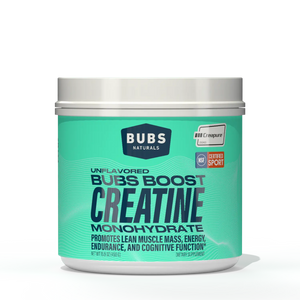
Consider a typical scenario: an early morning workout or a demanding workday. Starting your day with a boost can set a positive tone. Our MCT Oil Creamer – 10 oz Tub in your coffee or smoothie can support sustained energy and mental clarity, helping you stay sharp and focused. As you move into your workout, supplementing with our Creatine Monohydrate can support strength and power, and it pairs perfectly with the electrolyte support from our Hydration Collection to optimize your training performance and recovery. After a demanding session, supporting your body's natural recovery processes is key. Our Collagen Peptides are a favorite for supporting joints, skin, hair, and nails, integral to maintaining an active, adventurous lifestyle.
Beyond the immediate demands of exercise, general wellness supplements can also contribute to the overall picture. Vitamin C with citrus bioflavonoids offers antioxidant support and aids in collagen formation, complementing the work of collagen peptides. And for daily digestive and general wellness support, our Apple Cider Vinegar Gummies are a convenient way to integrate a beneficial habit.
When choosing supplements, we emphasize the importance of clean, high-quality, natural ingredients. Our products are rigorously tested and certified by third parties like NSF for Sport, ensuring what’s on the label is what’s in the product, with no unwanted extras. This aligns with our no-BS approach to supplements, providing only simple, effective ingredients that truly support your journey.
Lifestyle Factors: Listening to Your Body
Beyond diet and supplements, living a balanced lifestyle means paying attention to your body's signals. Factors like activity level, age, climate, and altitude all influence your electrolyte needs.
-
Adjust for Activity: The more intense or prolonged your physical activity, the greater your need for electrolyte replenishment.
-
Consider the Environment: Hot and humid conditions increase sweat rates and electrolyte loss.
-
Monitor Symptoms: Pay attention to signs of imbalance like persistent thirst, muscle cramps, or unusual fatigue. These are your body's ways of telling you something is off.
By integrating these strategies, you can proactively maintain optimal electrolyte balance, allowing your body to perform efficiently, recover effectively, and remain ready for whatever adventure comes next. It’s about empowering yourself to feel the difference a well-supported body can make.
Our Commitment to Clean Wellness and Giving Back
At BUBS Naturals, our mission extends beyond creating exceptional supplements; it's about fostering a community rooted in adventure, wellness, and purpose. Inspired by the legacy of Glen "BUB" Doherty, a Navy SEAL who lived life to the fullest and selflessly served his country, we are dedicated to providing products that support active, healthy lives.
Our unwavering commitment to quality means we meticulously source only clean, high-quality, natural ingredients. We believe in transparency and a "no-BS approach"—what you see on our labels is exactly what you get. This dedication is further reinforced by rigorous third-party testing and certifications, including NSF for Sport, ensuring our products meet the highest standards for purity, potency, and safety. When you choose supplements from our Hydration Collection or any other BUBS Naturals product, you're choosing a trusted partner in your wellness journey.
But our purpose goes even deeper. We honor Glen's legacy through our 10% Rule, pledging to donate 10% of all profits to veteran-focused charities. Every scoop of our Collagen Peptides, every serving of our MCT Oil Creamer – 10 oz Tub, and every packet from our Hydration Collection contributes to supporting the brave men and women who have served our nation. This is our way of living our values, making a tangible difference in the world, and ensuring that BUB's spirit of service continues to inspire.
We are here to support your active lifestyle with products that mix effortlessly and deliver tangible benefits. Because we believe that when you feel your best, you're empowered to pursue your passions, embrace new challenges, and live a life filled with meaning and impact.
Conclusion
Understanding what are electrolytes function in the body is no longer a niche topic for scientists or elite athletes; it's fundamental knowledge for anyone striving for optimal health and an active lifestyle. These electrically charged minerals are the unsung heroes of our physiology, orchestrating critical processes from fluid balance and nerve impulses to muscle contractions and pH regulation. From the powerful surges of sodium and potassium that drive our nervous system to the multifaceted support of magnesium in energy production, each electrolyte plays an indispensable role in maintaining the harmony of our internal systems.
We've explored how imbalances can arise from everyday activities like sweating or more serious issues, leading to symptoms that can hinder our performance and overall well-being. But more importantly, we’ve highlighted that through a balanced diet, strategic hydration, and high-quality supplementation, we can proactively support these vital functions.
Embracing an adventurous life means being prepared, and that includes ensuring your body has the right fuel and support. Just as we commit to clean, science-backed ingredients and giving back to veteran-focused charities, we encourage you to commit to understanding and supporting your body’s needs. For superior hydration support that aligns with your active lifestyle and values, explore our carefully formulated Hydration Collection. One scoop, feel the difference, and empower your adventure.
FAQ
Q1: Can I get all the electrolytes I need from just drinking water?
A1: While water is essential for hydration, it typically does not contain significant amounts of electrolytes. For most healthy individuals engaging in light activity, a balanced diet usually provides sufficient electrolytes. However, during intense or prolonged physical activity, in hot climates, or if experiencing heavy fluid loss from illness, relying solely on water may not be enough. In these situations, your body loses electrolytes through sweat, vomiting, or diarrhea, and supplementing with a product from our Hydration Collection can help replenish these vital minerals and support optimal fluid balance and muscle function.
Q2: How quickly can electrolyte imbalances develop, and what are the early signs?
A2: Electrolyte imbalances can develop relatively quickly, especially with acute events like heavy sweating during strenuous exercise, prolonged vomiting, or severe diarrhea. Early signs can often be subtle, including increased thirst, mild fatigue, muscle cramps, or a slight headache. As imbalances become more pronounced, symptoms can escalate to muscle weakness, dizziness, confusion, or an irregular heartbeat. It's important to listen to your body and recognize these signals, as prompt replenishment of electrolytes, often with a clean source like Hydrate or Die – Mixed Berry, can help restore balance.
Q3: Beyond hydration, what are some general wellness benefits of maintaining healthy electrolyte levels?
A3: Healthy electrolyte levels contribute to a wide array of general wellness benefits. They are crucial for maintaining proper nerve and muscle function, which impacts everything from cognitive clarity to physical coordination. They support stable blood pressure, contribute to healthy pH balance in the body, and play a role in nutrient absorption and waste removal at the cellular level. By ensuring your electrolytes are in harmony, you're supporting your body's foundational processes, which can positively impact your overall energy, mood, and ability to engage in an active, purposeful life. Products like our Collagen Peptides also contribute to overall wellness, working in conjunction with proper electrolyte balance for a holistic approach to health.
Q4: Are BUBS Naturals electrolyte products suitable for active individuals and those with specific dietary preferences?
A4: Yes, our Hydration Collection is specifically designed with active individuals in mind. We formulate our products with clean, high-quality, natural ingredients and no added sugar, making them an excellent choice for those seeking effective hydration without unnecessary additives. Many of our products, including our electrolyte offerings, are also third-party tested and certified by NSF for Sport, ensuring purity and safety. This commitment means they are generally suitable for a wide range of dietary preferences, supporting a life of adventure and wellness through simple, effective ingredients.