Table of Contents
- Introduction
- The Science of the Dehydration Headache
- Why Plain Water Isn’t Always Enough
- Specific Types of Headaches and Electrolytes
- The "Big Four" Minerals for Headache Relief
- Practical Steps: How to Use Electrolytes for Relief
- When to Seek Medical Attention
- Long-Term Prevention: Building a Mineral-Rich Routine
- Moving Forward with Purpose
Introduction
You’re halfway through a long afternoon when you feel it—that dull, persistent throb behind your eyes or a tightening at the base of your skull. Maybe it started after a heavy training session, a long flight, or a morning spent chasing deadlines without a single break for water. While most people instinctively reach for a plain bottle of water, many find that the pain persists even after they’ve finished the bottle. This is where the conversation shifts from simple fluid intake to the critical role of essential minerals.
At BUBS Naturals, we focus on functional wellness designed to keep you moving, whether you’re on a mountain trail, in the gym, or navigating a demanding workday. This article explores how electrolytes help a headache by restoring the delicate balance your nervous system requires to function. We will dive into the science of mineral depletion, the specific types of headaches that respond best to hydration, and practical ways to keep your body in balance. Understanding the link between minerals and brain health is the first step toward better recovery and sustained performance. For a broader look at our approach, start with our Hydration Collection.
Quick Answer: Yes, electrolytes can help a headache, particularly those caused by dehydration or mineral imbalances like magnesium deficiency. They work by restoring fluid balance, supporting nerve function, and preventing the brain tissues from shrinking due to water loss.
The Science of the Dehydration Headache
To understand if electrolytes can help, we first need to look at why your head hurts when you are low on fluids. Most people think of dehydration as simply "not enough water," but it is more complex than that. Your brain is roughly 75% water. When your total body water drops, your brain and other tissues actually begin to shrink or contract.
As the brain tissues shrink, they can pull away from the skull. This physical retraction puts pressure on the sensitive nerves surrounding the brain, which leads to the sensation of pain. This is the physiological "alarm" telling you that your internal environment is out of balance.
However, water cannot move into your cells effectively without minerals. This is where the "electrolyte" part of the equation becomes vital. Electrolytes are minerals that carry an electric charge. They act as the gatekeepers for your cells, signaling when to let water in and when to hold it. If you have plenty of water but no electrolytes, the water may simply pass through your system without actually hydrating your brain tissues. If you want a deeper primer, read What Is an Electrolyte in Water?.
How Electrolytes Regulate Fluid Balance
The body uses a process called osmosis to move water. Water follows salt (sodium). If the sodium levels outside your cells are too low because you’ve sweated them out or haven't replaced them, the water can't get into the cells where it is needed.
This imbalance doesn't just cause your brain to "shrink" temporarily; it also impacts how your nerves send signals. When minerals like potassium and magnesium are low, your nerves can become "hyperexcitable." This means they fire more easily, which can trigger the onset of a tension headache or a migraine.
Key Takeaway: A headache isn't just a sign of thirst; it’s often a sign that your brain is physically responding to a lack of minerals needed to maintain its size and electrical stability.
Why Plain Water Isn’t Always Enough
You might have noticed that drinking a gallon of plain water sometimes makes you feel bloated or sends you to the bathroom every twenty minutes without actually curing your headache. This happens because "plain" water—especially highly filtered or reverse osmosis water—often lacks the trace minerals your body needs.
When you drink massive amounts of water without replacing lost salts, you can actually dilute the electrolytes already in your system. This is a condition called hyponatremia. In mild cases, it causes brain fog, fatigue, and—you guessed it—headaches.
This is why "hydrating" and "drinking water" are not the same thing. True hydration requires a balance of:
-
Water: The solvent.
-
Electrolytes: The conductors that pull the water into the tissues.
-
Glucose (in small amounts): To help transport sodium across the intestinal wall.
By adding minerals to your water, you change the "osmolality" of the fluid, making it easier for your body to absorb and use. This is why many athletes find that a dedicated electrolyte drink helps a headache much faster than a standard bottle of spring water. If you’re wondering what to add to your bottle, see Hydration Essentials: What Can I Put in Water for Electrolytes?.
Specific Types of Headaches and Electrolytes
Not all headaches are created equal. Depending on the cause of your pain, electrolytes might play a different role in your recovery.
The Dehydration Headache
This is the most common form of pain related to fluid loss. It usually feels like a dull ache that gets worse when you move your head, bend over, or walk. You might also notice a dry mouth, dark urine, or a sense of lethargy. Because this headache is caused by the "shrinking" of brain tissue, restoring the mineral-water balance usually provides relief within 30 to 60 minutes.
Migraines
Migraines are complex neurological events, but dehydration is a known trigger for about 17% of migraine sufferers. Recent research suggests that electrolyte balance, specifically magnesium, plays a massive role in migraine management. Magnesium helps regulate a protein called CGRP, which is often elevated during a migraine attack. If your magnesium levels are low, your blood vessels may constrict or your nerves may become over-reactive, leading to the intense throbbing associated with migraines.
Tension Headaches
Often felt as a tight band around the forehead, tension headaches are frequently linked to muscle tightness in the neck and shoulders. Minerals like potassium and calcium are responsible for muscle contraction and relaxation. When these are out of balance, your muscles can stay in a "contracted" state, leading to physical tension that radiates into a headache.
The "Coat-Hanger" Headache
This is a specific type of pain that affects the back of the head, neck, and shoulders—forming a shape like a coat hanger. It is often linked to orthostatic hypotension (a drop in blood pressure when standing). Since sodium and chloride help regulate blood volume and pressure, maintaining these electrolytes can help prevent the blood pressure drops that trigger this specific pain.
Myth: You only need electrolytes if you are sweating heavily during a workout.
Fact: Everyday factors like stress, caffeine consumption, and indoor heating can deplete your mineral stores, leading to "hidden" dehydration and headaches.
The "Big Four" Minerals for Headache Relief
If you are looking at a supplement or a food source to help with a headache, these are the four minerals that do the heavy lifting.
| Mineral |
Role in the Body |
Headache Connection |
| Sodium |
Regulates blood pressure and fluid volume. |
Low sodium causes brain cell swelling; high sodium can cause dehydration. |
| Potassium |
Supports nerve signals and muscle function. |
Prevents muscle cramping in the neck/shoulders that leads to tension pain. |
| Magnesium |
Relaxes blood vessels and calms the nervous system. |
Deficiency is strongly linked to migraine frequency and intensity. |
| Calcium |
Aids in blood vessel contraction and nerve transmission. |
Imbalances can lead to muscle tightness and "trigger points" in the neck. |
The Magnesium-Migraine Connection
Among all the minerals, magnesium is often considered the most important for those who suffer from chronic headaches. Many people in the US are chronically low in magnesium because of soil depletion and the prevalence of processed foods.
Magnesium acts as a "blocker" for certain receptors in the brain that transmit pain signals. It also helps prevent the "cortical spreading depression" (a wave of brain activity) that is thought to cause the visual auras and sensory sensitivities associated with migraines. Many headache specialists recommend a daily intake of 400mg to 500mg of magnesium to help keep these symptoms at bay.
Practical Steps: How to Use Electrolytes for Relief
If you feel a headache coming on, your approach to hydration should be intentional. Chugging a liter of water in thirty seconds can actually cause more stress on your system and potentially lead to vomiting if you are already nauseated.
-
Start with Slow Sips: Instead of gulping, take small, frequent sips of an electrolyte-rich drink. This gives your gut time to absorb the minerals and water without overwhelming your system.
-
Check Your Formula: Look for a clean electrolyte source. Many grocery store sports drinks are loaded with high-fructose corn syrup, artificial dyes, and chemical preservatives—all of which can actually be headache triggers for sensitive people.
-
The Cool Factor: Applying a cold compress to your forehead or the back of your neck while you hydrate can help constrict blood vessels and provide immediate sensory relief while the minerals work internally.
-
Avoid Caffeine: While some headache medications contain caffeine, it is a diuretic. If your headache is caused by dehydration, caffeine will only make the underlying problem worse by forcing your kidneys to flush out more water.
At BUBS Naturals, we designed our Hydrate or Die electrolyte powder to meet these needs without the "junk" found in traditional sports drinks. We use a high-dose, nature-based formula that prioritizes sodium from sea salt and essential minerals like potassium and magnesium. It is NSF for Sport certified, which means it’s been rigorously tested for purity—something we take seriously because our community includes athletes and veterans who can’t afford to guess what’s in their supplements. For a closer look at the category, visit Electrolytes for Everyday Hydration. For another helpful guide, see Balancing Body Electrolytes.
Bottom line: To resolve a headache quickly, prioritize a high-quality mineral salt over plain water and avoid sugary "neon" sports drinks that might contain artificial triggers.
When to Seek Medical Attention
While most headaches caused by dehydration or mineral imbalance will resolve within a few hours of proper hydration, some situations require a professional.
You should consult a healthcare provider if:
- Your headache is accompanied by a high fever or stiff neck.
- You experience a "thunderclap" headache (the worst pain of your life appearing suddenly).
- You have blurred vision, slurred speech, or numbness.
- You are vomiting so severely that you cannot keep any fluids down.
- The headache persists for more than 24 hours despite hydration efforts.
Severe dehydration can lead to heat stroke or kidney issues, which often require IV fluids in a clinical setting. Listen to your body—if the "usual" tricks aren't working, don't hesitate to seek help.
Long-Term Prevention: Building a Mineral-Rich Routine
The best way to handle a dehydration headache is to never get one in the first place. This requires moving away from the "reactive" model—drinking only when you hurt—to a "proactive" model of mineral maintenance.
1. Optimize Your Morning
You lose a significant amount of water and minerals overnight through breath and sweat. Instead of reaching for coffee first thing, start your day with 16 ounces of water mixed with a scoop of electrolytes. This "wakes up" your cells and sets a baseline for your blood pressure and brain function.
2. Eat Your Water
Many fruits and vegetables are naturally high in both water and electrolytes.
-
Bananas and Avocados: High in potassium.
-
Spinach and Almonds: Great sources of magnesium.
-
Watermelon and Cucumber: High water content with trace minerals.
3. Account for Your Environment
If you work in an office with heavy air conditioning or heating, you are losing moisture to the air. If you live at a high altitude, your body processes oxygen and water differently. Adjust your mineral intake based on your environment, not just your thirst.
4. Supplement Wisely
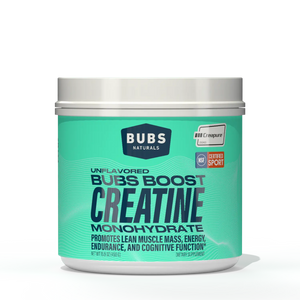
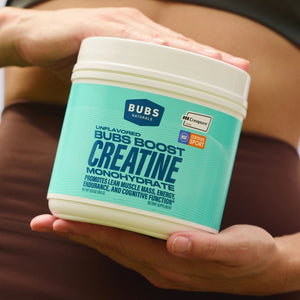
If you have a high-performance lifestyle, your mineral requirements are higher than average. We believe in keeping things simple and clean. Our products, like our Hydrate or Die electrolytes and our single-ingredient Creatine Monohydrate, are designed to support the foundations of health—hydration, strength, and recovery—without unnecessary fillers. You can also explore our Boosts collection or read more about Creatine Monohydrate: The Unrivaled Standard.
Moving Forward with Purpose
Managing your health is about more than just avoiding pain; it’s about equipping your body to handle the adventures you choose. Whether you’re training for a marathon or just trying to get through a stressful work week without a migraine, the balance of minerals in your system is a fundamental building block of your success.
At BUBS Naturals, we are driven by the legacy of Glen "BUB" Doherty—a man who lived with intensity, purpose, and a commitment to helping those around him. We carry that spirit into everything we do, from the quality of our ingredients to our commitment to the veteran community. We donate 10% of all our profits to veteran-focused charities, ensuring that your journey toward wellness also supports those who have served. To learn more, visit About BUBS Naturals.
Take the next step in your hydration routine by focusing on quality over quantity. Your brain—and your performance—will thank you.
"The better you are at remembering to stay hydrated and consequently preventing dehydration, the more likely you will be able to reduce your headache burden." — A reminder that consistency is the key to recovery.
FAQ
Can drinking too much water cause a headache?
Yes, this is known as hyponatremia. When you drink excessive amounts of plain water without enough sodium, the salt levels in your blood drop too low, causing your cells (including brain cells) to swell. This swelling creates pressure and pain, which is why balancing water with electrolytes is essential.
How long does it take for electrolytes to help a headache?
Most people report feeling relief within 30 to 60 minutes after consuming a high-quality electrolyte solution. However, it can take up to two or three hours for your body to fully redistribute fluids and for brain tissues to return to their normal state.
Which electrolyte is best for migraines?
Magnesium is the most studied and recommended mineral for migraine relief. It helps stabilize nerve membranes and prevents the over-excitation of the brain that leads to migraine attacks. Many practitioners recommend magnesium glycinate for its high bioavailability and gentle effect on the stomach.
Are sports drinks better than water for headaches?
A clean electrolyte drink is generally better than plain water for a dehydration headache because it provides the "transport" minerals needed for absorption. However, you should avoid sports drinks with high sugar and artificial dyes, as these ingredients can sometimes trigger or worsen headaches in certain individuals.