Table of Contents
- Introduction
- The Difference Between Blood and Muscle Clearance
- How Your Body Eliminates Creatine
- Factors That Influence the Timeline
- The Impact of Supplementation Phases
- What to Expect When You Stop Taking Creatine
- Why Quality Matters for Your Body
- Practical Scenarios for Stopping
- How to Resume Supplementation
- Summary of the Creatine Timeline
- Conclusion
- FAQ
Introduction
You have built a solid routine. You are hitting your lifts, staying hydrated, and consistently taking your supplements. Among those, creatine is likely a staple. It is one of the most researched and effective supplements in the world for building strength and improving recovery. But life happens. Maybe you are headed on a long vacation, preparing for a medical test, or simply wondering what happens if you miss a few days.
At BUBS Naturals, we believe in total transparency when it comes to your health and performance. Knowing how long a supplement stays in your system is just as important as knowing why you take it in the first place. Whether you are curious about the "washout" period or how your body processes this amino acid, understanding the timeline is key to managing your fitness goals. If you want the cleanest option to support your routine, start with our Creatine Monohydrate.
In this guide, we will break down the metabolic journey of creatine. We will look at how long it stays in your blood, how long it remains in your muscle tissue, and the factors that influence its departure. Our goal is to give you the facts you need to make informed decisions about your supplementation and performance. For a deeper dive into how it supports an active lifestyle, explore our Creatine & Fitness hub.
Quick Answer: Supplemental creatine typically clears from your bloodstream within 24 hours. However, it takes roughly 4 to 8 weeks for the elevated creatine stores in your muscles to return to their natural baseline levels once you stop taking it.
The Difference Between Blood and Muscle Clearance
To understand how long before creatine leaves the body, we have to distinguish between two different "storage tanks." The first is your bloodstream. When you take a scoop of creatine monohydrate, it enters your blood quickly to be transported to your cells. The second tank is your skeletal muscle, where the vast majority of your body’s creatine is stored as phosphocreatine.
Phosphocreatine is a compound that acts as a backup energy source. It helps your body quickly replenish adenosine triphosphate, or ATP. Think of ATP as the "energy currency" of your cells. When you lift heavy or sprint, your muscles burn through ATP fast. Phosphocreatine steps in to keep the lights on. We break this mechanism down further in our Boost Recovery guide.
Because these two tanks operate differently, they have different exit timelines. The creatine floating in your blood is processed and filtered out relatively quickly. The creatine that has been tucked away in your muscle fibers is much more stubborn. It stays there until it is called upon for energy or naturally breaks down over time.
The Half-Life of Creatine
In science, "half-life" refers to the time it takes for the concentration of a substance in your body to reduce by 50%. Most research suggests that the half-life of supplemental creatine is quite short—roughly 2.5 to 3 hours.
This means that if you take a standard 5-gram dose, half of that will be gone from your blood in about three hours. Within 24 hours, the supplemental creatine in your blood is almost entirely cleared. This is why daily supplementation is the standard recommendation; you want to keep those blood levels consistent so your muscles can keep soaking it up.
The Washout Phase
The "washout phase" is the term used to describe the time it takes for your muscle stores to return to their pre-supplement levels. This is the timeline most athletes actually care about. Even after the creatine is gone from your blood, your muscles remain "saturated" for a significant amount of time.
Studies show that once you stop taking creatine, your muscle stores do not drop overnight. Instead, they gradually decline. It usually takes at least four weeks, and sometimes up to eight weeks, for those levels to hit the baseline. During this window, you may still feel some of the performance benefits of the supplement even if you haven't taken a dose in days.
Key Takeaway: While creatine clears your blood in a day, your muscles hold onto those extra stores for over a month. This means missing a single dose won't instantly tank your performance or strength.
How Your Body Eliminates Creatine
The exit strategy for creatine is a well-oiled machine involving your liver and your kidneys. The process starts when your muscles use phosphocreatine for energy or when it naturally degrades. When this happens, it turns into a waste product called creatinine.
Creatinine is a stable byproduct. Once it is formed, your body cannot turn it back into energy. It is released into the bloodstream and heads straight for your kidneys. Your kidneys act as a filtration system, sifting the creatinine out of your blood and preparing it to be flushed out through your urine.
This is a constant, 24-hour operation. Your body naturally produces about 1 to 2 grams of creatine per day on its own, and it filters out a similar amount of creatinine. When you supplement, you are simply increasing the volume of this cycle. Your kidneys work a bit harder to filter the extra waste, but for healthy individuals, this is a normal and safe biological function.
Measuring Creatinine Levels
Because creatinine is filtered by the kidneys, doctors often use it as a marker for kidney health. If you are taking a blood test while supplementing with creatine, your creatinine levels might appear higher than average.
This does not necessarily mean your kidneys are struggling; it often just means you have more "input" resulting in more "output." If you have an upcoming blood test and want an accurate baseline of your kidney function without the influence of supplements, you may need to stop taking creatine for several weeks to allow the levels to normalize.
Bottom line: Your body converts used creatine into creatinine, which is then filtered by the kidneys and excreted through urine. This process ensures there is no unnecessary buildup in your system.
Factors That Influence the Timeline
Not everyone processes supplements at the same speed. Several individual factors can determine how long before creatine leaves the body. If you are a larger athlete with more muscle mass, your timeline will look different than someone who is just starting their fitness journey.
Muscle Mass and Storage Capacity
Creatine is stored almost exclusively in skeletal muscle. Therefore, the more muscle mass you have, the more "storage space" you have for phosphocreatine. A 220-pound bodybuilder can store significantly more creatine than a 150-pound endurance runner.
Because the storage capacity is higher, it may take longer for a heavily muscled individual to reach full saturation, but it may also take longer for those stores to completely deplete during a washout phase.
Activity Level and Intensity
How you train dictates how fast you use your stored energy. High-intensity interval training (HIIT), heavy powerlifting, and sprinting rely heavily on the phosphocreatine system. If you continue to train at a high intensity while stopping supplementation, you will likely burn through your stores faster than someone who switches to a sedentary lifestyle.
Metabolic Rate
Every person has a unique metabolic rate. This is the speed at which your body performs chemical reactions to keep you alive and moving. People with faster metabolisms generally process and excrete substances more quickly. This includes the conversion of creatine to creatinine and its subsequent filtration through the kidneys.
Hydration Levels
Since the final exit for creatine is through the urine, your hydration levels play a major role. Proper hydration supports kidney function and helps flush waste products efficiently. If you are dehydrated, your body may hold onto waste products longer, potentially slowing down the clearance of creatinine from your blood. For a clean electrolyte option that fits this part of the routine, take a look at Hydrate or Die® Electrolytes.
| Factor |
Impact on Creatine Duration |
| High Muscle Mass |
Increases storage time and washout period. |
| Fast Metabolism |
Decreases the time creatine stays in the blood. |
| Intense Training |
Uses up muscle stores faster. |
| Dehydration |
Can slow down the excretion of creatinine. |
| High Dosage |
Leads to longer saturation and a longer washout. |
The Impact of Supplementation Phases
How you choose to take your creatine also affects how long it stays in your system. There are generally two ways people start: the loading phase and the maintenance phase.
The Loading Phase
A loading phase typically involves taking about 20 grams of creatine per day (usually split into four doses) for 5 to 7 days. The goal is to "force-feed" your muscles so they reach maximum saturation as quickly as possible. When you load, your blood levels remain high for a week, and your muscle stores hit their peak very fast. Because your stores are maxed out, the washout period if you stop after a loading phase will be at the longer end of the spectrum (6 to 8 weeks).
The Maintenance Phase
The maintenance phase involves taking a consistent dose of 3 to 5 grams per day. This is the approach we usually recommend at BUBS Naturals because it is easier on the digestive system and leads to the same results over time. With maintenance dosing, your muscles reach saturation more slowly (usually in about 3 to 4 weeks). Because the buildup was more gradual, the "drain" during a washout period is often more predictable.
Note: If you are currently in a loading phase, your kidneys are processing a much higher volume of creatinine than during maintenance. It is especially important to increase your water intake during this time to support the filtration process.
What to Expect When You Stop Taking Creatine
If you decide to stop your supplementation, you won't wake up the next day feeling weak or "deflated." The process is very gradual. However, there are a few physical changes you might notice as the levels in your body begin to decline over that 4-to-8-week window.
Loss of Water Weight
Creatine is "osmotic," meaning it draws water into your muscle cells. This is called intracellular hydration. It is one of the reasons your muscles look fuller when you are supplementing. When you stop taking it and your muscle stores decrease, that extra water will eventually leave the cells. You might notice a slight drop on the scale—usually 2 to 5 pounds—within the first two weeks. This is not muscle loss; it is simply a change in water retention.
Changes in Strength and Power
As your phosphocreatine levels return to baseline, you might find that those "last two reps" of a heavy set become a bit harder. You aren't losing the actual muscle fiber you built, but you are losing the extra "turbocharge" that creatine provides. Your recovery between sets might also feel slightly slower, as your body takes more time to regenerate ATP without the supplemental help.
Mental Clarity
Some research suggests that creatine may support cognitive function and brain health. While most people take it for their muscles, the brain also uses phosphocreatine for energy. Some individuals report a slight "fog" or a decrease in mental sharpness when they stop taking it, though this is less commonly reported than the physical changes.
Myth: Stopping creatine will cause your muscles to wither away and disappear.
Fact: Creatine helps you train harder, which leads to muscle growth. When you stop, you may lose some water weight and a bit of "burst" energy, but the actual muscle tissue you gained through hard work stays with you.
Why Quality Matters for Your Body
When you are concerned about how long a substance stays in your body, you should be equally concerned about the purity of that substance. Low-quality supplements often contain fillers, heavy metals, or "extra" ingredients that your liver and kidneys have to process. This can complicate the excretion process and put unnecessary stress on your system.
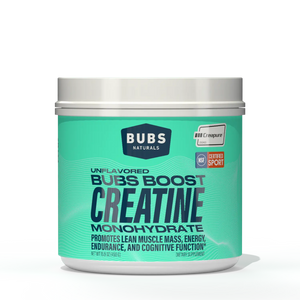
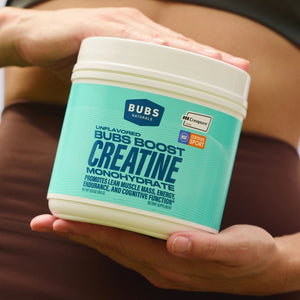
Our Creatine Monohydrate is designed with one thing in mind: purity. It is a single-ingredient formula. There are no flavorings, no sweeteners, and no hidden "proprietary blends." We use a micronized version, which means the particles are smaller and easier for your body to dissolve and absorb.
When you use a clean product, your body can process it efficiently. You don't have to worry about how long "mystery ingredients" are lingering in your system. We also ensure our products are third-party tested, providing a level of trust that is essential for athletes and anyone serious about their wellness.
Practical Scenarios for Stopping
When might you actually need to know how long before creatine leaves the body? There are a few real-world situations where this timeline becomes vital.
Medical and Lab Testing
As mentioned earlier, blood tests for kidney function (BUN and Creatinine tests) can be skewed by supplementation. If you want a "clean" reading, most healthcare providers suggest stopping creatine supplementation at least 2 to 4 weeks before the test. This allows the creatinine in your blood to drop to a level that accurately reflects your kidney's natural filtration rate rather than your supplement intake.
Weight-Class Competitions
If you are a wrestler, MMA fighter, or powerlifter trying to "make weight," the water retention from creatine can be a factor. Many athletes choose to stop taking creatine 2 to 3 weeks before a weigh-in to shed the intracellular water weight. Because the washout period is long, they often retain enough muscle saturation to keep their strength up for the competition while being a few pounds lighter on the scale.
Taking a Supplement Break
Some people believe in "cycling" supplements—taking them for a few months and then taking a month off. While the science shows that you don't need to cycle creatine, some people prefer to give their system a break. Knowing that it takes 4 to 8 weeks to leave your muscles means you can plan your "off" cycles around your training blocks. You might take a break during a de-load week or a holiday when your training intensity is naturally lower. If you want more perspective on the brand behind the formula, see Our Story.
Key Takeaway: Planning your "stop" date depends on your goal. For medical tests, 2-4 weeks is usually enough. For a full muscle washout, plan for at least 8 weeks.
How to Resume Supplementation
If you have been off creatine for more than a month, your muscle stores have likely returned to baseline. When you decide to start again, you have two choices: jump back in with a loading phase to saturate your muscles in a week, or take the slow and steady route.
At BUBS Naturals, we suggest the steady route. Taking 5 grams of our Creatine Monohydrate daily will get you back to full saturation in about 3 to 4 weeks without the potential bloating or digestive upset that sometimes comes with high-dose loading. Consistency is the most important factor. Whether it’s in your morning coffee, a post-workout shake, or just a glass of water, that daily scoop ensures your "energy tanks" are always full. If coffee is part of your ritual, our MCT Oil Powder can be another clean addition.
Summary of the Creatine Timeline
To wrap things up, let's look at the "exit calendar" for creatine:
-
0–3 Hours: Half of the dose has been processed from your bloodstream.
-
24 Hours: Supplemental creatine is largely gone from your blood; creatinine levels may still be elevated as the kidneys filter the waste.
-
1–2 Weeks: If you stop taking it, you will likely see a drop in water weight and a slight decrease in muscle fullness.
-
4 Weeks: Muscle stores have significantly dropped; performance benefits begin to fade.
-
8 Weeks: Your body has returned to its natural baseline levels. Your muscles and blood are "clear" of the extra boost.
Understanding this timeline helps you realize that creatine is not a "magic pill" that works instantly, nor is it a drug that leaves you crashing when you stop. It is a natural part of your body's energy system that you are simply optimizing through supplementation.
Conclusion
How long before creatine leaves the body is a question of biology and patience. While the blood clears quickly, the muscles hold on to that energy for a month or more. This gradual decline is actually a benefit; it means your hard work and the support of your supplements don't vanish the moment you miss a dose. It gives you a buffer and allows for flexibility in your routine.
At BUBS Naturals, we are driven by a commitment to quality and a higher purpose. Our products are designed to help you push your limits, whether you are in the gym or out on an adventure. We believe that what you put into your body should be as pure as the goals you are chasing.
We are also proud to carry on the legacy of Glen "BUB" Doherty. Every purchase you make helps us support the veteran community. We donate 10% of all our profits to veteran-focused charities, ensuring that your journey toward wellness also contributes to a greater cause.
If you are looking for a clean, effective way to support your strength and recovery, our Creatine Monohydrate is a perfect choice. It is simple, third-party tested, and built for people who demand the best from themselves. Take it daily, stay consistent, and when you do need to take a break, you now have the knowledge to do it right. For more on the mission behind the brand, visit Our Story.
FAQ
Does creatine show up on a drug test?
No, creatine is a legal, natural amino acid and is not a banned substance by the WADA (World Anti-Doping Agency), the NCAA, or the military. It will not cause a positive result on a drug screening for performance-enhancing drugs or illicit substances.
Will stopping creatine make me lose muscle?
You will not lose the actual muscle tissue you built while taking creatine. However, you will likely lose some water weight that was stored inside your muscles, which may make them appear slightly smaller or less "full."
How much water should I drink to flush out creatine?
There is no specific amount required to "flush" it, but you should always aim for at least 64 to 100 ounces of water per day while supplementing. Staying well-hydrated helps your kidneys filter the byproduct creatinine more efficiently. If you want a simple hydration option, try our Hydration Collection.
Is it safe for my kidneys to take creatine every day?
For healthy individuals with no pre-existing kidney conditions, daily creatine supplementation is widely considered safe. It is one of the most studied supplements in history, with long-term studies showing no adverse effects on kidney function in healthy adults.