Table of Contents
- Introduction
- The Biological Blueprint: Why Women Need Creatine
- Navigating the Menstrual Cycle and Hormonal Shifts
- Creatine for Healthy Aging and Menopause
- Mastering the Dose: How to Use Creatine Effectively
- Timing and Integration: When Should You Take It?
- Debunking the Myths: Bloating, Weight, and Hair Loss
- The BUBS Difference: Purity, Testing, and Purpose
- Stacking for Maximum Results
- Summary: Your Path to Enhanced Performance
- FAQ
Introduction
Did you know that women naturally exhibit about 70 to 80 percent lower endogenous creatine stores than men? While the fitness industry has historically marketed this powerhouse supplement to "gym bros" looking to bulk up, the biological reality suggests that women might actually be the ones who stand to gain the most from its use. For a long time, creatine was the misunderstood middle child of the supplement world—often associated with heavy weightlifting and significant water retention. However, the science has shifted dramatically. Today, we understand that creatine is less like a "bulking agent" and more like a high-performance battery charger for your cells, supporting everything from muscle recovery to cognitive clarity and bone health.
At BUBS Naturals, we are committed to providing clean, functional, and science-backed supplements that help you live a life of adventure and purpose. Our mission is inspired by the legacy of Glen “BUB” Doherty, a Navy SEAL who lived his life with intensity and a commitment to helping others. In that spirit, we want to clear the air about how to use creatine woman athletes, busy professionals, and those navigating the changes of menopause can rely on for real results. Whether you are looking to shave a few seconds off your morning run or simply want to fight back against the "brain fog" that often accompanies hormonal shifts, understanding the role of creatine is a game-changer.
In this guide, we will explore the biological nuances of why women need creatine, how it interacts with the menstrual cycle and menopause, and the most effective ways to integrate it into your daily routine. We will also address the common myths regarding weight gain and bloating, providing you with a clear, no-BS roadmap to optimizing your wellness. By the end of this article, you will have a comprehensive understanding of why Creatine Monohydrate deserves a permanent spot in your supplement stack.
The Biological Blueprint: Why Women Need Creatine
To understand why supplementation is so effective, we first have to look at how the body produces and uses energy. Creatine is a naturally occurring compound produced in the liver, kidneys, and pancreas. It is also found in protein-rich foods like red meat and seafood. Once inside the body, it is stored primarily in the muscles as phosphocreatine. When you perform a short burst of intense activity—like lifting a heavy grocery bag, sprinting for a bus, or powering through a set of squats—your body uses a molecule called adenosine triphosphate (ATP) for energy.
The problem is that your muscles only store enough ATP for a few seconds of work. This is where creatine steps in. It "donates" a phosphate group to turn used-up ADP back into fresh, usable ATP. It is essentially a recycling system for your cellular energy. Because women naturally have lower stores of this compound, our "batteries" tend to run out faster during high-intensity efforts. By using Creatine Monohydrate, we can top off those internal tanks, allowing for better performance and faster recovery.
Furthermore, research indicates that women generally consume less dietary creatine than men. If you follow a plant-based or vegetarian diet, your natural intake is likely even lower. This makes supplementation even more critical. At BUBS, we believe in keeping things simple and effective. We focus on providing high-quality, single-ingredient products that mix effortlessly into your lifestyle, ensuring that you get the support you need without any unnecessary fillers or "BS" ingredients.
Navigating the Menstrual Cycle and Hormonal Shifts
One of the most fascinating aspects of creatine research in recent years is how it intersects with female hormones. Estrogen and progesterone do more than just regulate the reproductive cycle; they act as master regulators of bioenergetics. During the luteal phase (the time between ovulation and your period), estrogen levels are at their peak. Research suggests that this is also a time when protein catabolism—the breakdown of muscle—is higher, and carbohydrate storage can be more challenging.
Because your body’s internal chemistry changes throughout the month, your need for external support changes too. Some studies suggest that creatine kinase (the enzyme that helps manage creatine in the body) levels fluctuate in sync with your cycle. When estrogen is low, or during times of high hormonal stress, supplementing with Creatine Monohydrate can provide a steady metabolic buffer. It helps maintain energy availability when your body is naturally working harder to manage other processes.
For women who experience significant fatigue or "brain fog" during their cycle, the cognitive benefits of creatine are particularly relevant. The brain is an energy-hungry organ, accounting for about 20% of your body's total energy expenditure. Just like your muscles, your brain uses the creatine-phosphate system to maintain homeostasis. By ensuring your brain has enough fuel, you may find it easier to stay sharp and focused, even when your hormones are trying to slow you down.
Creatine for Healthy Aging and Menopause
As we transition into perimenopause and post-menopause, the decline in estrogen can lead to a loss of muscle mass (sarcopenia) and a decrease in bone mineral density. This is a critical window for intervention. We often tell our community that "movement is medicine," and creatine acts as the catalyst that makes that movement more effective.
When combined with resistance training, Creatine Monohydrate has been shown to significantly improve muscle strength and bone health in post-menopausal women. In one notable study, post-menopausal women who used creatine while resistance training experienced significantly less bone loss at the femoral neck—the top of the thigh bone—compared to those who only exercised. The creatine group saw only a 1.2% loss, while the placebo group saw a nearly 4% loss. This is a massive difference when it comes to long-term mobility and injury prevention.
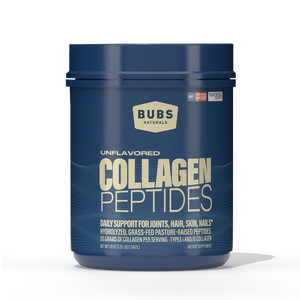
We designed our products to support this kind of longevity. For instance, many of our customers pair their creatine with Collagen Peptides to support joint health and skin elasticity simultaneously. It’s about creating a comprehensive wellness routine that addresses the body as a whole. As we age, our ability to maintain lean muscle mass becomes our "metabolic currency." Creatine helps you keep that currency in the bank, supporting a healthy metabolism and physical independence for years to come.
Mastering the Dose: How to Use Creatine Effectively
There is a lot of conflicting information about "loading phases" and "maintenance doses." In the bodybuilding world, it’s common to see people take 20 grams of creatine a day for a week to saturate their muscles quickly. While this works, it’s often the cause of the gastrointestinal upset and bloating that gives creatine a bad name among women.
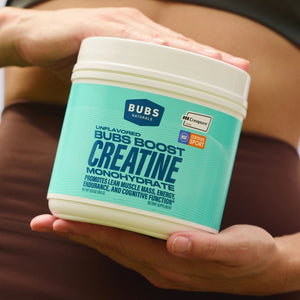
The more sustainable, "no-BS" approach that we recommend is a consistent daily dose of 3 to 5 grams. By taking one scoop of Creatine Monohydrate every day, your muscle stores will reach full saturation in about three to four weeks. This slower approach is much gentler on the digestive system and avoids the sudden water weight shift that often discourages new users.
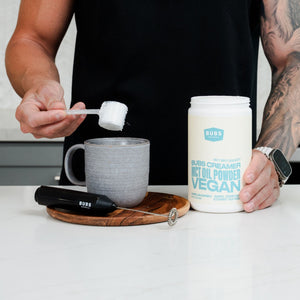
Consistency is the absolute key to success with creatine. Unlike a caffeine-heavy pre-workout that you might take only on "leg day," creatine works by building up a baseline level in your system. Whether you are training or taking a rest day, that five-gram scoop should remain a part of your ritual. Because our creatine is unflavored and dissolves instantly, you can toss it into your morning coffee, a post-workout shake, or even just a glass of water. If you really want to optimize your morning, try mixing it with our MCT Oil Creamer for a creamy, energy-boosting start that supports both your physical and mental performance.
Timing and Integration: When Should You Take It?
A common question we hear is whether creatine should be taken before or after a workout. The short answer? It doesn't really matter, as long as you take it. Some research suggests a slight advantage to taking it post-workout when your muscles are primed for nutrient uptake, but the difference is minimal. The "best" time to take creatine is the time you will actually remember to take it.
For many of us, that’s first thing in the morning. If you have a morning supplement routine that includes Apple Cider Vinegar Gummies for digestion or Vitamin C for immune support, simply add your creatine to the mix. By tethering it to an existing habit, you ensure that you never miss a day.
If you are a high-intensity athlete, you might find that taking your creatine alongside your electrolytes is the most efficient method. Our Hydrate or Die – Lemon provides the necessary minerals to keep your cells hydrated, which is crucial because creatine pulls water into the muscle cells. Proper hydration ensures that the creatine can do its job effectively without leaving you feeling depleted.
Debunking the Myths: Bloating, Weight, and Hair Loss
Let’s address the elephant in the room: the fear of getting "bulky" or gaining weight. This is the primary reason many women avoid creatine, and it’s largely based on a misunderstanding of how the supplement works. Creatine is osmotically active, meaning it attracts water. When you first start taking it, it may pull more water into your muscle cells. This is intracellular hydration, not the extracellular bloating you might feel after a salty meal or during your period.
Intracellular hydration is actually a good thing. It makes your muscles look fuller and more "toned," and it provides a better environment for muscle protein synthesis. You might see the scale go up by a pound or two in the first week, but this isn't fat gain; it’s simply your muscles becoming better hydrated. Most women find that this initial shift stabilizes quickly.
As for the myth about hair loss, there is currently no credible scientific evidence that creatine causes hair loss in women. The concern originated from a single, small study conducted on men that showed an increase in DHT (a hormone linked to hair loss), but the study never actually measured hair loss itself, and the results have never been replicated in women. Similarly, concerns about kidney damage are unfounded for healthy individuals. If you have a pre-existing kidney condition, you should always consult your doctor, but for the average healthy adventurer, creatine is one of the safest and most researched supplements on the market.
The BUBS Difference: Purity, Testing, and Purpose
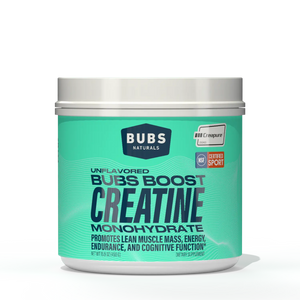
Not all creatine is created equal. Because the supplement industry is often under-regulated, many products on the shelf contain fillers, contaminants, or lower-quality forms of the compound. At BUBS Naturals, we take a different approach. Our Creatine Monohydrate is the highest-grade monohydrate available, and we go the extra mile to ensure it is NSF for Sport certified. This means it has been rigorously tested for purity and is free from banned substances—a must for competitive athletes and health-conscious individuals alike.
Our commitment to quality is matched only by our commitment to our mission. We aren't just here to sell supplements; we are here to honor the legacy of a hero. Through our 10% Rule, we donate 10% of all profits to veteran-focused charities. When you choose BUBS, you aren't just supporting your own wellness journey; you are contributing to a larger cause. We believe that when you feel your best, you are better equipped to do good in the world.
Whether you are preparing for a grueling mountain trek or just trying to keep up with a busy family schedule, our "one scoop" philosophy makes it easy to stay on track. We don't believe in gimmicks or complicated regimens. Just clean, effective ingredients that help you show up as the best version of yourself.
Stacking for Maximum Results
While Creatine Monohydrate is a powerhouse on its own, it works even better when integrated into a well-rounded supplement strategy. Think of your wellness routine as a team; while you have your star players, it’s the collaboration between them that wins the game.
For many women, the "Golden Trio" consists of creatine, collagen, and electrolytes.
-
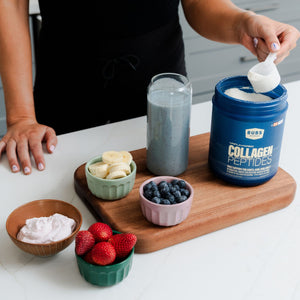
Morning: Start your day with a scoop of creatine and a scoop of Collagen Peptides in your coffee. The collagen supports your joints, skin, and hair, while the creatine sets the stage for physical and mental energy.
-
Workout: During or after your training session, use Hydrate or Die – Mixed Berry. The electrolytes help facilitate the transport of nutrients into your cells, ensuring the creatine is fully utilized.
-
Daily Maintenance: To support metabolic health and digestion, incorporate Apple Cider Vinegar Gummies into your afternoon routine.
This "stacking" approach ensures that you are covering all your bases—energy, recovery, hydration, and long-term structural health. By choosing products that are designed to mix well and work together, you take the guesswork out of your nutrition.
Summary: Your Path to Enhanced Performance
In summary, the question of how to use creatine woman athletes and health enthusiasts ask shouldn't be met with confusion or hesitation. The science is clear: creatine is a safe, effective, and vital tool for women across all stages of life. From its role in replenishing cellular energy (ATP) to its ability to support bone density and cognitive function, it offers a range of benefits that go far beyond the weight room.
Remember these key takeaways:
-
Dose Consistently: Aim for 3 to 5 grams of Creatine Monohydrate every single day.
-
Focus on Purity: Look for NSF for Sport certified products to ensure you are getting exactly what is on the label.
-
Stay Hydrated: Creatine works best when you are properly hydrated, so don't skimp on the water or electrolytes.
-
Embrace the Journey: Whether you are looking for muscle strength, better moods, or bone support, give the supplement at least 3-4 weeks to reach full saturation in your system.
At BUBS Naturals, we are proud to be a part of your wellness journey. We believe in the power of small, consistent actions to create big results. One scoop. Feel the difference. By fueling your body with the best possible ingredients, you are honoring your own potential and the legacy of those who inspire us to do more.
Ready to see what your body is truly capable of? Experience the BUBS difference for yourself and start your journey with our Creatine Monohydrate today.
FAQ
Does creatine cause weight gain in women?
When you start taking creatine, you may notice a slight increase in the scale—typically one to three pounds. This is almost entirely due to increased water retention inside your muscle cells, not fat gain. This intracellular hydration is actually beneficial for muscle performance and recovery. Most women find that their weight stabilizes after the first few weeks as the body adjusts to the supplementation.
Can I take creatine if I don't lift heavy weights?
Absolutely. While creatine is famous for its benefits in the gym, it also supports cognitive health, mood, and bone density. Women who lead active lifestyles—whether that involves yoga, hiking, running, or simply managing a busy household—can benefit from the improved cellular energy that creatine provides. It is particularly helpful for combating the fatigue and "brain fog" often associated with hormonal fluctuations or sleep deprivation.
Should I take a loading phase when I first start?
While a loading phase (taking 20 grams a day for 5-7 days) can saturate your muscles faster, it is not necessary. For most women, we recommend skipping the loading phase and starting with a standard dose of 3 to 5 grams per day. This approach significantly reduces the risk of bloating or stomach upset and will still result in full muscle saturation within about a month.
Is it safe to take creatine during perimenopause or menopause?
Yes, it is highly recommended. During menopause, the decline in estrogen can lead to a loss of muscle mass and bone density. Creatine Monohydrate has been shown to help preserve muscle and may even slow bone mineral loss when combined with regular resistance training. It is a powerful tool for supporting long-term mobility and metabolic health during this transition.