Table of Contents
- Introduction
- The Science of Muscle Saturation and ATP
- How to Load Creatine in Body: The Protocol
- Timing and Daily Routine Integration
- The Importance of Hydration During Loading
- Is Loading Strictly Necessary?
- Transitioning to the Maintenance Phase
- The Role of Quality and Certification
- Addressing Common Myths and Concerns
- Synergistic Benefits with Other Supplements
- A Day in the Life: Loading for Success
- Supporting the Legacy: The BUBS Mission
- Summary of Key Takeaways
- Conclusion
- FAQ
Introduction
Did you know that even if you eat a diet rich in red meat and seafood, your natural muscle stores of creatine are likely only 60% to 80% full? This leaves a significant gap in your body’s potential for explosive power, strength, and recovery. Most people operating at this baseline level are essentially running their high-performance "engine" on a tank that is three-quarters empty. When you're pushing through a grueling mountain trail or grinding through a heavy set of squats, that missing 20% to 40% can be the difference between hitting a new personal best and hitting a wall. At BUBS Naturals, we believe in living a life of purpose and adventure, and that requires a body that is fully prepared for whatever the day throws at it.
The concept of a creatine loading phase has been a cornerstone of sports nutrition since the early 1990s, when it first gained mainstream attention during the Barcelona Olympics. Since then, hundreds of peer-reviewed studies have examined how this simple amino acid derivative—naturally produced in our liver, kidneys, and pancreas—functions as a primary fuel source for high-intensity activity. The purpose of this post is to provide you with an authoritative, science-backed roadmap on how to load creatine in body efficiently, safely, and effectively.
By the end of this article, you will understand the molecular mechanics of the phosphagen system, the specific protocols for rapid muscle saturation, and how to integrate Creatine Monohydrate into a holistic wellness routine that honors your body and the legacy of those who inspired us. We’ll explore the nuance between loading and maintenance, address common misconceptions about side effects, and show you how to stack your supplements to support your goals.
At BUBS Naturals, our mission is built on the legacy of Glen “BUB” Doherty—a Navy SEAL, an adventurer, and a man who lived for the "dash" between his birth and death. We carry that spirit into every product we make, ensuring they are clean, effective, and rigorously tested. Our 10% Rule means that every time you choose to fuel your journey with us, you are also supporting veteran-focused charities. This guide is designed to help you optimize your physical performance so you can live your own life of adventure and purpose with no excuses and no BS.
The Science of Muscle Saturation and ATP
To understand how to load creatine in body, we first have to understand what creatine actually does at a cellular level. Your body’s primary energy currency is a molecule called Adenosine Triphosphate, or ATP. When you engage in explosive movements—think sprinting, jumping, or lifting heavy weights—your muscles burn through their ATP stores in a matter of seconds. To keep the movement going, your body must rapidly regenerate ATP. It does this by breaking down phosphocreatine (PCr) to donate a phosphate group to Adenosine Diphosphate (ADP), turning it back into ATP.
The more phosphocreatine you have stored in your muscle cells, the faster and more efficiently this regeneration process happens. This is the "why" behind supplementation. While your body produces about one gram of creatine a day and you might get another gram from food, your "tank" isn't full. By supplementing with high-quality Creatine Monohydrate, you increase these intramuscular stores by up to 40%.
The goal of a loading phase is to achieve this state of "saturation" as quickly as possible. Instead of waiting several weeks for your levels to slowly climb, a loading protocol saturates the muscles in five to seven days. This rapid increase in available energy allows you to perform more work during your training sessions almost immediately. When you can perform more repetitions or maintain a higher power output, you create a greater stimulus for the body to adapt, leading to improved strength and performance over time.
How to Load Creatine in Body: The Protocol
The standard, most researched method for a creatine loading phase involves taking 20 to 25 grams of creatine daily for five to seven days. However, we advocate for a more personalized approach that respects your individual body weight and digestive tolerance. A generic "one size fits all" dose can sometimes lead to the "BS" we try to avoid—namely, gastrointestinal discomfort or unnecessary waste.
A more precise way to calculate your loading dose is to multiply your body weight in kilograms by 0.3. For example, if you weigh 80 kg (approximately 176 lbs), your daily loading dose would be 24 grams. If you weigh 60 kg (about 132 lbs), you would aim for 18 grams. This ensures you are getting enough to reach saturation without overloading your system beyond what it can process.
Crucially, you should never take your entire daily loading dose at once. If you dump 25 grams of Creatine Monohydrate into your stomach in one go, you are likely to experience bloating, cramping, or nausea. Instead, divide the total amount into four or five 5-gram servings spread throughout the day. This "pulsing" method keeps your blood plasma levels elevated and gives your muscles multiple opportunities to pull the creatine from your bloodstream into the cells.
Timing and Daily Routine Integration
Integrating a loading phase into your life should feel like a natural extension of your wellness routine, not a chore. We’re big fans of the "one scoop, feel the difference" philosophy, but during a loading week, you’ll be taking several scoops. To make this easy, we suggest pairing your doses with your existing habits.
Start your morning with a ritual that sets the tone for the day. Many of our community members mix their first dose of Creatine Monohydrate into their morning coffee along with our MCT Oil Creamer. The MCTs provide a clean source of fats for mental clarity, while the creatine begins its work on your physical stores. Our products are designed to mix effortlessly, so you won't deal with the gritty texture common in lower-quality supplements.
For your second and third doses, consider taking them with lunch or a mid-afternoon snack. Creatine uptake is slightly more efficient when insulin levels are elevated, so consuming it with a meal containing carbohydrates or protein is a smart strategy. You might also take this time to support your digestion with our Apple Cider Vinegar Gummies, which include "the Mother" for added wellness benefits.
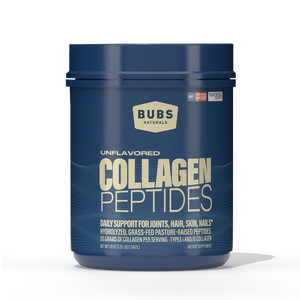
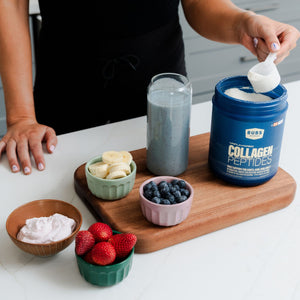
Your final dose of the day could be post-workout. This is a critical window for recovery. Mixing your creatine with Collagen Peptides is an excellent way to support both muscle energy and the structural integrity of your joints, tendons, and ligaments. While creatine fuels the contraction, collagen provides the building blocks for the connective tissues that make those contractions possible.
The Importance of Hydration During Loading
As you increase your creatine intake, your muscles will begin to pull more water into the cells. This is a natural part of the process and one of the reasons why creatine can lead to a "fuller" muscular appearance. However, this shift in fluid balance means you need to be proactive about your hydration. Simply drinking more plain water isn't always enough; you need to maintain a proper balance of electrolytes to ensure that water is actually getting where it needs to go.
This is where Hydrate or Die becomes your best friend during a loading phase. Formulated with a precise blend of sodium, potassium, and magnesium, it ensures your cells stay hydrated and your muscles function optimally. When you’re loading creatine, we recommend adding a stick of Hydrate or Die to your water at least once or twice a day to prevent the cramping or "tightness" that some people mistakenly attribute to the creatine itself.
Proper hydration also supports the kidneys as they process the supplemental load. While research has consistently shown that creatine is safe for healthy individuals, maintaining high fluid turnover is simply good practice when you are asking your body to adapt to a new nutritional protocol. Think of it as keeping the cooling system of your high-performance engine running smoothly while you’re pushing the RPMs.
Is Loading Strictly Necessary?
While the loading phase is the fastest way to see results, we believe in giving you the straight facts: it is not strictly mandatory. If you have a sensitive stomach or you’re in no particular rush to see gains, you can simply start with a maintenance dose of 3 to 5 grams per day.
Research shows that if you take 3 grams of Creatine Monohydrate daily, your muscles will reach the same level of saturation as they would with a loading phase—it just takes about 28 days to get there. Loading is essentially a shortcut that buys you three weeks of training at peak saturation levels. For the athlete with a competition on the horizon or the adventurer preparing for a major expedition, those three weeks are incredibly valuable.
We often suggest the loading phase for people who are just starting their journey or those returning to supplementation after a break. It provides a noticeable "kick" in performance that can be a great motivational tool. However, the most important factor is consistency. Whether you load for a week or start slow, the benefits only persist as long as you continue to take your daily maintenance dose. If you stop, your muscle stores will gradually return to their baseline levels within about 30 days.
Transitioning to the Maintenance Phase
Once you have completed your five to seven days of loading, your muscles are like a fully charged battery. You no longer need 20 grams a day to keep them that way. This is when you transition to the maintenance phase, which typically involves taking 3 to 5 grams of Creatine Monohydrate once per day.
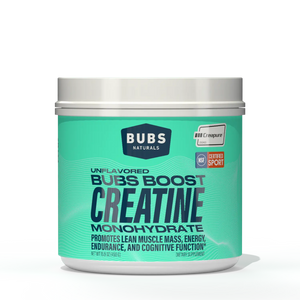
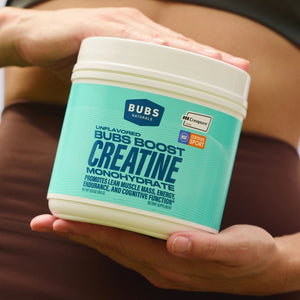
For most people, one scoop of our Creatine Monohydrate is the perfect maintenance dose. At BUBS, we use only pure, single-ingredient creatine monohydrate because it is the most researched and effective form available. We don’t add fillers, sugars, or artificial flavors. It’s a simple, effective tool for your wellness arsenal.
During maintenance, timing becomes less critical than it was during the loading phase. You can take your daily scoop whenever it fits your schedule. Many of us like to keep it in our post-workout shake alongside Collagen Peptides to simplify the routine. The goal of maintenance is simply to replace the amount of creatine your body breaks down naturally each day, ensuring your "tank" stays at 100% capacity.
The Role of Quality and Certification
When you’re putting 20 grams of a substance into your body every day for a week, quality isn't just a preference—it’s a requirement. The supplement industry is unfortunately full of products that contain impurities or don't match their label claims. This is why we are so committed to third-party testing.
Our Creatine Monohydrate is NSF for Sport certified. This is the gold standard in the industry, ensuring that the product is free from over 270 banned substances and that what is on the label is exactly what is in the tub. Whether you’re a professional athlete, a tactical professional, or a weekend warrior, you deserve to know that your supplements are as clean as your intentions.
Choosing a high-quality product also reduces the risk of side effects. Many reports of "creatine bloating" or stomach upset come from lower-grade powders that don't dissolve well or contain contaminants. By choosing BUBS, you're choosing a product that is rigorously vetted, reflecting our commitment to the values of Glen “BUB” Doherty—excellence, integrity, and a no-nonsense approach to life.
Addressing Common Myths and Concerns
Despite being one of the most researched supplements in the world, creatine is still surrounded by a fair amount of "gym lore" that can be confusing. One of the most common questions we get is about kidney health. While it is true that creatine supplementation can slightly raise creatinine levels in blood tests—which is a marker doctors use to check kidney function—this is a harmless byproduct of the supplement itself, not an indication of kidney damage. If you are taking Creatine Monohydrate, it’s always a good idea to mention it to your healthcare provider before a blood test so they can interpret the results correctly.
Another concern is weight gain. Yes, you will likely see the scale go up by one to three pounds during a loading phase. However, this is almost entirely water weight being held inside your muscle cells, not body fat. This intracellular hydration is actually a positive thing—it makes your muscles look fuller and may even stimulate protein synthesis, the process of building new muscle tissue.
Finally, some people worry that they need to "cycle" creatine, taking time off every few months. Current research doesn't support the need for cycling. Your body does not lose its ability to produce its own creatine, and long-term studies have shown that consistent supplementation is safe for healthy adults. We believe in building sustainable habits that support a lifetime of adventure, and daily creatine is a cornerstone of that philosophy.
Synergistic Benefits with Other Supplements
While creatine is a powerhouse on its own, it works even better when part of a comprehensive strategy. We’ve already mentioned the benefits of pairing it with Hydrate or Die for hydration and Collagen Peptides for structural support. But let’s look deeper into how these elements interact to support your overall wellness.
During a heavy training block—the kind of period where you might decide to start a loading phase—your body is under significant oxidative stress. Supporting your antioxidant levels with our Vitamin C can help support your body’s natural recovery processes. Vitamin C is also a crucial cofactor in collagen synthesis, meaning it helps your body actually use the Collagen Peptides you're taking to repair your joints.
Furthermore, the mental energy provided by our MCT Oil Creamer creates a powerful synergy with the physical energy from creatine. When your brain is sharp and your muscles are saturated with phosphocreatine, you can achieve a state of "flow" where your training feels effortless and your performance reaches new heights. At BUBS, we don’t just want you to be stronger; we want you to be more capable in every aspect of your life.
A Day in the Life: Loading for Success
To help you visualize how to load creatine in body, let’s look at a typical day for someone in the middle of their loading week.
6:30 AM: Wake up and hydrate with 16 oz of water. Brew a cup of coffee and add one scoop of MCT Oil Creamer and your first 5g dose of Creatine Monohydrate. This sets a high-performance baseline for the morning.
10:00 AM: Mid-morning snack, like a handful of nuts or a piece of fruit, accompanied by your second 5g dose of creatine. This is also a great time for your Apple Cider Vinegar Gummies to keep your digestion on track.
1:00 PM: Lunch time. Mix your third 5g dose into a glass of water or a smoothie. The nutrients from your meal will help shuttle the creatine into your muscle cells.
4:30 PM: Pre-workout or afternoon pick-me-up. Mix a stick of Hydrate or Die with your fourth 5g dose. This ensures you’re both hydrated and powered up for your evening activity.
7:30 PM: Post-workout dinner. Mix your final 5g dose (if you’re doing a 25g protocol) with a scoop of Collagen Peptides. This final dose supports the overnight repair and replenishment process, ensuring you wake up ready to go again.
By following a structured day like this, you ensure that you hit your saturation goals without overwhelming your digestive system, all while supporting your body with the clean, effective ingredients it deserves.
Supporting the Legacy: The BUBS Mission
When you choose to fuel your loading phase with BUBS Naturals, you're doing more than just buying a supplement. You're joining a community that believes in doing good while feeling great. Our commitment to quality is matched only by our commitment to giving back. Glen “BUB” Doherty was a man who lived to protect and serve others, and we honor his memory by donating 10% of all profits to organizations that support our veterans and their families.
This mission is at the heart of everything we do. We don’t cut corners on our ingredients because we know that the people who use our products—athletes, parents, adventurers—rely on us to help them be their best. Whether it's our NSF for Sport certified Creatine Monohydrate or our pasture-raised Collagen Peptides, every product is a reflection of the "no-BS" standard that Glen lived by.
Knowing how to load creatine in body is a valuable piece of knowledge, but it's the application of that knowledge—and the purpose behind it—that truly matters. We want to help you build a body that is a reliable vehicle for your soul’s adventures. When you’re at the top of a mountain or crossing a finish line, we want you to know that you’ve fueled yourself with the best possible ingredients and that you’ve helped someone else in the process.
Summary of Key Takeaways
The journey to optimal performance is a marathon, not a sprint, but the creatine loading phase is one of the few true shortcuts that science actually supports. By taking approximately 20 grams of creatine per day—divided into smaller doses—for one week, you can rapidly maximize your muscle stores, leading to faster gains in strength, power, and recovery.
Remember the pillars of a successful load:
-
Divide and Conquer: Split your daily total into 5-gram servings to avoid GI upset.
-
Hydrate Proactively: Use Hydrate or Die to balance the shift in fluid dynamics.
-
Stack for Success: Pair your creatine with Collagen Peptides and MCT Oil Creamer for a holistic approach to wellness.
-
Consistency is King: Once the week is over, don't stop. Shift to a 3-5 gram daily maintenance dose of Creatine Monohydrate to keep those stores full.
By following these principles, you’re not just taking a supplement; you’re optimizing your biology to live life to the fullest. You're removing the "BS" and focusing on what works, all while supporting a cause greater than yourself.
Conclusion
Understanding how to load creatine in body is about more than just numbers and dosages; it’s about giving yourself every possible advantage to live a life of adventure and purpose. By rapidly saturating your muscles with high-quality, NSF for Sport certified Creatine Monohydrate, you are setting the stage for significant improvements in your physical capacity.
Whether you’re just starting your fitness journey or looking to take your training to the next level, the protocols we’ve discussed provide a safe and effective roadmap. At BUBS Naturals, we are honored to be a part of your journey. We believe that through clean nutrition, disciplined training, and a commitment to helping others, we can all live a life that honors the legacy of Glen “BUB” Doherty.
The first step is always the hardest, but it's the most important. Start your loading phase today, feel the difference that high-quality supplementation can make, and join us in our mission to live life to the fullest. Explore our Creatine Monohydrate and see how it can support your wellness journey. One scoop. Feel the difference. Let’s get to work.
FAQ
Does a creatine loading phase cause bloating or weight gain?
During a loading phase, it is common to experience a slight increase in weight, typically between one and three pounds. This is primarily due to water being drawn into the muscle cells as creatine stores increase. This "bloating" is usually intramuscular, meaning it makes the muscles look fuller rather than causing a soft or puffy appearance. To minimize digestive bloating, be sure to split your daily loading dose into four or five smaller servings of Creatine Monohydrate throughout the day rather than taking it all at once.
Can I skip the loading phase and still get results?
Yes, you can certainly skip the loading phase. Taking a standard maintenance dose of 3 to 5 grams of Creatine Monohydrate daily will eventually lead to full muscle saturation. The only difference is the timeline; while a loading phase gets you there in about a week, a steady maintenance dose will take approximately 28 days to reach the same level. If you are not in a rush or have a very sensitive stomach, the slow-and-steady approach is a perfectly valid and effective strategy.
Is it necessary to cycle off creatine after a certain period?
Current scientific research does not suggest that it is necessary to cycle off creatine. Long-term studies have shown that daily supplementation is safe for healthy individuals and does not hinder the body’s natural ability to produce its own creatine. In fact, many people choose to take Creatine Monohydrate year-round to maintain consistent muscle saturation and enjoy the ongoing benefits for performance and recovery.
What should I mix my creatine with for the best absorption?
While you can mix Creatine Monohydrate with plain water, research suggests that taking it with a source of carbohydrates or protein can slightly improve uptake due to the insulin response. Many of our customers enjoy mixing it into their morning coffee with MCT Oil Creamer or adding it to a post-workout shake with Collagen Peptides. The most important factor is making sure it is fully dissolved and that you are staying well-hydrated throughout the day with Hydrate or Die.