Table of Contents
- Introduction
- The Science of Creatine: More Than Just a "Gym Bro" Supplement
- Why Aging Women Need a Different Approach to Creatine
- The Estrogen Factor: Creatine and the Menopausal Transition
- Fighting Sarcopenia: Building Muscle to Support Longevity
- Bone Health and Structural Integrity in the Later Years
- Brain Power: Support for Cognitive Health and Mental Clarity
- Mood Regulation and Emotional Resilience
- Addressing the "Weight Gain" Myth and Other Common Concerns
- Quality Matters: The BUBS Naturals Standard and Our Mission
- How to Integrate Creatine Into Your Daily Wellness Routine
- The Long-Term Vision: Aging with Vitality and Purpose
- Conclusion: Empowering Your Aging Journey
- FAQ
Introduction
Did you know that women naturally have 70 to 80 percent lower endogenous creatine stores than men? This biological reality often goes unnoticed in the mainstream fitness world, where creatine is frequently pigeonholed as a supplement exclusively for "bulking" or young male athletes. However, the science tells a far more nuanced and empowering story. For women, especially those navigating the significant hormonal shifts of perimenopause, menopause, and beyond, creatine is not just about bicep size—it is a critical tool for cellular energy, bone density, and cognitive resilience.
At BUBS Naturals, we are driven by the legacy of Glen “BUB” Doherty, a man who lived a life of peak performance, adventure, and service. We believe in providing clean, functional, and science-backed supplements that empower everyone to live with that same spirit of vitality, regardless of age. Our mission isn't just to sell products; it’s to fuel your next adventure while giving back, which is why we donate 10% of all our profits to veteran-focused charities.
The purpose of this article is to peel back the layers of misconception surrounding creatine. By the end of this read, you will understand why Creatine Monohydrate is one of the most effective supplements for aging women, how it interacts with declining estrogen levels, and why it deserves a permanent spot in your daily wellness ritual alongside your morning coffee or post-workout recovery. We will explore its role in muscle retention, bone health, and even "brain fog," providing you with a roadmap to age with strength and purpose.
The Science of Creatine: More Than Just a "Gym Bro" Supplement
To understand why creatine is beneficial, we have to look at how our bodies create energy. Creatine is a naturally occurring compound synthesized in the liver, kidneys, and pancreas from three amino acids: arginine, glycine, and methionine. Roughly 95% of the body’s creatine is stored in the skeletal muscle as phosphocreatine. When you engage in any physical activity—from walking up stairs to lifting a heavy grocery bag—your muscles use a molecule called adenosine triphosphate (ATP) for energy.
The catch is that your cells only store enough ATP for a few seconds of movement. Once that is used up, the ATP becomes adenosine diphosphate (ADP). This is where creatine steps in. Phosphocreatine "donates" a phosphate group to the ADP, instantly turning it back into ATP. This process allows your muscles to work harder for longer and recover faster between bouts of effort.
For aging women, this energy recycling is paramount. As we get older, our natural ability to produce and store creatine begins to wane. This decline often coincides with a reduction in muscle mass and a slowing of metabolic processes. By supplementing with high-quality Creatine Monohydrate, we provide our bodies with the "back-up battery" needed to maintain physical independence and metabolic health. It is a simple, single-ingredient solution that supports the body's natural functions without unnecessary additives or "BS" fillers.
Why Aging Women Need a Different Approach to Creatine
Historically, most sports nutrition research was conducted on young men. This led to a one-size-fits-all approach to supplementation that ignored the unique physiological needs of women. Women have different hormonal profiles, lower muscle mass on average, and unique life stages like pregnancy and menopause that drastically alter their nutritional requirements.
Research now shows that women may actually respond better to creatine supplementation than men because we start with lower baseline stores. Because women often consume less red meat—a primary dietary source of creatine—than men, the gap between what the body has and what it needs can be significant. This is especially true for those following plant-based or vegetarian diets. In these cases, our Creatine Monohydrate becomes an essential bridge to optimal health.
Moreover, aging women face the dual challenge of declining estrogen and the natural onset of sarcopenia (age-related muscle loss). While men experience a gradual decline in testosterone, women experience a relatively sharp drop in estrogen during the menopausal transition. Estrogen is a master regulator of bioenergetics; its decline is linked to reduced muscle protein synthesis and increased inflammation. Creatine acts as a supportive partner during this shift, helping to maintain cellular energy even when hormonal signals are weakening.
The Estrogen Factor: Creatine and the Menopausal Transition
The transition through perimenopause and into menopause is more than just the end of fertility; it is a total systemic recalibration. Estrogen plays a vital role in maintaining muscle quality and bone density. When estrogen levels drop, the rate at which our bodies build and repair muscle tissue slows down. This is where many women notice a sudden change in body composition or a decrease in strength, even if their exercise routine remains the same.
Emerging evidence suggests that creatine kinetics change in response to these hormonal fluctuations. During the luteal phase of the menstrual cycle, when estrogen and progesterone are high, protein catabolism (breakdown) can increase. In the post-menopausal years, the lack of estrogen makes it harder for the body to utilize the amino acids we eat to build muscle.
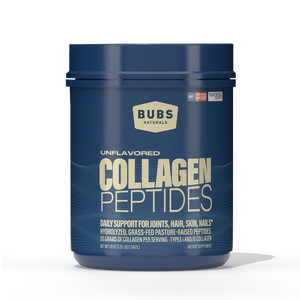
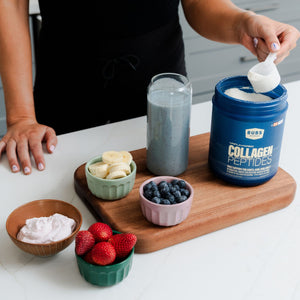
By integrating Creatine Monohydrate into your routine, you are essentially providing a "buffer" against this hormonal decline. It helps support the growth factors and satellite cells responsible for muscle repair. When combined with other foundational supports, like our Collagen Peptides to support joint integrity and skin elasticity, creatine provides a comprehensive approach to managing the physical changes of aging.
Fighting Sarcopenia: Building Muscle to Support Longevity
Sarcopenia is the medical term for the loss of muscle mass, strength, and function that occurs with aging. It isn't just about how you look in a mirror; it’s a major risk factor for falls, fractures, and a loss of independence. For women, who already have less muscle mass than men on average, preserving every ounce of lean tissue is a non-negotiable part of healthy aging.
Creatine is one of the most well-researched tools for combating sarcopenia. It doesn't magically grow muscle while you sit on the couch, but it does allow you to perform better during resistance training. When you can lift a slightly heavier weight or perform two more repetitions because your ATP stores are being replenished, you send a stronger signal to your body to adapt and grow stronger.
Consider a typical morning: You might start your day with a scoop of MCT Oil Creamer in your coffee for mental clarity, followed by a strength training session. During that workout, having saturated creatine stores means your muscles are better equipped to handle the stress of the weights. Post-workout, you might reach for Hydrate or Die - Lemon to replenish essential electrolytes like sodium, potassium, and magnesium, which work in tandem with creatine to maintain cellular hydration and muscle function. This holistic approach ensures you aren't just "getting through" your workout, but actually thriving because of it.
Bone Health and Structural Integrity in the Later Years
Osteoporosis and osteopenia are significant concerns for aging women. As bone mineral density decreases, the risk of life-altering fractures increases. While calcium and vitamin D are the traditional "stars" of bone health, creatine is an emerging supporting actor that shouldn't be overlooked.
The relationship between muscle and bone is inextricable. When muscles contract during exercise, they pull on the bones, stimulating bone-forming cells called osteoblasts. By allowing women to train with more intensity and maintain more muscle mass, Creatine Monohydrate indirectly supports bone density.
Furthermore, some studies suggest that creatine may have a direct effect on bone metabolism by increasing the energy available for bone-building processes. Aging is an "energy-expensive" process for the body, and by ensuring there is enough ATP available, we help all our systems function more efficiently. To further support your structural health, we often recommend pairing your creatine with our Collagen Peptides Collection, which provides the specific amino acids—proline, hydroxyproline, and glycine—that make up the framework of your bones and joints.
Brain Power: Support for Cognitive Health and Mental Clarity
One of the most exciting areas of current research is the impact of creatine on the brain. While 95% of creatine is in the muscles, the remaining 5% is located in the brain. The brain is an incredibly metabolically active organ, consuming about 20% of the body's total energy despite making up only 2% of its weight.
Many aging women report experiencing "brain fog," memory lapses, or difficulty concentrating, especially during the menopausal transition. This is often linked to the decline in estrogen, which affects how the brain uses glucose for fuel. Creatine provides an alternative energy source for the brain, helping to maintain ATP levels during periods of high mental stress or sleep deprivation.
Clinical evidence suggests that creatine supplementation can improve performance on tasks that require speed of processing and short-term memory. It acts as a neuroprotective agent, supporting brain homeostasis. For those of us who juggle careers, family, and active lifestyles, this cognitive "edge" is invaluable. Adding a daily scoop of Creatine Monohydrate is a simple way to support your mental stamina. For a double-pronged approach to cognitive health, many in our community pair their creatine with our MCT Oil Creamer, which provides healthy fats that the brain can quickly convert into ketones for fuel.
Mood Regulation and Emotional Resilience
Beyond cognitive function, there is a growing body of research linking creatine to mood. Studies have found that women, in particular, may have lower levels of creatine in the frontal lobe—the area of the brain responsible for mood, emotion, and cognition. Low levels of brain creatine have been associated with increased instances of low mood and depressive symptoms.
While we never suggest that any supplement is a cure for clinical conditions, supporting the brain’s energy metabolism is a foundational step in overall mental wellness. By ensuring the brain has the energy it needs to process neurotransmitters and maintain cellular health, creatine may help improve emotional resilience.
In a world that can often feel overwhelming, we believe in taking small, consistent steps to support our well-being. This might mean starting the day with a focused mindset, supported by a balanced diet and clean supplements like Vitamin C for antioxidant support and Apple Cider Vinegar Gummies to support digestive health. When your body feels good and your brain is energized, your capacity to handle life’s challenges increases.
Addressing the "Weight Gain" Myth and Other Common Concerns
The most common reason women hesitate to try creatine is the fear of "bulking up" or gaining weight. Let’s set the record straight: Creatine does not contain calories and does not cause fat gain. What it can cause is a slight increase in intracellular water retention.
Because creatine is "osmotically active," it draws water into the muscle cells. This is actually a positive thing. It helps with cellular hydration and gives the muscles a "fuller" appearance, but it is not the same as the "bloated" feeling associated with high salt intake or hormonal shifts. Most women will only see a fluctuations of 1 to 3 pounds in the first week, and this often stabilizes as the body adjusts.
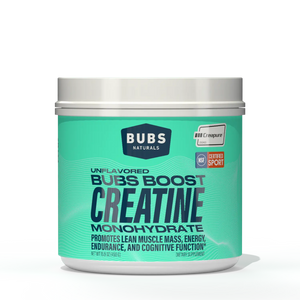
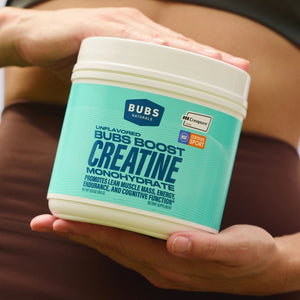
Another concern often raised is kidney health. For healthy individuals, hundreds of studies have shown that long-term creatine use is safe and does not damage the kidneys. If you have pre-existing kidney conditions, you should always consult with your healthcare provider, but for the vast majority of aging women, the benefits for muscle and brain health far outweigh the minimal risks. At BUBS, we ensure our Creatine Monohydrate is NSF Certified for Sport, meaning it is rigorously tested for purity and safety, so you can feel confident about what you’re putting in your body.
Quality Matters: The BUBS Naturals Standard and Our Mission
Not all supplements are created equal. The market is flooded with products that use "proprietary blends" to hide low-quality ingredients or fillers. We take a different path. Inspired by Glen “BUB” Doherty—a Navy SEAL, adventurer, and dedicated friend—we believe that "good enough" is never enough. Everything we produce is designed to be the cleanest, most effective version possible.
Our Creatine Monohydrate is 100% pure, with no added sugars, flavors, or BS. We believe in transparency, which is why we utilize third-party testing to ensure our products meet the highest standards of quality. This commitment to excellence is paired with our commitment to our community.
When you choose BUBS, you are participating in our 10% Rule. We donate 10% of all profits to the Glen Doherty Memorial Foundation and other veteran-focused charities. This mission-driven approach means that your pursuit of wellness also supports the legacies of those who served. It is wellness with a purpose, providing you with the tools to live a life of adventure while helping others do the same.
How to Integrate Creatine Into Your Daily Wellness Routine
Consistency is the secret to seeing results with creatine. Unlike a caffeine pill that you feel immediately, creatine works by gradually saturating your muscle and brain tissues. This process usually takes about three to four weeks of daily use.
You don't need a complicated "loading phase" of 20 grams a day. For most women, a simple dose of 3 to 5 grams (about one scoop) of Creatine Monohydrate per day is all that’s required. Because our powder is micronized, it dissolves effortlessly into almost any liquid.
Here is a simple way to build your daily BUBS routine:
By making creatine a "background" part of your daily habits, you ensure your stores remain saturated, giving you the energy and strength to tackle whatever the day brings.
The Long-Term Vision: Aging with Vitality and Purpose
The goal of supplementation isn't just to add years to your life, but to add life to your years. We want you to be the woman who can still hike her favorite trail at 70, who can lift her grandkids without hesitation, and who maintains the sharp mental focus to pursue new hobbies and passions deep into her retirement.
Creatine is a foundational element of this vision. It is a bridge between the physical strength of your youth and the refined vitality of your later years. It supports the "engine" of your cells, ensuring that even as hormonal tides change, your inner fire remains strong. When you combine this with a lifestyle that prioritizes movement, real food, and community, you become unstoppable.
We are honored to be a part of that journey. Every scoop of BUBS is a commitment to your own health and a tribute to the spirit of adventure that Glen Doherty embodied. We don't believe in shortcuts or miracle cures; we believe in simple, effective ingredients that work as hard as you do.
Conclusion: Empowering Your Aging Journey
We have journeyed through the science of ATP, the complexities of the menopausal transition, and the vital role that creatine plays in both the body and the brain. The evidence is clear: creatine is not just for the young or the elite athlete. It is a safe, effective, and deeply researched ally for every woman looking to age with strength, clarity, and resilience.
From fighting the onset of sarcopenia and supporting bone density to clearing the "brain fog" that can cloud our best days, the benefits of Creatine Monohydrate are transformative. By choosing BUBS, you aren't just getting a clean, NSF-certified product; you are joining a mission that celebrates a life of purpose and gives back to those who have served.
We encourage you to take that next step in your wellness journey. Pair your strength training with the right fuel, support your joints with our Collagen Peptides Collection, and keep your mind sharp with our Creamers Collection. Aging is an adventure—one that should be met with vitality and a "no-BS" approach to health.
Are you ready to feel the BUBS difference? Explore our Creatine Monohydrate today and take control of your strength, your health, and your legacy.
FAQ
1. Will taking creatine make me look bulky or masculine?
No, creatine does not have any hormonal properties and will not make you look "bulky" or masculine. Bulkiness is typically a result of a high-calorie surplus and specific, heavy bodybuilding-style training. For most women, Creatine Monohydrate simply provides the energy needed to maintain lean muscle mass, which often leads to a more toned and athletic appearance. It supports your body's natural strength without unwanted aesthetic changes.
2. Can I take creatine if I don't do heavy weightlifting?
Absolutely. While creatine is highly effective when paired with resistance training, it offers benefits even for those who engage in moderate activity like walking, yoga, or swimming. Its role in cognitive health and brain energy metabolism makes it a valuable supplement for everyone, regardless of their workout intensity. Furthermore, by supporting muscle retention, it helps you maintain your metabolic rate and physical independence as you age.
3. Is it okay to take creatine every day, or should I cycle it?
There is no need to "cycle" creatine. Unlike some supplements where the body develops a tolerance, creatine works best when it is taken consistently to keep your muscle and brain stores fully saturated. Taking 3 to 5 grams of Creatine Monohydrate daily is safe for long-term use and ensures you receive the maximum benefits for both physical performance and cognitive function.
4. How does creatine interact with other supplements like collagen or electrolytes?
Creatine works beautifully in tandem with our other products. For example, taking creatine alongside Hydrate or Die - Lemon ensures that the water creatine draws into your cells is balanced with essential electrolytes for optimal hydration. Similarly, pairing it with our Collagen Peptides provides a comprehensive approach to structural health—creatine supports the muscle and bone energy, while collagen provides the building blocks for the connective tissues.