Table of Contents
- Introduction
- What Exactly Is Creatine and How Does It Work?
- The Female Advantage: Why Women Need Creatine Differently
- How to Use Creatine for Women: Dosage and Consistency
- Brain Health and Cognitive Benefits
- Busting the "Bulky" Myth and Addressing Side Effects
- Stacking Your Supplements for Maximum Synergy
- Performance and Recovery: A Day in the Life
- Creatine for Different Life Stages
- Why Quality and Testing Matter
- Practical Tips for Your Creatine Journey
- Conclusion
- FAQ
Introduction
Did you know that women naturally have about 70 to 80 percent lower endogenous creatine stores than men? Despite this significant biological gap, for decades, creatine was marketed almost exclusively as a "bro-science" staple—a supplement reserved for bodybuilders looking to pack on massive bulk. However, the tide is turning. Modern research is finally catching up to what many elite female athletes have known all along: creatine isn't just for the guys. It is one of the most extensively researched, safe, and effective supplements available for supporting muscle strength, metabolic health, and even cognitive function across the female lifespan.
At BUBS Naturals, we believe in a life of adventure, wellness, and purpose. We also believe in transparency. Inspired by the legacy of Glen “BUB” Doherty, a Navy SEAL who lived a life of service and high performance, we are committed to providing clean, functional, and science-backed supplements that help you meet your goals without the BS. Whether you are a marathon runner, a CrossFit enthusiast, or a busy professional navigating the transitions of perimenopause, understanding how to use creatine for women can be a game-changer for your energy and longevity.
The purpose of this guide is to demystify creatine specifically for female physiology. We will explore how creatine works within the body, why it is uniquely beneficial for women from menstruation through menopause, and how to integrate it seamlessly into your daily routine. By the end of this post, you will understand the ideal dosages, timing, and stacking strategies—like pairing it with our Creatine Monohydrate—to maximize your results.
Our mission is to help you feel your best so you can give back to the world, just as we do through our 10% Rule, donating a portion of all profits to veteran charities. Let’s dive into the science of female-focused performance and see how this simple molecule can help you live a life of "no-BS" wellness.
What Exactly Is Creatine and How Does It Work?
To understand how to use creatine for women, we first need to look at what it actually is. Creatine is a naturally occurring compound synthesized in the liver, kidneys, and pancreas from three amino acids: arginine, glycine, and methionine. While your body produces about one gram per day, the rest typically comes from dietary sources like red meat and seafood. Because many women consume less red meat than men, or follow plant-based diets, their natural levels are often lower than optimal.
Inside your cells, creatine plays a starring role in the production of Adenosine Triphosphate (ATP), the primary energy currency of the body. When you perform a short, explosive movement—like a heavy squat, a sprint to catch the bus, or a power clean—your muscles burn through ATP rapidly. This process leaves behind a byproduct called ADP (Adenosine Diphosphate). Creatine, stored in the muscles as phosphocreatine, steps in to "donate" a phosphate molecule to the ADP, instantly turning it back into ATP.
Think of creatine as a backup battery for your muscles. It doesn't "build" the muscle itself in the way protein does, but it provides the energy required to perform one more rep, run five seconds faster, or recover more quickly between intervals. By supporting this energy recycling system, our Creatine Monohydrate helps you maintain a higher intensity of effort during your workouts, which eventually leads to better strength gains and improved body composition.
The Female Advantage: Why Women Need Creatine Differently
While the basic mechanism of ATP production is the same for everyone, female physiology introduces unique variables. Hormonal fluctuations throughout the menstrual cycle can actually influence how your body uses and stores creatine. For instance, during the luteal phase (the time between ovulation and your period), estrogen and progesterone levels are higher. Research suggests that these hormones can affect creatine kinase levels—the enzyme that helps catalyze the creatine-to-ATP reaction.
As estrogen levels rise and fall, so does our capacity for high-intensity energy production. Some studies indicate that during certain phases of the cycle, women might experience higher rates of protein breakdown and lower carbohydrate storage. This makes the addition of Creatine Monohydrate even more vital. By ensuring your phosphocreatine stores are saturated, you can buffer against the fatigue that often accompanies the "low-energy" phases of your cycle.
Furthermore, as women transition into perimenopause and menopause, the drop in estrogen leads to a natural decline in muscle mass and bone density. This is where creatine shifts from being a "workout supplement" to a "longevity supplement." When paired with resistance training, creatine has been shown to help post-menopausal women preserve lean muscle and support bone mineral density. It helps counteract the age-related decline in muscle quality, ensuring you stay active and adventurous well into your later years.
How to Use Creatine for Women: Dosage and Consistency
One of the most common questions we hear is, "Do I need to do a loading phase?" In the old days of bodybuilding, it was common practice to take 20 grams of creatine a day for a week to "load" the muscles, followed by a maintenance dose. For most women, this is unnecessary and often leads to the gastrointestinal discomfort or temporary water retention that people fear.
The most effective "no-BS" approach is simple: take 3 to 5 grams of Creatine Monohydrate every single day.
Consistency is far more important than the specific time of day you take it. Unlike caffeine, which provides an immediate "jolt," creatine works through saturation. It takes about three to four weeks of daily use for your muscle stores to reach full capacity. Once you are saturated, maintaining that level with a single daily scoop is easy.
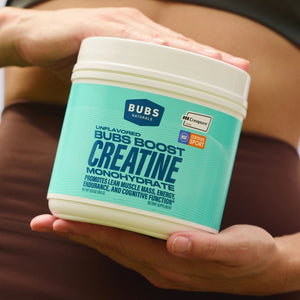
If you’re just starting out, we recommend the "slow and steady" method. By taking 5 grams daily, you’ll reach saturation in about a month without the bloating often associated with heavy loading. Because BUBS Creatine Monohydrate is unflavored and highly soluble, it mixes perfectly into almost anything. You can stir it into your morning coffee, mix it into a post-workout shake, or even dissolve it in a glass of water.
Brain Health and Cognitive Benefits
While 95% of creatine is stored in your muscles, the remaining 5% is found in your brain. This is where the research becomes truly exciting for women. The female brain has high metabolic demands, and just like your muscles, your brain relies on ATP to function.
Recent studies have shown that creatine supplementation can support cognitive processing, especially during times of high stress or sleep deprivation. Whether you are a new mom dealing with "baby brain" or a professional juggling a high-stress workload, your brain energy levels can take a hit. Creatine helps maintain those energy levels, supporting mental clarity and focus.
There is also emerging evidence that creatine may play a role in supporting mood health. Some clinical trials have found that women who added creatine to their wellness routine reported improvements in mood and a reduction in symptoms associated with depression. While we don't make medical claims, the connection between brain energy homeostasis and mental wellness is a growing field of study. By supporting your brain’s "battery," our Creatine Monohydrate helps you stay sharp and resilient, no matter what life throws your way.
Busting the "Bulky" Myth and Addressing Side Effects
Let’s address the elephant in the room: the fear of getting "bulky." This is perhaps the biggest hurdle preventing women from using creatine. It is a biological fact that women do not have the same levels of testosterone as men, which is the primary driver of massive muscle hypertrophy. Creatine will not make you look like a bodybuilder overnight. What it will do is help you build "quality" muscle—the kind of lean mass that supports a healthy metabolism, improves your posture, and makes daily tasks easier.
Another common concern is weight gain. When you first start taking creatine, you might see the scale move up by a pound or two. It is crucial to understand that this is not fat gain. Creatine is "osmotically active," meaning it draws water into your muscle cells. This cellular hydration is actually a good thing! It makes your muscles look fuller and more hydrated, and it provides the environment necessary for muscle repair and growth. This initial "water weight" typically stabilizes after a few weeks as your body adjusts.
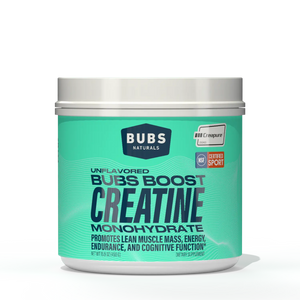
To minimize any potential for bloating or GI distress, we always recommend choosing a high-quality, micronized product. BUBS Creatine Monohydrate is NSF for Sport certified, meaning it has been rigorously tested for purity. There are no fillers, no hidden sugars, and no "BS" ingredients that could irritate your stomach. By keeping it simple and pure, we ensure that the only thing you feel is the performance boost.
Stacking Your Supplements for Maximum Synergy
Wellness isn't about finding a single "miracle" product; it's about creating a cohesive routine that supports your body from multiple angles. When you learn how to use creatine for women, you quickly realize it works even better when paired with other functional ingredients.
Creatine and Hydration
Since creatine draws water into the muscle cells, staying hydrated is non-negotiable. If you are dehydrated, you might experience muscle cramps or headaches. To ensure your body has the fluids it needs to move that creatine effectively, we suggest pairing your daily dose with our Hydrate or Die - Lemon electrolyte powder. This provides the essential sodium, potassium, and magnesium your muscles need to function at their peak, ensuring that the water creatine pulls into your cells is balanced with the right minerals.
Creatine and Joint Support
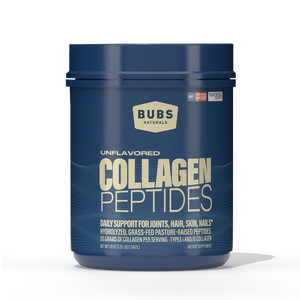
As we push ourselves harder in the gym thanks to our increased energy from creatine, we need to make sure our joints and connective tissues can keep up. Combining Creatine Monohydrate with our Collagen Peptides is a powerhouse move for any active woman. While creatine supports the muscle fibers, collagen supports the tendons, ligaments, and cartilage that hold everything together. This "power couple" helps you stay injury-free and moving smoothly.
The Brain-Boost Morning Ritual
For the ultimate mental clarity stack, try adding a scoop of creatine and a serving of our MCT Oil Creamer to your morning coffee. The MCTs provide rapid-fire ketone energy for your brain, while the creatine ensures your long-term ATP stores are replenished. It’s a clean, creamy way to start your day with focus and purpose.
Performance and Recovery: A Day in the Life
What does using creatine actually look like in practice? Let’s look at a realistic scenario for a woman who values her fitness and her time.
6:30 AM: The Morning Kickstart
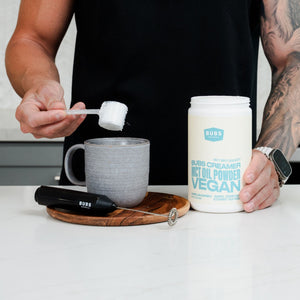
You wake up and head to the kitchen. You brew a fresh cup of coffee and stir in a scoop of Creatine Monohydrate. Because it’s unflavored, it doesn't change the taste of your favorite beans. You add a splash of Butter MCT Oil Creamer for that healthy fat boost to keep you satiated until lunch.
12:00 PM: The Mid-Day Movement
It’s time for your workout. Whether it’s a 45-minute lifting session or a series of hill sprints, you notice that by the third set, you aren't gapping as much as you used to. That’s the Creatine Monohydrate at work, helping your muscles recover quickly between efforts. During your workout, you sip on Hydrate or Die - Mixed Berry to keep your energy high and your muscles hydrated.
1:30 PM: Post-Workout Recovery
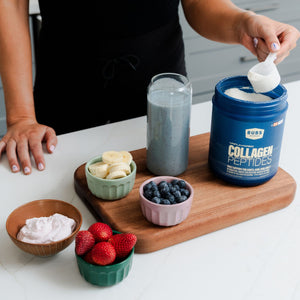
Back at your desk, you mix a scoop of Collagen Peptides into a smoothie or a glass of water. This helps kickstart the repair process for your joints and skin. You also grab two Apple Cider Vinegar Gummies to support your digestion after your post-workout meal.
8:00 PM: Wind Down
You wrap up your day knowing you’ve supported your body's natural functions with clean, simple ingredients. You aren't crashing because you didn't rely on excessive stimulants—just the fundamental building blocks of energy.
Creatine for Different Life Stages
One of the reasons we are so passionate about teaching women how to use creatine is that its benefits evolve as you do.
The Young Athlete
For women in their 20s and 30s, creatine is primarily about performance and body composition. It allows you to train harder, build more lean muscle, and recover from intense weekend adventures. It’s about setting a strong foundation for the years to come.
The Pregnant and Postpartum Mom
While you should always consult with your healthcare provider before starting any new supplement during pregnancy, emerging research is looking at how creatine might support the high energy demands of the placenta and the developing fetus. Postpartum, many women find that Creatine Monohydrate helps them manage the "brain fog" and physical fatigue that comes with a disrupted sleep schedule.
The Menopause Transition
This is perhaps the most critical time for creatine use. As hormonal shifts make it harder to maintain muscle and bone density, creatine becomes a vital tool in your "wellness kit." It supports the metabolic health that often becomes tricky during menopause, helping to maintain insulin sensitivity and a healthy weight. Pairing it with a daily Vitamin C supplement can further support antioxidant activity and collagen formation during this transition.
Why Quality and Testing Matter
When you're putting something into your body every day, you need to know exactly what’s in it. The supplement industry is unfortunately full of products that contain "proprietary blends" or lack third-party verification. At BUBS Naturals, we take a different approach.
Our Creatine Monohydrate is just that—pure creatine monohydrate. No colors, no artificial sweeteners, and no "BS." We choose the monohydrate form because it is the most studied and proven form of creatine on the market. Other forms, like HCl or nitrate, often claim to be "superior" but lack the decades of safety and efficacy data that back monohydrate.
Furthermore, we ensure our products are NSF for Sport certified. This is the gold standard for supplement testing. It means that what is on the label is exactly what is in the tub, and there are no banned substances or contaminants. Whether you are a professional athlete subject to drug testing or a health-conscious individual who just wants the best for their body, this certification provides the peace of mind you deserve.
By choosing BUBS, you aren't just buying a supplement; you are supporting a mission. You are honoring the legacy of a man who believed in doing things the right way, not the easy way. And through our 10% Rule, your purchase directly helps veterans transition into civilian life and find their own new adventures.
Practical Tips for Your Creatine Journey
If you’re ready to start your journey with creatine, here are a few final "pro tips" to make the transition smooth:
-
Keep it Visible: Put your tub of Creatine Monohydrate right next to your coffee maker or your daily water bottle. Consistency is the only way to see results, so make it a habit you can't miss.
-
Dissolve it Fully: To avoid any grittiness, make sure you stir or shake your creatine until it’s fully dissolved. It dissolves best in room-temperature or warm liquids, but it works just fine in cold water if you give it a good shake.
-
Don’t "Dry Scoop": You might see people on social media taking a dry scoop of powder and washing it down with water. Don't do this. It can lead to choking and increases the likelihood of an upset stomach. Mix it with at least 8 ounces of fluid.
-
Pair with Carbs or Protein: While not strictly necessary, taking your creatine with a meal or a shake that contains carbohydrates or protein can slightly improve its uptake into the muscles thanks to the natural insulin response.
-
Listen to Your Body: Every woman is different. If you find that 5 grams is too much for your stomach initially, try starting with 2 or 3 grams and gradually working your way up over two weeks.
Conclusion
Understanding how to use creatine for women is about more than just gym performance—it’s about empowering yourself with the tools to live a vibrant, active, and focused life. From supporting ATP recycling in your muscle fibers to maintaining energy homeostasis in your brain, creatine is a versatile ally for women at every stage of life. It bridges the gap in our natural stores, buffers the effects of hormonal shifts, and provides a science-backed way to support muscle and bone health as we age.
At BUBS Naturals, we are proud to offer a Creatine Monohydrate that meets the highest standards of purity and performance. We believe in simplicity, transparency, and the power of giving back. When you add BUBS to your routine, you are choosing a "no-BS" approach to wellness that honors the spirit of adventure and the dedication to excellence that Glen “BUB” Doherty embodied.
Whether you're looking to crush your next PR, stay sharp during a long day at the office, or simply maintain your strength for years of future adventures, creatine is a foundational piece of the puzzle. Pair it with our Collagen Peptides for joint support and our Hydrate or Die collection for optimal fluid balance, and you’ll have a supplement stack that works as hard as you do.
Are you ready to feel the BUBS difference? Start your journey today and see how a single daily scoop can help you unlock your full potential.
FAQ
Does creatine cause hair loss in women?
There is currently no scientific evidence to suggest that creatine causes hair loss in men or women. This myth largely originated from a single study on rugby players that showed an increase in DHT (a hormone linked to hair loss), but that study has never been replicated, and it did not actually measure hair loss itself. For the vast majority of women, Creatine Monohydrate is perfectly safe and will not affect your hair.
Can I take creatine if I don’t lift weights?
Absolutely. While creatine is highly effective for resistance training, its benefits for brain health, cognitive function, and bone density make it valuable even for those who don't follow a traditional lifting program. It can support energy levels during any form of physical activity, from yoga to hiking, and provides metabolic support that is beneficial for overall wellness.
Is it better to take creatine before or after my workout?
Research on timing is somewhat inconclusive, which means the most important factor is simply taking it consistently. Some studies suggest a slight advantage to taking it post-workout when your muscles are more receptive to nutrient uptake, but the difference is minimal. The best time to take your Creatine Monohydrate is whenever you are most likely to remember it every single day.
Can I take creatine while intermittent fasting?
Yes, pure Creatine Monohydrate contains zero calories and does not trigger an insulin response, so it will not break your fast. You can easily mix it into your morning black coffee or water during your fasting window. If you prefer to take it with our MCT Oil Creamer, keep in mind that the calories in the creamer would technically break a strict fast, though many people use it for a "metabolic fast" due to its clean energy profile.