Table of Contents
- Introduction
- What is Creatine and Why Does it Matter?
- The 40+ Pivot: Hormones and Cellular Energy
- Promoting Muscle Strength and Metabolic Health
- Bone Density and Joint Support in Midlife
- Cognitive Function and Brain Fog
- Mood Stability and Sleep Quality
- How to Take Creatine Women Over 40: Dosing and Strategies
- Debunking the Myths: Bloating and "Bulk"
- A Day in the Life: The BUBS Routine for Women 40+
- The BUBS Difference: Purity, Quality, and Legacy
- Conclusion
- FAQ
Introduction
Did you know that after the age of 30, women can lose between 3% and 8% of their lean muscle mass per decade? By the time a woman hits her 40s and enters the transition toward perimenopause, that rate often accelerates. This isn't just a matter of aesthetics; muscle is the engine of our metabolism, the guardian of our bone density, and a critical component of healthy aging. For years, the fitness industry marketed creatine as a supplement for "bodybuilders" or "gym bros," leaving women—especially those in midlife—entirely out of the conversation. But the tide is turning. Recent science suggests that for women over 40, creatine may be one of the most effective tools for maintaining strength, supporting cognitive function, and navigating the hormonal shifts that define this stage of life.
At BUBS Naturals, we believe in a life of adventure and purpose, inspired by the legacy of Glen “BUB” Doherty. Glen was a Navy SEAL, an adventurer, and a man who lived to help others. Our mission is to provide clean, functional, and science-backed supplements that help you live with that same spirit of vitality. We understand that your 40s are a decade of high demand—balancing career, family, and personal goals—all while your biology is beginning to shift. That is why we are so passionate about education. Understanding how to take creatine women over 40 is a game-changer for anyone looking to feel as strong and sharp as they did in their 20s.
The purpose of this article is to demystify creatine for the modern woman. We will explore the physiological changes that occur during your 40s, how creatine interacts with your body’s energy systems, and why it is uniquely beneficial for women during the menopausal transition. You will learn about dosing strategies, the differences between "loading" and "maintenance" phases, and how to seamlessly integrate this powerhouse supplement into your daily routine. By the end of this guide, you will have a comprehensive understanding of why our Creatine Monohydrate deserves a permanent place in your wellness toolkit. We aren't just here to sell you a product; we’re here to help you live your best life, fueled by the same high-quality, NSF for Sport certified ingredients we use ourselves.
What is Creatine and Why Does it Matter?
At its core, creatine is a nitrogenous organic acid that occurs naturally in vertebrates and helps to supply energy to all cells in the body, primarily muscle. It is composed of three amino acids: arginine, glycine, and methionine. While your body produces a small amount of it in the liver, kidneys, and pancreas, about 95% of the creatine in your body is stored in your skeletal muscle, with the remaining 5% found in the brain, heart, and other tissues.
Think of creatine as a backup battery for your cells. To understand why it’s so valuable, we have to look at a molecule called ATP (adenosine triphosphate). ATP is the primary energy currency of the body. When you perform a high-intensity task—like lifting a heavy grocery bag, sprinting to catch a flight, or pushing through a tough set of squats—your cells break down ATP to release energy. In the process, ATP loses a phosphate molecule and becomes ADP (adenosine diphosphate).
This is where creatine steps in. Creatine is stored in the muscles as phosphocreatine. When your ATP levels drop during exertion, phosphocreatine "donates" its phosphate molecule to the ADP, quickly recycling it back into usable ATP. This allows your muscles to work harder and longer before fatigue sets in. It’s not a stimulant; it’s a fuel source that supports the body's natural energy production cycle.
For women, there is an additional layer of importance. Women naturally have 70% to 80% lower endogenous (self-produced) creatine stores than men. Furthermore, women generally consume less dietary creatine, which is found primarily in red meat and seafood. As we age, our ability to produce and store this vital compound continues to decline. For women over 40, supplementing with a high-quality Creatine Monohydrate isn't just about "getting gains" in the gym; it’s about filling a physiological gap that can impact everything from your metabolism to your mood.
The 40+ Pivot: Hormones and Cellular Energy
The 40s are a transitional decade. For most women, this period is marked by perimenopause—the years leading up to menopause when estrogen and progesterone levels begin to fluctuate and eventually decline. These hormonal shifts have a direct impact on how the body manages energy and maintains tissue.
Estrogen is a master regulator of bioenergetics. It influences how your cells utilize glucose and how they produce ATP. As estrogen levels drop, many women experience a "metabolic slowdown," often characterized by weight gain around the midsection and a decrease in insulin sensitivity. Furthermore, estrogen plays a protective role in muscle and bone health. When it declines, the risk of sarcopenia (muscle loss) and osteopenia (bone density loss) increases significantly.
Research indicates that creatine kinase—the enzyme that helps manage the creatine-ATP cycle—fluctuates in response to estrogen levels. When estrogen is low, creatine kinase activity may also decrease. This suggests that during the low-estrogen phases of the menstrual cycle, and certainly during and after the menopausal transition, women may find it harder to maintain muscle strength and recover from physical exertion.
By focusing on how to take creatine women over 40, we are addressing a specific biological need. Supplementation helps bypass some of the limitations imposed by declining hormone levels by ensuring that the muscles and brain have a constant, reliable supply of phosphocreatine. This is why many women report that they finally feel "the light turn back on" when they start a consistent creatine regimen. It’s about restoring cellular homeostasis in a body that is undergoing significant change.
Promoting Muscle Strength and Metabolic Health
One of the most profound benefits of creatine for women over 40 is its ability to support lean muscle mass. As we’ve discussed, muscle loss is a natural part of aging, but it is not inevitable. When you combine resistance training with Creatine Monohydrate, you are giving your body the raw materials it needs to adapt to stress and build strength.
Creatine works in two ways here. First, it allows you to train more effectively. If you can perform two extra reps per set because your ATP stores are being recycled faster, you are creating a greater stimulus for muscle growth. Second, creatine helps with cellular hydration. It draws water into the muscle cells (not under the skin, which causes traditional "bloat," but inside the cell), which signals the cell to increase protein synthesis.
Maintaining muscle is also the key to a healthy metabolism. Muscle tissue is more metabolically active than fat tissue, meaning it burns more calories even when you are at rest. For women over 40 concerned about the "menopause middle," increasing muscle mass is the most sustainable way to support a healthy weight and insulin response.
To further support this metabolic health, many women in our community pair their morning creatine with our MCT Oil Creamer. While creatine supports the muscles, MCTs (medium-chain triglycerides) provide a quick source of ketone energy for the brain and body. Together, they create a powerhouse morning ritual that sets the stage for a day of focus and physical readiness.
Bone Density and Joint Support in Midlife
Osteoporosis is often called a "silent disease" because bone loss occurs without symptoms until a fracture happens. Women are at a much higher risk than men, particularly after menopause, as the decline in estrogen accelerates bone resorption (the breakdown of bone).
Recent studies have shown a fascinating link between creatine and bone health. Because bone-building cells (osteoblasts) require significant amounts of ATP to function, providing them with extra creatine can help them work more efficiently. Some research has shown that post-menopausal women who take creatine while engaging in a strength training program see a greater preservation of bone mineral density in the hips and spine compared to those who only exercise.
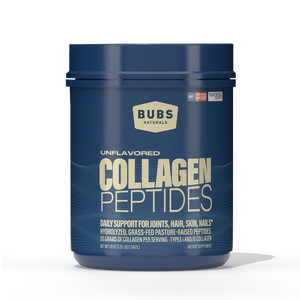
At BUBS, we advocate for a holistic approach to structural health. While our Creatine Monohydrate supports the energy needs of your bone and muscle cells, your body also needs the structural building blocks to maintain these tissues. This is where our Collagen Peptides come into play. Collagen is a primary component of your bones, tendons, and ligaments. By combining creatine with pasture-raised, hydrolyzed collagen, you are supporting both the "engine" and the "chassis" of your body. This combination is especially effective for active women who want to keep their joints feeling fluid and their bones strong as they tackle new adventures.
Cognitive Function and Brain Fog
If you ask a woman in her 40s what her most frustrating symptom is, "brain fog" is usually at the top of the list. Forgetfulness, difficulty concentrating, and a general sense of mental fatigue are common during the perimenopausal transition. This is partly due to the brain’s high energy demand.
The brain, though only representing 2% of your body weight, consumes about 20% of your total energy. Like your muscles, your brain relies on ATP. When you are sleep-deprived (a common occurrence for women in their 40s), stressed, or experiencing hormonal fluctuations, your brain’s energy stores can become depleted.
Creatine has been shown to cross the blood-brain barrier and increase brain phosphocreatine levels. This can lead to improved short-term memory, better reasoning skills, and reduced mental fatigue. For women over 40, this means a sharper edge at work and more presence at home. Taking your Creatine Monohydrate daily is like giving your brain an extra layer of resilience against the stressors of daily life.
To amplify these cognitive benefits, we often recommend incorporating our Vitamin C supplement. Vitamin C is a powerful antioxidant that helps protect brain cells from oxidative stress. When you support your brain’s energy with creatine and protect its structure with antioxidants, you are creating an environment where mental clarity can thrive.
Mood Stability and Sleep Quality
The emotional rollercoaster of midlife is well-documented. Fluctuations in estrogen and progesterone can affect neurotransmitters like serotonin and dopamine, leading to mood swings, anxiety, and even depressive symptoms.
Emerging research suggests that creatine may play a role in mood regulation. Because creatine supports brain energy metabolism, it may help stabilize the neural circuits involved in mood. Some studies have even explored creatine as a complementary approach for women with depression, finding that those who supplemented with it showed faster improvements in mood.
Furthermore, creatine may help you navigate the fatigue that comes with poor sleep. While it isn't a sedative, it helps the brain function better on less sleep by maintaining ATP levels. For the woman who was up half the night with a child or dealing with night sweats, a morning scoop of Creatine Monohydrate can be the difference between a productive day and one lost to exhaustion.
To help manage the digestive health that often gets disrupted by stress and poor sleep, our Apple Cider Vinegar Gummies are an excellent addition. They provide the digestive support of "the Mother" in a convenient, tasty format, helping you feel balanced from the inside out.
How to Take Creatine Women Over 40: Dosing and Strategies
Now that we understand the "why," let’s talk about the "how." The most important thing to remember is that consistency is more important than timing. Creatine works by saturating your muscle and brain tissues over time.
The Loading Phase vs. The Slow-and-Steady Approach
In the bodybuilding world, a "loading phase" is common—taking 20 grams a day for a week to saturate the muscles quickly. However, for most women over 40, we recommend the Slow Loading Dose method.
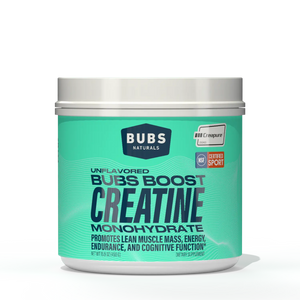
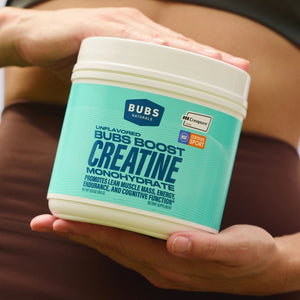
Taking 3 to 5 grams of Creatine Monohydrate per day will fully saturate your muscles within about 3 to 4 weeks. This approach is much easier on the digestive system and minimizes any potential for initial water retention. One level scoop of BUBS Creatine is exactly 5 grams, making it incredibly simple to measure.
Timing: Does it Matter?
While some research suggests that taking creatine post-workout might have a slight edge for muscle growth, the difference is minimal. For women over 40 with busy schedules, the best time to take creatine is whenever you will remember to take it.
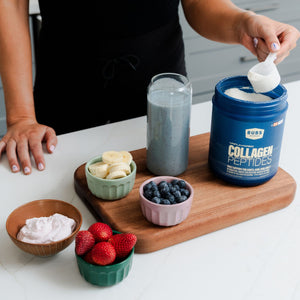
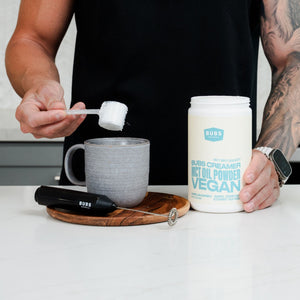
Some prefer mixing it into their morning coffee with our Butter MCT Oil Creamer for a creamy, energy-boosting start. Others like to add it to their post-workout shake alongside our Collagen Peptides. Because our creatine is unflavored and dissolves effortlessly, you can mix it into almost anything without changing the taste.
Hydration is Key
Creatine works by pulling water into your cells, which means your overall demand for hydration increases. If you are taking creatine, you must prioritize drinking enough water throughout the day. To make this easier and more effective, we recommend our Hydrate or Die - Lemon electrolyte powder. It provides the essential minerals your body needs to maintain fluid balance and support muscle function, ensuring that the water you drink actually gets to where it’s needed.
Debunking the Myths: Bloating and "Bulk"
The two biggest fears women have about creatine are gaining weight and "looking like a bodybuilder." Let’s address these head-on.
Myth 1: Creatine will make me bulky.
Women do not have the testosterone levels necessary to build massive, "bulky" muscles simply by taking a supplement. What creatine will do is help you tone the muscle you have and make your strength training more effective. You will look leaner and more defined, not "bulky."
Myth 2: Creatine causes bloating.
In the early days of low-quality creatine supplements, bloating was a common complaint. However, modern Creatine Monohydrate that is micronized (like ours) is much easier for the body to absorb. Any initial weight gain is typically just 1–3 pounds of water being stored inside your muscle cells, which is actually a sign that the supplement is working. This usually levels off within a few weeks.
By choosing a high-quality, pure product and following the slow-loading approach, most women find that they experience the benefits of increased strength and energy without any of the unwanted side effects.
A Day in the Life: The BUBS Routine for Women 40+
Integrating these supplements doesn't have to be complicated. Here is a look at how a typical day might look for a woman focused on vitality and adventure:
-
7:00 AM: Start the day with a cup of coffee mixed with one scoop of Creatine Monohydrate and a serving of MCT Oil Creamer. This fuels the brain and sets the stage for physical energy.
-
9:00 AM: Mid-morning wellness check. Pop two Apple Cider Vinegar Gummies to support digestion and steady energy.
-
12:00 PM: Post-workout recovery. Mix a scoop of Collagen Peptides into a smoothie or water to support joints and recovery.
-
3:00 PM: Afternoon hydration. Mix a packet of Hydrate or Die - Mixed Berry into a large bottle of water to stay sharp and hydrated through the afternoon slump.
-
7:00 PM: Evening support. Take a Vitamin C to support immune function and collagen synthesis while you sleep.
This routine is simple, effective, and built on the foundation of clean, "no-BS" ingredients. One scoop, one ritual at a time—that’s how you build a legacy of health.
The BUBS Difference: Purity, Quality, and Legacy
When you choose BUBS Naturals, you aren’t just buying a supplement; you are joining a mission. Our commitment to quality is uncompromising. Every batch of our Creatine Monohydrate is NSF for Sport certified. This is the gold standard in the industry, ensuring that what is on the label is exactly what is in the tub—no banned substances, no fillers, and no heavy metals. This is particularly important for women over 40, who need to be discerning about what they put into their bodies during this sensitive hormonal transition.
But beyond the science, there is the soul of our brand. We founded BUBS Naturals to honor the life of Glen "BUB" Doherty, who was killed in Benghazi, Libya, in 2012. Glen lived his life with a dedication to fitness and a heart for service. In his honor, we maintain our 10% Rule: we donate 10% of all profits to veteran-focused charities.
When you prioritize your health with BUBS, you are helping us give back to the community that Glen loved. It’s wellness with a purpose. We believe that when you feel your best, you are better equipped to do good in the world. Whether that’s crushing a workout, leading a meeting, or showing up for your family, our supplements are designed to support that journey.
Conclusion
Navigating your 40s and beyond requires a new set of tools. The strategies that worked in your 20s may no longer be enough as your hormones shift and your body’s natural energy stores begin to dwindle. Understanding how to take creatine women over 40 is more than just a fitness tip; it is a fundamental shift in how you approach aging. By replenishing your ATP stores, you are supporting your muscles, your bones, and your brain, allowing you to move through this decade with strength and clarity.
We have explored how creatine can help counteract the muscle and bone loss associated with declining estrogen. We’ve seen how it can clear the fog of mental fatigue and provide a buffer against the stressors of daily life. And most importantly, we’ve discussed how simple it is to incorporate into a busy, adventurous life.
Your 40s should not be a time of "slowing down." They should be a time of leveling up, fueled by wisdom and the right nutritional support. We invite you to experience the difference that clean, high-quality supplementation can make. Explore the science and the purity of our Creatine Monohydrate and see how it can empower your daily routine.
Together, we can honor the legacy of Glen Doherty by living lives full of adventure, wellness, and purpose. Start your journey today—one scoop at a time. Shop the collection and feel the BUBS difference for yourself.
FAQ
1. Will taking creatine cause me to fail a drug test or contain stimulants?
No, creatine is not a stimulant and is not a banned substance in any major athletic or professional organization. At BUBS Naturals, our Creatine Monohydrate is NSF for Sport certified, which means it undergoes rigorous third-party testing to ensure it is free from over 280 banned substances. It is a safe, natural amino acid derivative that supports your body’s own energy production.
2. I’m not an athlete; can I still benefit from taking creatine in my 40s?
Absolutely. While creatine is excellent for exercise performance, its benefits for women over 40 extend far beyond the gym. It supports cognitive function, helps manage "brain fog," and may assist in maintaining bone density and muscle mass even during everyday activities. Think of it as a foundational supplement for healthy aging and cellular energy, regardless of your activity level.
3. Do I need to cycle on and off creatine?
There is no scientific evidence suggesting that you need to cycle creatine. In fact, most of the benefits—especially those related to brain health and bone density—come from long-term, consistent use. Taking 5 grams of Creatine Monohydrate daily is considered safe for long-term use in healthy individuals and ensures your tissues remain saturated.
4. Can I mix creatine with other BUBS products like Collagen or MCT Oil?
Yes, and we highly recommend it! Our Creatine Monohydrate is unflavored and dissolves completely, making it the perfect addition to your morning coffee with MCT Oil Creamer or your daily serving of Collagen Peptides. Mixing these products allows you to support your muscles, joints, and brain health all in one easy step.