Table of Contents
- Introduction
- The Science of Creatine and ATP
- Dietary Sources: Fueling Up Through Whole Foods
- Supplementation: The Most Efficient Path to Saturation
- Synergy: Combining Creatine with a Healthy Lifestyle
- Understanding Creatinine: The Biological Balance
- Creatine for Longevity and Brain Health
- The BUBS Promise: Quality and Giving Back
- Practical Steps to Optimize Your Levels Today
- Why Quality Matters in Creatine
- Conclusion
- FAQ
Introduction
Did you know that at any given moment, your body is engaged in a high-stakes energy relay race, and the star runner is a simple nitrogenous organic acid called creatine? While most people associate this compound with bodybuilders and neon-colored gym shakers, the reality is far more foundational. Approximately 95% of the creatine in your body is stored in your skeletal muscles, acting as a rapid-response fuel source for every sprint, lift, and explosive movement you make. It is one of the most researched and validated supplements in the history of sports nutrition, yet many people remain unsure about how to optimize their levels.
At BUBS Naturals, we view wellness as an ongoing adventure. Named after Glen “BUB” Doherty—a Navy SEAL, adventurer, and hero—our mission is to provide clean, high-quality tools that help you live a life of purpose and vitality. We believe in the "no-BS" approach: simple, effective ingredients backed by science. Understanding how to increase creatine levels in body is not just about muscle size; it is about supporting your body’s natural ability to produce energy, maintain cognitive clarity, and recover from the rigors of an active lifestyle.
By the end of this guide, you will have a comprehensive understanding of the biological mechanisms of creatine, the best whole-food sources to include in your diet, and the most efficient ways to supplement. We will also explore the nuances of creatinine—the waste product of creatine—to ensure you have a holistic view of your health. Whether you are an elite athlete or someone looking to maintain muscle mass and mental sharpness as you age, the steps to optimizing your internal stores are within reach. Together, we’ll explore how a combination of strategic nutrition, smart supplementation with our Creatine Monohydrate, and consistent lifestyle habits can help you feel the BUBS difference.
The Science of Creatine and ATP
To understand how to increase your levels, you first need to understand what creatine actually does. Inside your cells, the primary currency of energy is a molecule called Adenosine Triphosphate (ATP). When you perform a high-intensity task—like a heavy squat or a 50-meter sprint—your cells break down ATP to release energy, turning it into Adenosine Diphosphate (ADP).
The problem is that your cells only store enough ATP for a few seconds of intense effort. This is where creatine steps in. It exists in your muscles as phosphocreatine. When ATP is depleted, phosphocreatine "donates" a phosphate group to the ADP, rapidly regenerating it back into ATP. This process allows you to maintain high-intensity output for longer durations.
Your body naturally produces about one to two grams of creatine per day, primarily in the liver, kidneys, and pancreas. However, to fully saturate your muscles and reap the performance and cognitive benefits, most people require more than what their bodies can synthesize on their own. This is why external intake through diet and supplementation is so critical. When you focus on how to increase creatine levels in body, you are essentially trying to keep your "energy battery" fully charged.
Dietary Sources: Fueling Up Through Whole Foods
The most natural way to increase your stores is through your diet. Creatine is primarily found in animal tissues, particularly those of animals that require high levels of muscle energy themselves. If you are looking to boost your levels through nutrition, several key sources should be on your plate.
Red Meats: The Traditional Powerhouse
Beef and pork are among the most common and effective sources of creatine. Lean cuts of beef contain approximately 2 grams of creatine per pound. This means a standard 4-ounce serving provides about 0.5 grams. Pork is similar, often offering between 0.5 and 1 gram per serving depending on the cut. Beyond creatine, these meats provide essential amino acids, iron, and B vitamins that support overall energy metabolism.
Seafood: The Hidden Gem
Many people are surprised to learn that certain types of fish actually contain more creatine than beef. Herring is the undisputed champion of the sea in this regard, containing up to 4.5 grams per pound. Salmon and tuna are also excellent choices, providing about 2 grams per pound, similar to beef. Incorporating these into your diet not only helps with creatine levels but also provides heart-healthy omega-3 fatty acids.
Poultry and Game Meats
Chicken and turkey are solid contributors, though slightly lower in concentration than red meat or herring. A 6-ounce chicken breast typically offers about 0.3 grams of creatine. For those who enjoy wild game, venison and bison are fantastic alternatives. Because these animals are typically very active, their muscle tissue is rich in creatine, often matching or exceeding the levels found in domesticated beef.
While it is possible to maintain baseline levels through diet, it is important to note the sheer volume of food required for saturation. To get the 5 grams of creatine often recommended for performance, you would need to eat roughly 2.5 pounds of raw steak every day. This is why many people turn to high-quality supplements to bridge the gap.
Supplementation: The Most Efficient Path to Saturation
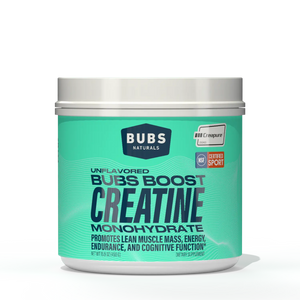
For those wondering how to increase creatine levels in body without eating massive quantities of meat, supplementation is the gold standard. Not all supplements are created equal, however. At BUBS Naturals, we prioritize purity and efficacy. Our Creatine Monohydrate is a single-ingredient powerhouse designed to integrate seamlessly into your daily routine.
Why Creatine Monohydrate?
There are several forms of creatine on the market, including HCL, ethyl ester, and buffered versions. Despite the marketing claims of these alternatives, creatine monohydrate remains the most extensively studied and proven form. It has a nearly 100% absorption rate and is the form used in the vast majority of clinical trials that demonstrate increased muscle strength and power.
The NSF for Sport Certification
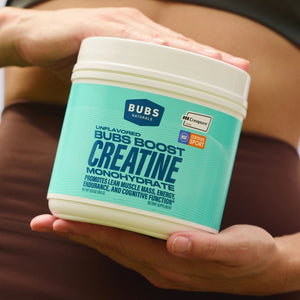
In the spirit of Glen “BUB” Doherty’s commitment to excellence, we don't take shortcuts. Our Creatine Monohydrate is NSF for Sport certified. This is a rigorous third-party testing process that ensures the product is free from over 280 banned substances and that the label accurately reflects what’s in the tub. Whether you are a professional athlete subject to drug testing or a weekend warrior who simply cares about what goes into your body, this certification provides peace of mind.
The Loading Phase vs. Maintenance
There are two common strategies for starting a creatine regimen:
-
The Loading Phase: This involves taking approximately 20 grams per day (divided into four 5-gram doses) for 5-7 days. This rapidly saturates your muscle stores, allowing you to see results in strength and fullness more quickly.
-
Maintenance Only: This involves taking 3-5 grams per day from the start. While it takes longer to reach full saturation (about 3-4 weeks), it is often easier on the digestive system and equally effective in the long run.
We recommend finding the rhythm that works for your lifestyle. The most important factor is consistency. Creatine works through accumulation, not as a "one-off" pre-workout boost.
Synergy: Combining Creatine with a Healthy Lifestyle
Increasing your creatine levels is most effective when it is part of a holistic approach to wellness. To truly feel the BUBS difference, consider how you can pair your Creatine Monohydrate with other foundational habits.
Hydration is Non-Negotiable
Creatine works by drawing water into your muscle cells (cellular hydration). This is a positive effect that supports protein synthesis and muscle fullness, but it means your body’s demand for water and electrolytes increases. If you are increasing your creatine intake, you must also prioritize hydration. Our Hydrate or Die - Lemon or Hydrate or Die - Mixed Berry provide the essential electrolytes needed to maintain fluid balance and muscle function. Without proper hydration, you may experience cramping or diminished results.
Post-Workout Recovery
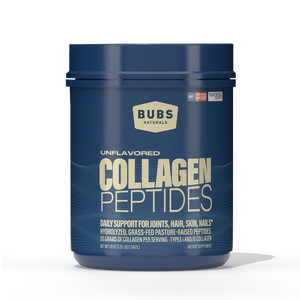
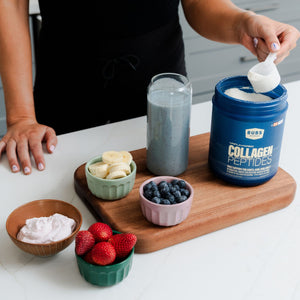
The best time to take creatine is often debated, but many experts suggest taking it post-workout when your muscles are primed for nutrient uptake. This is also an ideal time to support your connective tissues. While creatine supports the muscle fibers themselves, our Collagen Peptides support the joints, tendons, and ligaments that allow those muscles to move. Adding a scoop of each to your post-training shake is a powerful way to ensure your entire physical structure is recovering and getting stronger.
Mental Clarity and Metabolic Health
Creatine isn't just for your biceps; your brain is one of the most energy-intensive organs in your body. It uses the phosphocreatine system for rapid energy during complex tasks. To further support mental performance, many of our community members mix their supplements with a morning coffee boosted by our MCT Oil Creamer. The medium-chain triglycerides provide a quick source of ketone energy for the brain, working in tandem with the cellular energy support of creatine.
Understanding Creatinine: The Biological Balance
When discussing how to increase creatine levels in body, it is essential to mention creatinine. Creatinine is the waste product that results from the natural breakdown of creatine in your muscles. It is filtered out of the blood by your kidneys and excreted through urine.
When you begin taking Creatine Monohydrate, it is common to see a slight rise in your blood creatinine levels during a routine check-up. In most healthy individuals, this is simply a reflection of increased creatine turnover and does not indicate kidney issues. However, because creatinine is a standard marker for kidney function, it is always wise to inform your healthcare provider that you are supplementing.
Low creatinine levels, on the other hand, can sometimes be a sign of low muscle mass or a diet that is severely lacking in protein. This is common in elderly populations or those following a strict vegan diet without proper supplementation. In these cases, increasing creatine intake can help support muscle maintenance and overall metabolic health.
Creatine for Longevity and Brain Health
The conversation around creatine is shifting from the weight room to the longevity clinic. As we age, we naturally lose muscle mass—a condition known as sarcopenia. This loss of strength can lead to decreased mobility and a lower quality of life. Research suggests that creatine supplementation, when paired with resistance training, can help slow this process, allowing older adults to maintain their independence and physical vigor.
Furthermore, the cognitive benefits are becoming impossible to ignore. Studies have shown that increasing creatine levels can improve short-term memory and reasoning, particularly in individuals who are stressed or sleep-deprived. It acts as a "neuroprotectant," helping to maintain the energy supply to brain cells during periods of high demand.
To support this holistic approach to aging, we often recommend incorporating our Apple Cider Vinegar Gummies into your daily routine. While creatine handles the energy, ACV gummies support digestive wellness and general metabolic function, creating a well-rounded foundation for long-term health. Additionally, ensuring you have adequate antioxidant support with our Vitamin C can help combat the oxidative stress that comes with both aging and intense physical activity.
The BUBS Promise: Quality and Giving Back
At the heart of every product we make is a story of sacrifice and service. BUBS Naturals isn't just a supplement company; it's a tribute to a legacy. Glen “BUB” Doherty lived his life to the fullest, always seeking the next challenge and always looking out for his teammates. We carry that spirit into everything we do.
When you choose our Creatine Monohydrate, you are getting a product that is rigorously tested and free from unnecessary fillers. But more than that, you are participating in our 10% Rule. We donate 10% of all profits to veteran-focused charities, including the Glen Doherty Memorial Foundation. This foundation provides transition assistance and scholarships to current and former special operations professionals and their families.
We believe that true wellness involves looking outward as much as looking inward. By fueling your body with clean ingredients, you are better equipped to show up for your family, your community, and your own personal missions. Our "no-BS" approach means you never have to guess what you're putting in your body. It’s simple, it’s effective, and it’s for a great cause.
Practical Steps to Optimize Your Levels Today
If you are ready to take action and increase your creatine levels, here is a simple roadmap to get started:
-
Assess Your Diet: Aim to include at least 2-3 servings of creatine-rich foods like beef, salmon, or herring per week. If you are a vegetarian or vegan, recognize that your natural stores are likely lower, making supplementation even more beneficial.
-
Start Your Supplementation: Incorporate 5 grams of Creatine Monohydrate into your daily routine. Because it is unflavored and mixes easily, you can add it to your morning coffee with MCT Oil Creamer, your post-workout shake, or even just a glass of water.
-
Prioritize Fluid Intake: Drink plenty of water throughout the day. If you find it hard to stay hydrated during workouts, keep a packet of Hydrate or Die in your gym bag.
-
Pair with Movement: Creatine is most effective when your muscles are being utilized. Whether it’s heavy lifting, a brisk hike, or a yoga session, give those energized cells a reason to work.
-
Stay Consistent: The benefits of creatine come from long-term, daily use. It is not a stimulant; it is a fundamental nutrient that builds up in your system over time.
By following these steps, you aren't just following a trend—you are providing your body with the biological tools it needs to perform at its peak.
Why Quality Matters in Creatine
In the world of supplements, "cheap" often comes with a hidden cost. Lower-quality creatine can contain impurities like dicyandiamide or dihydrotriazine, which are byproducts of the manufacturing process. Furthermore, many brands add artificial sweeteners, flavors, and anti-caking agents that can disrupt your digestion and detract from your health goals.
At BUBS, we strip all of that away. We provide 100% pure creatine monohydrate. It’s easy to mix, easy to digest, and backed by the highest certifications in the industry. We don't believe in "magic pills," but we do believe in the power of simple, high-quality ingredients to make a tangible difference in how you feel and perform. When you see the NSF for Sport logo on our tub, you know you are getting exactly what you need and nothing you don't.
Conclusion
Understanding how to increase creatine levels in body is a powerful step toward taking control of your physical and mental performance. From the biological dance of ATP regeneration to the strategic selection of whole foods like grass-fed beef and wild-caught salmon, there are many ways to support your body's energy needs. However, for most active individuals, high-quality supplementation remains the most practical and effective way to achieve full muscle saturation and unlock the myriad benefits of this remarkable compound.
We’ve seen how creatine goes beyond the gym, offering support for brain health, longevity, and overall metabolic function. By integrating our Creatine Monohydrate into a lifestyle that includes proper hydration with Hydrate or Die, joint support with Collagen Peptides, and the cognitive boost of MCT Oil Creamer, you are building a foundation for a life of adventure and purpose.
As you embark on your own journey of wellness, remember that every scoop of BUBS is a commitment to excellence and a tribute to a hero. We invite you to explore our Creatine Monohydrate and see for yourself how simple, clean ingredients can elevate your daily life. Stay curious, stay active, and as Glen always said, live a life worth living.
FAQ
Does increasing creatine levels cause hair loss or bloating?
There is no significant scientific evidence linking creatine monohydrate to hair loss. The myth originated from a single study on a hormone called DHT, but subsequent research has not replicated those findings. Regarding bloating, some individuals may experience minor water retention during a "loading phase" because creatine draws water into the muscle cells. However, this is usually temporary and often subsides once you transition to a maintenance dose. Drinking plenty of water and using a high-quality, pure product like our Creatine Monohydrate can help minimize any digestive discomfort.
Can I get enough creatine from a vegan or vegetarian diet?
It is very difficult to get significant amounts of creatine from plant-based foods alone, as it is primarily found in animal muscle tissue. Because of this, vegetarians and vegans typically have lower baseline stores of creatine in their muscles. Supplementation can be particularly beneficial for this group, not only for physical performance but also for supporting cognitive function. Our Creatine Monohydrate is a great way for plant-based athletes to ensure they are meeting their body's energy demands without compromising their dietary choices.
Should I take creatine on days when I don't work out?
Yes, consistency is key when it comes to creatine. The goal is to keep your muscle stores fully saturated. If you skip doses on rest days, your levels will slowly begin to decline. We recommend taking your 5-gram serving every single day, regardless of your activity level. Many people find it helpful to mix it into their morning routine—perhaps with a scoop of Collagen Peptides—to ensure they never miss a day.
Is creatine safe for my kidneys?
For individuals with healthy kidney function, numerous studies have shown that long-term creatine supplementation is safe. Creatine does break down into creatinine, which is a marker doctors use to check kidney health, so your lab results might show a slightly elevated (but safe) level. However, if you have a pre-existing kidney condition, it is vital to consult with your healthcare provider before starting any new supplement. Staying properly hydrated with electrolytes like Hydrate or Die - Lemon is always a good practice to support overall kidney function.