Table of Contents
- Introduction
- The Science of Creatine Storage
- Blood vs. Muscle: Two Different Timelines
- Factors Influencing How Long Creatine Stays in Your System
- The Loading Phase vs. Maintenance
- What Happens When You Stop Taking Creatine?
- Creatine and Medical Testing
- Myths vs. Facts About Creatine Clearance
- Maximizing Your Results with Clean Ingredients
- Bottom Line: The "Washout" is a Long Game
- Conclusion
- FAQ
Introduction
You’ve put in the miles, hit the heavy sets, and stayed consistent with your routine. If you’ve added Creatine Monohydrate to your regimen, you likely know it is one of the most researched tools for supporting strength and muscle recovery. But what happens if you take a break? Whether you are traveling, switching up your training block, or prepping for a medical test, you probably want to know how long creatine stay in body after your last dose.
At BUBS Naturals, we believe in keeping your wellness routine simple and effective. Our mission is to provide clean, science-backed supplements that help you live an adventurous life. Understanding how your body processes these ingredients is part of being a smart athlete. This guide will walk you through the "washout" period, the difference between blood and muscle storage, and how individual factors like muscle mass change the timeline.
By the end of this article, you will understand exactly how your body manages its energy stores. We will cover the physiological journey of creatine from ingestion to excretion. This knowledge ensures you can make informed decisions about your performance and recovery strategy.
Quick Answer: Creatine has a short half-life of about 3 hours in the blood, but it can stay in your muscle tissue for 4 to 8 weeks. After you stop supplementing, it typically takes about a month for your muscle stores to return to their natural baseline levels.
The Science of Creatine Storage
To understand the timeline, we have to look at where creatine goes once it enters your system. Creatine is a nitrogenous organic acid that occurs naturally in your body. You produce it in your liver and kidneys, and you also get it from foods like red meat and fish. However, your body stores about 95% of its total creatine in your skeletal muscle.
The primary job of these stores is to support the production of adenosine triphosphate (ATP). ATP is the fundamental energy currency for every cell in your body. During high-intensity movements—like a heavy squat or a 40-yard dash—your muscles burn through ATP quickly. Creatine, stored as phosphocreatine, steps in to "recharge" that energy. It donates a phosphate molecule to turn used energy (ADP) back into usable energy (ATP).
When you take a high-quality supplement like BUBS Naturals Creatine Monohydrate, you are essentially topping off these stores. This saturation allows you to maintain peak power for a few seconds longer. It is this "topping off" process that dictates how long the supplement stays with you once you stop.
Blood vs. Muscle: Two Different Timelines
A common point of confusion is the difference between how long creatine stays in your blood versus how long it stays in your muscles. These are two very different biological processes with vastly different timelines.
The Blood Clearance Phase
Once you ingest creatine, it enters your bloodstream to be transported to your muscles. The "half-life" of a substance is the time it takes for its concentration to reduce by half in the body. For creatine in the blood, this half-life is remarkably short—roughly 2.5 to 3 hours.
If you take a dose in the morning, the supplemental levels in your blood plasma will likely be gone within 24 hours. Your kidneys filter the excess that isn't taken up by the muscles and excrete it through urine. This is why blood tests may show temporary spikes in creatinine (a byproduct of creatine) if you've taken a supplement recently.
The Muscle Retention Phase
The story changes once the creatine is locked inside your muscle cells. Your muscles are very efficient at holding onto this stored energy. Because your body only breaks down about 1% to 2% of its total muscle creatine per day, the "washout" process is slow.
If you have reached full muscle saturation through consistent supplementation, your levels won't drop to baseline overnight. It typically takes 4 to 8 weeks of zero supplementation for those levels to return to where they were before you started. This means you can miss a day or two of your routine without losing the performance benefits you’ve built up.
Key Takeaway: While the "extra" creatine leaves your blood in less than a day, the performance-enhancing stores in your muscles can persist for up to two months. This slow decline is why a "cycling" approach is often unnecessary for most athletes.
Factors Influencing How Long Creatine Stays in Your System
Every body is different, and several physiological factors can speed up or slow down the clearance of creatine. We focus on clean ingredients because we know that how your body processes a supplement matters for your long-term health.
Muscle Mass and Storage Capacity
Think of your muscles as a storage tank. The more muscle mass you have, the larger your tank. An athlete with significant lean muscle mass can store more phosphocreatine than someone with a smaller frame. Consequently, it may take longer for a heavily muscled individual to reach full depletion because they have a larger reserve to draw from.
Exercise Intensity and Frequency
How you move determines how fast you use your stored energy. If you are training at a high intensity—performing sprints, heavy lifting, or high-intensity interval training (HIIT)—you are constantly tapping into your phosphocreatine stores. If you stop supplementing but continue to train hard, your body will likely return to baseline levels faster than someone who stops training and supplementing simultaneously.
Individual Metabolic Rate
Your metabolism dictates the rate at which creatine is converted into creatinine and eventually excreted. Younger athletes or those with higher metabolic rates may process and clear supplements slightly faster. Additionally, kidney function plays a role. Since the kidneys are responsible for filtering creatinine out of the blood, efficient renal function ensures that waste products don't linger longer than necessary.
Hydration Levels
Creatine is known for drawing water into the muscle cells, which is why hydration is a pillar of any solid supplement routine. If you are well-hydrated, your kidneys can more easily filter waste products. If you are dehydrated, the clearance of creatinine might be slower, and the levels might appear higher in your blood or urine. In that case, Hydrate or Die can be a simple way to support your hydration routine.
The Loading Phase vs. Maintenance
How you start your supplement journey also affects how long it stays in your system. There are generally two ways people reach muscle saturation: the loading phase and the maintenance approach.
The Loading Phase
A loading phase involves taking a higher dose—typically 20 grams per day—for 5 to 7 days. This quickly "fills the tank." Because you have reached peak saturation in a very short time, your stores are at their absolute maximum. If you stop immediately after a loading phase, the 4-to-8-week washout period begins from that peak level.
The Maintenance Phase
The maintenance approach involves taking a smaller, consistent dose of 3 to 5 grams per day. It takes longer to reach full saturation—usually about 3 to 4 weeks—but it is much easier on the digestive system for many people. Once you reach saturation through maintenance, the clearance timeline is exactly the same as it would be after a loading phase.
| Phase |
Daily Dosage |
Time to Full Saturation |
Impact on Clearance |
| Loading |
20g (divided doses) |
5–7 Days |
Rapid peak, standard 4–8 week washout |
| Maintenance |
3–5g |
21–28 Days |
Slower buildup, standard 4–8 week washout |
What Happens When You Stop Taking Creatine?
Many people worry that they will experience a "crash" if they stop taking creatine. This is a myth. Because the clearance from the muscle is so gradual, you won't experience a sudden loss of strength or energy.
Week 1: The Buffer Period
During the first week after stopping, you likely won't feel any different. Your muscles are still near-saturated. Your power output and recovery times should remain consistent with your previous performance.
Weeks 2-4: The Gradual Shift
This is when the daily 1% to 2% breakdown starts to add up. You might notice that the very last rep of a difficult set feels slightly heavier. This is also when the "water weight" often associated with creatine begins to subside. Since creatine pulls water into the muscle cells, as the creatine levels drop, that intracellular water also decreases. You might notice a slight drop on the scale or a change in muscle "fullness."
Weeks 5-8: Returning to Baseline
By this point, your body has returned to its natural production levels. You are now relying solely on the 1 to 2 grams of creatine your body makes itself and whatever you get from your diet. Your performance isn't "worse" than before you started; it has simply returned to your natural non-supplemented state.
Creatine and Medical Testing
One practical reason to know how long creatine stay in body is for medical or insurance blood work. Doctors often measure "creatinine" to check kidney function. Because creatinine is the natural byproduct of creatine breakdown, people who supplement often have slightly higher creatinine levels than the average person.
This doesn't mean your kidneys are damaged; it simply means you have a higher "turnover" of creatine because you have more of it in your system. However, if a doctor isn't aware you are supplementing, a high creatinine reading might raise a red flag.
Note: If you have an upcoming blood test for kidney function, it is often recommended to stop taking creatine supplements 48 to 72 hours before the test to allow blood plasma levels to normalize. Always inform your healthcare provider about any supplements you are taking.
Myths vs. Facts About Creatine Clearance
There is plenty of misinformation about how creatine leaves the system. Let's clear up some of the most common misconceptions.
Myth: You need to "cycle" creatine so your body doesn't stop producing its own.
Fact: While your body's natural production may slow down slightly while you supplement, it returns to normal very quickly once you stop. There is no evidence that long-term use permanently "shuts down" your natural production.
Myth: All the "gains" from creatine are just water and will disappear in a week.
Fact: While creatine does increase intracellular water, it also helps you train harder and recover faster. The muscle fiber you build while using it is real muscle tissue. When you stop, the extra water leaves, but the lean muscle mass you've built through hard work stays.
Maximizing Your Results with Clean Ingredients
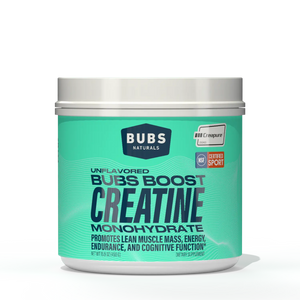
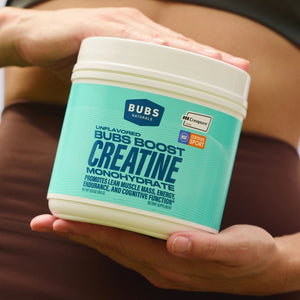
We believe that your supplements should be as clean as the life you lead. Our Creatine Monohydrate is a single-ingredient formula. We don't use fillers, additives, or unnecessary flavorings. This ensures that when you are tracking how your body responds, you are dealing with pure creatine and nothing else.
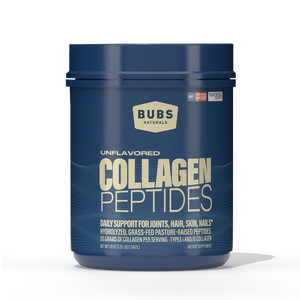
If you are looking to support your recovery while the creatine does its work, many of our athletes pair it with Collagen Peptides. While creatine supports the energy within the muscle, collagen supports the connective tissues—tendons and ligaments—that keep you moving. Together, they create a solid foundation for an active, adventure-filled lifestyle.
Bottom Line: The "Washout" is a Long Game
The answer to how long creatine stay in body is a tale of two systems. Your blood clears the supplement in a day, but your muscles hold onto it for much longer. This "buffer" is a benefit. It means your body is resilient. It means your hard work and your commitment to your routine aren't erased by a few missed days or a week-long vacation.
Bottom line: Expect a full 4 to 8 weeks for creatine to completely leave your muscle tissue after your last dose, though blood levels will normalize within 24 hours.
Conclusion
Understanding the timeline of your supplements is part of mastering your own performance. Creatine is a safe, effective, and well-researched tool that may support your journey toward greater strength and better recovery. Whether you are in a loading phase or a steady maintenance routine, your body is designed to manage these energy stores efficiently.
At BUBS Naturals, we are more than just a supplement brand. We are a community built on the legacy of Glen "BUB" Doherty. We value transparency, clean ingredients, and the spirit of adventure. That is why we commit to the 10% Rule: we donate 10% of all our profits to veteran-focused charities in BUB’s honor. Every scoop you take supports not just your own wellness, but a larger mission of service and sacrifice. Learn more in Our Story.
Ready to keep your energy stores topped off? Focus on consistency, stay hydrated, and choose supplements that treat your body with respect. Our pure Creatine Monohydrate is NSF for Sport certified, ensuring you get exactly what you need to keep moving forward.
FAQ
How long does it take for creatine to leave your system for a drug test?
Creatine is not a banned substance and is not screened for in standard drug tests. However, if you are concerned about creatinine levels in a medical kidney function test, most experts suggest stopping the supplement 48 to 72 hours before the blood draw. This allows the supplemental creatine in your blood plasma to clear.
Will I lose muscle if I stop taking creatine for a week?
No, you will not lose muscle tissue in a week. Because it takes 4 to 8 weeks for muscle stores to return to baseline, a one-week break will only cause a minor dip in your saturation levels. Any "weight" lost during this time is likely just a small change in water retention, not a loss of lean muscle fiber.
Does caffeine help clear creatine from the body faster?
There is no significant evidence that caffeine speeds up the excretion or clearance of creatine from your muscles. While some older studies suggested caffeine might interfere with the uptake of creatine, the clearance timeline remains primarily dependent on your muscle mass, metabolism, and natural breakdown rate.
How can I make creatine leave my system faster?
The breakdown of creatine into creatinine is a natural physiological process that happens at a steady rate of about 1% to 2% of total stores per day. While staying very well-hydrated can help your kidneys filter the waste products more efficiently, there is no healthy way to "flush" creatine out of your muscle tissue faster than the natural washout period.