Table of Contents
- Introduction
- The Science of Creatine Storage and Energy
- Blood Plasma vs. Muscle Tissue: Two Different Timelines
- The 8-Week Washout: A Step-by-Step Breakdown
- Factors That Influence How Long Creatine Stays in Your Body
- Physical and Performance Changes to Expect
- Why We Don’t Recommend "Cycling" Creatine
- How to Manage the Transition Period
- The Connection Between Creatine and Overall Wellness
- Conclusion
- FAQ
Introduction
You have likely been there: standing in the kitchen, looking at your supplement cabinet, and wondering if you really need that daily scoop. Maybe you are headed out on a long trip where packing powders is a hassle, or perhaps you just want to see how your body feels at its natural baseline. Whatever the reason, if you decide to step away from your routine, you need to know what to expect. Specifically, you want to know how long that extra "charge" in your muscles actually lasts.
Understanding how long after stopping creatine does it leave your body is essential for managing your performance expectations. At BUBS Naturals, we focus on providing clean, science-backed information so you can navigate your wellness journey with confidence. This guide will break down the biological timeline of creatine clearance, the difference between blood and muscle storage, and how your body adjusts its natural production once you stop supplementing.
The short answer is that while creatine leaves your blood quickly, it takes much longer to leave your muscle tissue. Most people return to their natural baseline levels within four to eight weeks. This timeline depends on your muscle mass, training intensity, and how saturated your stores were when you stopped. We are here to walk you through exactly what happens during that window and how to maintain your hard-earned gains.
Quick Answer: Supplemental creatine typically leaves your bloodstream within 24 hours, but it takes four to eight weeks for your muscle stores to return to their pre-supplement baseline. During this "washout" period, your body gradually resumes its natural production while slowly utilizing the stored phosphocreatine in your tissues.
The Science of Creatine Storage and Energy
To understand how long creatine stays in your system, you first have to understand how your body holds onto it. Creatine is not a foreign substance; it is a nitrogenous organic acid that your body produces naturally in the liver, kidneys, and pancreas. It is also found in foods like red meat and fish. About 95% of your body’s creatine is stored in your skeletal muscles in the form of phosphocreatine.
Phosphocreatine is your muscle's primary source of rapid energy. When you perform high-intensity movements—like a heavy deadlift, a sprint, or a steep climb—your cells use a molecule called adenosine triphosphate (ATP) for fuel. However, you only store enough ATP for a few seconds of work. Once ATP is used, it becomes adenosine diphosphate (ADP). Phosphocreatine "donates" a phosphate molecule to ADP, instantly turning it back into ATP so you can keep pushing.
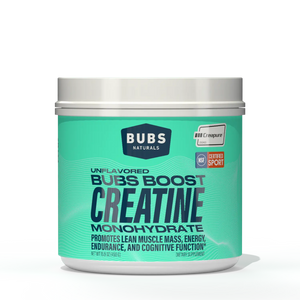
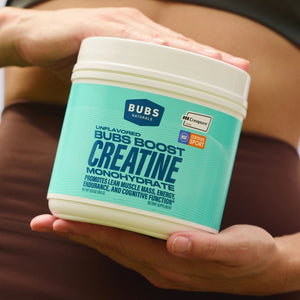
When you take a supplement like our Creatine Monohydrate, you are essentially "topping off" these stores. Most people who eat a standard diet have muscle stores that are about 60% to 80% full. Supplementation aims for 100% saturation. Because the body is highly efficient at storing this energy, it does not simply flush it out the moment you stop your daily dose.
Blood Plasma vs. Muscle Tissue: Two Different Timelines
There is a major distinction between how long creatine stays in your blood and how long it stays in your muscles. This is where most of the confusion regarding "washout" periods begins.
The Blood Plasma Window
When you ingest creatine, it enters your bloodstream and reaches its peak concentration within one to two hours. From there, it is either transported into the muscle cells or filtered out by the kidneys. The half-life of creatine in the blood is quite short—roughly 2.5 to 3 hours.
This means that within about 24 hours of your last dose, the supplemental creatine is effectively gone from your blood. If you were to take a blood test a day after stopping, your plasma levels would likely look normal. However, the blood is just the transport system. The real storage is in the muscle.
The Muscle Tissue Window
Your muscles are much more "greedy" with creatine. Once it is inside the muscle cell, it stays there until it is used for energy or naturally breaks down. The body breaks down about 1% to 2% of its total muscle creatine into a waste product called creatinine every day.
Because the breakdown rate is so slow, your muscle stores stay elevated for a long time. Even if you stop taking it entirely, you still have that extra "fuel" available for weeks. This is why you do not lose your strength or power overnight if you miss a few doses.
Key Takeaway: Think of your blood like a delivery truck and your muscles like a warehouse. The truck (blood) clears out in a day, but the warehouse (muscles) remains stocked for weeks, slowly depleting its inventory over a one-to-two-month period.
The 8-Week Washout: A Step-by-Step Breakdown
If you decide to stop supplementation, your body enters what researchers call a "washout period." This is the time it takes for your muscle stores to return to their pre-supplementation baseline. Here is what that timeline generally looks like for an active individual.
Days 1 to 7: The Lingering Peak
During the first week after your last dose, you will likely feel no difference at all. Your muscles are still near 100% saturation. You will still have the same explosive power and endurance you had while supplementing. Your body is still working through the "excess" stores.
Weeks 2 to 4: The Gradual Dip
By the end of the second week, your stores have dropped to roughly 80% to 90% of their peak. This is when the most noticeable physical change often occurs: a loss of water weight. Creatine is "osmotic," meaning it draws water into the muscle cells. As your creatine levels begin to drop, that extra intracellular water is released. You might notice you look slightly less "full" or "pumped," and the scale might drop by three to five pounds. This is not muscle loss; it is simply a shift in hydration.
Weeks 5 to 8: Returning to Baseline
By week five or six, your muscle stores are approaching their natural levels. This is when you might start to feel a slight decrease in your "top-end" performance. That final rep on a heavy set of five might feel harder, or your recovery between sprints might slow down slightly. By week eight, your body has fully adjusted. Your liver and kidneys have ramped back up to their normal production levels, and the supplemental "boost" is officially gone.
Factors That Influence How Long Creatine Stays in Your Body
Not everyone follows the exact same eight-week timeline. Several individual variables can speed up or slow down how quickly your body clears its stores.
Total Muscle Mass
Since 95% of creatine is stored in skeletal muscle, the amount of muscle you carry matters. An athlete with a significant amount of lean mass can store more total grams of creatine. While they might lose it at the same percentage rate as a smaller person, it may take longer for them to reach their absolute baseline because they have a larger "tank" to empty.
Training Intensity and Frequency
Creatine is used during high-intensity, anaerobic activity. If you stop taking creatine but continue to train with high volume or heavy weights, you will utilize those stores faster. If you stop taking creatine and simultaneously take a week off from the gym, your stores will likely stay elevated for longer because you aren't "spending" the phosphocreatine as quickly.
Dietary Choices
Your natural baseline depends heavily on your diet. If you eat a lot of red meat, your baseline stores will be higher than someone who follows a vegan or vegetarian diet. A plant-based athlete might notice the effects of stopping creatine more quickly because their "natural" floor is much lower than an omnivore's.
Natural Production Levels
When you take a supplement, your body's natural production of creatine slows down. This is a normal regulatory process called feedback inhibition. When you stop supplementing, it takes time for your body to realize it needs to start producing its own creatine again at full capacity. For most people, this "restart" happens smoothly over a few weeks, but individual metabolic rates vary.
Physical and Performance Changes to Expect
One of the biggest fears people have when stopping creatine is that they will "lose all their gains." It is important to distinguish between losing muscle tissue and losing the effects of the supplement.
Water Weight and Muscle Definition
Creatine causes your muscles to hold more water internally. This is often called "cell volumization." When you stop, that water leaves. You might feel "smaller," but you haven't actually lost muscle protein. In fact, many people find that they look more "defined" or "leaner" after stopping because the slight "puffiness" or weight gain associated with the water retention disappears.
Strength and Power
You may notice a small decrease in your absolute strength. If you were able to bench press 225 pounds for six reps while on creatine, you might find that you can only do five reps after the washout period. Your muscles no longer have that rapid-fire ATP regeneration to power through the very end of a set. However, the actual muscle fibers you built while training on creatine are still there.
Recovery Speed
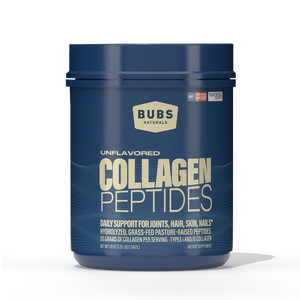
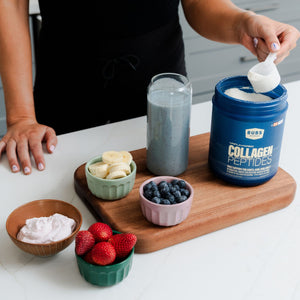
Many athletes report that their recovery between sets or between workouts feels slightly slower once the creatine has left their system. This is because creatine helps maintain cellular energy balance during and after stress. To help mitigate this, we recommend focusing on other recovery pillars, like high-quality protein and electrolytes. Our Collagen Peptides can be a great way to support joint and connective tissue health as your body adjusts its energy metabolism.
| Feature |
While Supplementing |
After Washout (8 Weeks) |
| Muscle Saturation |
100% |
60% - 80% |
| Intracellular Water |
High (Increased fullness) |
Normal |
| ATP Regeneration |
Very Fast |
Baseline Speed |
| Body Weight |
Often 3-7 lbs higher |
Baseline Weight |
Why We Don’t Recommend "Cycling" Creatine
In the past, many people believed you had to "cycle" creatine—taking it for two months and then taking a month off. The theory was that this would prevent your body from becoming "lazy" and stopping its own production permanently.
We now know this isn't necessary. Research has shown that natural creatine production resumes perfectly fine even after years of continuous supplementation. Cycling actually works against you because it forces your body through that four-to-eight-week washout period, followed by another loading phase to get back to saturation.
If your goal is consistent performance, there is usually no biological reason to stop. If you do choose to stop, it should be for personal preference or convenience, not because of a fear of "shutting down" your natural systems. Our Creatine Monohydrate is designed for daily, long-term use, providing a clean, single-ingredient formula that fits into any lifestyle.
How to Manage the Transition Period
If you have decided to stop, either temporarily or permanently, you can make the transition easier on your body by following a few simple steps.
Maintain Your Protein Intake
As the water weight leaves and your energy stores dip, you want to ensure your muscle tissue is protected. Keep your protein intake high to support muscle protein synthesis. Whether you are getting your protein from whole foods or a supplement, consistency is key.
Focus on Hydration
Since creatine affects how your body handles water, your hydration needs might shift slightly when you stop. It is a mistake to stop drinking water just because you aren't taking creatine anymore. Using a dedicated electrolyte product like Hydrate or Die® Electrolytes can help you maintain the right balance of minerals like sodium and potassium, ensuring your muscles and nervous system stay sharp even as your creatine stores normalize.
Keep Training Hard
The "gains" you made while on creatine are yours to keep—as long as you keep training. The extra strength provided by creatine allowed you to lift heavier weights or perform more reps, which in turn built real muscle tissue. That tissue doesn't disappear just because the supplement does. Continue your resistance training with the same intensity, and you will maintain the vast majority of your progress.
Myth: You will lose all the muscle you gained once you stop taking creatine.
Fact: You will likely lose some water weight and a small percentage of peak strength, but the actual muscle tissue you built through hard training remains as long as you continue to exercise and eat properly.
The Connection Between Creatine and Overall Wellness
While we often talk about creatine in the context of the gym, it's also worth noting that it plays a role in brain health and overall cellular energy. Some people report a slight "brain fog" or lower mental energy during the washout period.
If you find that your energy levels are dipping after stopping, you might look at supporting your brain with healthy fats. Adding a scoop of our MCT Oil Creamer to your morning coffee can provide a clean, alternative fuel source for your brain. Medium-chain triglycerides (MCTs) are converted into ketones, which the brain can use for energy, potentially helping to bridge the gap as your body's phosphocreatine levels return to baseline.
Conclusion
How long after stopping creatine does it leave your body? The timeline is clear: while it clears your blood in a day, your muscles will hold onto that extra energy for four to eight weeks. This gradual transition is actually a benefit, as it prevents a sudden crash in performance and gives your body plenty of time to resume its natural production.
You should expect a minor drop in water weight and a slight shift in your peak explosive power, but your hard-earned muscle mass isn't going anywhere as long as you stay consistent with your training and nutrition. At BUBS Naturals, we believe in providing the tools you need to live an adventurous, high-performance life. Whether you are using our Creatine & Fitness hub daily or taking a break, our mission remains the same.
We are also committed to a larger purpose. In honor of Glen “BUB” Doherty’s story, we donate 10% of all our profits to veteran-focused charities. Every purchase you make helps support those who have served, ensuring that your journey toward wellness also contributes to a greater cause.
Bottom line: Expect about a two-month window for your body to fully return to its pre-creatine state, but don't fear the transition—your consistency in the gym is what truly defines your results.
FAQ
Does stopping creatine cause hair loss or other side effects?
There is no clinical evidence to suggest that stopping creatine causes hair loss or significant negative withdrawal symptoms. The most common "side effect" of stopping is simply a loss of the extra water weight stored in the muscles and a slight decrease in high-intensity exercise capacity.
Will I get weaker as soon as I stop taking creatine?
No, you won't feel a difference immediately because your muscle stores remain saturated for several days to a week. You might notice a slight decrease in your ability to perform those last few "grinder" reps about two to four weeks after stopping, as your phosphocreatine levels begin to drop toward baseline.
How much weight will I lose when I stop taking creatine?
Most people lose between three and seven pounds of body weight within the first few weeks of stopping. It is important to remember that this is almost entirely intracellular water weight, not lean muscle mass. This weight loss is simply your body returning to its natural state of hydration.
Do I need to taper off creatine or can I stop cold turkey?
You can stop taking creatine "cold turkey" without any issues. Because the washout period is naturally slow (four to eight weeks), your body essentially "tapers" itself. There is no biological need to gradually reduce your dose; your muscle stores will deplete at a steady rate regardless of how you stop.