Table of Contents
- Introduction
- Understanding the Basics of Creatine
- How Creatine Triggers Weight Gain
- The Loading Phase: The Fastest Way to See Results
- Maximizing Gains with Nutrition and Timing
- Choosing the Right Form of Creatine
- Hydration: The Counter-Intuitive Truth
- Managing Potential Side Effects
- The Long-Term Perspective on Weight Gain
- Combining Creatine with Other Supplements
- Staying Consistent
- Bottom Line
- Conclusion
- FAQ
Introduction
If you are hitting the gym and eating for mass but the scale refuses to budge, you are likely looking for a way to bridge the gap. Many athletes and fitness enthusiasts turn to supplements to support their goals, and one of the most studied and effective options available is Creatine Monohydrate. At BUBS Naturals, we believe in providing clean, science-backed tools that help you push through plateaus and meet your physical potential.
This guide will explain exactly how to use creatine to see rapid results on the scale and in the mirror. We will cover the mechanics of a "loading phase," the biology of water retention, and how to pair supplementation with the right nutrition and training. The goal is to help you understand how to gain weight fast with creatine while ensuring those gains support your long-term strength and recovery.
Creatine is not a magic solution, but when used with intention, it can significantly accelerate your progress toward a heavier, stronger physique.
QUICK ANSWER BOX
Quick Answer: To gain weight fast with creatine, start with a "loading phase" of 20 grams per day (divided into four 5-gram doses) for five to seven days. This rapidly saturates your muscles with water and energy, often leading to an initial weight gain of 2 to 6 pounds within the first week.
Understanding the Basics of Creatine
Creatine is a naturally occurring compound made of three amino acids: arginine, glycine, and methionine. Your body produces it in the liver, kidneys, and pancreas, and you also get it from eating animal proteins like red meat and fish. Most of the creatine in your body—about 95%—is stored in your skeletal muscles as phosphocreatine.
Phosphocreatine is a form of stored energy. It helps your cells produce a high-energy molecule called adenosine triphosphate, or ATP. When you lift a heavy weight or sprint, your body uses ATP for fuel. Once that energy is spent, your body needs to "recharge" it. Creatine provides the extra spark needed to turn spent energy back into usable fuel, allowing you to perform more reps and push harder during training.
Most people have muscle stores that are only about 60% to 80% full through diet alone. By supplementing, you "top off" these tanks. This saturation is the key to gaining weight quickly because of how creatine interacts with water and muscle tissue.
How Creatine Triggers Weight Gain
When you start taking creatine, weight gain usually happens in two distinct phases: immediate water retention and long-term muscle growth.
The Intracellular Water Shift
Creatine is osmotic, meaning it draws water into your cells. Because the vast majority of your creatine is stored in your muscles, it pulls water directly into the muscle cells. This is known as intracellular water retention. Unlike the "bloat" you might feel after a high-sodium meal—which is often extracellular water sitting under the skin—intracellular water makes your muscles look and feel fuller and harder.
This shift happens very quickly. Within the first few days of a high-dose loading phase, it is common to see the scale jump by several pounds. This is not fat gain; it is your muscles becoming fully hydrated and energized.
The Lean Mass Building Effect
While the initial weight gain is water, the long-term gain is functional muscle. Because you have more ATP available, you can handle higher training volumes. Over weeks and months, the ability to lift more weight for more reps leads to greater muscle hypertrophy, which is the actual growth of muscle fibers.
Key Takeaway: Initial weight gain from creatine is primarily water being pulled into the muscle cells, followed by actual lean muscle tissue growth resulting from increased training capacity.
The Loading Phase: The Fastest Way to See Results
If you want to know how to gain weight fast with creatine, the "loading phase" is the standard protocol. While you can eventually reach muscle saturation by taking a small daily dose, it will take about three to four weeks. A loading phase cuts that time down to less than seven days.
How to Load Creatine
The most common loading strategy involves taking 20 to 25 grams of creatine per day for five to seven days. To avoid stomach upset, you should divide this into four or five doses of 5 grams each throughout the day.
For a more personalized approach, some experts suggest calculating your dose based on body weight. You can multiply your weight in kilograms by 0.3. For example, if you weigh 80 kg (about 176 lbs), your loading dose would be 24 grams per day.
Transitioning to Maintenance
Once your muscles are fully saturated, you do not need to continue the high dose. Your body can only store so much. After the initial week, you move to a "maintenance phase" of 3 to 5 grams per day. This is enough to keep your stores full and ensure you don't lose the progress you've made.
| Phase |
Duration |
Dosage |
Goal |
| Loading Phase |
5–7 Days |
20–25g (split into 4-5 doses) |
Rapid muscle saturation and weight gain |
| Maintenance Phase |
Ongoing |
3–5g once daily |
Sustain energy stores and muscle fullness |
Maximizing Gains with Nutrition and Timing
Taking the powder is only half the battle. To ensure the creatine is absorbed effectively and that your weight gain is supported by new muscle tissue, you need to focus on when and how you take it.
The Role of Carbohydrates and Insulin
Insulin helps drive nutrients into your muscle cells. When you consume carbohydrates, your body releases insulin to manage your blood sugar. Taking your creatine with a source of simple carbohydrates—like a piece of fruit, a glass of juice, or a post-workout recovery drink—can improve how well your muscles take up the supplement.
Timing for Performance
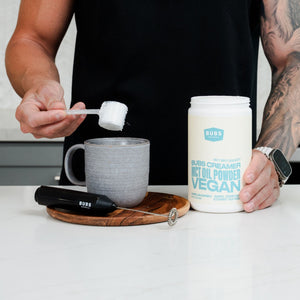
While the total daily amount of creatine is more important than the exact minute you take it, many athletes prefer taking it post-workout. After a training session, your muscles are like sponges, ready to soak up nutrients to begin the repair process. Mixing a scoop of creatine into your post-lift shake or a morning cup with MCT Oil Creamers is a reliable way to stay consistent and maximize the "refueling" window.
Caloric Surplus
Creatine itself has zero calories. It will not cause fat gain, but it also won't provide the raw building blocks your body needs to build new tissue. To gain "real" weight (muscle), you must consume more calories than you burn. Creatine gives you the energy to train harder, but your diet provides the materials for repair. Focus on high-quality proteins, healthy fats, and complex carbohydrates to support your increased training output.
Choosing the Right Form of Creatine
Not all creatine is created equal. The market is full of different versions like creatine ethyl ester, liquid creatine, and buffered creatine. However, the vast majority of scientific research points to one gold standard: Creatine Monohydrate.
Creatine monohydrate is the most studied supplement in the world of sports nutrition. It has been proven to be safe, effective, and highly bioavailable—meaning your body can actually use it. Other forms often claim better absorption but lack the data to back it up, and they are usually much more expensive.
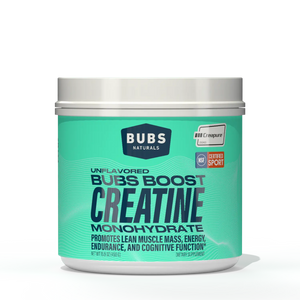
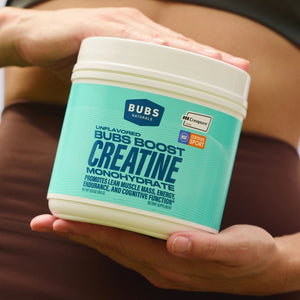
At BUBS Naturals, our Creatine Monohydrate is a single-ingredient formula. We focus on purity and mixability. It is a micronized powder, which means the particles are smaller and dissolve easily into any liquid without leaving a gritty texture at the bottom of your glass. Furthermore, our creatine is NSF for Sport certified. This is a rigorous third-party testing process that ensures what is on the label is in the bag and that there are no banned substances. For athletes and veterans who care about what goes into their bodies, this level of trust is essential.
Hydration: The Counter-Intuitive Truth
One of the biggest mistakes people make when trying to gain weight with creatine is not drinking enough water. Because creatine pulls water into your muscles, it leaves less water available for the rest of your body’s functions. If you want a simple electrolyte backup, our Hydrate or Die powder is designed to help keep your hydration routine on track.
If you don't increase your water intake, you might experience minor side effects like muscle cramps or a mild headache. More importantly, dehydration can actually make you look "flatter" and less muscular. To maintain that weight gain and keep your muscles looking full, you should aim for at least 100 to 128 ounces of water a day, depending on your activity level and the climate you live in. A balanced Hydration Collection can also make it easier to stay consistent.
Note: Drinking more water helps flush out excess sodium and can actually reduce the appearance of "soft" bloating under the skin, making your creatine-driven muscle fullness look more defined.
Managing Potential Side Effects
While creatine is incredibly safe, some people worry about the "bloat" or "puffiness" that can come with rapid weight gain. Most of this concern stems from myths or improper usage.
Myth: Creatine weight gain is just "fake" water weight that makes you look fat.
Fact: Creatine causes intracellular water retention, which happens inside the muscle cell. This typically makes muscles look larger and more defined, not soft or "watery."
If you find that a 20-gram loading phase causes gastrointestinal discomfort (like nausea or diarrhea), you can simply skip the loading phase. You can take 3 to 5 grams per day from the start. You will still reach full saturation and see the weight gain; it will just take about three weeks instead of one.
Kidney and Liver Health
In healthy individuals, there is no evidence that standard doses of creatine cause damage to the kidneys or liver. However, if you have a pre-existing medical condition related to these organs, you should always consult your healthcare provider before starting any new supplement routine.
The Long-Term Perspective on Weight Gain
When you gain weight "fast" with creatine, it is important to have realistic expectations. You might see the scale go up by 5 pounds in a week. That is a victory, but it is a "setup" for the real work.
The initial weight gain provides a better leverage for lifting and a more hydrated environment for muscle repair. The sustainable weight gain—the kind that stays with you even if you take a week off from supplements—comes from the months of training that creatine makes possible.
We see creatine as a tool for the long haul. It supports the "Hydrate or Die" mentality we live by at BUBS Naturals. Whether you are prepping for a competition, training for a ruck, or just trying to fill out your frame, creatine provides the energy and the physical volume to keep you moving forward.
Combining Creatine with Other Supplements
To further support your weight gain goals, you can look at how creatine fits into a larger wellness routine. It works well alongside other clean supplements that support recovery and energy.
Collagen Peptides
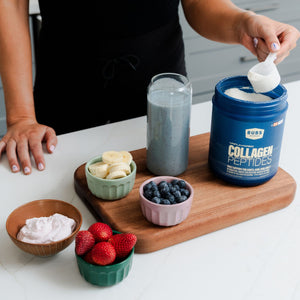
While creatine helps with the "power" and "size" of the muscle, Collagen Peptides supports the connective tissues—tendons and ligaments—that hold everything together. As you get heavier and lift more weight, your joints need extra support. We often recommend mixing our Creatine Monohydrate with our grass-fed Collagen Peptides in a post-workout shake for a comprehensive recovery approach.
If you want to keep the stack simple, Vitamin C is another clean option to keep in the mix.
Electrolytes
Since hydration is so critical when taking creatine, an electrolyte supplement can be very helpful. Electrolytes like sodium, potassium, and magnesium help regulate fluid balance. Our "Hydrate or Die" electrolyte powder is designed to ensure that the water you drink actually gets to where it needs to go, supporting muscle function and preventing the dehydration that can sometimes occur during a creatine loading phase.
For a broader daily routine, Apple Cider Vinegar Gummies can be an easy add-on.
Staying Consistent
The secret to how to gain weight fast with creatine isn't just the first seven days; it’s what happens on day 30, day 60, and beyond. If you stop taking it, your muscle stores will slowly return to their baseline levels over about four weeks, and you will likely lose that initial water weight.
To keep the gains, you must keep the habit. Choose a time of day that works for you—whether it's with your morning coffee, your pre-workout, or your evening meal—and stick to it. Consistency is what turns a temporary jump on the scale into a permanent change in your physique.
Bottom Line
Creatine is the most reliable supplement for rapid, safe weight gain. By using a loading phase of 20 grams per day for a week, followed by a maintenance dose of 5 grams, you can saturate your muscles and see an immediate increase in weight and muscle fullness.
Bottom line: To gain weight quickly, load with 20g of creatine for a week, pair it with carbohydrates and plenty of water, and use the extra energy to lift heavier in the gym.
Conclusion
Gaining weight and building muscle is a game of consistency and high-quality fuel. Creatine monohydrate stands out as a proven tool to help you add mass quickly through cellular hydration and improved training performance. By following a structured loading phase and supporting your body with proper hydration and nutrition, you can see significant changes in your weight and strength in a very short window of time.
Our mission at BUBS Naturals is to provide you with the cleanest possible versions of these essential tools. We don't believe in fillers or "proprietary blends"—just single-ingredient power that does exactly what it says it will. We are also driven by a deeper purpose. We donate 10% of all our profits to veteran-focused charities in honor of Glen "BUB" Doherty. When you use our products to improve your own health and performance, you are also helping us support the community that Glen cared about so deeply.
Ready to start your journey? Keep your training intense, your diet clean, and your hydration high. You have the tools; now it’s time to put in the work. Explore our full Boosts Collection to find everything you need to support your goals.
FAQ
How much weight will I gain in the first week of taking creatine?
Most people see a weight gain of 2 to 6 pounds during the first week of a loading phase. This initial jump is almost entirely water being drawn into the muscle cells, which is a sign that the supplement is working and your muscles are becoming saturated.
Will the weight I gain from creatine turn into fat?
No, creatine does not cause fat gain. It contains no calories and does not interfere with fat metabolism; in fact, by helping you build more muscle, it can actually help your body burn more calories at rest over time.
Can I gain weight with creatine without doing a loading phase?
Yes, you can still gain weight without a loading phase by taking 3 to 5 grams daily, but the process will be much slower. It typically takes three to four weeks for your muscles to reach the same level of saturation that a loading phase achieves in just five to seven days.
Should I stop taking creatine if I feel bloated?
If you feel bloated, it is usually because you are taking too much at once or not drinking enough water. Try splitting your daily dose into smaller amounts throughout the day and increasing your water intake; if the feeling persists, you can skip the loading phase and stick to a small daily maintenance dose of 3 grams.