Table of Contents
- Introduction
- What Exactly Is Creatine?
- The ATP Cycle: How Creatine Powers Movement
- Creatine and Muscle Growth: More Than Just Water Weight
- Cognitive Benefits: The Brain on Creatine
- Creatine for Women: Breaking the Stigma
- Healthy Aging and Sarcopenia
- Performance and Recovery: The Athlete's Edge
- Safety, Myths, and the BUBS Quality Standard
- Dosing and Practical Integration: The BUBS Way
- A Legacy of Purpose: The BUBS Difference
- Conclusion
- FAQ
Introduction
If you were to peek inside the locker rooms of professional athletes, the gym bags of Olympic sprinters, or even the kitchen cabinets of health-conscious seniors, you would likely find one common denominator: a simple, white, crystalline powder known as creatine. Despite its ubiquity, many people are surprised to learn that creatine is not a synthetic stimulant or a lab-created "mystery" substance. In fact, right now, your own liver and kidneys are working hard to synthesize it, while your muscles are storing it as a vital energy reserve. The human body is a masterpiece of bioenergetics, and creatine is one of its most essential tools for managing high-intensity demands.
At BUBS Naturals, we are driven by the legacy of Glen "BUB" Doherty—a Navy SEAL, adventurer, and dedicated friend who lived a life of purpose and peak performance. In his honor, we are committed to providing clean, high-quality supplements that help you pursue your own adventures. We believe in transparency and science-backed wellness, which is why we want to dive deep into the mechanics of how creatine affects the body. By understanding the "why" behind this powerhouse molecule, you can better decide how it fits into your pursuit of a vibrant, active lifestyle.
The purpose of this article is to provide an exhaustive look at the physiological impact of creatine. We will move beyond the surface-level "muscle building" claims to explore how it manages cellular energy, supports cognitive function, aids in the recovery process, and promotes healthy aging. Whether you are a high-performance athlete looking for that extra edge or someone simply looking to maintain functional strength as you age, the science of creatine has something to offer. We will cover the biochemical pathways of energy production, the specific benefits for different demographics, and the practical ways to integrate our Creatine Monohydrate into your daily routine.
Our journey through the science of creatine will show that it is far more than just a bodybuilding supplement. It is a fundamental regulator of cellular health and energy. By the end of this post, you will understand how this simple compound interacts with your muscles, brain, and overall vitality, and why we have made it a cornerstone of our mission to provide the best, most effective ingredients possible.
What Exactly Is Creatine?
To understand how creatine affects the body, we first have to understand what it is—and what it isn't. Creatine is a nitrogenous organic compound that occurs naturally in vertebrates. While it is often associated with protein, it is not a protein itself. Rather, it is synthesized from three specific amino acids: arginine, glycine, and methionine.
Your body is a self-sustaining factory. On any given day, your liver, kidneys, and pancreas produce about one gram of creatine. The rest of your creatine supply comes from your diet, specifically from animal-based proteins like red meat, poultry, and fish. For those who follow a plant-based diet, natural levels of creatine are often lower, which is one reason why supplementation can be particularly impactful for vegetarians and vegans.
Once produced or ingested, about 95% of the body's creatine is stored in the skeletal muscles. The remaining 5% is distributed to the brain, heart, and testes. Within the muscle, it doesn't just sit idle; it is converted into phosphocreatine (also known as creatine phosphate). This storage form is the "battery" that your body taps into when you need a sudden burst of power.
We take a "no-BS" approach to our ingredients. Our Creatine Monohydrate is chosen because it is the most researched and clinically validated form of the supplement available. It is simple, effective, and works in harmony with the body's natural processes. By providing a clean source of this compound, we help you ensure that your "internal batteries" are fully charged for whatever the day brings.
The ATP Cycle: How Creatine Powers Movement
The most profound way that creatine affects the body is through its role in the production of Adenosine Triphosphate, or ATP. Think of ATP as the universal currency of energy in every living cell. Every time you blink, every time your heart beats, and every time you lift a weight, your body is "spending" ATP.
The structure of ATP consists of an adenosine molecule with three phosphate groups attached. When your body needs energy, it breaks off one of those phosphate groups, releasing energy and leaving behind Adenosine Diphosphate (ADP). The problem is that your muscles only store enough ATP to power a few seconds of high-intensity work. Once that store is gone, your body has to find a way to quickly turn that ADP back into ATP by "re-attaching" a phosphate group.
This is where creatine enters the spotlight. As phosphocreatine, it carries a spare phosphate group. When your ATP levels drop during a heavy set of squats or a 40-yard dash, phosphocreatine donated its phosphate group to the waiting ADP, instantly regenerating ATP. This process is known as the phosphagen system.
By supplementing with Creatine Monohydrate, you are essentially increasing the size of your phosphocreatine pool. Instead of running out of "instant energy" at the five-second mark, you might have enough to push through to the eight- or ten-second mark. While a few extra seconds may not sound like much, in the world of physical training, it is the difference between completing those last two muscle-building reps or falling short.
This constant recycling of energy is what allows you to maintain power and speed during short-duration, high-intensity activities. It isn't just about the gym, though. This same energy system helps you jump out of the way of a car, carry heavy groceries up several flights of stairs, or play a vigorous game of tag with your kids. Creatine supports the body's ability to be explosive and resilient.
Creatine and Muscle Growth: More Than Just Water Weight
There is a common misconception that how creatine affects the body is limited to "water weight." While it is true that creatine is "osmotic"—meaning it draws water into the muscle cells—this is actually a beneficial physiological process known as cell volumization.
When a muscle cell is well-hydrated and volumized, it sends a biological signal that it is in an "anabolic" or growth state. This cellular swelling can trigger protein synthesis and reduce protein breakdown. But the benefits for muscle growth go even deeper. Creatine has been shown to influence several key pathways for muscle hypertrophy:
-
Increased Workload: Because you have more energy (ATP) to perform more reps, the total volume of your training increases. Volume is one of the primary drivers of long-term muscle growth.
-
Cell Signaling: Creatine can increase the signaling of satellite cells, which are the "repair crew" for your muscles. These cells help with the recovery and growth of new muscle fibers.
-
Hormonal Response: Some studies suggest that creatine may support a healthy balance of anabolic hormones following intense exercise.
-
Reduced Protein Breakdown: Creatine may help slow the rate at which your body breaks down muscle tissue for energy, particularly during periods of intense training.
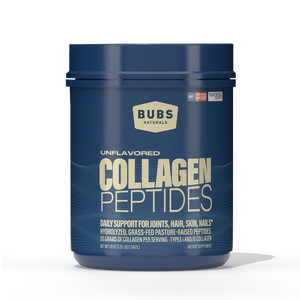
For those focusing on recovery, we often recommend pairing our creatine with our Collagen Peptides. While creatine works inside the muscle cell to provide energy and growth signals, collagen supports the connective tissues—the tendons and ligaments—that hold everything together. This combination ensures that as your muscles grow stronger and more capable, your "chassis" is strong enough to handle the increased load.
It is important to note that these effects don't happen in a vacuum. Creatine doesn't "build" muscle on its own while you sit on the couch. It provides the energetic environment and cellular signals that make your hard work more effective. When you combine a high-quality Creatine Monohydrate with consistent resistance training, the results are cumulative and significant.
Cognitive Benefits: The Brain on Creatine
Perhaps the most exciting area of modern research is how creatine affects the body's most energy-demanding organ: the brain. Although the brain only accounts for about 2% of your body weight, it consumes roughly 20% of your total energy. Just like your muscles, your neurons rely on ATP to function.
When you are faced with a complex task, a stressful situation, or even a lack of sleep, your brain’s energy demands skyrocket. Research has shown that creatine can cross the blood-brain barrier and increase the brain’s stores of phosphocreatine. This suggests that creatine may help maintain optimal brain function during metabolically demanding states.
Studies have indicated that creatine supplementation may improve short-term memory and reasoning, especially in individuals who are stressed or sleep-deprived. For the aging population, there is emerging evidence that maintaining adequate creatine levels may support cognitive health and offer neuroprotective benefits.
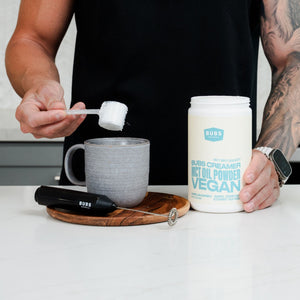
We believe that adventure requires a sharp mind as much as a strong body. This is why many members of our community enjoy mixing their creatine into their morning routine. For a cognitive boost, try adding our Creatine Monohydrate to your morning coffee along with our MCT Oil Creamer. While the creatine supports the cellular energy of your brain, the MCTs provide a quick, clean source of ketone energy. Together, they form a potent duo for mental clarity and focus as you tackle your daily challenges.
Creatine for Women: Breaking the Stigma
For too long, creatine was marketed almost exclusively to male bodybuilders. However, the way creatine affects the body is just as relevant—and in some ways, more significant—for women. Women often have naturally lower stores of creatine than men, and their levels can fluctuate based on hormonal changes during the menstrual cycle, pregnancy, and menopause.
For women, creatine can be a vital tool for maintaining lean muscle mass, which is a major factor in metabolic health and bone density. As women age and estrogen levels decline, the risk of sarcopenia (age-related muscle loss) and osteoporosis increases. Creatine, when combined with resistance training, has been shown to help counter these effects, supporting both muscle strength and bone mineral density.
Furthermore, the cognitive benefits of creatine can be particularly helpful for women during life stages where "brain fog" is common, such as postpartum or during menopause. By supporting the brain's energy metabolism, creatine provides a natural, non-stimulant way to stay sharp.
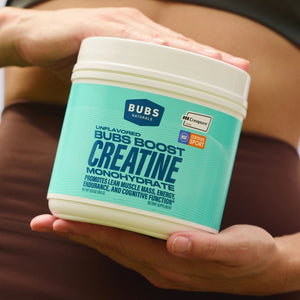
At BUBS, we want everyone to feel empowered to use the best tools available. Our Creatine Monohydrate is unflavored and mixes effortlessly, making it easy for anyone to add to a smoothie, a protein shake, or even just a glass of water. It is a simple addition with profound benefits for women’s long-term wellness and vitality.
Healthy Aging and Sarcopenia
Aging is an adventure of its own, but it comes with physiological challenges. One of the most significant is the gradual loss of muscle mass and strength, known as sarcopenia. This loss of muscle can lead to decreased mobility, a higher risk of falls, and a loss of independence.
The way creatine affects the body in older adults is a testament to its versatility. Research consistently shows that seniors who take creatine in conjunction with a strength-training program gain more muscle mass and functional strength than those who only exercise. This isn't about getting "bulky"; it's about being able to get out of a chair easily, carry your own luggage, and maintain a high quality of life.
In addition to muscle support, creatine may play a role in supporting heart health and managing healthy blood sugar levels, although more research is needed in these areas. What we do know is that a body with more muscle and better energy management is a more resilient body.
To support general wellness as we age, we often suggest a holistic approach. In addition to our Creatine Monohydrate, consider a daily dose of our Apple Cider Vinegar Gummies to support digestive health and our Vitamin C for antioxidant support. Wellness is a multi-faceted journey, and we are here to provide the clean ingredients you need at every stage.
Performance and Recovery: The Athlete's Edge
If you are an athlete, you are likely already familiar with the performance-enhancing aspects of creatine. But it’s not just about the "burst" during the workout; it’s about what happens after. How creatine affects the body during recovery is just as crucial as its role during exercise.
Intense exercise causes muscle damage and depletes glycogen stores. Research suggests that creatine can help speed up the replenishment of glycogen when taken with carbohydrates. This is essential for athletes who train multiple times a day or have back-to-back competitions.
Additionally, creatine has been shown to reduce markers of inflammation and oxidative stress following heavy training. This means you might feel less "beat up" after a grueling session, allowing you to return to training sooner and with more intensity.
For optimal recovery, hydration is key. Because creatine moves water into the muscle cells, your overall need for fluids and electrolytes may increase. We recommend using our Hydrate or Die - Lemon or Hydrate or Die - Mixed Berry to ensure your body has the sodium, potassium, and magnesium it needs to maintain proper balance. When your cells are properly hydrated and your ATP stores are being replenished, your body can move from a state of breakdown to a state of repair much more efficiently.
Safety, Myths, and the BUBS Quality Standard
Despite being one of the most researched supplements in the world, myths about creatine persist. You may have heard that it’s hard on the kidneys, causes hair loss, or is a "steroid." Let’s look at the facts.
Decades of clinical research have shown that for healthy individuals, creatine is safe and well-tolerated. It is not an anabolic steroid; it is a naturally occurring compound found in food and produced by your own body. Regarding kidney health, multiple long-term studies have shown no adverse effects on kidney function in healthy people when taken at recommended dosages. As always, we recommend that anyone with pre-existing kidney conditions consult with a healthcare professional before starting any new supplement.
The concern about hair loss stems from a single, small study on rugby players that has never been replicated. There is no direct evidence linking creatine monohydrate to baldness.
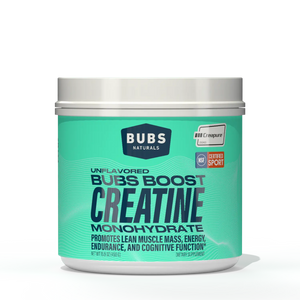
What is a concern is the quality of the supplement itself. Many products on the market are filled with "blends," artificial sweeteners, or unverified ingredients. This is where BUBS Naturals stands apart. Our Creatine Monohydrate is NSF for Sport Certified. This is the gold standard in the industry, ensuring that what is on the label is exactly what is in the tub, and that it is free from banned substances.
Our "no-BS" approach means we provide only the highest-purity creatine monohydrate. We don't add fillers or gimmicks. We believe that when you give your body clean, simple ingredients, it can perform at its best. This commitment to quality is part of how we honor Glen Doherty’s legacy—by doing things the right way, without shortcuts.
Dosing and Practical Integration: The BUBS Way
So, how do you actually use creatine to see the best results? There are two common approaches: the "Loading Phase" and the "Consistent Dose" method.
The Loading Phase involves taking about 20 grams of creatine a day (split into four doses) for 5-7 days. This quickly saturates your muscle stores. After that, you drop down to a maintenance dose of 3-5 grams per day. The alternative is to skip the loading and just take 3-5 grams daily. This will still get you to the same level of muscle saturation; it just takes about 3-4 weeks to get there. Many people prefer the consistent dose method as it is easier on the digestive system and avoids the initial water-weight fluctuations of a loading phase.
Creatine is incredibly versatile. Because our Creatine Monohydrate is micronized, it dissolves easily and has no taste. Here are a few ways we like to use it:
-
The Morning Ritual: Stir a scoop into your morning coffee along with our MCT Oil Creamer. It’s a great way to prime your brain and body for the day.
-
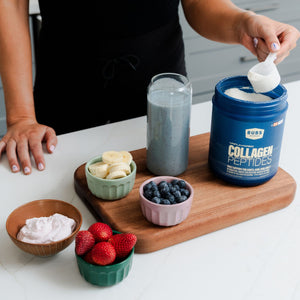
The Post-Workout Recovery: Mix it with a scoop of Collagen Peptides and a serving of Hydrate or Die - Lemon in your shaker bottle. This hits all the recovery bases: energy replenishment, tissue repair, and electrolyte balance.
-
The Simple Smoothies: Toss a scoop into any fruit or protein smoothie. It won't change the flavor, but it will certainly change the performance profile of your drink.
Remember, consistency is the key. The way creatine affects the body is cumulative. It’s about keeping those phosphocreatine stores topped off day after day, so you’re always ready for whatever adventure comes your way.
A Legacy of Purpose: The BUBS Difference
At BUBS Naturals, we aren't just selling supplements; we are building a community rooted in adventure, wellness, and a commitment to giving back. Every tub of Creatine Monohydrate you purchase supports a larger mission. We follow the 10% Rule: we donate 10% of all profits to veteran-focused charities in honor of Glen "BUB" Doherty.
Glen lived his life to the fullest, always seeking the next challenge and looking for ways to help those around him. We carry that spirit into everything we do. When you choose BUBS, you are choosing a brand that values integrity, rigorous testing, and real-world results. Whether you are scaling a mountain, training for a marathon, or simply striving to be the best version of yourself for your family, we want to be the fuel for that journey.
Understanding how creatine affects the body is about more than just knowing a few biological facts. It’s about realizing that you have the power to support your body’s natural energy systems, enhance your mental clarity, and protect your physical health for the long haul. It is a simple tool, backed by massive science, and delivered with a mission you can be proud to support.
Conclusion
From the rapid-fire regeneration of ATP to the support of cognitive function and the preservation of muscle mass in our later years, the impact of creatine on the human body is profound and multi-faceted. It is a fundamental molecule that bridges the gap between nutrition and peak performance. By increasing the body’s phosphocreatine stores, you are providing your cells with the "extra gear" they need to perform, recover, and thrive.
Throughout this guide, we have explored how this simple compound supports explosive power, aids in muscle growth through cell volumization, and even provides a metabolic safety net for the brain. We have seen how it benefits everyone from elite athletes to women seeking hormonal balance and seniors striving for functional independence. When paired with a healthy lifestyle and other supportive tools like Hydrate or Die - Mixed Berry and Collagen Peptides, creatine becomes a cornerstone of a comprehensive wellness strategy.
We believe in the power of simple, clean, and effective ingredients. Our Creatine Monohydrate is more than just a supplement; it is an invitation to live a life of adventure and purpose, fueled by the best that science and nature have to offer.
Are you ready to see how a more energized, resilient body can change your daily life? We invite you to explore the science for yourself. Take the next step in your wellness journey, support a great cause, and feel the BUBS difference. Shop our Creatine Monohydrate today and start building your own legacy of strength and health.
FAQ
Does creatine cause weight gain or bloating?
When you first begin taking creatine, you may notice a slight increase in body weight. This is generally not fat gain, but rather "water weight" as creatine draws more water into your muscle cells. This process, called cell volumization, is actually a positive sign that the creatine is reaching its destination and supporting an anabolic environment. Most people find that any initial "bloating" is mild and subsides as the body adjusts, especially if they skip the high-dose loading phase and stick to a consistent 3-5 gram daily dose.
Can I take creatine if I don’t lift heavy weights?
Absolutely. While creatine is famous for its benefits in the weight room, the way it affects the body extends to anyone with high energy demands. This includes endurance athletes, people with cognitively demanding jobs, and older adults looking to maintain their independence. Because creatine supports brain health and cellular energy management, it can be a valuable addition to your routine even if your primary focus isn't building massive muscle.
Is it better to take creatine before or after a workout?
The most important factor with creatine is consistency rather than exact timing. The goal is to keep your muscle stores fully saturated over time. Some people prefer taking it post-workout because it may help with glycogen replenishment when consumed with a meal or shake. Others find it easier to remember as part of their morning routine. Our Creatine Monohydrate can be taken whenever it best fits your schedule—just make sure to take it every day.
Does creatine interact with other supplements like caffeine or hydration products?
Creatine is very "stackable." It works exceptionally well with products like Hydrate or Die - Lemon, as the electrolytes help manage the water shifts that creatine creates. While some old studies suggested a potential minor interference with very high doses of caffeine, modern research generally shows that taking them together is perfectly fine for most people. In fact, many athletes use them together to support both focus and power. Always listen to your body and consult with a professional if you have specific concerns about your supplement stack.