Table of Contents
- Introduction
- The Storage Mechanism: How Your Body Holds Creatine
- Blood Plasma vs. Muscle Tissue: Two Different Timelines
- The Washout Period: A Week-by-Week Breakdown
- Factors That Influence How Long Creatine Stays in Your System
- Why Consistency Trumps Cycling
- The Role of Creatinine and Drug Testing
- Supporting Your Body’s Internal Environment
- Practical Tips for Managing Your Creatine Levels
- Conclusion
- FAQ
Introduction
If you are a regular in the gym or an endurance athlete pushing your limits on the trail, you probably know that creatine is one of the most effective tools in your arsenal. It is a staple for a reason: it works. But whether you are planning a break from your routine or just curious about how your body processes supplements, you might find yourself asking exactly how long that extra boost remains in your system.
At BUBS Naturals, we believe in providing clear, science-backed information so you can make the best decisions for your performance and longevity. Understanding the timeline of creatine retention is essential for anyone who takes their training seriously. It helps you manage your expectations and ensures you do not lose the hard-earned progress you have made during your training blocks.
This guide explores the physiological journey of creatine, from the moment it enters your bloodstream to the weeks it spends stored in your muscle tissue. We will break down the "washout period," explain why blood levels and muscle levels differ, and discuss the factors that determine how your body holds onto this vital compound. Our goal is to help you understand how to keep your internal battery charged for whatever adventure comes next.
Quick Answer: Creatine clears your bloodstream within 24 hours, but it stays stored in your muscle tissue for much longer. If you have reached full muscle saturation, it typically takes 4 to 8 weeks for your creatine levels to return to their natural baseline after you stop supplementing.
The Storage Mechanism: How Your Body Holds Creatine
To understand how long creatine stays in your system, you have to understand where it lives. Creatine is not just a supplement; it is a nitrogenous organic acid that your body produces naturally in the liver, kidneys, and pancreas. You also get it from foods like red meat and fish. About 95% of the creatine in your body is stored in your skeletal muscle. The remaining 5% is found in your brain and other tissues.
Within the muscle, creatine is converted into phosphocreatine. This is your "backup battery." When you engage in high-intensity movement—like a heavy set of squats or a 40-yard dash—your cells use a molecule called adenosine triphosphate (ATP) for energy. Your body only stores enough ATP for a few seconds of peak effort. Phosphocreatine "donates" a phosphate group to turn used-up energy (ADP) back into fresh energy (ATP).
Because the vast majority of your creatine is tucked away inside your muscle cells, it does not just disappear when you stop taking your daily scoop. It is a slow-release system. Your body uses and breaks down a small percentage of these stores every single day, which is why the "washout" takes weeks rather than hours. For more on how creatine supports cellular energy, explore this guide to Creatine Monohydrate.
Blood Plasma vs. Muscle Tissue: Two Different Timelines
One of the most common points of confusion is the difference between how long creatine stays in your blood and how long it stays in your muscles. These are two completely different physiological processes.
The Blood Phase (The Highway)
When you take a dose of creatine, it enters your bloodstream through the gastrointestinal tract. Peak concentration in your blood plasma usually occurs within one to two hours. The "half-life" of creatine in the blood is relatively short, lasting about 2.5 to 3 hours. This means your body is very efficient at either moving that creatine into your muscles or filtering it out through your kidneys. Within 12 to 24 hours of your last dose, supplemental creatine will be almost entirely gone from your blood.
The Muscle Phase (The Warehouse)
The muscle tissue is where the real retention happens. Think of your blood as the delivery truck and your muscles as the warehouse. Even after the delivery trucks stop running, the warehouse remains full. If you have been supplementing consistently to reach "saturation"—the point where your muscles are holding as much phosphocreatine as possible—your stores are deep. This is why the benefits of creatine do not vanish the moment you skip a day.
Key Takeaway: While creatine clears your blood in less than a day, it remains stored in your muscle tissue for several weeks. This stored phosphocreatine continues to support energy production even after you stop active supplementation.
The Washout Period: A Week-by-Week Breakdown
If you decide to stop taking creatine, your body undergoes a "washout period." This is the time it takes for your muscle stores to return to their natural, pre-supplementation baseline. For most people, this takes between 4 and 8 weeks.
Week 1: The Peak
During the first week after stopping, you likely won't feel any difference. Your muscles are still near maximum saturation. You still have that extra "charge" available for your workouts. Your strength and power output should remain largely unchanged.
Weeks 2 to 4: The Gradual Dip
By the second and third week, your stores begin to drop. Your body naturally breaks down about 1% to 2% of its creatine stores every day, turning it into a waste product called creatinine. As these stores decline, you might notice a slight decrease in muscle "fullness." This is because creatine draws water into the muscle cells. As the creatine levels drop, that extra intracellular water also begins to leave.
Weeks 5 to 8: Return to Baseline
By the end of the second month, your body has typically returned to its natural state. You are now relying entirely on the 1 to 2 grams of creatine your body produces daily and whatever you get from your diet. At this point, the performance advantages—the ability to grind out those last two reps or recover faster between sets—will have likely faded.
Factors That Influence How Long Creatine Stays in Your System
Every person processes supplements differently. Several biological and lifestyle factors determine whether you fall on the shorter or longer end of the retention spectrum.
Muscle Mass
The more skeletal muscle you have, the more storage space you have for creatine. A person with significantly more muscle mass can store more phosphocreatine, which may lead to a longer washout period. Larger storage tanks take longer to empty.
Activity Level and Intensity
If you are training at a high intensity, you are burning through your phosphocreatine stores to regenerate ATP. If you stop supplementing but continue to train with high volume and intensity, you will likely deplete your stores faster than someone who is sedentary. Your "burn rate" dictates how quickly you reach your baseline.
Hydration and Kidney Function
Creatinine, the byproduct of creatine breakdown, is excreted through the urine. Your kidneys are responsible for this filtration. If you are well-hydrated, your body can move these waste products through your system efficiently. This is one reason why we emphasize hydration as a cornerstone of performance. If you are looking for a way to support this process, our Hydrate or Die electrolytes can help maintain the fluid balance necessary for proper nutrient transport and waste removal.
Your Baseline Diet
If you are a vegetarian or vegan, your natural baseline for creatine is likely lower because you do not consume animal proteins. In this case, you might notice the "drop" more significantly when you stop supplementing, as your body has fewer external sources to draw from.
Myth: You need to "cycle" creatine to prevent your body from losing its ability to produce it naturally.
Fact: Research shows that your body’s natural creatine production resumes its normal rate once you stop supplementing. There is no evidence that long-term use "shuts down" your natural production or that cycling provides any additional performance benefits.
Why Consistency Trumps Cycling
In the early days of sports supplements, many people believed they needed to cycle off creatine every few months. The idea was to "reset" the body. However, modern science has largely debunked this. Creatine is safe for long-term use, and studies have followed participants for up to five years without finding adverse effects in healthy individuals.
When you stay consistent, you keep those muscle stores at 100%. This provides a reliable foundation for your training. When you cycle off, you are essentially letting your battery drain, only to have to recharge it again later. This recharge period, often called a "loading phase," involves taking higher doses to reach saturation again, which can sometimes lead to minor digestive discomfort.
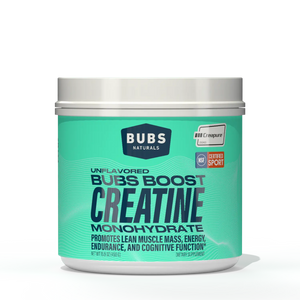
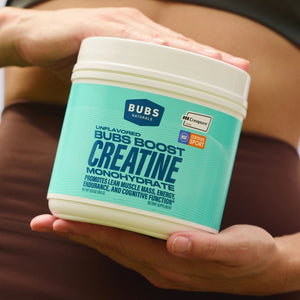
By maintaining a steady daily dose, such as 5 grams of our Creatine Monohydrate, you avoid the fluctuations in performance and the need for repetitive loading phases. Our formula is a single-ingredient, clean product designed to mix easily into your daily routine without any of the fillers or "BS" that can interfere with your goals.
The Role of Creatinine and Drug Testing
A common question for athletes in competitive sports is whether creatine will show up on a drug test. Creatine is a natural substance and is not a banned performance-enhancing drug. It is legal in the NCAA, the Olympic games, and professional sports leagues.
However, it is important to understand that because creatine breaks down into creatinine, it can affect your urine test results. Drug testing labs often look at creatinine levels to see if a sample has been diluted (by drinking excessive water to "mask" other substances). If you are supplementing heavily, your creatinine levels might be higher than average. This is not a "fail," but it is something to be aware of if you are undergoing professional screening. This is also why choosing an NSF for Sport certified product like ours is so critical—it ensures that what is on the label is exactly what is in the tub, with no banned contaminants.
Supporting Your Body’s Internal Environment
While creatine is doing its work inside the muscle cells, your overall internal environment matters for how well you utilize it. Performance is about more than just one ingredient; it is about how those ingredients work together to support your lifestyle.
For example, your body needs a healthy metabolic environment to process and transport nutrients. Many people find that adding a clean fat source, like our MCT Oil Creamer, to their morning routine helps provide sustained mental energy that complements the physical energy provided by creatine.
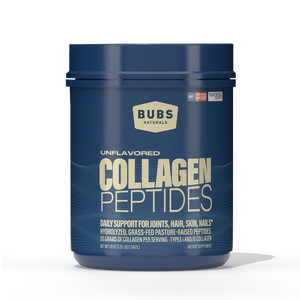
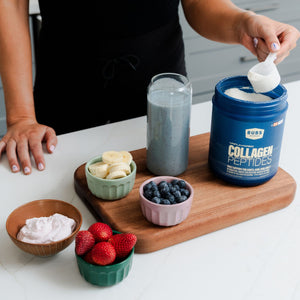
Similarly, the health of your connective tissues—your joints, tendons, and ligaments—is what allows you to use the strength that creatine helps you build. Supplementing with Collagen Peptides can help support the structural integrity of your body, ensuring that as your muscles get stronger and your power output increases, your frame can handle the load. When your joints feel good, you can train harder, which in turn helps you maximize the utility of the creatine stored in your muscles.
Practical Tips for Managing Your Creatine Levels
If you are concerned about how long creatine stays in your body because you have an upcoming trip or a period where you cannot train, keep these practical points in mind:
-
Don't Sweat a Missed Day: If you miss one or two doses, your muscle stores will not drop significantly. Just resume your normal dose the next day.
-
Maintenance Over Loading: If you have already been taking it for a month, you are likely at full saturation. A maintenance dose of 3 to 5 grams is all you need to stay topped off.
-
Hydration is Mandatory: Since creatine moves water into your cells, you need to drink more water than the average person. Use an electrolyte supplement if you are training in the heat or for long durations.
-
Quality Matters: Use a pure monohydrate. It is the most studied form and has the most reliable data regarding how long it stays in your system and its safety profile.
Bottom line: You have a 4 to 8-week "buffer" before your creatine stores return to baseline, but consistency is the key to maintaining peak performance.
Conclusion
Understanding how many days creatine stays in the body gives you the confidence to manage your supplementation without fear of losing your progress. While it clears your blood quickly, the deep stores in your muscles provide a lasting reservoir of energy that supports your performance long after your last dose. Whether you are at the peak of a training cycle or taking a well-deserved rest, your body is designed to manage these energy reserves with remarkable efficiency.
At BUBS Naturals, our mission is to help you live a life of adventure and purpose, backed by the cleanest and most effective supplements available. We are proud to honor the legacy of Glen "BUB" Doherty by donating 10% of all our profits to veteran-focused charities. When you choose our products, you are not just investing in your own wellness; you are contributing to a larger mission of service and sacrifice. Learn more about the BUBS story and 10% Rule.
Focus on the fundamentals: stay consistent with your routine, keep your hydration on point, and trust the process. Your body is capable of incredible things when you give it the right fuel and the time to use it.
"The only way to find your limits is to keep reaching for them."
Take the next step in your performance journey with a clean, NSF for Sport certified Creatine Monohydrate that fits your active lifestyle.
FAQ
Does creatine show up on a drug test?
No, creatine is a legal and natural substance that is not screened for by major sports organizations or employers. However, it can raise the levels of creatinine in your urine, which labs sometimes use to check for sample dilution. Using a third-party tested product ensures there are no banned substances in your supplement.
How long does it take for creatine to leave your system completely?
It typically takes between 4 and 8 weeks for your muscle creatine levels to return to their natural baseline once you stop supplementing. While it clears your bloodstream within 24 hours, the phosphocreatine stored in your muscle tissue breaks down slowly at a rate of about 1-2% per day.
Will I lose muscle if I stop taking creatine?
You will not lose actual muscle fiber, but you may notice a slight decrease in muscle "fullness" or weight. This is because creatine causes your muscles to hold more intracellular water. Once the creatine leaves your system, that extra water volume also diminishes, though your actual lean muscle mass remains.
Do I need to drink more water because creatine stays in my body?
Yes, because creatine draws water into your muscle cells to support energy production, your overall hydration needs increase. Staying well-hydrated helps your kidneys process the natural breakdown of creatine into creatinine and ensures your muscles can perform at their best.