Table of Contents
- Introduction
- The Origin of the Creatine Heat Myth
- How Your Body Manages Heat During Exercise
- Creatine and Intracellular Hydration
- What the Research Says About Heat Tolerance
- The Role of Electrolytes and Hydration
- Practical Tips for Training in the Heat
- Creatine and Cold Plunges: A Different Thermal Question
- Myth vs. Fact: Creatine Edition
- How to Choose the Right Creatine
- The Bottom Line on Creatine and Body Heat
- Conclusion
- FAQ
Introduction
You’ve likely felt the mid-workout furnace kick in during a heavy set of squats or a long run in the July humidity. When you're pushing your limits, your core temperature naturally rises, leading to the inevitable sweat and fatigue. If you use supplements to boost your performance, you might wonder if those tools are adding fuel to the fire. A common question among athletes and fitness enthusiasts is whether does creatine increase body heat or lead to dangerous overheating during intense training.
At BUBS Naturals, we believe in providing clear, science-backed answers so you can train with confidence and purpose. There is a long-standing myth that creatine causes dehydration, cramping, and heat intolerance. In this guide, we will break down the latest research on how creatine actually interacts with your body’s internal thermostat and hydration levels. We’ll show you why this supplement is not only safe for hot-weather training but might actually be one of your best allies when the temperature climbs.
If you want to explore the category this product lives in, start with our Boosts collection.
Quick Answer: No, creatine does not increase body heat or impair your body’s ability to regulate temperature. Research shows that creatine actually increases total body water, which may help you stay hydrated and maintain a stable core temperature during exercise in hot environments.
The Origin of the Creatine Heat Myth
To understand why people ask if creatine increases body heat, we have to look back at the late 1990s. In 1997, three high school and collegiate wrestlers tragically passed away during weight-cutting cycles. Because these athletes were reportedly using creatine, the media and some medical organizations quickly pointed a finger at the supplement. They speculated that creatine was causing severe dehydration and heat illness.
However, follow-up investigations and official autopsies revealed a different story. The deaths were caused by extreme "weight-cutting" practices, including wearing rubber suits in saunas and severe fluid restriction—not the supplement. Despite the evidence, the idea that creatine "dries you out" or makes you prone to overheating stuck in the public consciousness.
For years, even major athletic organizations cautioned against using creatine in hot environments. They feared it would shift water into the muscles and away from the rest of the body, leaving athletes vulnerable to heat stroke. We now know, through decades of clinical trials, that these fears were unfounded.
How Your Body Manages Heat During Exercise
To see how creatine fits into the picture, we first need to understand thermoregulation. This is the process your body uses to keep its internal temperature around 98.6 degrees Fahrenheit. When you exercise, your muscles burn fuel to create energy (ATP). A byproduct of this process is metabolic heat.
As your core temperature rises, your brain triggers two main cooling mechanisms:
-
Vasodilation: Your blood vessels expand, sending more warm blood to the surface of your skin to release heat into the air.
-
Sweating: Your sweat glands release fluid onto the skin. As that fluid evaporates, it carries heat away from the body.
If these systems fail—usually due to dehydration or extreme humidity where sweat cannot evaporate—your core temperature can spike to dangerous levels. The concern was that creatine would interfere with this by hogging all the body's water inside the muscle cells, leaving none for the sweat glands or the blood.
Creatine and Intracellular Hydration
Creatine works by increasing the amount of phosphocreatine stored in your muscles. This helps you regenerate energy faster during high-intensity movements. Because creatine is "osmotically active," it pulls water with it as it enters the muscle cells.
This process is known as cellular swelling or intracellular hydration. It is one of the reasons people often see a slight increase in body weight when they start taking creatine—it is literally water being stored inside the muscle.
Crucially, research has shown that this water isn't "stolen" from your blood or your sweat glands in a way that hurts your performance. Instead, it increases your Total Body Water (TBW). By increasing the total amount of fluid your body holds, creatine acts like a built-in reservoir.
Key Takeaway: Creatine does not move a fixed amount of water from one place to another; it increases the total amount of water your body retains. This extra fluid can actually provide a buffer against dehydration during long, hot training sessions.
What the Research Says About Heat Tolerance
Multiple high-quality studies have put the "heat myth" to the test. In one prominent study, researchers monitored athletes during a week-long creatine loading phase (20 grams per day). The athletes performed intense exercise in temperatures reaching 92 degrees Fahrenheit with high humidity.
The results were clear:
-
Core Temperature: There was no significant difference in rectal temperature between those taking creatine and those taking a placebo.
-
Sweat Rate: Creatine did not stop the athletes from sweating or reduce the efficiency of their cooling systems.
-
Heart Rate: Cardiovascular responses remained stable, showing that the heart wasn't working harder due to "thickened" blood or dehydration.
Another systematic review of 10 different clinical trials concluded that no evidence exists to support the idea that creatine hinders heat dissipation. In fact, some studies suggested that the extra water stored in the muscles might slightly lower core temperature during the early stages of a workout. This suggests that instead of making you hotter, creatine might actually help keep you cool.
For a deeper dive into this topic, read our post on Optimizing Your Hydration with Creatine Monohydrate.
The Role of Electrolytes and Hydration
While we know creatine doesn't cause overheating, it is not a magic shield against the sun. If you are training in extreme heat, you are still losing water and essential minerals through your sweat.
Creatine helps with the "water" part of the equation by keeping it inside the cells, but you still need to manage your "electrolytes." Electrolytes like sodium, potassium, and magnesium are the electrical signals that tell your muscles when to contract and your brain how to communicate with your body.
If you take creatine but neglect your electrolyte intake, you may still experience the very symptoms—cramping and fatigue—that people wrongly blame on creatine. This is why we developed our Hydrate or Die® Electrolytes. It is designed to complement an active lifestyle, ensuring that while your creatine handles the cellular energy, your electrolytes handle the fluid balance and nerve function.
Practical Tips for Training in the Heat
If you are an athlete who trains outdoors or in a hot gym, you can continue using your creatine without fear. However, you should follow a few best practices to ensure you are getting the most out of your supplements and staying safe.
1. Maintain Consistent Dosing
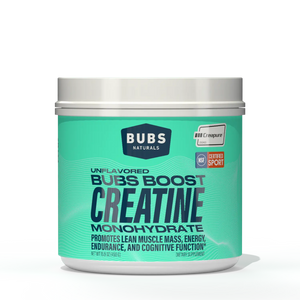
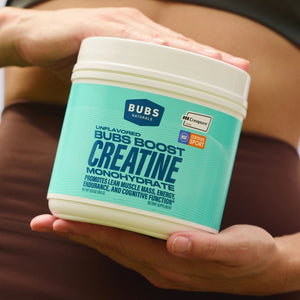
You don't need to "load" creatine (taking 20g a day) to see results. A consistent daily dose of 5 grams is enough to keep your muscle stores saturated. Our Creatine Monohydrate is a single-ingredient, unflavored powder that makes this easy. It is NSF for Sport certified, meaning it’s tested for purity and safety, which is essential for athletes who can’t afford any "BS" in their supplements.
2. Prioritize Pre-Hydration
Don't wait until you are thirsty to start drinking water. If you are going into a hot environment, aim to have pale straw-colored urine before you start. Since creatine increases your body's water demand, you may find you need an extra 8–16 ounces of water per day compared to when you aren't using it.
3. Don't Skip the Salt
As mentioned, electrolytes are the key to making that water work. When you sweat, you lose sodium. If you only drink plain water, you can actually dilute your body’s salt levels, which leads to "hyponatremia" and can cause dizziness or confusion. Pair your water with a high-quality electrolyte source to stay balanced.
4. Listen to Your Body
Even with the best supplements, the heat is a formidable opponent. If you feel lightheaded, nauseous, or stop sweating, those are signs of heat exhaustion. Stop, find shade, and cool down immediately. Creatine won't cause these issues, but it also won't make you invincible to the elements.
Creatine and Cold Plunges: A Different Thermal Question
While most people worry about heat, some also wonder about the opposite: cold. With the rise in popularity of cold-water immersion (ice baths), many athletes wonder if their creatine use is affected by the cold.
Recent research suggests that the timing of your "thermal stress" matters more than the supplement itself. While creatine supports muscle growth, taking a cold plunge immediately after a heavy lifting session might actually blunt the signals that tell your muscles to grow. This is because the cold reduces blood flow and inflammation—two things you actually want a little of right after a workout to trigger repair.
If your goal is maximum muscle size, we recommend taking your creatine daily but saving the cold plunge for several hours after your workout or on a rest day. This allows the creatine to do its job during the recovery window without the cold interfering with the growth process.
Myth vs. Fact: Creatine Edition
Myth: Creatine causes muscle cramps and "heat illness."
Fact: Clinical studies show that creatine users often have lower rates of cramping and heat-related injuries than non-users, likely due to better intracellular hydration.
Myth: You should stop taking creatine in the summer or before a race in the heat.
Fact: Stopping creatine can actually decrease your total body water, potentially making you more susceptible to dehydration during thermal stress.
Myth: Creatine is bad for your kidneys when it's hot.
Fact: For healthy individuals, there is no evidence that creatine damages the kidneys, even during strenuous exercise in hot environments.
How to Choose the Right Creatine
The market is full of "fancy" versions of creatine—nitrates, hydrochloride, and liquid formulas. However, almost all the research regarding heat tolerance and performance was conducted using Creatine Monohydrate.
It is the most studied, most effective, and most stable form of the supplement. When we designed our version, we kept it simple. We use pure creatine monohydrate with no fillers or additives. It’s designed to mix effortlessly into your morning coffee, a post-workout shake, or just a glass of water. Because it's NSF for Sport certified, you know exactly what’s going into your body.
If you want the product-level details, check out our Creatine Monohydrate page.
The Bottom Line on Creatine and Body Heat
The science is settled: creatine does not increase body heat. It does not cause dehydration, it does not stop you from sweating, and it does not lead to heat exhaustion. Instead, it helps your body retain a healthy amount of fluid inside your muscle cells, which can actually help you manage the demands of training in hot weather.
When you use high-quality supplements and maintain proper hydration habits, you are equipping your body to perform at its peak, regardless of the temperature.
Bottom line: Creatine is a safe and effective tool for athletes in any climate. By increasing total body water, it supports performance and core temperature stability rather than hindering it.
Conclusion
Staying active and pushing your limits is part of the adventure. Whether you are rucking under the sun, hitting a PR in a humid garage, or training for a marathon, your supplements should support your goals, not hold you back. We focus on "no BS" ingredients because we know that when you're out there giving it your all, you need products that work as hard as you do.
Our mission is bigger than just supplements. We are a purpose-driven brand, and we are proud to donate 10% of all our profits to veteran-focused charities. This is our way of honoring the life and legacy of Glen "BUB" Doherty—a Navy SEAL, hero, and friend who lived a life of adventure and service. You can learn more about that commitment in our Giving Back to Veterans & Our Communities story and on Our Story.
If you’re ready to see what a clean, professional-grade supplement can do for your performance, we invite you to try our Creatine Monohydrate. It’s one scoop a day to help you feel the difference and push through the heat.
FAQ
Does creatine make you sweat more?
There is no clinical evidence that creatine directly increases your sweat rate. However, because creatine helps you retain more total body water, your body has a healthy supply of fluid to use for cooling via sweat during intense exercise.
Can I take creatine if I work outdoors in the heat?
Yes, many people who work in demanding, high-heat environments find that creatine helps them maintain energy and hydration. Just ensure you are also consuming enough water and electrolytes throughout the day to replace what you lose through sweat.
Should I drink more water when taking creatine in the summer?
Since creatine pulls water into your muscles, it is generally a good idea to increase your overall fluid intake slightly. A good rule of thumb is to add an extra 8 to 16 ounces of water to your daily routine, especially if you are active in the heat.
Does creatine cause bloating in hot weather?
While some people experience a slight increase in "water weight" when they first start creatine, this is water stored inside the muscle cells, not under the skin. This "intracellular" hydration is actually beneficial for muscle function and does not typically lead to the uncomfortable bloating associated with high-salt diets or digestive issues.