Table of Contents
- Introduction
- Understanding the Fundamentals of Creatine
- Does Creatine Affect Body Fat Percentage? The Direct Answer
- The Science of Creatine for Different Age Groups
- The "Water Weight" Myth and the Scale
- Indirect Pathways: How Creatine Supports Fat Loss
- A Day in the Life: Integrating BUBS for Body Composition
- The BUBS Difference: Quality and Purpose
- Common Concerns and Counterarguments
- Practical Steps for Success
- Measuring Progress Beyond the Scale
- Creatine and Long-Term Wellness
- Conclusion
- FAQ
Introduction
If you walked into a gymnasium thirty years ago and asked about creatine, you would likely have been directed to the heaviest lifter in the room. For decades, this powerhouse supplement was viewed strictly through the lens of "bulking"—a tool for packing on massive amounts of size and weight. But as our understanding of human physiology and sports nutrition has evolved, a new question has emerged among those chasing a leaner, more defined physique: Does creatine affect body fat percentage? There is a persistent myth that creatine makes you "puffy" or "fat," leading many people who are trying to lean out to avoid it entirely. At BUBS Naturals, we believe in cutting through the noise with a no-BS approach to wellness, and that means looking at the science to see how this simple ingredient actually interacts with your body’s fat stores and metabolic rate.
The significance of this topic cannot be overstated. With rising rates of adiposity across all age groups, finding safe, effective, and science-backed ways to support a healthy body composition is a top priority for our community. Whether you are a young athlete trying to sharpen your edge or someone over 50 looking to maintain vitality and metabolic health, understanding the role of Creatine Monohydrate is essential. Our mission is to provide you with the cleanest, most effective functional supplements, inspired by the legacy of Glen “BUB” Doherty—a man who lived for adventure and peak performance. In this article, we will explore the nuances of how creatine impacts body composition, the difference between absolute fat mass and body fat percentage, and why the scale might be lying to you during your first week of supplementation.
By the time you finish reading, you will understand the indirect but powerful ways creatine supports fat loss and muscle preservation. We will break down recent meta-analyses covering both young and aging populations, address the "water weight" phenomenon, and show you how to integrate Creatine Monohydrate into a lifestyle that prioritizes longevity and performance. Our goal is to empower you with the knowledge to make informed decisions for your unique wellness journey, ensuring you have the tools to live a life of purpose and adventure.
Understanding the Fundamentals of Creatine
Before we can answer if creatine affects body fat percentage, we need to understand what it is and what it isn't. Creatine is not a stimulant, a hormone, or a "fat burner" in the traditional sense. It is a naturally occurring organic acid produced in the liver, kidneys, and pancreas from three amino acids: arginine, glycine, and methionine. While our bodies produce about one gram per day, and we get a small amount from red meat and fish, supplementation is often required to reach "muscle saturation"—the point where our muscles have enough stored creatine to significantly impact performance.
About 95% of the body's creatine is stored in skeletal muscle in the form of phosphocreatine. This is the "backup battery" for your cells. When you perform high-intensity tasks like sprinting or heavy lifting, your muscles use Adenosine Triphosphate (ATP) for energy. However, ATP stores are depleted in seconds. Phosphocreatine steps in to donate a phosphate molecule to turn used-up ADP back into fresh ATP, allowing you to sustain high-power output for just a few seconds longer.
At BUBS Naturals, we focus on the highest quality Creatine Monohydrate because it is the most researched and proven form of the supplement. It is the gold standard for safety and efficacy. When you think about our "10% Rule"—donating 10% of profits to veteran charities—you realize that our commitment to quality is rooted in a purpose larger than just fitness; it’s about providing the best possible tools for those who strive to be their best.
Does Creatine Affect Body Fat Percentage? The Direct Answer
When we look at the question "does creatine affect body fat percentage," the answer is a nuanced yes, but perhaps not in the way you expect. It is important to distinguish between "fat mass" (the total pounds of fat on your body) and "body fat percentage" (the ratio of fat to total body weight).
Recent scientific reviews have shown that when adults combine resistance exercise with Creatine Monohydrate, they often experience a significant reduction in body fat percentage. For example, a meta-analysis of adults under 50 years of age found a small but statistically significant reduction in body fat percentage (about -1.19%) when using creatine compared to a placebo. Interestingly, the same study showed that the absolute fat mass—the actual weight of the fat—didn't necessarily drop significantly more than the placebo group.
Wait, how can your fat percentage go down if your fat mass stays the same? This is what we call the "denominator effect." Because creatine is so effective at helping you build and retain lean muscle mass, your total body weight increases (or stays the same while muscle replaces fat), making your fat mass a smaller percentage of your total body composition. This is the definition of body recomposition: losing fat and gaining muscle simultaneously to look leaner and feel stronger.
The Science of Creatine for Different Age Groups
The impact of creatine on body fat percentage varies slightly depending on your stage of life. However, the common thread across all age groups is that it supports the body's natural functions when paired with an active lifestyle.
Adults Under 50: Performance and Recomposition
For the younger demographic, the primary goal is often performance and aesthetic "toning." In these individuals, creatine allows for a higher volume of training. If you can perform 12 reps of a heavy squat instead of 10, you are creating more metabolic stress and mechanical tension, which leads to more muscle growth over time. As you build this muscle, your body fat percentage naturally drops. Even if you aren't strictly trying to "lose weight," using Creatine Monohydrate can help shift your composition toward a more athletic profile.
Adults Over 50: Combating Sarcopenia
As we age, we face a natural decline in muscle mass known as sarcopenia. This decline is often accompanied by an increase in fat mass, particularly visceral fat around the midsection. Studies on adults over 50 have shown that creatine combined with resistance training can help reverse this trend. One meta-analysis of older adults showed a 0.55% greater reduction in body fat percentage compared to those who only exercised without creatine. For this group, creatine is a vital tool for maintaining metabolic health and mobility, ensuring that adventure remains a part of life long into the later decades.
The "Water Weight" Myth and the Scale
One of the biggest reasons people fear that creatine will make them fat is the immediate jump in scale weight. It is common for users to gain 2 to 5 pounds within the first week of using Creatine Monohydrate. However, this is not fat. It is intracellular water retention.
Creatine is osmotically active, meaning it draws water into the muscle cells. This is actually a positive thing! Intracellular hydration is a signal for muscle protein synthesis and helps the muscle function more efficiently. It makes the muscles look fuller and harder, not soft or "bloated." Bloating usually refers to extracellular water retention (water outside the cells, under the skin), which is often caused by poor diet or high sodium intake, not by creatine.
When you see that initial bump on the scale, don't panic. Your body fat percentage is actually likely going down because you are increasing your "lean" mass (which includes water in the muscles). To ensure your body manages this fluid properly, we always recommend pairing your routine with the Hydrate or Die electrolyte series. Proper mineral balance—sodium, potassium, and magnesium—helps your body utilize that extra water for performance rather than just letting it sit.
Indirect Pathways: How Creatine Supports Fat Loss
While creatine doesn't directly oxidize fat cells, it creates an environment where fat loss is much easier to achieve. Let’s look at the indirect ways Creatine Monohydrate helps you lean out.
1. Increased Metabolic Rate
Muscle tissue is more metabolically active than fat tissue. By helping you build more muscle, creatine indirectly increases your Resting Metabolic Rate (RMR). This means you burn more calories even when you are sitting at your desk or sleeping. Over months and years, this "metabolic engine" makes it significantly easier to maintain a low body fat percentage.
2. Muscle Preservation During Calorie Deficits
When you are trying to lose body fat, you typically consume fewer calories than you burn. The danger here is that the body might break down muscle tissue for energy. Creatine acts as a "muscle sparer." By maintaining ATP levels and cellular hydration, it signals to the body to keep the muscle and burn the fat instead. This is why many athletes continue to use creatine during a "cutting" phase.
3. Enhanced Training Intensity
Fat loss is ultimately a result of a calorie deficit and metabolic demand. By allowing you to train harder, faster, and longer, creatine increases the "calories out" side of the equation. Whether you're doing a heavy lifting session or a high-intensity interval training (HIIT) workout, having more available ATP means you can push your limits. To keep your energy levels consistent during these grueling sessions, many of our community members mix MCT Oil Creamer into their pre-workout coffee for a clean, sustained energy source.
A Day in the Life: Integrating BUBS for Body Composition
To see how Creatine Monohydrate fits into a lifestyle focused on adventure and fat management, let’s look at a typical day for a BUBS athlete.
Morning:
Start the day with a focused mind. Many people find that mental clarity is the first step toward a healthy body. Mix a scoop of MCT Oil Creamer into your morning coffee. The medium-chain triglycerides provide quick fuel for the brain and can help support a healthy metabolism throughout the morning. For those who want to support digestive health right away, a couple of Apple Cider Vinegar Gummies provide a convenient way to start the day on a "clean" note.
Mid-Day Training:
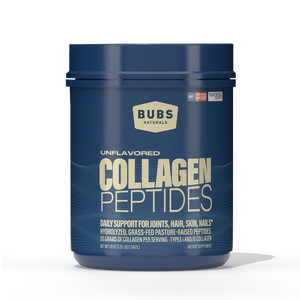
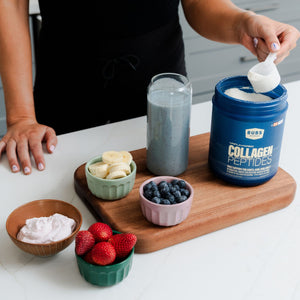
Before or after your workout, consistency is key for creatine. Mix 5 grams of Creatine Monohydrate into a shaker. Because our creatine is micronized and unflavored, it dissolves instantly. To maximize recovery and support joint health, add a scoop of Collagen Peptides. Resistance training is hard on the tendons and ligaments; collagen provides the necessary amino acids to keep your "chassis" strong while you build the "engine" with creatine.
Post-Workout Hydration:
Recovery doesn't end when you leave the gym. To combat the sweat loss and help the creatine reach your muscle cells, mix a stick of Hydrate or Die - Lemon into 16 ounces of water. This ensures your electrolyte balance is restored, preventing the fatigue and cramping that can derail your consistency.
Evening:
As you wind down, supporting your immune system and further collagen formation is a smart move. A Vitamin C supplement helps with antioxidant activity and works synergistically with the collagen you took earlier in the day.
The BUBS Difference: Quality and Purpose
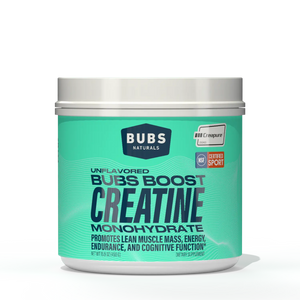
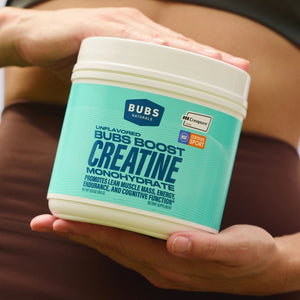
Not all supplements are created equal. When you’re asking "does creatine affect body fat percentage," the quality of the product you’re using matters. Many cheaper versions of creatine contain fillers or are processed in facilities that don't adhere to the strictest standards. BUBS Naturals Creatine Monohydrate is NSF for Sport certified. This is the highest standard in the industry, ensuring that what is on the label is in the bag, and nothing else.
Our commitment to a "No-BS" approach means we only use ingredients that serve a purpose. We don't add artificial sweeteners, dyes, or unnecessary flowing agents. We follow in the footsteps of Glen "BUB" Doherty, whose life was a testament to the idea that how you do anything is how you do everything. By choosing a supplement that supports your body composition while giving back to veterans, you are participating in a cycle of wellness and purpose.
Common Concerns and Counterarguments
Despite the evidence, some people still hesitate. Let’s address a few common concerns regarding creatine and fat.
"I heard creatine makes you look soft."
This usually happens when people combine creatine with a high-calorie "dirty bulk" diet. If you eat a lot of processed carbs and salt while taking creatine, you will retain water under the skin (bloating). If you maintain a clean diet and stay hydrated with Hydrate or Die, creatine will actually make your muscles look more defined and "pop."
"Is it safe for women who want to stay lean?"
Absolutely. In fact, women may benefit even more from creatine because they often have lower natural stores than men. Creatine helps women build lean muscle mass, which is the key to that "toned" look many are after. It does not have any hormonal impact and will not make you "bulky" unless you are intentionally eating a massive calorie surplus and lifting for maximum hypertrophy.
"Should I stop taking it if I'm not working out?"
While the most profound effects on body fat percentage come when combined with resistance training, creatine has shown cognitive benefits and can help prevent muscle loss during periods of inactivity or injury. However, to see the changes in fat percentage, the stimulus of exercise is necessary.
Practical Steps for Success
If your goal is to use creatine to improve your body composition, follow these simple steps:
-
Be Consistent: Creatine works by accumulation. Take 5 grams of Creatine Monohydrate every single day, even on rest days.
-
Skip the Loading Phase: You don't need to take 20 grams a day for a week. While this saturates the muscles faster, it is also more likely to cause the "water weight" jump that scares people. A steady 5 grams a day will get you to the same place in about three weeks without the drama.
-
Lift Weights: Creatine and resistance training are like a lock and key. To change your body fat percentage, you must give your muscles a reason to grow.
-
Prioritize Hydration: Drink plenty of water and use Hydrate or Die to keep your electrolytes in check.
-
Watch the Diet: Supplements support a good diet; they don't replace it. Use Apple Cider Vinegar Gummies to help stay on track with your digestive wellness goals.
Measuring Progress Beyond the Scale
When you start using Creatine Monohydrate, the scale becomes a less reliable tool for a while. If you gain two pounds but your waist measurement stays the same or goes down, you have successfully improved your body composition.
We recommend using a combination of methods to track your progress:
-
Progress Photos: Look for changes in muscle definition in the shoulders, legs, and midsection.
-
Performance Markers: Are you getting stronger? Is your recovery faster?
-
Clothing Fit: How do your jeans feel? If they are looser in the waist but tighter in the thighs, the creatine is doing its job.
-
Body Fat Scans: If you have access to a DEXA scan or a high-quality BIA scale, look at the "Lean Mass" vs. "Fat Mass" numbers rather than the total weight.
Creatine and Long-Term Wellness
Our philosophy at BUBS Naturals is that wellness is a lifelong adventure. We aren't looking for 30-day "shreds" that leave you exhausted and depleted. We want you to have the energy to hike, surf, lift, and play with your grandkids. Creatine is one of the few supplements that supports this longevity. By helping you maintain a lower body fat percentage and higher muscle mass as you age, it protects your metabolic health and skeletal integrity.
The connection between muscle and longevity is well-documented. Muscle acts as a metabolic sink for blood glucose, helping to maintain healthy insulin sensitivity. By using Creatine Monohydrate to support that muscle mass, you are investing in your future self. This long-term thinking is exactly how Glen Doherty lived—with an eye toward being ready for whatever challenge came next.
Conclusion
So, does creatine affect body fat percentage? The science confirms that it does, primarily by acting as a powerful catalyst for body recomposition. While it may not "burn" fat in the way a stimulant does, it provides the cellular energy and hydration necessary to build the muscle that eventually replaces fat. It increases your metabolic rate, preserves your hard-earned muscle during calorie deficits, and allows you to train with an intensity that makes fat loss almost inevitable.
Throughout this exploration, we have seen that whether you are under 50 or over 50, the combination of resistance training and Creatine Monohydrate is one of the most effective strategies for improving your physical profile. Don't let the fear of temporary water weight keep you from one of the most beneficial supplements on the planet. Instead, embrace a holistic routine—pair your creatine with Hydrate or Die for mineral balance, Collagen Peptides for recovery, and MCT Oil Creamer for clean energy.
At BUBS Naturals, we are here to support your journey with products that are clean, effective, and rooted in a mission of giving back. Every scoop you take is a tribute to a legacy of excellence and a step toward your own peak performance. Ready to see what your body is truly capable of? Experience the BUBS difference and start your journey toward a leaner, stronger, and more adventurous you.
Explore our Creatine Monohydrate and see how it can support your wellness goals today.
FAQ
Does creatine cause fat gain in the stomach or face?
No, creatine does not cause fat gain in any specific area of the body. Any initial weight gain is almost entirely intracellular water stored within the muscle tissues themselves. If you experience "puffiness" in the face or stomach, it is likely due to dietary factors like high sodium intake, excess calories, or poor hydration rather than the creatine itself. Combining Creatine Monohydrate with a clean diet and proper electrolytes like Hydrate or Die usually results in a leaner, more muscular appearance.
Should I take creatine if I'm trying to lose weight for a specific event?
If you are strictly focused on a number on the scale (like a weight-class athlete), you should be aware of the 2-5 pound water weight increase. However, if your goal is to look better for an event, creatine is highly recommended. It helps keep your muscles looking "full" rather than "flat" during a diet and supports the intensity of your workouts. To help manage your weight-loss journey more effectively, you might also consider adding Apple Cider Vinegar Gummies to your morning routine to support your overall wellness goals.
Can I take creatine without working out and still see a drop in body fat?
It is unlikely that you will see a significant change in body fat percentage from creatine alone without resistance training. The primary way creatine affects body composition is by enhancing the results of your exercise. While it has other benefits for brain health and cellular energy, the "fat-to-muscle" shift requires a physical stimulus. If you are on a rest day, still take your Creatine Monohydrate to keep your muscle stores saturated, but ensure you are getting back to your training as soon as possible.
Is BUBS creatine safe for long-term use?
Yes, Creatine Monohydrate is one of the most extensively studied supplements in history, with hundreds of studies showing its safety for long-term use in healthy individuals. At BUBS Naturals, we take safety a step further by ensuring our creatine is NSF for Sport certified, meaning it is rigorously tested for purity and banned substances. This makes it a reliable choice for everyone from professional athletes to weekend warriors focused on long-term wellness and performance.