Table of Contents
- Introduction
- The Core Difference Between Pre-Workout and Creatine
- The Math of the Dose Gap
- Why Muscle Saturation is Non-Negotiable
- The Myth of Timing: Pre-Workout vs. Post-Workout
- Potential Interference: Caffeine and Creatine
- The Importance of Purity and Testing
- How to Build a Better Performance Stack
- Why Quality Matters for Your Long-Term Health
- Common Signs Your Creatine Intake is Too Low
- The Role of Lifestyle and Nutrition
- Conclusion
- FAQ
Introduction
You have probably stood in the supplement aisle or scrolled through endless pages of fitness products, wondering if your pre-workout really covers all the bases. Most high-quality pre-workouts promise energy, focus, and better "pumps." Many of them also include a small dose of creatine on the label. This leads to a common question for anyone trying to maximize their time in the gym: Is the creatine in pre workout enough to see real results? To get the full benefits for strength and recovery, you likely need a separate, dedicated Creatine Monohydrate supplement.
At BUBS Naturals, we believe in keeping your supplement routine as clean and effective as possible. This guide will break down the science of muscle saturation, the "dose gap" found in many popular formulas, and how to tell if you are actually getting what you need to perform. We will cover why timing matters less than consistency and how to build a supplement stack that supports your long-term goals without the fluff.
Quick Answer: For most people, the amount of creatine in a standard pre-workout (usually 1–2 grams) is not enough to maintain optimal muscle saturation, which typically requires 3–5 grams daily. To get the full benefits for strength and recovery, you likely need a separate, dedicated creatine supplement.
The Core Difference Between Pre-Workout and Creatine
To understand why the dose in your pre-workout might be lacking, we first have to look at what these two supplements are designed to do. They serve very different roles in your training. For a deeper look at how BUBS approaches creatine, see BUBS Boost Creatine Monohydrate: Pure Power, Proven Performance.
Pre-workout is designed for acute performance. This means it is built to give you an immediate boost right before you hit the weights or the trail. Most formulas rely on stimulants like caffeine for focus and vasodilators like L-citrulline to help with blood flow. When you take a pre-workout, you expect to feel it within thirty minutes. The effects are temporary and wear off after a few hours.
Creatine, on the other hand, is a "saturation" supplement. It is an organic acid that your body naturally produces, and you can also get it from eating red meat. In the body, it helps regenerate adenosine triphosphate, or ATP. ATP is the primary energy source for short, explosive bursts of movement. Unlike caffeine, you do not "feel" creatine immediately after taking it. Its benefits come from keeping your muscle stores full over time.
Because creatine works through accumulation, taking it once in a while before a workout is not the same as taking it every single day. If your pre-workout only contains a small amount and you only take it three times a week, your muscles will never reach the level of saturation needed to see a difference in power or recovery.
The Math of the Dose Gap
Most clinical research on creatine monohydrate points to a specific range for effectiveness. For the average person, a daily maintenance dose of 3 to 5 grams is the standard for keeping muscle stores saturated. Some larger athletes or those with very high muscle mass may even require up to 10 grams to maintain those levels. If you want more background on the category, our Creatine & Fitness hub is a helpful place to start.
When you look at the "Supplement Facts" panel on a typical pre-workout, you will often see creatine listed at 1 gram, 1.5 grams, or 2 grams. While this is not "zero," it creates a significant gap. If you rely solely on that 1.5-gram dose, you are consistently under-dosing your body’s requirements.
There are a few reasons why supplement companies under-dose creatine in pre-workout formulas:
-
Space Constraints: A scoop of pre-workout can only hold so much powder. If a brand wants to include high doses of beta-alanine, citrulline, and flavorings, they may cut back on creatine to keep the serving size manageable.
-
Cost: Adding a full 5-gram dose of high-quality creatine increases the cost of production.
-
Marketing: Including a small amount allows a brand to put "Creatine" on the front of the bottle, even if the amount inside is not enough to be truly effective.
Why Muscle Saturation is Non-Negotiable
Think of your muscles like a battery. Creatine helps keep that battery charged. When you perform a heavy set of squats or a fast sprint, your body uses ATP for energy. As that ATP breaks down, it loses a phosphate molecule and becomes ADP. Creatine "donates" a phosphate back to that ADP, turning it back into ATP so you can keep going.
To have this "backup" energy ready, your muscles must be fully saturated. If you are only filling the tank halfway by taking small, inconsistent doses in a pre-workout, you are leaving performance on the table.
This is also why taking creatine on your rest days is just as important as taking it on your training days. Most people do not take pre-workout when they aren't heading to the gym. If your only source of creatine is that pre-workout, you are missing doses several days a week. This causes your muscle stores to slowly decline, undoing the progress you made during your training week.
Key Takeaway: Creatine is not a "booster" that works instantly; it is a structural support system for your cellular energy. If you only take it on training days via an under-dosed pre-workout, you are likely never reaching full muscle saturation.
The Myth of Timing: Pre-Workout vs. Post-Workout
Because creatine is so often bundled into pre-workouts, many people assume that the "pre" window is the only time to take it. However, the science on timing is much more flexible.
Some studies suggest that taking creatine immediately after a workout may be slightly more effective for muscle growth and strength gains. The theory is that exercise increases blood flow to the muscles and may make the cells more "thirsty" for nutrients.
Other studies show that as long as you take it consistently every day, the specific time of day makes very little difference. Whether you put it in your morning coffee, your mid-day shake, or your post-workout drink, the goal is simply to keep your levels high.
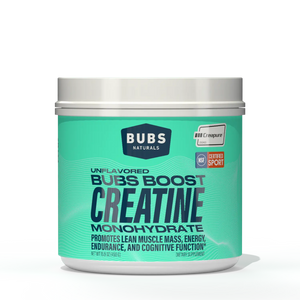
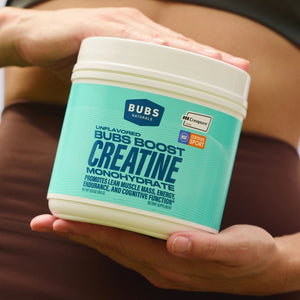
If you are using a pre-workout that contains some creatine, you can certainly keep using it. But to reach that 5-gram target, you should supplement with additional pure creatine. Our Creatine Monohydrate is a single-ingredient formula that makes this easy. It is unflavored and mixes effortlessly into any drink, allowing you to hit your daily goal regardless of whether you are training that day.
Potential Interference: Caffeine and Creatine
There has been a long-running debate in the fitness world about whether caffeine and creatine should be taken together. Some early research suggested that high doses of caffeine might slightly blunt the performance-enhancing effects of creatine.
However, more recent and robust studies have shown that for the vast majority of people, taking them together is perfectly fine. The "interference" is often related to digestive comfort rather than cellular chemistry. Both caffeine and creatine can be tough on a sensitive stomach. If you take a high-stimulant pre-workout with a large dose of creatine on an empty stomach, you might experience some GI distress.
If you find that your pre-workout makes you feel bloated or nauseous, it might be because of the combination of ingredients. This is another reason why many athletes prefer to take their creatine at a separate time of day, such as with a meal or a post-workout protein shake.
Myth: Caffeine completely cancels out the benefits of creatine.
Fact: While very high doses of caffeine might cause some minor interference for a small number of people, the two supplements work through different pathways and can generally be used together effectively.
The Importance of Purity and Testing
When you buy a complex pre-workout, you are often getting a long list of ingredients. This sometimes includes "proprietary blends" where the exact amounts of each ingredient are hidden. This is a red flag. You should always know exactly how many milligrams of each substance you are putting into your body.
Furthermore, many mass-market supplements are filled with artificial sweeteners, dyes, and fillers that can cause inflammation or crashes. For athletes, especially those in competitive sports or the military, purity is about more than just health—it is about safety.
We take this seriously. Our products are third-party tested and NSF for Sport certified. This is one of the highest standards in the supplement industry. It ensures that what is on the label is exactly what is in the jar, with no banned substances or hidden contaminants. When you use BUBS Naturals, you are getting the cleanest possible version of these performance tools.
How to Build a Better Performance Stack
Instead of looking for one "do-it-all" powder that likely under-doses several key ingredients, we recommend a modular approach. This allows you to control your dosage based on your specific needs for that day.
1. The Daily Foundation: Creatine
Take 5 grams of pure creatine monohydrate every single day. This is the bedrock of your strength and recovery. It doesn't matter what time you take it, as long as you don't skip it.
2. The Energy Spark: Pre-Workout or MCTs
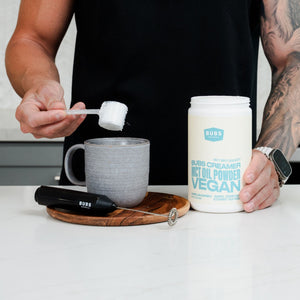
If you need an energy boost before your workout, look for a clean source. Many of our community members use our MCT Oil Powder in their pre-workout coffee. MCTs provide a quick source of fat-based energy for the brain and body without the jitters associated with high-stimulant powders.
3. The Hydration Component: Electrolytes
Hydration is often the missing piece of the performance puzzle. Creatine pulls water into the muscle cells, which is a good thing for muscle fullness and protein synthesis. However, this means you need to increase your overall fluid and electrolyte intake. Our Hydrate or Die formula provides the essential salts needed to keep your muscles functioning correctly during high-intensity sessions.
4. The Recovery Phase: Collagen
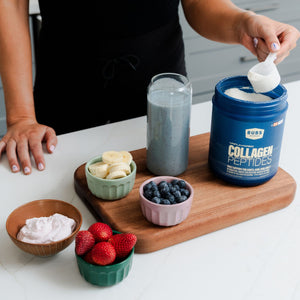
After the workout, your focus should shift to tissue repair. While creatine helps with muscle energy, collagen supports the tendons, ligaments, and joints that take a beating during training. Mixing a scoop of our Collagen Peptides into your post-workout shake is an excellent way to support long-term joint health.
Bottom line: A "jack of all trades" pre-workout often fails to provide enough creatine for real results. Separating your supplements allows you to ensure you are getting the full 5-gram dose of creatine needed for muscle saturation.
Why Quality Matters for Your Long-Term Health
The supplement industry is full of hype, but real results come from simple, science-backed ingredients used consistently. Many people get frustrated when they don't see changes in their strength, not realizing they have been under-dosing their most important supplements for months.
When we founded our company, we did it with a specific mission in mind. We wanted to provide products that were "no BS"—clean, effective, and built to withstand the toughest training environments. Our brand is a tribute to Glen "BUB" Doherty, a Navy SEAL who lived a life of adventure and peak performance. We don't cut corners on our ingredients because we know our customers don't cut corners in their training.
By choosing a high-quality, single-ingredient creatine, you are taking control of your nutrition. You aren't guessing if the 1.5 grams in your pre-workout is enough. You know you are getting the full dose your body needs to recover and grow.
Common Signs Your Creatine Intake is Too Low
How do you know if the creatine in your pre-workout isn't cutting it? While everyone is different, there are a few common signs that your muscle stores are not fully saturated:
-
Plateaued Strength: If you have been stuck at the same weight on your big lifts for weeks, despite training hard, your ATP regeneration might be the bottleneck.
-
Poor Recovery Between Sets: If you feel completely gassed after one set and need three or four minutes to breathe, your phosphocreatine stores may be low.
-
Lack of Muscle "Fullness": Creatine helps muscles look and feel fuller by drawing in water. If your muscles feel "flat" even when you are eating enough, you might benefit from a higher dose.
-
Fatigue During High-Intensity Bursts: If your energy drops off significantly after the first 10–15 seconds of a max-effort sprint or lift, your body is struggling to keep up with ATP demand.
If any of these sound familiar, try moving to a dedicated 5-gram daily dose of pure creatine monohydrate. Most people notice a difference in their work capacity within two to three weeks of consistent use.
The Role of Lifestyle and Nutrition
Supplements are designed to supplement a solid foundation of sleep and whole foods. No amount of creatine will fix a diet that lacks protein or a lifestyle that lacks rest.
When you are using creatine, make sure you are also:
-
Drinking more water: Aim for at least an extra 16–24 ounces of water per day.
-
Eating enough protein: Muscle growth requires the amino acid building blocks found in meat, eggs, and quality protein powders.
-
Sleeping 7-9 hours: This is when the real muscle repair happens.
Creatine is one of the most effective tools in the shed, but it works best when the rest of your "house" is in order. When you combine clean fuel with hard work and purposeful recovery, you create a system that is built to last.
Conclusion
Is the creatine in pre workout enough? In most cases, the answer is no. While it might provide a small boost, it rarely meets the 3-5 gram daily requirement for full muscle saturation. Furthermore, relying on pre-workout for your creatine intake means you are likely skipping doses on rest days, which prevents you from maintaining the levels needed for long-term strength and recovery gains.
The most effective strategy is to use a dedicated, high-quality supplement like our BUBS Naturals Creatine Monohydrate. This ensures you get a full dose of pure, tested ingredients every single day. By separating your "acute" pre-workout needs from your "chronic" saturation needs, you can tailor your routine for maximum efficiency.
We are committed to helping you live a life of adventure and purpose. That is why 10% of all our profits are donated to veteran-focused charities in honor of Glen "BUB" Doherty. You can read more in About BUBS. Every scoop you take supports your own health while also giving back to those who have served.
Take the guesswork out of your performance. Stick to clean ingredients, hit your daily doses, and get back to doing what you love.
FAQ
1. If my pre-workout has 2 grams of creatine, can I just take it twice?
You could, but that would mean doubling your intake of caffeine and other stimulants, which can lead to jitters, increased heart rate, or sleep issues. It is much safer and more effective to keep your pre-workout to one serving and add a separate scoop of pure creatine to reach your 5-gram goal.
2. Do I need to do a "loading phase" if I'm switching from pre-workout creatine?
It is not strictly necessary, but it can help. A loading phase (20 grams a day for 5-7 days) saturates your muscles faster. If you prefer to avoid the potential bloating of a loading phase, simply taking 5 grams of pure creatine daily will get you to full saturation in about three to four weeks.
3. Should I take creatine on days I don't go to the gym?
Yes, this is the most common mistake people make. Creatine works by keeping your muscle stores full over time, so you must take it every day—including rest days—to maintain those levels. If you only take it on gym days, your levels will slowly drop throughout the week.
4. Is creatine monohydrate better than the other types found in pre-workouts?
Creatine monohydrate is the most researched and proven form of creatine on the market. While some pre-workouts use "Creatine HCl" or "Buffered Creatine" claiming better absorption, there is very little evidence that they are more effective than standard monohydrate. Monohydrate remains the gold standard for purity and results. If you want the brand’s full creatine breakdown, start with BUBS Boost Creatine Monohydrate: Pure Power, Proven Performance.