Table of Contents
- Introduction
- What Exactly is Collagen?
- Why Eating Collagen is Good for Your Skin
- Strengthening Your Joints and Connective Tissue
- The Impact on Bone Health
- Muscle Mass and Recovery
- Digestive Health and the Gut Lining
- How Your Body Processes Eaten Collagen
- Why Modern Diets are Low in Collagen
- How to Get More Collagen in Your Diet
- Lifestyle Habits That Protect Your Collagen
- The BUBS Naturals Standard
- Conclusion
- FAQ
Quick Answer: Eating collagen provides the specific amino acids your body needs to maintain skin elasticity, strengthen joints, and support bone density. Since natural production declines with age, increasing your intake through food or supplements helps replenish these structural proteins to keep your body resilient.
Introduction
You notice it first in the small things. Maybe your knees click when you stand up after a long flight. Perhaps your skin doesn't bounce back quite as quickly as it used to, or your recovery after a heavy lifting session takes an extra day. These aren't just signs of getting older. They are signs that your body’s internal scaffolding—collagen—is starting to thin out.
Collagen is the most abundant protein in the human body, acting as the literal glue that holds everything together. We often think of it as a beauty supplement, but its role goes far beyond skin deep. It is a critical component of your tendons, ligaments, bones, and even your digestive tract.
In this guide, we will explore why eating collagen is good for you and how it supports a high-performance lifestyle. At BUBS Naturals, we believe in using simple, clean ingredients to help you stay in the game longer. We will break down the science of how collagen works, the different types you need to know, and the best ways to incorporate it into your daily routine for maximum impact.
Eating collagen is about more than just aesthetics; it is about maintaining the structural integrity of your body so you can keep moving, training, and exploring.
What Exactly is Collagen?
To understand why eating collagen is beneficial, you have to understand what it is. Collagen is a structural protein. It makes up roughly 30% of the total protein in your body. If you think of your body as a building, collagen is the steel frame and the mortar between the bricks.
It is primarily made of three amino acids: glycine, proline, and hydroxyproline. These amino acids twist together to form a triple helix. This unique structure is incredibly strong and flexible, allowing your skin to stretch and your joints to absorb impact.
The Different Types of Collagen
While there are at least 28 known types of collagen, about 90% of your body’s collagen consists of three specific types. Understanding these helps you choose the right sources.
-
Type I: This is the heavyweight. It is found in your skin, bones, tendons, and ligaments. It provides incredible tensile strength, meaning it can be stretched without breaking.
-
Type II: This type is focused on your joints. It makes up the majority of the cartilage that cushions your knees, elbows, and shoulders.
-
Type III: Usually found alongside Type I, this type supports the structure of your muscles, organs, and arteries.
Most high-quality supplements, like our Collagen Peptides, focus on Types I and III because they offer the broadest range of support for active individuals.
Why Your Body Needs an External Boost
Your body produces its own collagen naturally, but that process has an expiration date. Starting in your early 20s, collagen production begins to drop by about 1% every year. By the time you hit 40, the decline accelerates. Environmental factors like sun exposure, high sugar intake, and smoking act like a wrecking ball, breaking down existing fibers even faster.
Eating collagen-rich foods or supplements provides the "raw materials" your body needs to keep the construction site running. When you ingest collagen, you aren't just "replacing" what was lost; you are providing the building blocks that signal your body to produce more of its own.
Why Eating Collagen is Good for Your Skin
The most visible benefit of eating collagen is the impact on your skin. Your skin is about 75% to 80% collagen. It provides the density and elasticity that give a youthful, healthy appearance.
Hydration and Elasticity
As collagen levels drop, skin becomes thinner and drier. This leads to the formation of fine lines and wrinkles. Research suggests that consuming hydrolyzed collagen—collagen that has been broken down into smaller, easier-to-absorb pieces—can significantly improve skin hydration.
When your skin is well-hydrated from the inside out, it functions better as a barrier. It stays supple and is less prone to the "crepey" texture that often comes with age or excessive sun exposure.
Supporting the Dermis
Collagen lives in the dermis, which is the middle layer of your skin. This is where new cells are born. By eating collagen, you help support the fibroblasts, which are the cells responsible for producing collagen and elastin. A healthy dermis means your skin can recover faster from scrapes, sun damage, and the general wear and tear of an outdoor lifestyle.
Key Takeaway: Collagen isn't a "magic eraser" for wrinkles, but it provides the structural density required for skin to remain hydrated and elastic. Regular intake helps maintain the skin’s foundation, slowing the visible signs of structural breakdown.
Strengthening Your Joints and Connective Tissue
If you live an active life, your joints take a beating. Whether you are rucking with a heavy pack, hitting the trail for a long run, or training in the gym, your connective tissues are under constant stress.
Cartilage Preservation
Cartilage is the rubbery tissue that covers the ends of your bones at the joints. It is primarily made of Type II collagen. When this cartilage wears down, you experience the "bone-on-bone" grinding that leads to stiffness and discomfort.
Eating collagen may support the health of this cartilage. Many athletes report that consistent supplementation helps reduce the "creaky" feeling in their knees and shoulders. While it won't fix a torn ligament, it can help maintain the integrity of the tissues that support those joints.
Tendon and Ligament Strength
Tendons connect muscle to bone, while ligaments connect bone to bone. Both are composed almost entirely of collagen. These tissues need to be both strong and slightly elastic to handle the loads you put on them.
When you have a steady supply of amino acids like glycine and proline, your body can better repair the microscopic tears that happen during training. This supports overall joint stability and may help you stay resilient against common overuse injuries.
The Impact on Bone Health
We often think of bones as being made only of calcium, but that is only half the story. Collagen provides the flexible framework that allows bones to absorb impact without snapping. Calcium then fills in that framework to provide hardness.
As we age, bone density decreases. This makes bones more brittle and prone to fractures. Studies have shown that taking collagen in combination with calcium and vitamin D can help support bone mineral density more effectively than taking calcium alone.
By eating collagen, you are essentially strengthening the "rebar" inside your bones. This is especially important for women post-menopause and for athletes involved in high-impact sports where bone stress is a constant factor.
Muscle Mass and Recovery
While collagen is not a complete protein—meaning it doesn't contain all nine essential amino acids—it is very high in specific amino acids that support muscle health.
Creatine Synthesis
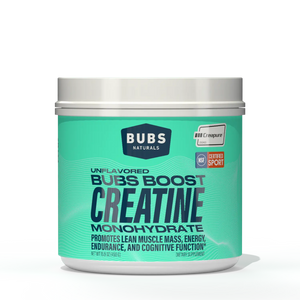
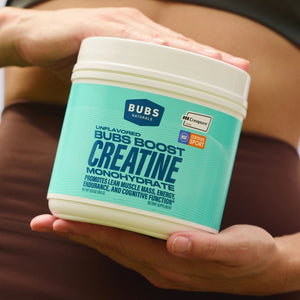
Collagen is about one-third glycine. Glycine is one of the three amino acids your body uses to produce creatine. As many fitness enthusiasts know, Creatine Monohydrate is essential for fueling short bursts of power and maintaining muscle mass. By providing an abundance of glycine, eating collagen supports your body’s natural energy production.
Post-Workout Repair
After a hard session, your muscles and the surrounding connective tissues need to recover. While whey or plant proteins are great for muscle protein synthesis, collagen specifically targets the "extra-cellular matrix"—the stuff that surrounds your muscle fibers.
Integrating collagen into your post-workout routine helps ensure that the connective tissues are recovering at the same rate as the muscle fibers themselves. This leads to a more balanced recovery and helps you get back to your next session faster.
Myth: Collagen is a waste of money because your body just treats it like any other protein.
Fact: While your body does break collagen down into amino acids, it specifically seeks out the high concentrations of glycine and proline to rebuild connective tissues. Research shows that collagen-derived peptides can reach the skin and joints in ways that general protein sources do not.
Digestive Health and the Gut Lining
There is a growing body of evidence suggesting that eating collagen is good for your digestive system. Your intestinal lining is made of a thin layer of cells that stay tightly packed together to prevent undigested food and toxins from leaking into your bloodstream.
This lining is heavily dependent on collagen for its structure. Glycine and glutamine, both found in collagen, are known to support the health of the gut barrier. For people who deal with occasional digestive discomfort or "leaky gut" symptoms, adding collagen to their diet may help support a healthy, sealed intestinal wall.
How Your Body Processes Eaten Collagen
A common question is: "If I eat collagen, does it actually go to my skin or my knees?"
Your body cannot absorb collagen in its "whole" form. It is too large. When you eat collagen-rich foods or supplements, your digestive system breaks the protein down into smaller chains called peptides and individual amino acids.
These peptides then enter the bloodstream. Because they are specific to collagen, they act as signaling molecules. They tell your body, "Hey, we have plenty of building blocks here; let’s start repairing the skin and joints."
The Importance of Bioavailability
Bioavailability refers to how well your body can actually use a nutrient. Whole collagen (like the gristle on a steak) has low bioavailability. Hydrolyzed collagen, which is what we use in our BUBS Naturals products, has been broken down using enzymes. This makes the particles small enough to pass through the intestinal wall easily, ensuring that more of the protein actually gets to work in your body.
| Feature |
Whole Collagen (Food) |
Hydrolyzed Collagen (Peptides) |
| Digestion |
Hard for the body to break down |
Pre-digested for easy absorption |
| Mixing |
Requires heavy cooking (broths) |
Dissolves instantly in hot or cold |
| Concentration |
Varies by cut of meat |
Standardized dose per scoop |
| Main Use |
General nutrition |
Targeted joint and skin support |
Why Modern Diets are Low in Collagen
Our ancestors used to get plenty of collagen. They practiced "nose-to-tail" eating, consuming the skin, tendons, and organ meats of the animals they hunted. They made long-simmering stews that naturally extracted collagen from bones.
In the modern US diet, we mostly eat muscle meat—like chicken breasts and lean steaks. These are great for general protein, but they contain almost no collagen. We have traded structural health for convenience.
Eating collagen via supplements or bone broth is essentially a return to a more traditional way of fueling. It fills a nutritional gap that has been missing from our plates for decades.
How to Get More Collagen in Your Diet
If you want to reap the benefits of eating collagen, you have several options. The goal is consistency. Collagen is a slow-acting supplement; you won't see results overnight, but you will see them over weeks and months of steady intake.
1. Collagen Supplements (Powder)
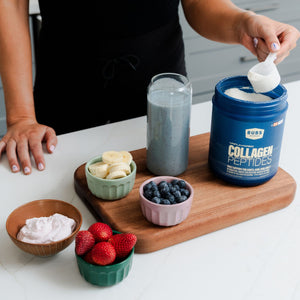
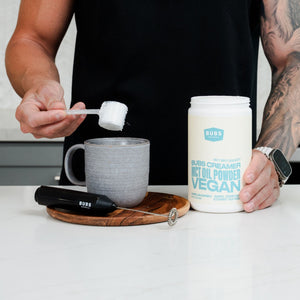
This is the most efficient way to get a high dose of bioavailable peptides. A high-quality powder should be flavorless and odorless. For coffee drinkers, MCT Oil Creamer is another simple add-in.
2. Bone Broth
Simmering animal bones for 12 to 24 hours extracts the natural collagen and minerals. It is a fantastic source of nutrition, though it can be time-consuming to make at home. If you buy it at the store, look for brands that use organic bones and avoid excessive sodium or artificial flavors.
3. Fish and Poultry with the Skin On
Most of the collagen in animals is located in the skin and the bits of connective tissue. If you eat fish, leave the skin on and sear it until it's crispy. When eating chicken, skip the skinless breasts and go for the thighs with the skin intact.
4. Vitamin C: The Essential Co-Factor
Your body cannot effectively produce or repair collagen without Vitamin C. Think of Vitamin C as the foreman at the construction site. Without it, the "workers" (amino acids) don't know where to go. Ensure you are eating plenty of citrus, bell peppers, or berries, or consider a supplement like our Vitamin C to ensure your collagen intake isn't going to waste.
Lifestyle Habits That Protect Your Collagen
Eating collagen is only half the battle. You also need to protect the collagen you already have. Certain habits act as "collagen killers" and will undermine your efforts to stay resilient.
-
UV Protection: Overexposure to the sun is the fastest way to break down collagen in your skin. Wear sunscreen and protective clothing when you’re out in the elements.
-
Cut the Sugar: High sugar intake leads to a process called glycation. This is where sugar molecules attach to your collagen fibers, making them brittle and easy to break.
-
Stop Smoking: Smoking reduces the blood flow to your skin and connective tissues, starving them of the oxygen and nutrients they need to stay healthy.
-
Prioritize Sleep: Your body does the majority of its structural repair while you sleep. If you are skimping on rest, you are skipping your body’s natural rebuilding phase.
The BUBS Naturals Standard
We didn't start this company just to sell supplements. We started it to honor a legacy. BUBS Naturals was born from the life of Glen "BUB" Doherty, a Navy SEAL and adventurer who lived life at 100%. He believed in being prepared, staying fit, and helping others.
When we developed our Collagen Peptides, we knew they had to be the best. That means no fillers, no additives, and no BS. Our collagen is grass-fed and pasture-raised. We also ensure it is NSF for Sport certified, which is the gold standard for athletes and military members who need to know exactly what is in their tub. When you use our products, you are getting a clean, effective tool to help you live a better, more active life.
Bottom line: Eating collagen provides the specific structural building blocks—glycine, proline, and hydroxyproline—that your body can no longer produce in abundance as you age. By supporting the extra-cellular matrix, you help maintain skin elasticity, joint integrity, and bone strength.
Conclusion
Eating collagen is one of the simplest and most effective things you can do to support your long-term wellness. Whether your goal is to maintain a youthful appearance or to ensure your joints can handle another decade of hard training, providing your body with the right raw materials is key.
By focusing on high-quality, bioavailable sources like collagen peptides and supporting them with a healthy lifestyle, you can stay resilient and ready for whatever adventure comes next.
At BUBS Naturals, we are committed to helping you live that life of purpose. In honor of Glen "BUB" Doherty, we donate 10% of all our profits to veteran-focused charities. Every scoop you take doesn't just help your own health—it helps support those who have served.
Take one scoop a day. Stay consistent. Feel the difference in your movement and your recovery.
FAQ
Is it better to eat collagen or take a supplement?
While you can get collagen from foods like bone broth and fish skin, supplements are often more convenient and provide a standardized, highly bioavailable dose. Most people find that a daily scoop of collagen peptides is the easiest way to ensure they are getting enough of the specific amino acids required for repair.
How long does it take to see results from eating collagen?
Consistency is key, as collagen works by gradually supporting the body's internal structures. Many people report improved skin hydration within 4 to 6 weeks, while joint and bone benefits typically become noticeable after 3 to 5 months of daily use.
Can men benefit from eating collagen too?
Absolutely; collagen is essential for everyone regardless of gender. For men, it is particularly beneficial for supporting joint health during heavy training, maintaining muscle mass through creatine supplementation, and promoting bone density as they age.
Does heating collagen powder ruin its benefits?
No, hydrolyzed collagen is heat-stable and can be added to hot liquids like coffee, tea, or soup without losing its nutritional value. The proteins have already been broken down into stable peptides, making them easy to incorporate into almost any part of your daily routine.