Table of Contents
- Introduction
- What Exactly Is Collagen?
- The Vital Roles of Collagen in the Body
- Why Your Body Needs Support as You Age
- The Targeted Health Benefits of Collagen
- Understanding the Different Types of Collagen
- How Collagen Peptides Actually Work
- Ways to Boost Your Collagen Levels Naturally
- Choosing the Right Collagen Supplement
- How to Incorporate Collagen into Your Routine
- Purpose Behind the Product
- FAQ
Introduction
You have probably noticed the gradual shifts that happen as the years go by. Maybe your knees feel a bit stiffer after a morning run, or you have noticed that your skin does not quite have the same "bounce" it did ten years ago. These changes are not just a matter of luck; they are often tied to a single, essential protein that acts as the glue holding your body together. This protein is collagen, and it is the most abundant structural component in your entire system.
At BUBS Naturals, we believe that understanding the "why" behind your wellness routine is just as important as the routine itself, and our Collagen Peptides are built with that same mindset. Collagen is not just a beauty trend; it is a fundamental building block for your skin, bones, muscles, tendons, and ligaments. In this guide, we will explore why this protein is so vital for your health, how your body uses it, and why supplementing might be one of the most practical steps you can take for long-term recovery and vitality.
This article covers the specific health benefits of collagen, the different types you need to know, and how to ensure you are getting a clean, effective source to support your active lifestyle. Collagen is essential for maintaining structural integrity across your entire body, and supporting its production can help you stay in the game longer.
Quick Answer: Collagen is vital because it provides structure, strength, and elasticity to your skin, joints, bones, and connective tissues. As natural production declines with age, supplementing may help support skin hydration, reduce joint discomfort, and maintain bone density.
What Exactly Is Collagen?
To understand why collagen is so good for you, you first have to understand what it is. Think of collagen as the "scaffolding" of your body. It makes up roughly 30% of your total protein and a massive 70% of the protein found in your skin. It is a fibrous, structural protein that gives your tissues their shape and keeps them from falling apart under pressure.
From a chemical perspective, collagen is made up of amino acids, which are the building blocks of all proteins. The primary amino acids in collagen are proline, glycine, and hydroxyproline. These amino acids weave together to form a triple helix—a tight, incredibly strong spiral structure. These spirals then bundle together to form fibrils, which create the tough fibers found in your connective tissues.
Your body produces this protein naturally, but it does not do it in a vacuum. To create that triple helix structure, your system requires specific cofactors. These include Vitamin C, zinc, and copper. Without these "assistants," your body struggles to knit those amino acids into the functional collagen fibers your tissues need to stay strong.
The Vital Roles of Collagen in the Body
Collagen is not just sitting there; it is actively working in almost every major system. Its primary role is to provide structure, but that manifests in several distinct ways depending on where it is located.
Skin Structure and Elasticity
In your skin, collagen lives in the dermis, which is the middle layer. It works alongside another protein called elastin to ensure your skin can stretch and then snap back into place. It also helps fibroblasts (specialized cells) form, which allows new skin cells to grow and replace old ones. This is why collagen is so closely linked to a youthful appearance; it keeps the skin "plump" and hydrated, and What Does Collagen Peptides Do for Your Skin? takes a closer look at that connection.
Joint and Connective Tissue Support
If you are an athlete or someone who enjoys being outdoors, your joints are your most valuable asset, and How Collagen Can Support Your Joints and Recovery This Spring is a helpful next step. Collagen is a major component of cartilage, the rubbery tissue that cushions your joints. It is also the primary material in your tendons (which connect muscle to bone) and ligaments (which connect bone to bone). When collagen levels are healthy, these tissues are more resilient to the stresses of movement and exercise.
Bone Strength
Many people think of bones as being made strictly of calcium, but collagen provides the flexible framework that holds that calcium in place. Without collagen, your bones would be extremely brittle and prone to shattering. It gives your skeletal system the "give" it needs to absorb impact without breaking.
Key Takeaway: Collagen serves as the primary structural protein for the entire body, acting as a "glue" that provides strength to bones, elasticity to skin, and a protective cushion for joints.
Why Your Body Needs Support as You Age
The most common reason people ask why collagen is so good for them is that they are starting to feel the effects of its decline, which is exactly why When Does Collagen Production Stop? matters. Unfortunately, your body’s ability to produce high-quality collagen does not stay consistent forever.
Starting in your mid-20s, natural collagen production begins to drop by about 1% to 1.5% every year. By the time you hit age 40, you are likely producing significantly less than you were in your youth. For women, this decline accelerates even more sharply during and after menopause, with some studies suggesting a loss of up to 30% of collagen production in just a few years.
This decline is not just about the quantity of collagen; it is also about the quality. As we age, the collagen fibers we do produce become thinner and more disorganized. This lead to the common signs of aging:
- Skin that appears thinner, wrinkled, or sagging.
- Stiffer, less flexible tendons and ligaments that make you feel "tight" in the morning.
- Joint discomfort caused by the thinning of the protective cartilage.
- A decrease in muscle mass and overall physical strength.
External Factors That Damage Collagen
Age is the primary driver of collagen loss, but lifestyle choices can speed up the process. UV radiation from the sun is one of the biggest culprits, as it breaks down collagen fibers in the skin. Smoking and a diet high in refined sugars also create "cross-links" in collagen fibers, making them stiff and brittle rather than flexible and strong. This process, known as glycation, is a major contributor to premature aging.
The Targeted Health Benefits of Collagen
Because collagen is found throughout the body, the benefits of supporting its production are widespread. Research into collagen supplementation has grown significantly in recent years, and What Collagen Is Good For: Benefits for Skin and Joints breaks down the biggest takeaways.
Improved Skin Health and Hydration
One of the most well-documented benefits is the impact on skin health. Studies have suggested that regular intake of collagen peptides may help improve skin elasticity and hydration. By providing the body with the specific amino acids it needs, you may help reduce the appearance of fine lines and keep the skin barrier functioning properly.
Joint Pain Relief and Mobility
For the active crowd, joint support is often the top priority. Many athletes report that supplementing with collagen helps reduce the "wear and tear" feeling in their knees, hips, and shoulders. While it is not a cure for medical conditions, research indicates that it may help improve joint function and reduce discomfort in people with age-related joint wear. It may do this by accumulating in the cartilage and stimulating the body to produce its own collagen in those areas. For a pro-athlete example, see Why 24 MLB Teams Use BUBS Naturals Collagen Peptides.
Preventing Bone Loss
As we get older, maintaining bone mineral density is crucial for preventing fractures. Since collagen is the framework for our bones, keeping those levels high may help inhibit the bone breakdown that leads to conditions like osteoporosis. Some research has shown that combining collagen with calcium and Vitamin D can lead to better bone health outcomes than taking calcium and Vitamin D alone.
Supporting Muscle Mass
While collagen is not a complete protein (it lacks the essential amino acid tryptophan), it is rich in glycine and proline, which are important for muscle function. In some studies, elderly men who combined collagen supplementation with resistance training saw a greater increase in muscle mass and strength compared to those who only did the training. It may also help support the connective tissue that surrounds the muscles, improving overall recovery.
Heart and Gut Health
Emerging research is looking into how collagen supports the structure of your arteries. Since arteries need to be flexible to pump blood efficiently, collagen is vital for cardiovascular health. Additionally, the amino acids in collagen, particularly glutamine, are known to support the integrity of the intestinal lining, which may help with general digestive wellness.
Myth: Taking collagen won't do anything because your stomach just breaks it down like any other protein.
Fact: While it’s true that your body breaks collagen down into amino acids and peptides, "hydrolyzed" collagen is specifically designed to be easily absorbed. These peptides act as both the building blocks for new collagen and as signals to your body to ramp up its own natural production.
Understanding the Different Types of Collagen
Not all collagen is the same. There are at least 28 different types identified by scientists, but about 90% of the collagen in your body falls into three main categories. Knowing these helps you understand why specific supplements are formulated the way they are.
Type I Collagen
This is the most abundant type in the human body. It is found in your skin, bones, tendons, and ligaments. It is incredibly strong and provides the primary structure for your connective tissues. Most high-quality supplements focus heavily on Type I.
Type II Collagen
This type is primarily found in elastic cartilage. It is the main component that provides joint support and cushions the ends of your bones. If your primary goal is joint health, Type II is the key player.
Type III Collagen
This type is usually found alongside Type I. It is a major part of the structure of your muscles, arteries, and internal organs. It is essential for the elasticity of your cardiovascular system and the integrity of your skin.
Our Collagen Peptides are sourced from grass-fed and pasture-raised bovine hides, providing a clean and potent source of both Type I and Type III collagen. This combination is designed to support both the "inner" structural needs of your muscles and bones and the "outer" benefits for your skin, hair, and nails.
How Collagen Peptides Actually Work
The word "peptide" is important here. You cannot simply eat a piece of raw animal hide and expect your body to use that collagen. In its natural state, the collagen molecule is too large and complex for your digestive system to absorb efficiently.
This is where the process of "hydrolyzation" comes in, and Does Heat Destroy Collagen Powder? is a helpful companion read. Hydrolyzed collagen—also known as collagen peptides—is collagen that has been broken down using water (hydrolysis) into very small chains of amino acids. These smaller pieces have a low molecular weight, meaning they can easily pass through the wall of your gut and enter your bloodstream.
Once these peptides are in your system, they serve two purposes:
-
Raw Materials: They provide the specific amino acids (glycine, proline, and hydroxyproline) that your body needs to "knit" new collagen fibers.
-
Activation: They act as signaling molecules. When your body detects an influx of these peptides, it perceives it as a sign that collagen is being broken down and needs to be replaced. This triggers your fibroblasts to start producing more of your own natural collagen.
Bottom line: Hydrolyzed collagen peptides are the most effective way to supplement because they are broken down into a "bioavailable" form that your body can actually absorb and put to work immediately.
Ways to Boost Your Collagen Levels Naturally
While supplements are an efficient way to get a concentrated dose of peptides, you can also support your body’s collagen production through your daily habits. A multi-pronged approach is always the best way to ensure long-term health.
Nutrition and Diet
Certain foods are naturally high in collagen or the nutrients needed to build it.
-
Bone Broth: Simmering animal bones and connective tissue for long periods extracts the collagen into the liquid. It is one of the oldest and most traditional ways to consume collagen.
-
Fish with Skin: Much of the collagen in fish is stored in the skin. Choosing fish like salmon and keeping the skin on is a great way to get a natural boost.
-
Chicken and Red Meat: Cuts of meat that contain more connective tissue (like brisket or chuck roast) are higher in collagen than lean cuts like chicken breast.
-
Vitamin C Rich Foods: You cannot build collagen without Vitamin C. Citrus fruits, bell peppers, strawberries, and leafy greens are essential cofactors.
-
Zinc and Copper: Found in nuts, seeds, shellfish, and whole grains, these minerals are vital for the final steps of collagen synthesis.
Lifestyle Habits
-
Sun Protection: Wearing sunscreen and protective clothing is the number one way to prevent the breakdown of the collagen you already have.
-
Prioritize Sleep: Your body does the majority of its tissue repair while you are asleep. Chronic sleep deprivation can hinder your body’s ability to rebuild its structural proteins.
-
Hydration: Collagen fibers need water to maintain their flexibility. When you are dehydrated, your connective tissues become more brittle, which is why Hydrate or Die fits well here.
Choosing the Right Collagen Supplement
With the popularity of collagen skyrocketing, the market is flooded with options. However, not all supplements are created equal. If you are going to put something into your body every day, you want to make sure it is clean, effective, and free of unnecessary fillers.
At BUBS Naturals, we follow a strict "no BS" philosophy. Our products are designed for people who live active, demanding lives and need supplements that can keep up. When you are shopping for collagen, there are three things you should always look for:
1. Clean Sourcing
The quality of the collagen depends entirely on the quality of the animal it came from. We source our collagen from grass-fed, pasture-raised cattle. This ensures that the product is free from the hormones and antibiotics often found in factory-farmed animals.
2. Third-Party Testing
You should never have to take a brand's word for it. Many supplements contain heavy metals or contaminants that can accumulate in animal bones. That is why our products are third-party tested and NSF for Sport certified. This is the gold standard of testing, ensuring that what is on the label is exactly what is in the tub, with no banned substances or hidden toxins.
3. Ease of Use
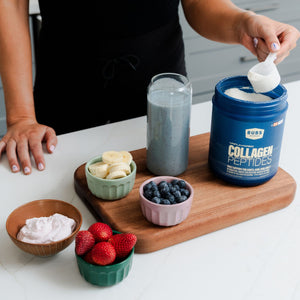
The best supplement is the one you actually take, and The Collagen Club makes daily consistency easier. Collagen should be unflavored, odorless, and highly soluble. It should disappear into your morning coffee, your post-workout shake, or even a glass of water without clumping or leaving a weird aftertaste. Our formula is specifically designed to mix effortlessly so it fits into your routine, not the other way around.
How to Incorporate Collagen into Your Routine
Consistency is the most important factor when it comes to collagen. It is not a "one and done" solution; it is a nutritional support system that works best when used daily. Most research suggests that it takes about 4 to 12 weeks of consistent use to start seeing and feeling the benefits in your skin and joints.
A standard serving is typically around 10 to 20 grams. Here are some of the easiest ways to work it into your day:
-
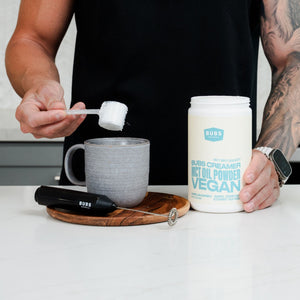
The Morning Ritual: Stir a scoop into your first cup of coffee. Because it is heat-stable, it won't lose its effectiveness in hot liquids.
-
The Post-Workout Shake: Add it to your protein shake or smoothie. It helps support the connective tissues that take a beating during a heavy lifting session or a long trail run.
-
Baking and Cooking: You can even mix collagen into oatmeal, pancake batter, or soups. It adds a protein boost without changing the flavor of your favorite meals. If timing matters to you, Can I Take Collagen Before Working Out for Better Results? breaks it down.
Purpose Behind the Product
We believe that wellness is about more than just looking good; it is about having the physical freedom to pursue your adventures and live a life of purpose. This brand was founded to honor the legacy of Glen "BUB" Doherty, a Navy SEAL and hero who lived his life to the fullest.
Every time you choose a product from us, you are supporting a larger mission, and our 10% Rule keeps that mission front and center. We donate 10% of all our profits to veteran-focused charities in BUB’s honor. This commitment to service and quality is the backbone of everything we do. We provide clean, science-backed supplements because we know that when your body feels strong and your joints feel mobile, you are better equipped to show up for the people and the causes that matter most.
Collagen is a fundamental part of that physical foundation. By supporting your body's structural integrity, you aren't just slowing down the clock; you are fueling your next adventure. Whether that is a mountain hike, a day at the gym, or just keeping up with your kids, staying "glued together" with high-quality collagen is one of the smartest investments you can make in your long-term health.
Key Takeaway: Collagen isn't just a cosmetic supplement; it's a vital structural protein that supports the integrity of your entire body. Choosing a clean, third-party tested source like BUBS Naturals ensures you're getting the best support for your active lifestyle while contributing to a meaningful cause.
FAQ
How long does it take for collagen to start working?
Results vary depending on the individual, but most clinical studies show that it takes between 4 to 12 weeks of daily use to see improvements in skin hydration and joint comfort. For bone health, the process is slower, and studies often look at 6 to 12 months of consistent supplementation to measure changes in density.
Is it better to take collagen in the morning or at night?
There is no specific time of day that makes collagen "more" effective. The most important factor is consistency. Many people find it easiest to add to their morning coffee or a post-workout shake, while others prefer taking it before bed to support the body's natural repair processes during sleep.
Can I get enough collagen from food alone?
While you can get collagen from foods like bone broth and fish skin, most modern diets are relatively low in these sources. Furthermore, the collagen in food is not hydrolyzed, meaning it is harder for your body to break down and absorb than a specialized peptide supplement.
Does collagen help with hair and nail growth?
Many people report that their hair feels thicker and their nails grow faster and stronger when taking collagen. This is likely because collagen provides the amino acids necessary to build keratin, the primary protein that makes up your hair and nails. While more research is needed specifically on hair, the anecdotal evidence and small-scale studies are very promising.