Table of Contents
- Introduction
- What Exactly Is Collagen?
- The Different Types of Collagen
- Why Your Body Needs a Boost
- The Key Benefits of Collagen Supplementation
- The Science of Absorption: What Are Peptides?
- How to Choose the Right Supplement
- Supporting Collagen Through Lifestyle
- Why Quality and Sourcing Matter
- How to Use Collagen in Your Routine
- Realistic Expectations
- Conclusion
- FAQ
QUICK ANSWER BOX
Quick Answer: Collagen is good for you because it provides the structural foundation for your skin, joints, bones, and connective tissues. Supplementing with high-quality peptides may support skin elasticity, reduce joint discomfort, and improve bone density as natural production declines with age.
Introduction
You might notice it first in the mirror or during a morning run. Maybe your skin doesn't bounce back like it used to, or your knees feel a bit stiffer after a workout. These changes are often tied to a single, vital protein that acts as the biological glue for your entire body.
Collagen is the most abundant protein we have. It accounts for roughly one-third of our total protein composition. It provides the strength and structure for our skin, bones, tendons, and ligaments. At BUBS Naturals' brand story, we believe that understanding how this protein works is the first step toward better recovery and long-term wellness.
In this guide, we will explore exactly why collagen is good for you and how it functions within your body. We will cover the different types of collagen, the science behind supplementation, and how to protect the collagen you already have. This is a deep dive into the structural foundation that keeps us moving and feeling our best.
What Exactly Is Collagen?
To understand why collagen is good for you, you first need to know what it is. Collagen is a structural protein. Think of it as the scaffolding that holds your tissues together. It is made up of long chains of amino acids, which are the building blocks of protein.
The primary amino acids in collagen are proline, glycine, and hydroxyproline. These molecules twist together to form a "triple helix." This is a unique, rope-like structure that gives collagen its incredible tensile strength. This strength allows your skin to stretch without tearing and your tendons to withstand the force of heavy lifting.
Your body produces its own collagen naturally. To do this, it needs specific raw materials from your diet. Along with the amino acids mentioned above, your body requires Vitamin C, zinc, copper, and manganese to successfully build that triple helix structure. Without these supporting nutrients, your body struggles to maintain its internal scaffolding.
The Different Types of Collagen
Not all collagen is the same. Scientists have identified 28 different types, but the vast majority of the collagen in your body falls into five main categories. Each type serves a specific purpose in different areas of your health.
| Collagen Type |
Primary Locations |
Key Function |
| Type I |
Skin, bones, tendons, ligaments |
Provides structure and incredible strength to connective tissue. |
| Type II |
Cartilage |
Supports joint health and cushions the ends of bones. |
| Type III |
Muscles, arteries, internal organs |
Supports the structure of hollow organs and blood vessels. |
| Type IV |
Layers of the skin |
Helps with filtration and skin integrity in the basement membrane. |
| Type V |
Hair, eyes (cornea), placenta |
Supports tissue development and cell surfaces. |
Most high-quality supplements focus on Type I and Type III. These are the most prevalent in the body and offer the broadest range of benefits for active adults. Type I is particularly famous for its role in skin and bone health, while Type III is essential for muscle and arterial integrity.
Why Your Body Needs a Boost
Your body is excellent at making collagen when you are young. However, this process does not stay efficient forever. Starting in your mid-20s, natural collagen production begins to slow down. By the time you reach your 40s or 50s, the decline becomes much more noticeable.
Several factors accelerate this breakdown. Ultraviolet (UV) radiation from the sun is one of the biggest culprits. It damages the collagen fibers in your skin, leading to wrinkles and loss of elasticity. High sugar intake is another factor. Sugar can attach to proteins in your blood to form molecules called advanced glycation end products. These molecules make collagen brittle and weak.
Aging is inevitable, but the rate at which your collagen degrades can be managed. This is why many people turn to supplementation. By providing your body with the specific amino acids it needs, you are giving it the tools to support its own structural maintenance.
The Key Benefits of Collagen Supplementation
Research into collagen has expanded significantly in recent years. While the body breaks down any protein you eat into amino acids, many studies suggest that collagen-specific peptides offer unique benefits. Here is a breakdown of why collagen is good for you across various systems of the body.
1. Skin Elasticity and Hydration
The most visible benefit of collagen is its impact on the skin. Collagen makes up about 75% of your skin's dry weight. It is responsible for that "plump" look associated with youth. As production drops, skin becomes thinner and drier, leading to fine lines.
Many clinical trials have found that taking collagen peptides can improve skin hydration and elasticity. By supporting the dermis, which is the middle layer of your skin, collagen helps keep the surface looking smoother. It may also support the production of other proteins that help structure your skin, such as elastin and fibrillin.
2. Joint Support and Comfort
If you live an active lifestyle, your joints take a lot of heat. Joint pain often stems from the wear and tear of cartilage. Cartilage is the rubbery tissue that cushions your joints, and it is primarily made of Type II collagen.
When this cartilage thins out, your bones can rub together, leading to discomfort and reduced mobility. Some studies suggest that supplemental collagen can accumulate in the cartilage. This may stimulate your tissues to make more collagen on their own. Many athletes report less joint pain and better mobility after consistent use of collagen peptides. For a deeper dive, read How Collagen Can Support Your Joints and Recovery This Spring.
3. Bone Density and Strength
Bones are not just made of calcium. They are actually a matrix of collagen fibers hardened by minerals. This combination gives bones both strength and flexibility. Without enough collagen, bones can become brittle.
As we age, bone mass naturally decreases. This can lead to conditions like osteopenia or osteoporosis. Research indicates that taking collagen may help inhibit the bone breakdown that leads to these issues. It supports the density of the bone matrix, helping you stay strong and resilient as you get older.
4. Muscle Mass and Recovery
Collagen is not a complete protein because it lacks the essential amino acid tryptophan. Therefore, it is not a direct replacement for whey protein or a steak. However, it plays a vital role in muscle health.
A significant portion of your muscle tissue is made of connective tissue. Collagen provides the structure for this tissue. Some research has shown that when combined with strength training, collagen supplementation may help increase muscle mass and strength more than exercise alone. It is especially useful for supporting the health of the tendons and ligaments that connect your muscles to your bones.
5. Heart and Arterial Health
Your arteries are the "pipes" that carry blood from your heart to the rest of your body. These pipes need to be flexible and strong. Type III collagen provides the structure for arterial walls.
If collagen levels are too low, arteries can become stiff or fragile. This stiffness is a risk factor for various cardiovascular issues. Supporting your collagen levels may help maintain the elasticity of these vessels, supporting healthy blood flow throughout the body.
Key Takeaway: Collagen is not just for vanity; it is a full-body structural requirement. From the elasticity of your arteries to the cushioning in your knees, this protein acts as the essential framework for almost every physical system.
The Science of Absorption: What Are Peptides?
You cannot simply eat a piece of raw animal hide and expect your skin to glow. Whole collagen molecules are very large. Your digestive system has a hard time breaking them down efficiently. This is where "hydrolyzed" collagen comes in.
Hydrolysis is a process that uses water to break down long collagen chains into much smaller pieces. These smaller pieces are called peptides. Because they are smaller, they have higher bioavailability. This means your body can absorb them through your gut and into your bloodstream much more easily.
Once these peptides enter your system, they serve two roles. First, they act as the building blocks for new collagen. Second, they act as "signaling" molecules. They tell your body that collagen breakdown is occurring, which triggers your cells to ramp up their own natural production.
Myth: You can target exactly where collagen goes in your body.
Fact: Your body is highly intelligent. When you ingest collagen, it breaks it down into amino acids and sends them wherever the need is greatest. If your joints need support more than your skin needs a glow, your body will prioritize the joints.
How to Choose the Right Supplement
With so many options available, it can be hard to know what to look for. At BUBS Naturals, we focus on simplicity and purity because we know that the best results come from clean ingredients. Here are the non-negotiables for a high-quality collagen supplement:
-
Sourcing: Look for the Collagen Peptides Collection if you want grass-fed and pasture-raised bovine collagen.
-
Ingredients: A great collagen supplement should have one ingredient: Collagen Peptides. You don't need fillers, artificial sweeteners, or "natural flavors" that mask the quality of the product.
-
Solubility: High-quality peptides should dissolve easily in both hot and cold liquids. If your powder clumps up or leaves a gritty residue, it may not be fully hydrolyzed.
-
Third-Party Testing: This is critical. Because the FDA does not regulate supplements the same way it does medicine, you need an independent party to verify what is in the jar.
Our BUBS Naturals Collagen Peptides are NSF for Sport certified. This is one of the highest levels of third-party testing available. It ensures that the product is free from contaminants and banned substances. Whether you are a professional athlete or a weekend warrior, this certification offers peace of mind.
Supporting Collagen Through Lifestyle
Supplementing is powerful, but it works best when paired with a healthy lifestyle. You can protect your existing collagen and support new production by making a few smart choices every day.
Protect Your Skin from the Sun
UV rays are the number one external cause of collagen damage. Wear sunscreen, even on cloudy days. Wear hats and protective clothing when you are out for long periods. Protecting your skin from the outside makes your internal efforts much more effective.
Prioritize Vitamin C
Vitamin C is a mandatory co-factor for collagen synthesis. Your body cannot physically form the triple helix structure without it. Eat plenty of citrus fruits, bell peppers, strawberries, and leafy greens. If your diet is lacking, consider a clean supplement like our Vitamin C to bridge the gap.
Watch Your Sugar Intake
As mentioned earlier, sugar causes glycation, which makes collagen fibers brittle. By keeping your blood sugar stable and limiting refined carbohydrates, you reduce the "cracking" of your internal scaffolding.
Stay Hydrated
Collagen and water work together. Collagen helps your skin and tissues hold onto moisture, but you have to provide the water first. Use a clean electrolyte mix like our Hydrate or Die to ensure your cells are actually absorbing the water you drink. Proper hydration keeps your connective tissues supple and resilient.
Why Quality and Sourcing Matter
When you take a supplement daily, you want to know exactly what is in it. Many mass-market brands use "commodity" collagen. This is often sourced from factory-farmed animals and processed with harsh chemicals. These products might be cheaper, but they often lack the purity and bioavailability of premium options.
We chose grass-fed, pasture-raised bovine collagen for a reason. These animals live natural lives, which results in a cleaner, more consistent amino acid profile. Furthermore, our hydrolyzed process ensures that the peptides are small enough to be absorbed quickly. We don't use any "extra" ingredients. We believe that if the base product is good enough, it doesn't need to be hidden behind flavors or fillers.
How to Use Collagen in Your Routine
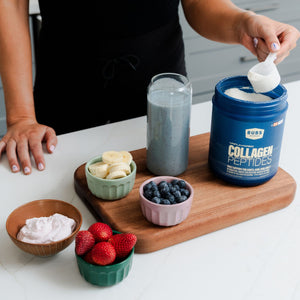
One of the reasons collagen has become so popular is how easy it is to use. Unlike some supplements that have a chalky taste or a heavy texture, pure peptides are virtually tasteless.
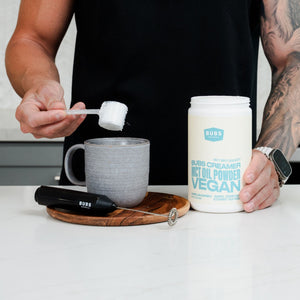
You can mix a scoop into your morning coffee. It adds a slight creaminess without changing the flavor profile. You can also add it to smoothies, oatmeal, or even soup. Because our peptides are heat-stable, they won't lose their effectiveness if you cook with them or stir them into boiling tea.
Consistency is the most important factor. Collagen is not a "quick fix" that works in 24 hours. Most studies show that it takes four to eight weeks of daily use to see improvements in skin hydration and up to three months to see significant changes in joint comfort.
Note: Always listen to your body. While side effects are rare, some people may experience mild bloating if they start with a high dose. If you have a sensitive stomach, start with half a scoop and work your way up to a full serving.
Realistic Expectations
While collagen is good for you, it is not a magic wand. It is a nutritional tool. Results will vary based on your age, your current health status, and your lifestyle. If you smoke or spend all day in the sun without protection, a scoop of collagen cannot fully undo that damage.
Think of collagen as part of a long-term maintenance plan. Just as you change the oil in your car to prevent the engine from seizing, you supplement with collagen to provide your body with the parts it needs for structural repair. It is about longevity and keeping your "scaffolding" strong so you can stay active for years to come.
Conclusion
Collagen is more than just a beauty trend. It is a fundamental building block of human health. Whether you are looking to support your joints for a lifetime of adventure or simply want to keep your skin and bones as healthy as possible, the benefits are clear. By focusing on high-quality, third-party tested peptides and maintaining a lifestyle that protects your natural protein, you are investing in your future self.
At BUBS Naturals, we are driven by more than just great supplements. We are driven by a mission rooted in Glen "BUB" Doherty's legacy. Our brand was founded in honor of Glen "BUB" Doherty, a Navy SEAL who lived a life of adventure and service. In his honor, we donate 10% of all our profits to veteran-focused charities through the 10% Rule. When you choose our products, you aren't just doing something good for your body; you're contributing to a larger purpose.
One scoop a day can make a difference. Stay consistent, stay active, and keep moving forward.
FAQ
Is it better to get collagen from food or supplements?
While foods like bone broth and fish skin are great sources of collagen, supplements provide "hydrolyzed" peptides. These are already broken down into smaller molecules, making them much easier for your body to absorb and use efficiently compared to the whole proteins found in food.
Can I take collagen if I am pregnant or breastfeeding?
Collagen is generally considered safe as it is a natural protein, but there is not enough specific research to make a definitive claim for everyone. You should always consult with your healthcare provider before adding any new supplement to your routine during pregnancy or while breastfeeding.
How long does it take for collagen to work?
Most people begin to notice improvements in skin hydration and elasticity within 4 to 8 weeks of daily use. For joint and bone benefits, it typically takes longer, with many studies showing significant results after 3 to 6 months of consistent supplementation.
Is there such a thing as vegan collagen?
True collagen is only found in animals (cows, fish, pigs, etc.). There are "vegan collagen builders" which contain the vitamins and amino acids your body needs to make its own collagen, but they do not contain actual collagen peptides. High-quality bovine collagen remains the gold standard for bioavailability and structural support.