Table of Contents
- Introduction
- Understanding Collagen and Skin Elasticity
- The Importance of Hydrolyzed Peptides
- Comparing Collagen Sources: Bovine vs. Marine
- Why Type I and Type III Matter Most
- The Role of Vitamin C in Collagen Synthesis
- What to Look for in a High-Quality Supplement
- How to Use Collagen for Maximum Skin Benefits
- The Relationship Between Hydration and Elasticity
- Realistic Expectations for Skin Health
- Conclusion
- FAQ
Introduction
Finding the right way to support your skin as you age can feel like a full-time job. You likely know that collagen is the foundation of firm, youthful skin, but the market is flooded with powders, pills, and liquids that all claim to be the top choice. When your goal is specifically to improve skin elasticity—the ability of your skin to "snap back" into place—you need more than just a generic protein supplement. You need a formula that the body can actually use.
At BUBS Naturals, we believe that wellness should be grounded in transparency and performance. This guide will break down the science of skin health, explaining which types of collagen truly support elasticity and how to identify a high-quality supplement. We will cover the differences between sources, the importance of molecular weight, and the specific nutrients that help your body turn a supplement into visible results. By the end, you will know exactly what to look for to keep your skin resilient and healthy.
Quick Answer: The best collagen supplement for skin elasticity is a hydrolyzed Type I and III collagen peptide powder. Look for grass-fed or wild-caught sources that are third-party tested and include or are paired with Vitamin C to ensure your body can effectively synthesize the protein for skin repair.
Understanding Collagen and Skin Elasticity
Collagen is the most abundant protein in your body. It acts as the "glue" that holds your tissues together, providing structure to your bones, joints, and, most visibly, your skin. Within the deeper layers of the skin, known as the dermis, collagen fibers form a dense network that provides strength. Alongside these fibers is elastin, another protein that allows the skin to stretch and bounce back.
As we age, our natural production of these proteins begins to slow down. Starting in our mid-20s, we lose roughly 1% of our collagen every year. External factors like UV exposure from the sun, environmental pollution, and poor nutrition can accelerate this process. When collagen levels drop, the structural "scaffold" of the skin weakens. This leads to common signs of aging, such as fine lines, wrinkles, and a noticeable loss of elasticity or "sagging."
To support skin elasticity, you are essentially looking to provide your body with the raw materials it needs to maintain that internal scaffold. Supplementing with the right form of collagen may help signal your body to increase its own production, potentially leading to firmer, more hydrated skin over time.
The Importance of Hydrolyzed Peptides
If you search for collagen, you will almost always see the word "hydrolyzed" or "peptides" on the label. This is not just marketing jargon; it is a critical distinction for how the supplement works.
In its raw state, collagen is a very large, complex molecule that is difficult for the human digestive system to break down and absorb. Hydrolysis is a process that uses water or enzymes to break these long chains of amino acids into much smaller pieces called peptides. These peptides have a low molecular weight, making them "bioavailable." This means they can pass through the intestinal wall and enter the bloodstream more efficiently.
Once these peptides are in your system, they serve two purposes. First, they act as the building blocks (amino acids) for new protein. Second, they act as signals to your cells—specifically fibroblasts in the skin—telling them to ramp up the production of new collagen and hyaluronic acid. For a deeper dive into how the formula works, see our Collagen Protein Benefits page.
Key Takeaway: Raw collagen is too large for efficient absorption. Hydrolyzed collagen peptides are broken down into smaller chains that the body can easily digest, leading to better results for skin health and tissue repair.
Comparing Collagen Sources: Bovine vs. Marine
When choosing the best collagen for skin elasticity, you will typically choose between two main sources: bovine (cow) and marine (fish). Both offer benefits, but they differ slightly in their amino acid profiles and how they are utilized by the body.
Marine Collagen
Marine collagen is sourced from fish scales and skin. It is primarily composed of Type I collagen, which is the specific type most prevalent in human skin. Because the peptides in marine collagen are often smaller than those from other sources, some studies suggest it is absorbed up to 1.5 times faster. This makes it a popular choice for those focused strictly on aesthetic benefits like skin texture and elasticity.
Bovine Collagen
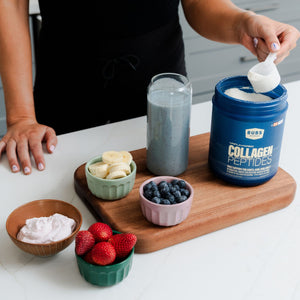
Bovine collagen is sourced from cows and contains both Type I and Type III collagen. While Type I is essential for the skin, Type III is found in abundance in our arteries and organs. Using a bovine source provides a more well-rounded approach to wellness, supporting not just the skin, but also gut health and muscle recovery. Our Collagen Peptides are sourced from grass-fed, pasture-raised bovine to ensure a clean, high-quality amino acid profile that supports the whole body.
Comparison Table: Collagen Sources for Skin
| Feature |
Marine Collagen |
Bovine Collagen |
| Main Collagen Types |
Type I |
Type I & Type III |
| Primary Benefit |
Skin, Hair, Nails |
Skin, Gut, Joints, Muscle |
| Absorption Speed |
Very High |
High |
| Sustainability |
High (uses fish byproducts) |
High (when grass-fed/pasture-raised) |
| Taste/Smell |
Can have a faint "ocean" scent |
Generally neutral and odorless |
Why Type I and Type III Matter Most
There are at least 16 different types of collagen in the body, but roughly 80–90% of it consists of Types I, II, and III. If your goal is skin elasticity, you can largely ignore Type II, which is primarily used for cartilage and joint cushioning.
-
Type I Collagen: This is the heavy lifter for the skin. It accounts for the vast majority of the collagen in your dermis. It provides the mechanical strength of the skin and is the primary target for improving elasticity.
-
Type III Collagen: This type works alongside Type I. It is often found in "younger" skin and helps provide the softness and suppleness we associate with youth. As we age, Type III is often replaced by the tougher Type I, so supplementing with both can help maintain a balanced skin structure.
By choosing a supplement that features both Type I and Type III, you are covering the two most important bases for skin health while also supporting the health of your hair, nails, and connective tissues.
The Role of Vitamin C in Collagen Synthesis
Taking a collagen supplement is only half the battle. Your body cannot effectively build or repair collagen fibers without the presence of Vitamin C. Think of collagen peptides as the bricks and Vitamin C as the mortar. Without the mortar, the bricks won't stay in place.
Vitamin C is an essential cofactor for the enzymes that stabilize and cross-link collagen molecules. It also acts as a potent antioxidant, protecting existing collagen from damage caused by free radicals and UV exposure. If you are deficient in Vitamin C, your body will struggle to turn those expensive supplements into actual skin improvements.
Many people choose to take their collagen alongside a Vitamin C supplement or a diet rich in citrus, berries, and leafy greens. We designed our Vitamin C supplement specifically to support this process, providing a clean dose of antioxidant activity to ensure your collagen production stays on track.
Myth: Vegan collagen supplements contain actual collagen.
Fact: There is no such thing as a natural vegan source of collagen. Collagen is strictly an animal-derived protein. "Vegan collagen" products are actually blends of vitamins and amino acids designed to support your body's natural production, but they do not provide the direct peptides found in animal-sourced supplements.
What to Look for in a High-Quality Supplement
Not all supplements are created equal. Because the supplement industry is not strictly regulated, it is up to the consumer to vet the products they put in their bodies. When searching for the best collagen for skin elasticity, look for these three markers of quality.
1. Simple, Clean Ingredients
The best supplements have a short ingredient list. You want pure, hydrolyzed collagen peptides without added sugars, artificial sweeteners, or fillers. These additives can cause gut irritation or unwanted inflammatory responses, which are counterproductive to skin health.
2. Sourcing Standards
Quality starts at the source. For bovine collagen, always look for "grass-fed" and "pasture-raised." This ensures the animals were raised without the routine use of hormones or antibiotics, resulting in a cleaner final product. Our commitment to these standards is why we focus on high-quality sourcing for everything we produce.
3. Third-Party Testing
Trust but verify. A reputable brand will have its products tested by independent laboratories to ensure purity and potency. Look for certifications like NSF for Sport, which is one of the most rigorous testing programs in the industry. It guarantees that what is on the label is exactly what is in the container, and nothing else.
How to Use Collagen for Maximum Skin Benefits
Consistency is the most important factor when it comes to collagen. You won't see a difference in skin elasticity after a single scoop. Research suggests that it takes between 4 to 12 weeks of daily use to notice changes in skin hydration and firmness.
Recommended Dosage
Most clinical studies that have shown positive effects on skin elasticity use a daily dose ranging from 2.5 grams to 10 grams. However, many athletes and active individuals find that 20 grams (usually two scoops) provides better support for both skin and joint recovery.
Best Ways to Mix It
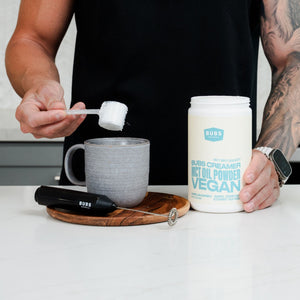
Hydrolyzed peptides are designed to be "instantized," meaning they should dissolve easily in both hot and cold liquids. You can stir it into your morning coffee, blend it into a post-workout smoothie, or even mix it into oatmeal or yogurt. Because high-quality collagen is flavorless and odorless, it won't change the taste of your favorite foods.
Routine Timing
There is no "perfect" time of day to take collagen, but many people find success building it into their morning routine. The goal is to make it a habit so you never miss a day. If you are using it for recovery, taking it shortly after a workout can help your body begin the repair process for both skin and muscle tissue.
The Relationship Between Hydration and Elasticity
While collagen provides the structure, water provides the volume. You cannot have elastic, bouncy skin if you are chronically dehydrated. Dehydration makes the skin look dull, emphasizes fine lines, and makes it feel "tight" in an unhealthy way.
Collagen actually helps the skin hold onto moisture by supporting the production of hyaluronic acid, a molecule that can hold up to 1,000 times its weight in water. To get the most out of your supplement, ensure you are drinking plenty of water throughout the day. If you struggle with hydration, especially during exercise, an electrolyte supplement like our Hydrate or Die can help maintain the fluid balance necessary for healthy skin cells. For more on electrolyte support, check out our Hydration Essentials guide.
Realistic Expectations for Skin Health
It is important to remember that supplements are just one piece of the puzzle. While a high-quality collagen peptide can support skin elasticity, it cannot undo the damage of a lifestyle that is hard on the skin.
To see the best results, pair your supplementation with:
-
Sun Protection: UV rays are the primary cause of collagen breakdown. Wear sunscreen daily.
-
Adequate Sleep: Your body does most of its tissue repair while you sleep.
-
A Balanced Diet: Focus on whole foods, healthy fats, and plenty of antioxidants.
-
Stress Management: High levels of cortisol (the stress hormone) can inhibit collagen production.
Results vary from person to person. Someone in their 30s may notice a difference in skin hydration faster than someone in their 60s who has more significant collagen loss. Listen to your body and give the supplement time to work through your system.
Conclusion
The search for the best collagen supplement for skin elasticity leads to a simple conclusion: quality and bioavailability are everything. By choosing a hydrolyzed Type I and III collagen, ensuring it is sourced from clean, grass-fed animals, and pairing it with Vitamin C, you give your skin the best possible chance to remain firm and resilient.
At BUBS Naturals, we take this mission seriously. Our products are designed for people who lead active lives and want supplements that actually perform. We prioritize clean ingredients and third-party testing because we know that trust is earned through results. Furthermore, your choice to prioritize your wellness helps us give back; we donate 10% of all our profits to veteran-focused charities in honor of Glen "BUB" Doherty.
Start with one scoop a day, stay consistent, and focus on a lifestyle that supports your body from the inside out.
-
Choose Quality: Look for grass-fed, hydrolyzed peptides.
-
Stay Consistent: Aim for a 90-day window to see real changes.
-
Hydrate: Support your skin's moisture levels with plenty of water.
-
Protect: Combine supplements with sun protection and good sleep.
The best way to see the difference is to start today. Grab a tub of our Collagen Peptides and make it a non-negotiable part of your daily routine.
FAQ
Does collagen really help with skin elasticity?
Many clinical studies and systematic reviews suggest that daily intake of hydrolyzed collagen peptides can support skin hydration, texture, and elasticity. While it is not a miracle cure, providing the body with specific amino acids like glycine and proline can help support the natural repair of the skin's structural scaffold.
How long does it take for collagen to work for skin?
While individual results vary, most research indicates that it takes between 4 and 12 weeks of consistent, daily use to see visible improvements in skin elasticity. Collagen works from the inside out, so the body needs time to process the peptides and stimulate the cells responsible for skin repair.
Which is better for skin, bovine or marine collagen?
Both are effective, but they serve slightly different needs. Marine collagen is almost entirely Type I, which is the primary collagen in skin, and it often has smaller particles for faster absorption. Bovine collagen contains both Type I and Type III, making it a more versatile choice for supporting skin, gut health, and joint recovery at the same time.
Can I get enough collagen from food alone?
While foods like bone broth and organ meats contain collagen, the levels are often inconsistent and the molecules are not hydrolyzed, making them harder for the body to absorb. Supplements provide a concentrated, bioavailable dose of specific peptides that are easier for the body to utilize for skin health.