Table of Contents
- Introduction
- The Foundation: What Is Bone Broth Collagen?
- Support for Joint Health and Mobility
- Strengthening the Gut Lining
- Skin, Hair, and Nail Vitality
- The Role of Glycine in Sleep and Brain Function
- Comparing Different Sources of Bone Broth
- Bone Broth vs. Collagen Peptides: Which Is Best?
- Hydration and Electrolytes
- How to Get the Most Out of Bone Broth Collagen
- Why Quality and Testing Matter
- Potential Downsides and Considerations
- Bottom Line
- Conclusion
- FAQ
Introduction
You’ve likely seen the steam rising from a mug of "liquid gold" in a friend’s kitchen or noticed colorful cartons taking over the grocery aisles. Bone broth has moved from a traditional kitchen staple to a modern wellness essential, largely because of its unique collagen profile. Whether you are recovering from a heavy lifting session, navigating a long day on the trail, or simply looking to support your body as you age, understanding what bone broth collagen is good for can help you decide how to fuel your lifestyle.
At BUBS Naturals, we believe that nutrition should be simple, effective, and rooted in high-quality ingredients. This guide explores the specific ways bone broth collagen supports your joints, gut, and recovery. We will break down the science of different collagen types, compare broth to concentrated peptides, and show you how to integrate these nutrients into your daily routine. By the end, you’ll understand how this ancient remedy fits into a modern, active life and whether our Collagen Peptides collection is the right next step.
Quick Answer: Bone broth collagen is primarily used to support joint mobility, strengthen the gut lining, and promote healthy skin and hair. It provides a rich source of Type II collagen and essential amino acids like glycine and glutamine that are often missing from modern diets.
The Foundation: What Is Bone Broth Collagen?
To understand what it is good for, we first need to look at how it is made. Bone broth is created by simmering animal bones and connective tissues—usually from beef, chicken, or fish—for an extended period, often between 12 and 24 hours. This slow-simmering process does something meat-only broths cannot: it breaks down the tough collagen within the bones and cartilage into gelatin.
Collagen is the most abundant protein in your body, acting as the "glue" that holds everything together. When you cook it down into broth, it becomes bioavailable, meaning your body can easily absorb and use the nutrients. Bioavailability refers to how efficiently a substance enters your circulation to be used by your cells. Unlike a standard protein shake, bone broth contains a specific matrix of amino acids, minerals, and compounds like glucosamine and chondroitin.
While your body produces its own collagen, that production begins to drop as early as your mid-20s. Factors like high-intensity training, sun exposure, and a standard modern diet can also accelerate this decline. Bone broth serves as a whole-food way to replenish those building blocks, providing the structural support your body needs to stay resilient.
Support for Joint Health and Mobility
One of the most common reasons people turn to bone broth is for joint support. If you’ve ever felt the "creak" in your knees after a long run or stiffness in your shoulders after a day of heavy carries, you know that joint health is the limiting factor for many athletes.
Most bone broths—especially those made from chicken—are rich in Type II collagen. This specific type is the primary component of your cartilage, the slippery tissue that cushions your joints and allows for smooth movement. By providing the body with Type II collagen, bone broth may support the maintenance of this cushioning.
Beyond just collagen, the simmering process releases glycosaminoglycans (GAGs). These include well-known compounds like:
-
Glucosamine: Often used to support the structural integrity of joints.
-
Chondroitin: Helps the cartilage retain water, staying bouncy and resilient.
-
Hyaluronic Acid: Acts as a natural lubricant for the joint space.
For those of us who push our bodies hard, these compounds are vital. They help ensure that our "hardware" can keep up with the demands of our training. Many athletes report that regular consumption of these nutrients helps them feel more fluid and less restricted during movement.
Key Takeaway: Bone broth provides Type II collagen and GAGs like chondroitin, which act together to support the structural integrity and lubrication of your cartilage, potentially reducing the wear and tear associated with high-impact activity.
Strengthening the Gut Lining
Modern life can be hard on the digestive system. Stress, processed foods, and certain medications can lead to what is often called "leaky gut." This happens when the tight junctions of your intestinal wall become compromised, allowing undigested food particles or toxins to enter the bloodstream. This can cause systemic inflammation and fatigue.
Bone broth is often called "soothing" for a reason. It is a concentrated source of the amino acid glutamine. Glutamine is the preferred fuel source for the cells that line your small intestine. By providing these cells with the energy they need, bone broth may help support the repair and maintenance of the gut barrier.
Furthermore, the gelatin in bone broth (the "jiggle" you see when it’s cold) naturally attracts and holds water in the digestive tract. This helps food move more smoothly through the gut and supports a healthy mucosal lining. A strong gut isn't just about digestion; it’s the foundation of your immune system and your ability to absorb all the other nutrients you eat.
Skin, Hair, and Nail Vitality
While we often focus on performance, the structural benefits of collagen are highly visible in our skin, hair, and nails. Your skin is composed of roughly 70% to 80% collagen. It is what gives your skin its elasticity—the ability to "snap back"—and its hydration.
Beef bone broth is typically high in Type I and Type III collagen. These are the types most responsible for the structure of the skin and the strength of our blood vessels. As natural collagen levels dip, we see more fine lines and less firmness. Regularly consuming these types of collagen may support:
-
Hydration: Helping the skin retain moisture from the inside out.
-
Elasticity: Supporting the underlying structure to maintain a firm appearance.
-
Nail Strength: Providing the amino acids like proline that help prevent brittle nails.
If you want a deeper breakdown of the category, check out What Is the Best Collagen Product to Take for Your Lifestyle?
It isn't about vanity; it’s about maintaining the health of the body’s largest organ. Healthy skin is your first line of defense against the environment, especially for those who spend a lot of time outdoors in the sun and wind.
The Role of Glycine in Sleep and Brain Function
One of the less-discussed benefits of bone broth collagen is its high concentration of glycine. Glycine is an amino acid that acts as an inhibitory neurotransmitter. This means it has a calming effect on the central nervous system.
Many people find that a warm cup of broth in the evening helps them wind down. Research suggests that glycine may support sleep quality by slightly lowering the body’s core temperature and helping the brain enter the deeper stages of sleep faster. Better sleep leads to better recovery, clearer thinking, and more energy for the next day's adventures.
In addition to sleep, glycine is a precursor to glutathione, which is one of the body’s most powerful antioxidants. Antioxidants help protect your cells from the oxidative stress caused by hard training and environmental toxins. By supporting your glycine levels, you are essentially helping your body’s internal cleaning crew work more effectively, which we explore in Understanding What Collagen Does for Your Body and Wellness.
Comparing Different Sources of Bone Broth
Not all broths are created equal. The animal source determines which type of collagen is most prevalent and, therefore, what the broth is best for.
| Broth Source |
Primary Collagen Type |
Primary Benefit Focus |
Key Nutrients |
| Beef |
Types I & III |
Skin, Gut, and Organs |
High glycine and proline |
| Chicken |
Type II |
Joint and Cartilage Support |
Glucosamine, Chondroitin |
| Fish |
Type I |
Skin Elasticity & Fast Absorption |
Smaller peptide size (bioavailable) |
If your main goal is joint health, chicken bone broth is often the preferred choice. If you are more focused on skin health or gut repair, beef bone broth is generally the better option. For many, a rotation of different types provides the most well-rounded support for the entire body.
Myth: All bone broth is the same as regular stock.
Fact: Regular stock is simmered for a short time and mostly for flavor. Bone broth is simmered significantly longer to extract the collagen and minerals from the bones themselves, resulting in a much higher protein and nutrient content.
Bone Broth vs. Collagen Peptides: Which Is Best?
You might wonder if you should be drinking broth or taking a supplement like our Collagen Peptides. The answer depends on your lifestyle and your specific goals.
Bone Broth is a whole food. It contains minerals (like calcium, magnesium, and potassium), electrolytes, and healthy fats in addition to collagen. It’s a savory, satisfying option that works well as a snack or a base for meals. However, it can be time-consuming to make and isn't always convenient to consume on the go.
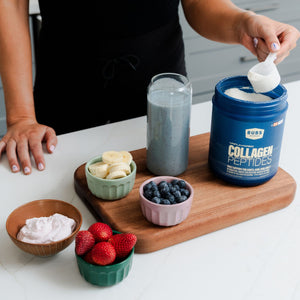
Collagen Peptides (like those we make at BUBS Naturals) are hydrolyzed. This means the collagen has been broken down into even smaller chains of amino acids, making them incredibly easy to digest and absorb. They are tasteless and mix effortlessly into hot or cold liquids, from morning coffee to post-workout shakes. Our Collagen Peptides provide a concentrated, consistent dose of Types I and III collagen without the salt or fat found in broth.
Many people find a "hybrid" approach works best: a scoop of peptides in their morning coffee for a consistent baseline of support, and a warm cup of bone broth in the evening or after a cold outdoor workout for the added minerals and comfort.
Hydration and Electrolytes
One often overlooked benefit of bone broth is its electrolyte content. When you simmer bones, you aren't just getting protein; you’re also pulling out minerals like sodium, potassium, and magnesium.
These electrolytes are essential for:
-
Fluid Balance: Keeping your cells hydrated.
-
Muscle Function: Preventing cramps and supporting contractions.
-
Energy Levels: Maintaining the electrical gradients that power your cells.
If you’ve just finished a long rucking session or a high-intensity interval workout, your body needs more than just plain water. It needs those minerals to actually absorb that water. While we designed our Hydrate or Die electrolyte drink for rapid performance hydration, bone broth is an excellent whole-food recovery drink that provides a similar mineral boost alongside its collagen benefits.
Note: Store-bought bone broths can be very high in sodium. While sodium is an important electrolyte for active people, look for "low-sodium" or "no salt added" versions if you prefer to control your own seasoning or have specific dietary needs.
How to Get the Most Out of Bone Broth Collagen
To see the real benefits of collagen, consistency is the most important factor. You aren't likely to feel a difference after one cup, but after several weeks of regular use, many people notice their joints feel "greased" and their digestion feels more stable.
Here are a few ways to work it into your day:
-
The Morning Ritual: Swap your second cup of coffee for a warm mug of seasoned broth.
-
The Cooking Base: Use broth instead of water when cooking rice, quinoa, or farro to infuse your grains with extra protein.
-
The Recovery Snack: Drink a cup after a workout to kickstart the repair process with amino acids and electrolytes.
-
The Evening Wind-Down: Use the glycine in the broth to help your body prepare for sleep.
If you find the taste of plain broth too intense, try adding a squeeze of lemon, a pinch of sea salt, or some fresh herbs like parsley or ginger. These additions don't just improve the flavor; they add their own antioxidant and digestive benefits.
If consistency is your biggest hurdle, the Collagen Club makes it easy to keep your routine on autopilot.
Why Quality and Testing Matter
The bones used to make broth matter significantly. If an animal lived in a toxic environment or was fed low-quality feed, those impurities can potentially end up in the broth. This is why we are so focused on sourcing.
Whether you are buying broth or a collagen supplement, look for products sourced from grass-fed, pasture-raised animals. These animals are typically healthier, which translates to a cleaner nutrient profile for you. Furthermore, check for third-party testing. At BUBS Naturals, we explain that standard in our guide to NSF Certified & Whole30 Approved Quality, meaning they are tested for purity and banned substances. This is the gold standard for athletes and anyone who cares about exactly what is going into their body.
Potential Downsides and Considerations
While bone broth is generally very safe, there are a few things to keep in mind. Some people with extreme sensitivities to histamine might find that long-simmered broths cause a reaction. Additionally, the high protein content means you should always ensure you are drinking plenty of water throughout the day.
If you are new to bone broth, start with a small amount—about half a cup—to see how your digestion handles it. Most people find it very easy to tolerate, but listening to your body is always the best strategy. If you have a specific medical condition or are on medication, it’s a good idea to consult your healthcare provider before making major changes to your supplement routine.
Bottom Line
Bone broth collagen is good for providing the structural building blocks your body needs to stay resilient, mobile, and healthy. It offers a unique combination of Type II collagen for joints, glutamine for gut health, and glycine for recovery and sleep.
Bottom line: Bone broth is a nutrient-dense whole food that supports the "inner architecture" of your body—your joints, gut, and skin—making it an ideal tool for anyone living an active, high-performance lifestyle.
Conclusion
Incorporating bone broth collagen into your life is about more than just a trend; it is about returning to a way of eating that values every part of the animal and provides the nutrients our modern diets often lack. Whether you choose the slow-simmered warmth of a traditional broth or the convenience of our hydrolyzed Collagen Peptides, you are giving your body the tools it needs to recover faster and perform better.
At BUBS Naturals, our mission is to help you live a life of adventure and purpose, inspired by the BUBS story. We believe in providing clean, effective products that do exactly what they say they will. In honor of Glen, we donate 10% of all our profits to veteran-focused charities, ensuring that your journey toward wellness also supports those who have served.
Take the next step in your recovery routine. Whether it's starting your day with our easy-mixing Collagen Peptides or ending it with a warm cup of broth, your body will thank you for the support.
FAQ
Does bone broth collagen really work for joints?
Many athletes and people with joint discomfort report significant benefits from the Type II collagen and glycosaminoglycans found in bone broth. These nutrients provide the building blocks for cartilage and help maintain joint lubrication. While individual results vary, consistent use over several weeks is typically necessary to feel the structural support.
Is bone broth better than collagen powder?
Neither is strictly "better," as they serve different purposes. Bone broth is a whole food containing minerals and healthy fats, but it is less concentrated and harder to consume on the go. Collagen powder, like our Collagen Peptides, is hydrolyzed for faster absorption and is tasteless, making it easier to take a consistent, high dose every day.
Can I drink bone broth every day?
Yes, most people can safely enjoy bone broth every day. A common serving is one to two cups daily. It is a low-calorie, high-protein snack that can help you stay satiated between meals while providing a steady stream of amino acids for recovery and gut health.
How long does it take to see benefits from bone broth?
Collagen-based benefits are not immediate because they involve supporting the structure of tissues like skin, joints, and the gut lining. Most people report noticing changes in their digestion or skin hydration within 2 to 4 weeks, while joint and bone support may take 8 to 12 weeks of consistent daily use.