Table of Contents
- Introduction
- The Biological Foundation of Collagen
- Essential Co-factors: The Silent Heroes
- Animal-Based Powerhouses for Collagen
- Plant-Based Support and "Collagen Boosters"
- The Role of Strategic Supplementation
- Lifestyle Factors: Protecting Your Collagen Investment
- Integrating BUBS Into Your Daily Routine
- The BUBS Naturals Mission: Wellness with Purpose
- Conclusion
- FAQ
Introduction
Did you know that by the time you reach your thirtieth birthday, your body’s natural ability to produce collagen has already begun a slow, steady decline? It is a biological reality that often goes unnoticed until we start feeling a bit more stiffness in our joints after a morning run or noticing that our skin doesn’t bounce back quite like it used to. Collagen is the most abundant protein in the human body, acting as the literal "glue" that holds everything together—from your skin and hair to your tendons, ligaments, and even your bones. While the market is flooded with topical creams and temporary fixes, the real magic happens from the inside out.
At BUBS Naturals, we are driven by the belief that a life well-lived is one fueled by clean, functional nutrition and a spirit of adventure. Our foundation is built on the legacy of Glen "BUB" Doherty, a Navy SEAL, adventurer, and friend who lived life to the fullest. In his honor, we are committed to providing you with the highest quality tools to support your wellness journey, and that starts with understanding how to fuel your body’s internal machinery. We want to help you navigate the complex world of nutrition so you can feel your best whether you are scaling a mountain or simply keeping up with a busy work week.
The purpose of this post is to provide a deep dive into the nutritional strategies that support your body’s natural collagen synthesis. We will explore the specific vitamins and minerals that act as essential co-factors, identify the best whole-food sources for these nutrients, and discuss how lifestyle choices impact your protein levels. By the end of this article, you will have a clear, actionable roadmap for using whole foods and high-quality supplements to maintain your vitality. We’ll cover everything from the importance of vitamin C to the role of specific amino acids found in both animal and plant-based diets.
What sets this guide apart is our "no-BS" approach. We aren't interested in overhyped miracles; we are interested in science-backed nutrition and functional habits. We believe that by combining the right foods with the cleanest supplements, like our Collagen Peptides, you can build a resilient body ready for any challenge. Together, we will look at how a holistic approach to wellness—incorporating diet, hydration, and movement—can help you age gracefully and perform at your peak.
The Biological Foundation of Collagen
To understand which foods are most effective, we first need to look at what collagen actually is. It is a structural protein composed of long chains of amino acids, primarily glycine, proline, and hydroxyproline. These chains wind around each other to form a triple helix structure that is incredibly strong and flexible. This structure provides the framework for our connective tissues, giving our skin its elasticity and our joints their cushioning.
There are at least 16 different types of collagen, but about 80% to 90% of the collagen in the body consists of Types I, II, and III. Type I is found in skin, tendons, and bone; Type II is primarily in cartilage; and Type III is found in muscles and blood vessels. When we talk about supporting collagen through diet, we are looking for foods that provide the raw building blocks for these specific types.
The process of creating collagen is called collagen synthesis. This is a complex biological sequence that happens within your cells, specifically in fibroblasts. It requires more than just protein; it requires specific "assistant" nutrients called co-factors. Without these co-factors, your body cannot effectively link those amino acids together. This is why a balanced diet is so critical—you can eat all the protein in the world, but if you are deficient in key vitamins and minerals, your body’s "collagen factory" will struggle to keep up with demand.
As we age, our internal production slows down, and the quality of the collagen we produce can diminish. Environmental stressors like UV radiation, pollution, and high sugar intake can also damage existing collagen fibers. This makes it even more important to focus on nutrient-dense foods that protect what we have while encouraging the production of new, healthy fibers.
Essential Co-factors: The Silent Heroes
When people ask what foods boost collagen production, they often focus solely on protein. However, the unsung heroes of this process are the vitamins and minerals that catalyze the chemical reactions necessary for synthesis. Foremost among these is Vitamin C. This antioxidant is absolutely essential because it acts as a key co-factor for the enzymes that stabilize and cross-link collagen molecules. Without enough Vitamin C, the collagen fibers produced are weak and unstable.
If you find it difficult to get enough of this nutrient through citrus and greens alone, a targeted supplement like our Vitamin C can provide that extra support. It includes citrus bioflavonoids which help with absorption, ensuring your body has what it needs to keep that synthesis process running smoothly.
Beyond Vitamin C, minerals like zinc and copper play vital roles. Zinc is required for cell division and protein synthesis, helping to maintain the integrity of the skin and mucosal membranes. Copper is involved in the activation of lysyl oxidase, an enzyme required for the cross-linking of collagen and elastin, which gives tissues their strength and elasticity.
Finally, we cannot overlook the role of antioxidants in general. Oxidative stress from free radicals can break down collagen fibers prematurely. Consuming a rainbow of colorful fruits and vegetables provides a variety of phytonutrients that neutralize these free radicals, effectively shielding your collagen from damage. This protective aspect of nutrition is just as important as the building aspect.
Animal-Based Powerhouses for Collagen
Animal products are often the most direct sources of the amino acids and collagen precursors our bodies need. This is because animals have the same connective tissue structures as humans. When we consume these parts, we are getting a concentrated dose of the very building blocks we are trying to replenish.
Bone Broth: The Traditional Elixir
Bone broth has gained immense popularity for a reason. By simmering animal bones and connective tissue for extended periods, you extract collagen, gelatin, and a wealth of minerals. The slow-cooking process breaks down the tough structures into an easily absorbable form. It is rich in glycine and proline, making it a fantastic foundational food for joint and gut health.
Chicken: More Than Just Lean Protein
Many of the collagen supplements on the market are derived from chicken. If you have ever prepared a whole chicken, you’ve seen the amount of connective tissue present. Chicken neck and cartilage are particularly rich sources. Even the skin of the chicken contains significant amounts of collagen, though we often overlook it in favor of lean breast meat.
Fish and Shellfish
Fish collagen is highly regarded for its bioavailability, meaning it is absorbed more efficiently than some other sources. The highest concentrations are found in the parts we often discard: the skin, scales, and bones. Eating small, whole fish like sardines or choosing wild-caught salmon with the skin on are excellent ways to naturally boost your intake. Marine collagen is primarily Type I, which is the most prevalent type in human skin.
Egg Whites
While eggs don't contain connective tissue like meat, egg whites are exceptionally high in proline, one of the primary amino acids needed for collagen production. Incorporating eggs into your breakfast is a simple way to provide your body with the raw materials it needs to start the day strong.
Plant-Based Support and "Collagen Boosters"
It is a common misconception that you must eat animal products to support your collagen levels. While plants do not contain collagen themselves, they are rich in the precursors and co-factors that allow your body to build its own. A plant-rich diet is essential for providing the "labor force" that puts the amino acid "bricks" together.
Citrus Fruits and Berries
As we’ve established, Vitamin C is non-negotiable. Oranges, grapefruits, lemons, and limes are classic sources, but berries are equally potent. Strawberries, blueberries, and raspberries offer a double benefit: they are high in Vitamin C and packed with antioxidants that protect against collagen degradation.
Leafy Greens
Spinach, kale, and Swiss chard are nutritional powerhouses. They contain chlorophyll, which some studies suggest may increase the precursor to collagen in the skin. Additionally, greens are a great source of Vitamin C and various minerals that support overall skin and joint health.
Bell Peppers and Tomatoes
Red bell peppers are actually higher in Vitamin C than many citrus fruits. Tomatoes are also rich in lycopene, a powerful antioxidant that protects the skin from UV damage. Since sun exposure is one of the primary causes of collagen breakdown, eating lycopene-rich foods acts like an internal layer of protection for your skin’s structural integrity.
Garlic and Sulfur-Rich Foods
Garlic is more than just a flavor enhancer; it is high in sulfur, a trace mineral that helps synthesize and prevent the breakdown of collagen. It also contains taurine and lipoic acid, which support the rebuilding of damaged collagen fibers. Adding garlic, onions, and cruciferous vegetables like broccoli to your meals provides the sulfur necessary for strong connective tissue.
Legumes and Beans
For those following a plant-based lifestyle, beans and lentils are vital. They provide the protein and amino acids necessary for synthesis, and many are also high in copper and zinc, which we know are essential co-factors.
The Role of Strategic Supplementation
While we always advocate for a "food-first" approach, the reality of modern life—stress, environmental toxins, and the natural aging process—means that sometimes our bodies need a more concentrated source of nutrients. This is where high-quality, clean supplements come into play. When you choose to supplement, it is vital to select products that are free from fillers and backed by rigorous testing.
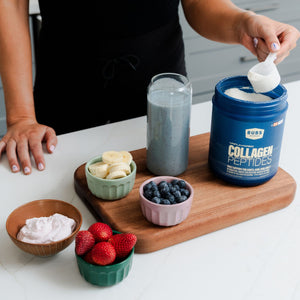
Our Collagen Peptides Collection was designed specifically for those who live active, adventurous lives. We use grass-fed, pasture-raised hydrolyzed collagen (Types I and III). Hydrolyzation is a process that breaks the collagen down into smaller peptides, making it incredibly easy for your body to absorb and use immediately. Whether you are looking to support your joints for your next marathon or want to maintain your skin’s natural glow, these peptides provide a consistent, high-potency source of the building blocks your body craves.
One of the reasons our Collagen Peptides are so popular is their versatility. They are unflavored and mix effortlessly into almost anything. This makes it easy to integrate them into your existing diet without having to change your habits. You can stir a scoop into your morning coffee, mix it into a post-workout smoothie, or even add it to a bowl of oatmeal. It’s a simple, "no-BS" way to ensure you are meeting your body’s structural needs every single day.
Furthermore, we believe in transparency. All our products are NSF for Sport certified, meaning they undergo strict third-party testing to ensure what is on the label is exactly what is in the tub. In a world of confusing marketing claims, we stay grounded in quality and integrity, just like the legacy we honor.
Lifestyle Factors: Protecting Your Collagen Investment
What you eat is only half of the equation. If you are eating a collagen-rich diet but engaging in habits that actively destroy those proteins, you are essentially treading water. To truly see the benefits of your nutritional choices, you must also focus on preservation.
The Danger of Sugar and Refined Carbs
Sugar is one of the primary enemies of collagen. Through a process called glycation, sugar molecules in your bloodstream attach to proteins to form harmful new molecules called advanced glycation end products (AGEs). These AGEs make collagen brittle and weak, leading to sagging skin and stiff joints. Minimizing refined sugars and processed flours is one of the best things you can do to protect your internal structural health.
If you struggle with sugar cravings or digestive wellness, some find that incorporating Apple Cider Vinegar Gummies into their daily routine can help support a more balanced lifestyle. These gummies include "the Mother" and offer a convenient way to maintain your general wellness goals without the harsh taste of liquid vinegar.
Sun Exposure and UV Protection
While we love a life of outdoor adventure, we have to be mindful of the sun. Ultraviolet (UV) radiation increases the rate of collagen breakdown in the skin. This doesn't mean you should stay indoors, but it does mean that wearing sunscreen, protective clothing, and consuming antioxidant-rich foods is essential for long-term health.
Sleep and Recovery
The body does its heavy lifting—repairing tissues and synthesizing proteins—while we sleep. Chronic sleep deprivation elevates cortisol, a stress hormone that can further break down collagen. Prioritizing seven to nine hours of quality rest is a non-negotiable part of any wellness protocol.
Integrating BUBS Into Your Daily Routine
We know that life gets busy, and the best wellness routine is the one you can actually stick to. That is why we focus on products that are easy to use and fit seamlessly into your day. A great example of this is the "BUBS Morning Ritual."
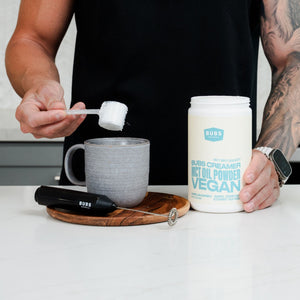
Many members of our community start their day by mixing a scoop of Collagen Peptides and a serving of our MCT Oil Creamer into their morning coffee. The collagen provides the structural support, while the MCTs (Medium Chain Triglycerides) from coconut oil provide sustained energy and mental clarity to tackle the day ahead. This combination is creamy, delicious, and incredibly functional.
For those who are always on the move, our MCT Oil Creamer – 14 ct Travel Pack ensures you never have to compromise on your energy levels, whether you are in a hotel room or on a trailhead. If you prefer a richer flavor, our Butter MCT Oil Creamer – 10 oz Tub offers a velvety texture that transforms a standard cup of coffee into a high-performance fuel source.
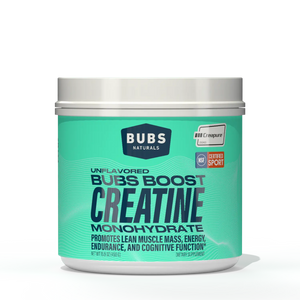
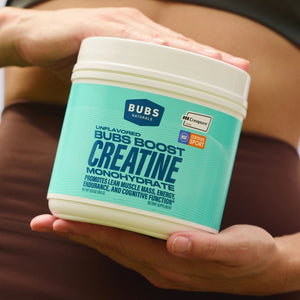
After a long hike or an intense gym session, recovery is key. This is where hydration and muscle support come into play. While collagen supports the connective tissues, your muscles need electrolytes and strength-building nutrients. Pairing your collagen intake with Hydrate or Die – Mixed Berry ensures that your cells are properly hydrated, which is necessary for all metabolic processes, including protein synthesis. To further support your performance goals, adding Creatine Monohydrate to your post-workout routine can help maintain strength and power, allowing you to stay active and keep pushing your limits.
The BUBS Naturals Mission: Wellness with Purpose
At BUBS Naturals, we aren't just selling supplements; we are honoring a legacy. Our name comes from Glen "BUB" Doherty, a hero who lost his life in Benghazi, Libya, in 2012. Glen was a man of action, a protector, and someone who believed that life was meant to be an adventure. He was known for his "work hard, play hard" mentality and his dedication to his teammates.
To keep his spirit alive, we established the 10% Rule. We donate 10% of all our profits to veteran-focused charities, including the Glen Doherty Memorial Foundation. This foundation helps special operations veterans and their families transition to civilian life through education and professional support. When you choose to support your own health with our Collagen Peptides Collection, you are also contributing to a mission that is much bigger than any one of us.
We believe that by living a life of wellness and purpose, we can all make a difference. Our commitment to clean, high-quality ingredients is a reflection of the respect we have for our customers and the legacy we carry. We don't cut corners because Glen didn't cut corners. We provide the best because we believe you deserve the best.
This sense of purpose is what drives us to create products that actually work. Whether it’s our Hydrate or Die – Lemon for those grueling summer workouts or our Butter MCT Oil Creamer – 14 ct Travel Pack for your next business trip, every product is designed to help you live a better, more vibrant life.
Conclusion
Understanding what foods boost collagen production is about more than just skin deep aesthetics; it is about building a body that is resilient, flexible, and ready for whatever adventure life throws your way. By prioritizing animal-based sources like bone broth and fish, loading up on Vitamin C-rich fruits and vegetables, and ensuring you have the right mineral co-factors, you are giving your body the best possible chance to maintain its structural integrity.
Remember that collagen synthesis is a holistic process. It requires the right nutrients, the avoidance of damaging lifestyle habits like excessive sugar and UV exposure, and proper recovery through sleep and hydration. When diet alone isn't enough to keep up with your active lifestyle, integrating clean, third-party-tested supplements can bridge the gap and provide a consistent foundation for your wellness.
We invite you to explore the science and quality behind our Collagen Peptides. By choosing BUBS, you are choosing a product that is as dedicated to your health as it is to the legacy of a true American hero. Whether you are looking for better joint support, improved skin health, or faster recovery, we are here to support you every step of the way.
Take control of your wellness journey today. Start with whole foods, stay hydrated with our Hydration Collection, and fuel your potential. Together, let’s live a life of adventure, purpose, and peak health. Shop the Collagen Peptides Collection and feel the BUBS difference for yourself.
FAQ
Can I get enough collagen from a strictly plant-based diet?
While plants do not contain collagen itself, you can certainly support your body’s natural production on a plant-based diet. Focus on consuming high amounts of Vitamin C from citrus and berries, sulfur from garlic and onions, and the necessary amino acids from legumes, seeds, and nuts. Additionally, ensuring you have enough zinc and copper is vital. Many plant-based eaters also find that supplementing with Vitamin C ensures their "collagen factory" has the co-factors it needs to thrive.
How long does it take to see results from changing my diet or starting supplements?
Consistency is key when it comes to nutrition. Collagen turnover is a relatively slow process. Most people who incorporate collagen-boosting foods and our Collagen Peptides report noticing a difference in their skin hydration and joint comfort after about four to eight weeks of daily use. For hair and nail support, it may take slightly longer, as these tissues take more time to grow and show visible changes.
Is bone broth better than a collagen supplement?
Both have their unique benefits. Bone broth is a whole-food source that provides a variety of minerals and gelatin, which is great for gut health. However, a supplement like our Collagen Peptides is hydrolyzed, meaning the protein is broken down into smaller, more bioavailable pieces that are easier for the body to absorb quickly. Supplements also offer a consistent, measured dose of specific collagen types, which can be harder to track with homemade broth. Many people choose to use both for a comprehensive approach.
What is the best way to take collagen for maximum absorption?
The most important factor is Vitamin C. Your body cannot effectively cross-link collagen fibers without it. Therefore, we recommend taking your collagen alongside a source of Vitamin C. You might stir your peptides into a glass of orange juice or take them with our Vitamin C supplement. Additionally, our peptides are designed to be "mix-easy," so they can be added to hot or cold liquids without clumping, ensuring you get the full dose every time.