Table of Contents
- Introduction
- What Exactly Is Collagen?
- How Your Body Processes Liquid Collagen
- Supporting Joint Health and Mobility
- Enhancing Skin Elasticity and Hydration
- Strengthening Hair and Nails
- Gut Health and Digestive Support
- Muscle Recovery and Athletic Performance
- The Role of Glycine in Sleep and Metabolism
- How to Incorporate Collagen Into Your Routine
- What to Look for in a Collagen Supplement
- Myth vs. Fact: Understanding Collagen
- The Connection Between Vitamin C and Collagen
- Why Quality Matters for Your Long-Term Health
- Summary of the Benefits of Drinking Collagen
- Conclusion
- FAQ
Introduction
Collagen is the most abundant protein in your body. It acts as the structural scaffolding for your skin, joints, bones, and connective tissues. As we age, our natural production of this vital protein begins to slow down. This decline often shows up as stiffer joints, slower recovery times, and less resilient skin. Many people turn to supplements to bridge this gap and maintain their physical edge.
At our brand story page, we focus on providing clean, effective supplements that fit into an active, high-performance lifestyle. We believe that what you put into your body should support your biggest adventures and your daily health. Understanding the science behind collagen is the first step in making it work for you. This guide explores exactly what happens when you start drinking collagen consistently.
We will cover how Collagen Peptides are absorbed, the specific benefits for your joints and skin, and how it supports your overall wellness. Whether you are a marathon runner, a weekend hiker, or someone looking to age gracefully, drinking collagen can be a foundational habit.
What Exactly Is Collagen?
To understand what drinking collagen does, you first need to know what it is. For a deeper dive, What Are Collagen Peptides and Their Benefits? is a helpful companion piece. Collagen is a structural protein made up of amino acids. Think of it as the "glue" that holds your body together. It provides strength and structure to almost every tissue you have. While there are at least sixteen types of collagen, about 80% to 90% of the collagen in your body consists of Types I, II, and III.
Type I collagen is found in your skin, tendons, and bones. It is incredibly strong and provides significant structural support. Type III collagen is usually found alongside Type I and supports the structure of muscles, organs, and arteries. When you drink a high-quality collagen supplement, you are typically consuming hydrolyzed collagen peptides from the Collagen Peptides collection.
Hydrolyzed means the long chains of protein have been broken down into smaller pieces. These smaller pieces are much easier for your body to digest and absorb. Instead of trying to break down a massive protein molecule, your body can quickly take in these peptides and put them to work. This process is what makes drinking collagen so effective compared to just eating collagen-rich foods like bone broth or gristle.
How Your Body Processes Liquid Collagen
When you drink collagen, it doesn't just travel directly to your knee or your face. Your digestive system breaks the peptides down into individual amino acids and small peptide chains. These enter your bloodstream through the small intestine. From there, they act as the raw building blocks your body needs to manufacture its own collagen.
Bioavailability refers to how well your body can absorb and use a substance. Hydrolyzed collagen has high bioavailability because the "pre-digested" peptides bypass the heavy lifting usually required by your stomach. Once in the blood, these amino acids do two things. First, they provide the specific materials needed for repair. Second, they act as a signal to your cells.
Your body has specialized cells called fibroblasts and chondrocytes. Fibroblasts create collagen in your skin, while chondrocytes manage it in your cartilage. When these cells detect an influx of collagen peptides, they are essentially "tricked" into thinking there is a breakdown in the body. This triggers them to ramp up natural collagen production. Drinking collagen isn't just about replacing what you lost; it is about telling your body to start building again.
Supporting Joint Health and Mobility
One of the most common reasons people start drinking collagen is to support their joints. Your joints are cushioned by cartilage, a firm, rubbery tissue that prevents bones from rubbing together. Cartilage is primarily made of collagen. Over years of training, running, or simply walking, this cartilage can wear down.
Drinking collagen can help maintain the integrity of your cartilage. When you provide your body with a steady supply of Type I and III collagen, you support the repair of connective tissues. If you want a simple daily option, the Collagen Peptides collection is a natural place to start. Many athletes report that consistent use helps reduce the "creaky" feeling in their knees and shoulders. It is about staying mobile and keeping your body ready for the next challenge.
Key Takeaway: Collagen peptides provide the specific amino acids, such as proline and glycine, that are essential for maintaining healthy joint tissue and supporting recovery after physical stress.
Enhancing Skin Elasticity and Hydration
Your skin is the largest organ in your body, and collagen makes up about 75% of its dry weight. It is responsible for the skin's firmness and elasticity. As collagen levels drop with age or sun exposure, the skin becomes thinner and drier. This is when fine lines and wrinkles begin to appear.
Drinking collagen supports the dermis, which is the deep layer of your skin. By stimulating the fibroblasts in the dermis, collagen supplements help increase the density of the collagen fibers. This can lead to skin that feels more hydrated and resilient. It is not a cosmetic "fix" that sits on the surface; it is internal support that works from the inside out.
Many people notice a difference in skin moisture levels after a few weeks of daily use. Because collagen helps the skin retain water, it often results in a healthier, more vibrant appearance. For days when you need extra hydration support, Hydrate or Die fits that same routine. This hydration is critical for protecting the skin against environmental stressors like wind, cold, and pollution during outdoor activities.
Strengthening Hair and Nails
While joints and skin get the most attention, your hair and nails also benefit significantly from collagen. Your hair is primarily made of a protein called keratin. Your body uses several amino acids to build keratin, and many of these are found in collagen. Proline, in particular, is a main component of keratin.
Drinking collagen provides the nutrients necessary for stronger hair and nails. When your body has an abundance of these amino acids, it can direct them toward the hair follicles and nail beds. This can lead to nails that are less prone to breaking and hair that feels thicker and healthier. If you spend a lot of time outdoors or in harsh conditions, your hair and nails can take a beating. Providing internal support helps them stand up to the elements.
Gut Health and Digestive Support
There is a growing body of evidence suggesting that collagen plays a role in digestive health. The lining of your intestines is made of a single layer of cells held together by "tight junctions." When these junctions weaken, it can lead to digestive discomfort.
The amino acids in collagen, specifically glycine and glutamine, support the gut lining. These amino acids help maintain the barrier function of the intestine. A healthy gut lining ensures that nutrients are absorbed efficiently while keeping unwanted particles out of the bloodstream. Many people who experience general digestive sluggishness find that adding collagen to their morning routine helps things feel more balanced.
Note: While collagen is excellent for gut support, it is not a cure for medical conditions. If you have chronic digestive issues, always consult with a healthcare professional.
Muscle Recovery and Athletic Performance
Collagen is not a "complete" protein because it lacks the amino acid tryptophan. However, it is an incredible tool for muscle recovery. While whey or plant proteins are great for building muscle mass, collagen focuses on the connective tissues that support those muscles.
Drinking collagen after a workout can help protect your tendons and ligaments. These tissues are often the first to get injured when you push your limits. By supporting the "soft" tissues of the musculoskeletal system, collagen helps you bounce back faster from intense training sessions. It provides the structural support that allows your muscles to function at their peak.
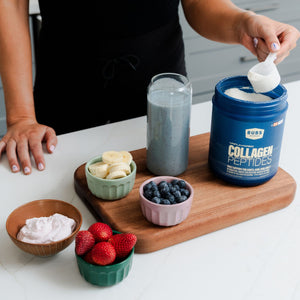
Our Collagen Peptides are designed to mix easily into a post-workout shake or even just a glass of water. Because they are flavorless, they don't interfere with your other supplements. Using them consistently ensures that your structural health keeps pace with your muscular gains.
The Role of Glycine in Sleep and Metabolism
Glycine makes up about one-third of the amino acids in collagen. This specific amino acid has a wide range of benefits beyond just structural repair. Glycine has been shown to have a calming effect on the brain, which may help you fall asleep more easily. Better sleep leads to better recovery and more energy for your daily life.
Furthermore, glycine plays a role in how your body processes blood sugar. It helps your body manage glucose more effectively, providing more stable energy levels throughout the day. When you drink collagen, you aren't just getting "protein"; you are getting a concentrated dose of an amino acid that supports your nervous system and your metabolism.
How to Incorporate Collagen Into Your Routine
The best way to see what drinking collagen can do for your body is to be consistent. Most studies suggest that taking 10 to 20 grams of collagen per day is the effective range for most people. Because it is heat-stable, you have a lot of flexibility in how you consume it.
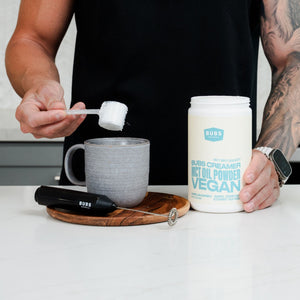
You can stir collagen into your morning coffee. It dissolves completely and won't change the taste. This is one of the easiest ways to build the habit. If you aren't a coffee drinker, try mixing it into a smoothie, a bowl of oatmeal, or even a glass of cold water.
Consistency is key because collagen turnover in the body is a slow process. While some people notice changes in hydration or digestion within a few weeks, joint and bone benefits often take two to three months of daily use. Treat it like your training—it’s the daily work that leads to long-term results.
What to Look for in a Collagen Supplement
Not all collagen products are created equal. To get the best results, you need to choose a supplement that is clean and pure. Many low-quality options are filled with artificial flavors, sweeteners, and "fillers" that provide no nutritional value.
Look for grass-fed and pasture-raised bovine collagen. This ensures the animals were raised in a healthy environment, which translates to a cleaner final product. You should also look for a product that is third-party tested. This means an independent lab has verified that what is on the label is actually in the tub.
At BUBS Naturals, our safest collagen supplement is NSF for Sport certified. This is the gold standard for athletes because it guarantees the product is free from banned substances and contaminants. We keep our formula simple: one ingredient, grass-fed, and pasture-raised. No BS, just the stuff that works.
Myth vs. Fact: Understanding Collagen
Myth: You can just eat more meat to get enough collagen.
Fact: Most modern diets are high in muscle meats (like chicken breast and steak), which are low in collagen. To get enough through food, you would need to consume connective tissues, skin, and bone broth regularly. Drinking collagen peptides is a much more concentrated and convenient source.
Myth: Collagen is only for women or for vanity.
Fact: Collagen is a functional protein for everyone. Men and women alike need it for joint integrity, gut health, and muscle recovery. It is as much about performance as it is about appearance.
Myth: All protein powders do the same thing.
Fact: Collagen has a unique amino acid profile. While whey protein is high in branched-chain amino acids (BCAAs) for muscle building, collagen is high in glycine and proline for structural repair. They serve different roles in your body.
The Connection Between Vitamin C and Collagen
Your body cannot effectively produce collagen without Vitamin C. This vitamin acts as a co-factor in the synthesis process. Essentially, it helps the amino acids "bond" together to form the collagen triple helix.
Drinking collagen alongside a source of Vitamin C can boost its effectiveness. If your diet is low in fruits and vegetables, How to Get Vitamin C: A Comprehensive Guide to Boosting Your Intake can help you build that habit. It ensures that once the peptides are absorbed, your body has everything it needs to turn them into functional tissue.
Why Quality Matters for Your Long-Term Health
When you commit to a daily supplement, you want to know it is helping, not hindering, your health. Some collagen powders use harsh chemicals during the "hydrolyzing" process. This can leave trace residues in the powder. By choosing a premium brand, you ensure that the process used to break down the protein is as clean as possible.
A clean supplement mixes better and tastes better. If you’ve ever tried a collagen powder that clumped or had a "funky" aftertaste, it was likely an issue with the sourcing or the processing. High-quality collagen should be virtually tasteless and dissolve in seconds. This makes it much easier to stick to your routine over the long haul.
Summary of the Benefits of Drinking Collagen
Drinking collagen daily is a simple habit with broad-reaching benefits. It provides the building blocks for your body's most important structural systems. By supporting your joints, you stay active longer. By supporting your skin, you maintain your resilience. By supporting your gut, you improve your overall wellness.
| Focus Area |
Primary Benefit |
Key Amino Acids |
| Joints |
Supports cartilage and mobility |
Proline, Hydroxyproline |
| Skin |
Increases elasticity and hydration |
Glycine, Proline |
| Gut |
Strengthens intestinal lining |
Glutamine, Glycine |
| Muscle |
Protects tendons and ligaments |
Arginine, Glycine |
| Sleep |
Promotes a calm nervous system |
Glycine |
Conclusion
Drinking collagen is one of the most effective ways to support your body’s structural integrity and long-term performance. It is a clean, science-backed habit that fits effortlessly into any routine. Whether you are looking to recover faster from your workouts, keep your joints healthy, or simply maintain your natural vitality, collagen peptides provide the essential tools your body needs to thrive.
At BUBS Naturals, we are driven by more than just making great supplements. We are a mission-based company inspired by the life of Glen "BUB" Doherty, a Navy SEAL who lived a life of adventure and service. In his honor, we donate 10% of all our profits to veteran-focused charities. You can read more about Giving Back to Veterans & Our Communities and the 10% Rule. When you choose our products, you are not just investing in your own health—you are helping us support a cause that truly matters.
Bottom line: Consistently drinking high-quality collagen helps you stay ready for whatever adventure comes next.
FAQ
How long does it take for drinking collagen to start working?
Most people begin to notice improvements in skin hydration and digestive comfort within 2 to 4 weeks. For more significant changes in joint mobility and nail strength, it typically takes 8 to 12 weeks of daily use. Consistency is the most important factor in seeing long-term results.
Can I drink collagen on an empty stomach?
Yes, you can drink collagen on an empty stomach without any issues. Many people find that taking it first thing in the morning helps them stay consistent with their routine. Because it is hydrolyzed, it is very gentle on the digestive system and unlikely to cause upset.
Does drinking collagen count toward my daily protein intake?
Collagen does contribute to your total protein intake, but it should not be your only source of protein. It is missing one essential amino acid (tryptophan), so it is not a "complete" protein. It is best used as a supplement to a balanced diet that includes other protein sources like meat, fish, or plant-based proteins.
Is it okay to put collagen in hot coffee?
Absolutely. Collagen peptides are heat-stable, meaning the high temperature of coffee or tea will not damage the protein or reduce its effectiveness. It dissolves very easily in hot liquids, making it a popular addition to a morning brew or a warm cup of bone broth.