Table of Contents
- Introduction
- The Biological Scaffolding: Defining Collagen
- What Does Collagen Do in Our Body Across Different Systems?
- The Diverse Types of Collagen
- Why Do Collagen Levels Decline?
- The Power of Collagen Peptides
- Integrating Collagen into Your Daily Ritual
- The BUBS Standard: Clean, Tested, and Purpose-Driven
- A Legacy of Giving Back: The 10% Rule
- Collagen and Muscle Maintenance
- The Gut-Health Connection
- How to Choose the Right Collagen for You
- Common Myths About Collagen
- Supporting Your Body's Natural Functions
- Conclusion
- FAQ
Introduction
At any given moment, your body is being held together by a complex, microscopic scaffolding. It accounts for roughly 30% of the total protein in your body and a staggering 70% of the protein found in your skin. This substance, known as collagen, is the most abundant protein in the human kingdom, acting as the biological "glue" that provides structure to your bones, skin, muscles, tendons, and ligaments. While many people associate it primarily with beauty products or anti-aging creams, the reality of what collagen does in our body is far more profound and foundational to our overall wellness and ability to lead an active, adventurous life.
We started BUBS Naturals with a clear mission: to provide clean, functional, and science-backed supplements that help people live better and give back to something greater. Inspired by the legacy of Glen “BUB” Doherty—a Navy SEAL, adventurer, and friend—we believe in high-quality ingredients that support the body’s natural functions without any "BS." Understanding what collagen does in our body is central to our philosophy because when your internal framework is strong, you are free to pursue the adventures that make life meaningful.
In this exploration, we will dive deep into the biological roles of collagen, the different types that exist within us, and why our natural levels tend to decline as we age. We will examine how this protein supports everything from joint mobility to gut health and skin elasticity. Furthermore, we will discuss how clean supplementation, specifically through our Collagen Peptides, can seamlessly integrate into your daily ritual to support your long-term wellness goals. By the end of this article, you will have a comprehensive understanding of why collagen is indispensable to your physical health and how you can support your body’s natural production through mindful lifestyle choices and quality nutrition.
The Biological Scaffolding: Defining Collagen
To understand what collagen does in our body, we must first look at its structure. Collagen is a hard, insoluble, and fibrous protein. In most collagens, the molecules are packed together to form long, thin fibrils. These act as supporting structures and anchor cells to each other. They give the skin strength and elasticity.
Chemically, collagen is composed of amino acids, the most prominent being glycine, proline, and hydroxyproline. These amino acids form a unique "triple helix" structure—imagine three strands of rope twisted tightly together. This configuration is what gives collagen its incredible tensile strength. Gram for gram, certain types of collagen fibers are actually stronger than steel.
Within the body, collagen is not a static substance. It is constantly being broken down and rebuilt in a process known as collagen synthesis. This process requires various cofactors, most notably vitamin C. This is why we often emphasize the importance of a balanced nutrient profile; without the right "tools," your body’s internal construction crew cannot effectively build the collagen it needs to maintain your tissues.
What Does Collagen Do in Our Body Across Different Systems?
The reach of collagen is extensive. It isn’t just in one place; it is a systemic requirement for health. From the top of your head to the soles of your feet, collagen is working behind the scenes.
Skin Health and Elasticity
The dermis, which is the middle layer of the skin, is where collagen forms a fibrous network of cells called fibroblasts, upon which new cells can grow. This process is vital for the replacement and restoration of dead skin cells. As we age, our bodies produce less collagen, and the structural integrity of the skin declines. This leads to the formation of wrinkles and the weakening of cartilage in joints.
When people ask what collagen does in our body regarding appearance, the answer is simple: it provides the bounce and firmness we associate with youth. By supporting the skin’s moisture barrier and structural framework, collagen helps maintain a smooth, hydrated complexion. This is one of the primary reasons many people start their journey with our Collagen Peptides Collection, seeking to support their skin from the inside out.
Joint and Connective Tissue Support
For the adventurers and athletes among us, the role of collagen in joint health is perhaps the most critical. Collagen is a major component of cartilage, the tissue that cushions your joints. It’s also the primary material in tendons (which connect muscle to bone) and ligaments (which connect bone to bone).
When you are out on a trail run, lifting in the gym, or paddling out into the surf, your joints are under constant stress. Collagen provides the elasticity and strength needed to absorb that impact. A healthy supply of collagen ensures that these tissues remain resilient, supporting overall mobility and helping you stay active longer. We often see our community pair their morning collagen with Hydrate or Die – Lemon to ensure they are both structurally supported and properly hydrated for the day's challenges.
Bone Density and Structure
While we often think of bones as being made mostly of minerals like calcium, collagen is actually the framework that holds those minerals in place. Think of collagen as the "rebar" in concrete. It provides the flexibility that allows bones to absorb pressure without snapping. As collagen levels drop, bones can become more brittle. Supporting your collagen levels is a proactive way to maintain bone strength throughout your life.
The Diverse Types of Collagen
Not all collagen is created equal. While scientists have identified at least 28 different types of collagen, the vast majority of the collagen in your body—about 80% to 90%—consists of Types I, II, and III.
-
Type I: This is the most common type and is found in almost all connective tissues. It is particularly dense and is the primary component of skin, bones, and tendons.
-
Type II: Found primarily in elastic cartilage, this type is the main supporter of joint health.
-
Type III: This type usually works alongside Type I. It is found in the structure of muscles, organs, and arteries.
Our Collagen Peptides focus on Types I and III. We source these from grass-fed, pasture-raised bovine hides to ensure you are getting the highest quality, most bioavailable forms of the protein. By focusing on these two types, we provide a product that supports a wide range of needs, from skin radiance to muscle and joint recovery.
Why Do Collagen Levels Decline?
Understanding what collagen does in our body also requires understanding why it goes away. Natural collagen production begins to slow down as early as our mid-20s. By the time we reach our 40s and 50s, the decline becomes more noticeable. However, age isn't the only factor at play. Several lifestyle and environmental elements can accelerate the breakdown of collagen:
-
UV Exposure: Ultraviolet rays from the sun break down collagen fibers in the dermis, leading to premature skin aging.
-
High Sugar Intake: A diet high in refined sugars can lead to a process called glycation, where sugar molecules attach to proteins (like collagen) and form harmful molecules called AGEs (advanced glycation end products), which make collagen brittle.
-
Smoking: Chemicals in tobacco smoke damage both collagen and elastin, leading to sagging skin and slower wound healing.
-
Stress: High levels of cortisol (the stress hormone) can decrease collagen production.
Because we cannot stop the clock, we focus on what we can control. This includes protecting our skin, eating a nutrient-dense diet, and supplementing where gaps exist.
The Power of Collagen Peptides
When you see the term "peptides," it refers to collagen that has undergone a process called hydrolysis. In its raw state, collagen molecules are quite large and difficult for the human body to absorb. Through hydrolysis, these large molecules are broken down into smaller, shorter chains of amino acids.
These Collagen Peptides are highly bioavailable, meaning they are easily absorbed into the bloodstream. Once absorbed, they act as the building blocks your body needs to trigger its own collagen synthesis. This "one-two punch" of providing raw materials and signaling the body to produce more is why hydrolyzed collagen is so effective for supporting wellness.
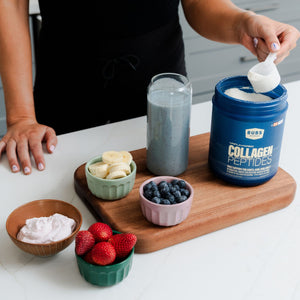
At BUBS, we take this a step further. We ensure our collagen is unflavored and highly soluble. It mixes effortlessly into hot or cold liquids, making it incredibly easy to add to your daily routine. Whether it’s stirred into your morning coffee or blended into a post-workout shake, it's a "no-BS" way to support your structural health.
Integrating Collagen into Your Daily Ritual
The best supplement is the one you actually take. We designed our products to fit seamlessly into the life of someone who is always on the move. Here is how a typical day might look when you prioritize your collagen and overall wellness.
The Morning Kickstart:
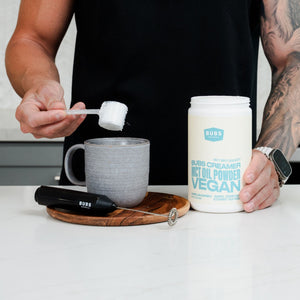
Start your day by adding one scoop of Collagen Peptides to your coffee. To turn that coffee into a creamy, brain-boosting powerhouse, add a scoop of our MCT Oil Creamer. The MCTs provide sustained mental clarity and energy, while the collagen supports your joints and skin before you've even left the house.
The Mid-Day Performance:
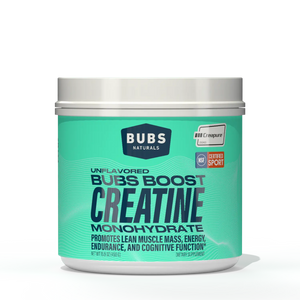
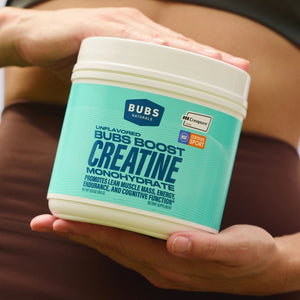
If you’re heading to the gym or hitting the trails during lunch, your body needs more than just water. Mix a packet of Hydrate or Die – Mixed Berry into your water bottle. Proper hydration is essential for the transport of nutrients through the body, including those amino acids from your morning collagen. For those focused on power and strength, adding Creatine Monohydrate to your routine can further support muscle function and training performance.
The Afternoon Reset:
In the late afternoon, it’s easy to reach for a sugary snack. Instead, try our Apple Cider Vinegar Gummies. They offer a convenient way to support digestion and general wellness without the harsh taste of liquid ACV.
The Evening Recovery:
As your body winds down, it enters a state of repair. Ensuring you have adequate vitamin levels is key to this process. Taking Vitamin C in the evening can be particularly beneficial, as it is a necessary cofactor for collagen formation. It helps your body "knit" those collagen strands together while you sleep.
The BUBS Standard: Clean, Tested, and Purpose-Driven
When you choose a supplement, you are placing a high level of trust in the brand. We do not take that lightly. We saw a market filled with fillers, questionable sourcing, and confusing labels, and we decided to do things differently.
Our Collagen Peptides are NSF for Sport certified. This is one of the most rigorous third-party certifications in the supplement industry. It ensures that what is on the label is exactly what is in the tub, and importantly for our athlete community, it guarantees the product is free from over 280 banned substances. Whether you are a professional athlete or a weekend warrior, you deserve to know that your supplements are safe and effective.
Our collagen is also:
-
Grass-Fed and Pasture-Raised: We believe that healthy animals produce a better product. Our collagen is sourced from cattle that roam freely.
-
Gluten-Free and Paleo-Friendly: We keep our ingredients simple to accommodate a variety of dietary needs.
-
Single Ingredient: No sweeteners, no flavorings, no fillers. Just pure collagen peptides.
This "no-BS" approach ensures that you are giving your body exactly what it needs to thrive, without any unnecessary extras.
A Legacy of Giving Back: The 10% Rule
BUBS Naturals was born out of a desire to honor Glen “BUB” Doherty. Glen was more than a Navy SEAL; he was a person who lived life to its absolute fullest. He was a skier, a surfer, a pilot, and a friend who was always ready for the next adventure. After he lost his life in Benghazi, Libya, in 2012, we wanted to find a way to keep his spirit alive.
That is why we established the 10% Rule. We donate 10% of all our profits to veteran-focused charities, specifically the Glen Doherty Memorial Foundation. This foundation provides scholarships to current and former special operations professionals and their families, helping them transition to civilian life through education and vocational training.
When you invest in your health by choosing our Collagen Peptides, you aren't just supporting your own wellness; you are contributing to a legacy of service and adventure. It’s wellness with a purpose.
Collagen and Muscle Maintenance
While collagen isn’t a "complete" protein in the sense that it doesn't contain all nine essential amino acids (it’s missing tryptophan), it plays a unique role in muscle health. It contains high concentrations of glycine and arginine, which are precursors for the natural production of creatine in the body.
For those looking to maintain muscle mass as they age, collagen provides the structural framework that supports muscle fibers. By keeping the connective tissue within the muscle strong, collagen helps ensure that your muscles can function efficiently. This is especially important during recovery. After a grueling workout, your body needs to repair both the muscle fibers and the connective tissues that support them. This is where a combination of our Collagen Peptides and Creatine Monohydrate can be a powerful duo for supporting long-term physical performance.
The Gut-Health Connection
Emerging research and anecdotal evidence suggest that collagen may also support the health of the digestive system. The lining of your digestive tract is made up of similar tissues to your skin and connective tissues. Some wellness experts believe that the amino acids found in collagen—particularly glycine and glutamine—may help support the integrity of the gut lining.
A healthy gut is the foundation of overall health, as it is where we absorb the nutrients that fuel our bodies. By supporting the structural health of the gut, collagen indirectly supports every other system in the body. Many of our customers find that incorporating Apple Cider Vinegar Gummies alongside their collagen routine helps them feel more balanced and energized throughout the day.
How to Choose the Right Collagen for You
With so many options on the market, choosing a collagen supplement can feel overwhelming. Here are a few things to look for to ensure you are getting the best value for your health:
-
Look for "Hydrolyzed": This ensures the collagen is broken down into peptides for better absorption.
-
Check the Source: Ensure the collagen comes from grass-fed, pasture-raised animals to avoid hormones and antibiotics.
-
Verify Third-Party Testing: Certifications like NSF for Sport are the gold standard for purity and safety.
-
Avoid Additives: Your collagen should be just that—collagen. Avoid products with added sugars or artificial flavors that can counteract the benefits.
We’ve checked all these boxes with our Collagen Peptides. Whether you prefer the large 20 oz tub for home use or our Collagen Peptides 20 ct Travel Pack for your next adventure, we make it easy to maintain your standards wherever you go.
Common Myths About Collagen
As collagen has grown in popularity, so have some misconceptions. It’s important to separate fact from fiction.
Myth 1: You can get enough collagen from a normal diet.
While you can get collagen from bone broth and organ meats, most modern diets are quite low in these items. Furthermore, the collagen in food is not always as bioavailable as hydrolyzed peptides.
Myth 2: Collagen only works for your skin.
As we’ve explored, collagen is vital for joints, bones, muscles, and even your arteries. Its benefits are systemic, not just cosmetic.
Myth 3: All collagen is the same.
The quality of sourcing and the molecular weight of the peptides make a significant difference in how well your body can utilize the protein.
Myth 4: You will see results overnight.
Like any lifestyle change, supporting your collagen levels takes time. Consistency is key. Most people begin to notice a difference in their skin and joint comfort after 4 to 8 weeks of daily use.
Supporting Your Body's Natural Functions
At the end of the day, our goal is to help your body do what it was designed to do. We aren't interested in "quick fixes" or "miracle cures." We are interested in the long game. By understanding what collagen does in our body, you can make informed decisions about how to nourish yourself.
Whether you are pushing your limits on a mountain bike, playing with your grandkids, or simply wanting to feel more vibrant as you go about your day, collagen provides the structural support you need. It is the foundation of a life lived well and with purpose.
We invite you to experience the difference that clean, high-quality supplements can make. Explore our Collagen Peptides and see how easy it is to upgrade your daily routine.
Conclusion
Collagen is far more than a wellness trend; it is the very fabric of our physical existence. From providing the elasticity in our skin to the resilience in our joints and the strength in our bones, its roles are as diverse as they are essential. We have seen how a natural decline in collagen can impact our vitality, but we have also seen how mindful lifestyle choices—protecting ourselves from environmental damage and choosing high-quality, bioavailable supplements—can help support our body’s natural frameworks.
At BUBS Naturals, we remain committed to providing you with the cleanest, most effective tools to support your journey. Our Collagen Peptides are a testament to our "no-BS" philosophy: simple ingredients, rigorously tested, and designed to help you live a life of adventure and purpose. By integrating these peptides with other functional supports like our MCT Oil Creamer for energy or Hydrate or Die for performance, you are building a foundation of health that will serve you for years to come.
Remember that every scoop of BUBS you take also supports the legacy of Glen “BUB” Doherty through our 10% pledge. We believe that wellness is a collective effort—one that starts with taking care of yourself and extends to taking care of others. We encourage you to take that first step today. Explore our Collagen Peptides Collection and feel the difference that quality and purpose can make in your life.
FAQ
How long does it take to see the effects of collagen supplementation?
Consistency is the most important factor when it comes to collagen. While individual results vary, most people begin to notice improvements in skin hydration and joint comfort within 4 to 8 weeks of daily use. For hair and nail strength, it may take slightly longer, often between 3 to 6 months, as these tissues grow more slowly. Using high-quality Collagen Peptides ensures your body has the building blocks it needs to start the repair process effectively.
Can I take collagen if I am on a specific diet like Keto or Paleo?
Yes, our Collagen Peptides are exceptionally friendly to both Keto and Paleo lifestyles. They contain zero carbohydrates and no added sugars, making them an excellent protein source that won't kick you out of ketosis. Many of our Keto community members mix their collagen with our Butter MCT Oil Creamer to get a healthy dose of both protein and functional fats in the morning.
Is it better to take collagen in the morning or at night?
The best time to take collagen is whenever you are most likely to remember it! There is no scientific evidence suggesting that one time of day is significantly better than another. Many people prefer the morning to jumpstart their day by adding it to their coffee or smoothie. However, taking it in the evening alongside Vitamin C can also be beneficial, as your body naturally goes into "repair mode" while you sleep.
What makes BUBS Naturals collagen different from other brands?
The BUBS difference lies in our commitment to quality, transparency, and purpose. Our Collagen Peptides are NSF for Sport certified, meaning they undergo the strictest third-party testing available. We use only grass-fed, pasture-raised bovine sources and ensure our product is a single-ingredient, unflavored powder that mixes easily. Finally, our 10% pledge to the Glen Doherty Memorial Foundation ensures that your purchase helps support the veteran community, adding a layer of purpose to your wellness routine.