Table of Contents
- Introduction
- What Exactly Is Collagen?
- How Your Body Processes Collagen
- The Impact on Joint Health and Mobility
- Supporting Skin, Hair, and Nails
- Muscle Mass and Connective Tissue
- Bone Density and Strength
- Why Collagen Levels Decline
- How to Support Your Body's Collagen
- The Role of Co-factors and Synergies
- Who Should Prioritize Collagen?
- Quality Matters: What to Look For
- Integrating Collagen Into Your Lifestyle
- Conclusion
- FAQ
Introduction
Collagen is the most abundant protein in your system, acting as the primary structural scaffold for your entire physical frame. It is often described as the "glue" that holds everything together, providing strength and elasticity to your skin, bones, tendons, and ligaments. Without adequate collagen, the structural integrity of your connective tissues begins to shift, which is why maintaining healthy levels is a priority for anyone living an active lifestyle.
At BUBS Naturals, we focus on supplements that support the body's natural ability to recover and perform at its peak. Understanding the role of this essential protein is the first step in optimizing your daily wellness routine and protecting your joints for the long haul. This guide explores the biological functions of collagen and how it influences your physical wellbeing.
Collagen functions as a vital building block that supports mobility, structural resilience, and tissue repair throughout your life.
Quick Answer: Collagen provides the structural framework for connective tissues, including skin, joints, bones, and muscles. It maintains skin elasticity, supports joint lubrication, and provides the tensile strength necessary for tendons and ligaments to function during physical activity.
What Exactly Is Collagen?
Collagen is a complex structural protein composed of various amino acids, specifically glycine, proline, and hydroxyproline. These amino acids link together to form long, sturdy chains that twist into a triple helix shape. This unique microscopic architecture gives collagen the strength to resist stretching and the resilience to absorb impact, making it indispensable for the human body.
While there are at least 16 different types of collagen, the vast majority of the collagen in your body consists of Types I, II, and III. Type I is the most common and is found in skin, bones, and tendons. Type III is typically found in muscles and organs, often working alongside Type I to provide elasticity and structure. Type II is primarily located in cartilage, the cushioning tissue that protects your joints.
Most people think of protein as a tool for building muscle, but collagen serves a different primary purpose. While whey or plant proteins provide a broad spectrum of amino acids for muscle synthesis, collagen focuses on the extracellular matrix. This is the network of fibers that surrounds your cells, providing the physical foundation for almost every organ and tissue you possess. For a deeper dive, read What Are Collagen Peptides and Their Benefits?.
How Your Body Processes Collagen
Your body naturally produces collagen by breaking down dietary protein into amino acids and then reassembling them into new collagen fibers. This process requires specific co-factors to function correctly. Without enough Vitamin C, for example, the body cannot effectively link those amino acids together to form the necessary triple helix structure.
As we age, our internal production of collagen begins to slow down. Many people refer to this as the "collagen cliff," a point usually starting in the late 20s or early 30s where the rate of breakdown begins to outpace the rate of production. This decline is a natural part of aging, but it is also accelerated by external factors like high sugar intake, excessive sun exposure, and smoking.
Hydrolysis is a process used in high-quality supplements to make collagen more accessible to the body. Hydrolyzed collagen, also known as collagen peptides, has been broken down into smaller, shorter chains of amino acids. This improves bioavailability, meaning your body can absorb and utilize the nutrients more efficiently than it could from a whole protein source.
Key Takeaway: Collagen is a specialized protein that forms a structural matrix throughout the body. Its production relies on specific amino acids and co-factors like Vitamin C, and while the body makes it naturally, production levels gradually decrease with age.
The Impact on Joint Health and Mobility
One of the most critical roles collagen plays is maintaining the health of your joints. Your joints are cushioned by cartilage, a firm, rubbery tissue that prevents bones from rubbing against each other. Collagen makes up a significant portion of this cartilage, providing it with the durability and flexibility required to handle the stress of daily movement and intense exercise.
Many athletes report that consistent collagen intake helps them feel more fluid in their movements. By supporting the integrity of the cartilage and the strength of the ligaments that hold joints in place, collagen helps the body manage the mechanical load of running, lifting, or hiking. When collagen levels are healthy, the connective tissues are better equipped to recover from the micro-trauma associated with training.
Collagen also supports the production of synovial fluid, the viscous liquid that lubricates the joints. Think of this fluid as the oil in an engine; it reduces friction and allows for smooth, pain-free motion. Maintaining the structural health of the joint capsule through collagen support is a proactive way to ensure long-term mobility.
| Collagen Type |
Primary Location |
Key Function |
| Type I |
Skin, Tendons, Bones |
Provides tensile strength and structure |
| Type II |
Cartilage |
Absorbs shock and cushions joints |
| Type III |
Muscles, Organs, Arteries |
Supports elasticity and organ integrity |
Supporting Skin, Hair, and Nails
The visible effects of collagen are most apparent in the skin. Collagen fibers form the "mesh" that keeps skin firm and hydrated. When your collagen levels are high, your skin retains moisture more effectively and maintains its elasticity, which is why many people choose Collagen Peptides.
Dermal thickness is largely determined by the density of the collagen matrix within the skin's middle layer, the dermis. As collagen production slows, this layer can become thinner and less organized, leading to the common signs of aging such as fine lines or sagging. While topical creams can help hydrate the surface, true structural support comes from the inside out.
Your hair and nails also rely on amino acids found in collagen. While hair is primarily made of the protein keratin, the body uses several amino acids found in collagen—specifically proline—to build keratin. Strengthening the foundation of the skin where hair follicles reside can also support the overall health and appearance of your hair and nails.
Bottom line: Collagen provides the underlying structure that keeps skin firm and hydrated, while offering the necessary building blocks for healthy hair and nail growth.
Muscle Mass and Connective Tissue
While collagen is not a complete protein for muscle building in the way that whey is, it plays a vital role in supporting the muscular system. Collagen is a major component of the fascia and connective tissues that wrap around every muscle fiber. This "packaging" is what transmits the force generated by your muscles to your bones, allowing you to move.
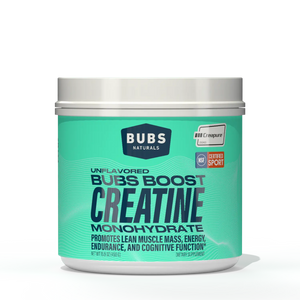
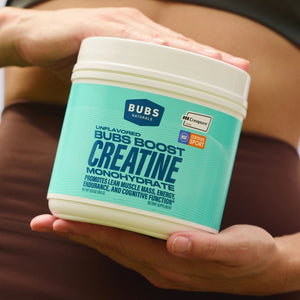
Glycine, one of the primary amino acids in collagen, is a precursor for the natural synthesis of Creatine Monohydrate. Creatine is essential for providing your muscles with the energy needed for short bursts of power, such as sprinting or heavy lifting. By providing a concentrated source of glycine, collagen may support the body's ability to maintain its own energy stores during high-intensity activity.
For those focusing on body composition, collagen can be a helpful tool. It helps maintain the lean mass of connective tissue, which is often overlooked in traditional strength training. Supporting the tendons and ligaments is just as important as building the muscle itself; if the "cables" (tendons) aren't strong enough to handle the "motor" (muscle), performance will eventually suffer.
Myth: Collagen is exactly the same as any other protein powder.
Fact: Collagen has a unique profile of amino acids, particularly high in glycine and proline, which are not found in high concentrations in whey or plant proteins. These specific amino acids are the primary drivers for connective tissue repair.
Bone Density and Strength
Bones are often thought of as hard, static objects, but they are living tissues that are constantly being broken down and rebuilt. While calcium and vitamin D get most of the credit for bone health, collagen makes up about 90% of the organic matrix in bones. It provides the flexible framework upon which minerals like calcium are deposited.
Bone mineral density is a measure of how much mineral is packed into the bone matrix. Without a strong collagen foundation, bones can become brittle despite high mineral levels. Collagen gives bones "toughness," which is the ability to absorb energy and resist breaking under pressure. This is particularly important for aging populations and athletes who engage in high-impact sports.
Maintaining a healthy collagen matrix within the skeletal system helps ensure that bones remain resilient. Regular physical activity, combined with the right nutritional support, helps the body signal that it needs to keep the bone-building process active and efficient. If you want a broader overview of how collagen fits into daily wellness, see our Collagen Peptides Guide: Benefits, Types, and How to Use for Optimal Health.
Why Collagen Levels Decline
Understanding why collagen diminishes can help you take steps to protect what you have. The natural aging process is the most significant factor, but lifestyle choices play a massive role in the rate of decline. Oxidative stress from environmental toxins and UV radiation can break down collagen fibers faster than your body can repair them.
High sugar consumption is another hidden enemy of collagen. Through a process called glycation, sugar molecules attach to proteins in the blood, forming harmful molecules known as advanced glycation end products (AGEs). These molecules make collagen fibers stiff and brittle, reducing their ability to function correctly in the skin and joints.
Finally, chronic stress and high cortisol levels can interfere with the body’s ability to synthesize new proteins. When the body is in a state of constant "fight or flight," it prioritizes immediate survival over long-term tissue maintenance and repair. Ensuring you get enough sleep and managing daily stress are essential parts of any collagen-preservation strategy.
Note: Environmental factors like UV rays and pollution can create free radicals that damage the collagen matrix, making antioxidant intake (like Vitamin C) a crucial part of your defense.
How to Support Your Body's Collagen
Supporting your body's collagen levels involves a combination of providing the right raw materials and protecting existing fibers. Eating a diet rich in high-quality proteins, citrus fruits for Vitamin C, and leafy greens provides the foundational nutrients. However, many people find that consistent supplementation is the most practical way to ensure they hit their targets.
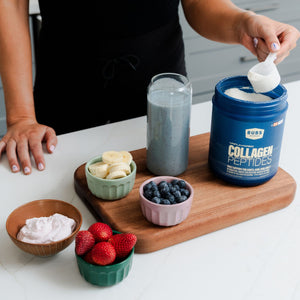
Our Collagen Peptides are designed for high bioavailability and ease of use. Because they are hydrolyzed, they dissolve quickly into hot or cold liquids, making it simple to add them to your morning coffee or post-workout shake. This provides a consistent stream of the specific amino acids your body needs to maintain its connective tissues without any added fillers or artificial ingredients.
Consistency is the most important factor when it comes to seeing the benefits of collagen. Most people notice the biggest difference in their joint comfort and skin hydration after 4 to 8 weeks of daily use. It is not an overnight fix, but rather a long-term investment in your body's structural health.
Key Takeaway: To effectively support collagen levels, you must combine a nutrient-dense diet with high-quality, bioavailable supplements while minimizing lifestyle factors that accelerate collagen breakdown.
The Role of Co-factors and Synergies
Collagen does not work in a vacuum. To maximize what collagen does to the body, you should consider the nutrients that help it perform. Vitamin C is the most critical co-factor, as it acts as the "key" that unlocks the body's ability to knit amino acids into collagen fibers. Without it, the structural integrity of the protein is compromised.
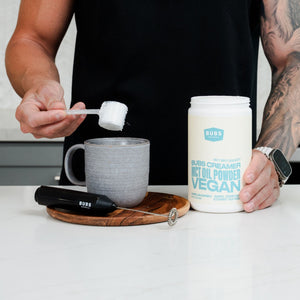
MCT Oil Creamer can also be a valuable companion to your collagen routine. While MCTs don't directly build collagen, they provide a clean, sustained energy source that can help power your workouts and support metabolic health. Many of our community members mix Collagen Peptides with MCT powder in their morning brew to kickstart their day with both structural support and mental clarity.
Finally, hydration is essential. Collagen fibers rely on water to maintain their flexibility and "plumpness," particularly in the skin and joints. Using a clean electrolyte formula like Hydrate or Die can ensure your cells are properly hydrated, allowing the collagen matrix to function at its best.
Who Should Prioritize Collagen?
While everyone can benefit from supporting their structural health, certain groups may find collagen supplementation especially helpful. Athletes and fitness enthusiasts put significant stress on their tendons, ligaments, and joints. Providing the body with the specific amino acids needed for connective tissue repair can help manage the wear and tear of a demanding training schedule.
People over the age of 30 should also consider their collagen levels. Since natural production begins to dip during this decade, proactive supplementation can help mitigate the gradual loss of skin elasticity and joint mobility. It is much easier to maintain healthy tissue than it is to try and repair significant damage later on.
Those recovering from injury may also find that collagen supports their journey back to full health. While it is not a replacement for medical care or physical therapy, providing the body with the building blocks for tissue repair can be a helpful part of a broader recovery protocol. Always consult with a healthcare professional before starting a new supplement if you are managing a specific medical condition.
Important: While collagen is generally safe and well-tolerated, you should always listen to your body and start with a standard serving size to see how your system responds.
Quality Matters: What to Look For
Not all collagen products are created equal. When choosing a supplement, you want to ensure you are getting a clean, effective product. Look for grass-fed and pasture-raised sources to ensure the highest quality of raw materials. This ensures that the cattle were raised in a way that aligns with natural health standards and minimizes exposure to unwanted chemicals.
Transparency is also vital. We believe you should know exactly what you are putting into your body. That is why BUBS Naturals products are third-party tested and NSF for Sport certified, a standard we discuss further in our Creatine Monohydrate: The Unrivaled Standard.
Avoid products that contain unnecessary fillers, sweeteners, or artificial flavors. A high-quality collagen supplement should be virtually tasteless and odorless, allowing it to blend into your favorite foods and drinks without changing the experience. Simple, clean ingredients are the foundation of effective nutrition.
Integrating Collagen Into Your Lifestyle
The best way to see what collagen does to the body is to make it a non-negotiable part of your daily routine. Many people find that adding a scoop to their morning coffee is the easiest way to stay consistent. The heat of the coffee doesn't damage the peptides, and it creates a ritual that is easy to remember.
If you aren't a coffee drinker, try mixing it into a smoothie, a bowl of oatmeal, or even a glass of water. Because our peptides are hydrolyzed, they won't clump or create a gritty texture. You can even use collagen in baking or cooking, adding a protein boost to pancakes or soups without altering the flavor profile.
Remember that wellness is a holistic pursuit. While collagen is a powerful tool, it works best when paired with regular movement, adequate sleep, and a balanced diet. Focus on building sustainable habits that support your long-term health and performance goals.
Bottom line: The versatility of hydrolyzed collagen makes it easy to incorporate into any diet, ensuring you get the structural support you need without disrupting your existing routine.
Conclusion
Collagen is more than just a beauty trend; it is a fundamental component of human biology that determines the strength and resilience of your body. From supporting joint mobility and bone density to maintaining the health of your skin and muscles, its impact is far-reaching. By understanding how collagen levels decline and how to effectively support them, you can take control of your physical longevity.
We founded BUBS Naturals to provide clean, science-backed supplements that empower you to live a life of adventure and purpose. Our commitment to quality is matched only by our commitment to giving back. In honor of Navy SEAL Glen "BUB" Doherty, we donate 10% of all profits to veteran-focused charities, ensuring that your journey toward wellness also supports those who have served through our 10% Rule.
Take the next step in supporting your body’s foundation. Whether you are hitting the trails, hitting the gym, or simply looking to move more comfortably through your day, adding Collagen Peptides to your routine is a simple, effective way to fuel your performance and recovery.
FAQ
How long does it take to see results from collagen?
Most people begin to notice changes in skin hydration and joint comfort after 4 to 8 weeks of daily, consistent use. For structural benefits like improved bone density or hair and nail strength, it may take 3 to 6 months of supplementation to see a significant difference.
Can I get enough collagen from food alone?
While you can get collagen from foods like bone broth and organ meats, these are not common staples in the modern diet. Supplementing with hydrolyzed collagen peptides provides a concentrated, bioavailable source of the specific amino acids needed for connective tissue repair that is often missing from standard meals.
Does heat destroy collagen powder?
No, hydrolyzed collagen is heat-stable, meaning you can stir it into hot coffee, tea, or use it in cooking and baking without damaging the amino acids. This makes it incredibly easy to integrate into your daily habits without losing any of its nutritional value.
Is there a difference between collagen and regular protein powder?
Yes, collagen has a unique amino acid profile that is particularly high in glycine, proline, and hydroxyproline, which are essential for building connective tissue. Regular protein powders like whey or soy are better suited for muscle protein synthesis but do not provide the same targeted support for joints, skin, and bones.