Table of Contents
- Introduction
- What Exactly is Collagen?
- The Biological Timeline: When Production Slows
- Why the Mid-20s is the Proactive Sweet Spot
- Navigating Your 30s: The Maintenance Phase
- The 40s, 50s, and Beyond: Essential Support
- Factors That Steal Your Collagen Early
- The Synergy of Movement and Nutrition
- Quality Matters: Not All Collagen is Created Equal
- The BUBS 10% Rule: Wellness with Purpose
- How to Integrate Collagen into Your Life
- The Role of Diet and Holistic Health
- Looking Ahead: A Lifetime of Resilience
- Conclusion
- FAQ
Introduction
Did you know that by the time you celebrate your 30th birthday, your body has already begun a silent, biological transition? It is a subtle shift, one that doesn’t announce itself with a bang, but rather through the gradual slowing of our internal machinery. Specifically, our natural ability to produce collagen—the primary structural protein that acts as the "glue" holding our bodies together—starts to dip. While we often think of wellness as a reactive measure to fix things when they break, the real secret to a life of adventure and longevity lies in being proactive. At BUBS Naturals, we believe that understanding your body’s timeline is the first step toward maintaining the vibrant, high-performance lifestyle you love.
The question of what age should u take collagen is one of the most frequent inquiries we receive from our community. Is it something reserved for those noticing the first signs of fine lines, or should a 22-year-old athlete be stirring it into their morning coffee? The answer lies in the intersection of biology, lifestyle, and the pursuit of a "no-BS" approach to health. Collagen makes up roughly 30% of the total protein in the human body and a staggering 70% of our skin. It is the scaffolding for our joints, the strength within our bones, and the resilience in our connective tissues. Yet, science tells us that our natural production peaks in our early 20s and begins a steady, 1% annual decline shortly thereafter.
In this guide, we are going to dive deep into the science of cellular aging and the role of protein supplementation. We will explore how different stages of life—from the hard-charging 20s to the wisdom-filled 60s—benefit from different nutritional strategies. You will learn about the different types of collagen, the lifestyle factors that accelerate its depletion, and how to integrate clean, high-quality Collagen Peptides into your daily routine to support your body's natural functions.
Our mission at BUBS Naturals is inspired by the legacy of Glen “BUB” Doherty—a Navy SEAL, adventurer, and friend who lived life to the fullest. We carry that spirit into everything we do, which is why our products are rigorously tested, NSF for Sport certified, and designed to mix effortlessly into your busy life. Whether you are looking to support your joints for your next mountain trek or want to maintain that healthy glow, understanding the "when" and "why" of collagen is essential. By the end of this article, you’ll have a clear roadmap for your own wellness journey, grounded in science and a commitment to doing good—remember, 10% of our profits always go to veteran-focused charities. Together, let’s explore how to stay "forever young" in spirit and function.
What Exactly is Collagen?
Before we can pinpoint the ideal age to start supplementation, we need to understand what we are actually putting into our bodies. Collagen is not just a beauty-counter buzzword; it is a complex structural protein composed of essential and non-essential amino acids. Specifically, it is rich in glycine, proline, and hydroxyproline. These amino acids form long, tightly packed chains that create a triple-helix structure. This structure is what gives our tissues their tensile strength—the ability to stretch without breaking.
In the human body, collagen is everywhere. It is in the corneas of your eyes, the walls of your arteries, the lining of your gut, and the discs between your vertebrae. While there are at least 28 known types of collagen, the vast majority of the collagen in our bodies consists of Types I, II, and III.
Type I collagen is the most abundant and is found in the skin, tendons, and bone tissue. It is famous for its role in skin elasticity and wound healing. Type II is the primary component of cartilage, making it vital for anyone focused on joint health and mobility. Type III is often found alongside Type I and supports the structure of muscles, organs, and large arteries. Our Collagen Peptides focus on providing high-quality, grass-fed, and pasture-raised hydrolyzed collagen that delivers the amino acids your body needs to support these vital structures.
The term "hydrolyzed" is crucial here. Raw collagen molecules are actually quite large and difficult for the human digestive system to break down and absorb. Through a process called hydrolysis, these large proteins are broken down into smaller chains called "peptides." These peptides are highly bioavailable, meaning they can be easily absorbed into the bloodstream and transported to the tissues that need them most. When we talk about what age should u take collagen, we are really talking about when your body starts needing an external supply of these peptides to keep up with the demands of an active life.
The Biological Timeline: When Production Slows
The human body is an incredible machine of renewal, but it isn't infinite. During our childhood and teenage years, our collagen synthesis is in overdrive. This is why children have that signature "plump" skin and can bounce back from physical tumbles with remarkable speed. Their bodies are constantly churning out high-quality collagen to support rapid growth and repair.
However, as we hit our mid-20s—usually around age 25—the biological switch begins to flip. The fibroblasts, which are the cells responsible for producing collagen in the dermis (the middle layer of the skin), start to become less active. On average, we begin to lose about 1% of our collagen every year starting in our mid-20s. This isn't something you notice overnight. It’s a cumulative process.
By the time we reach our 40s, the decline becomes more pronounced. For women, this process is further accelerated during the first few years of menopause, where research suggests a loss of up to 30% of skin collagen may occur. This isn't just about aesthetics; it’s about the structural integrity of the entire body. As collagen levels drop, the "cushion" in our joints begins to thin, and our bones may lose some of the flexible protein matrix that keeps them from becoming brittle.
Understanding this timeline is the key to answering the question of what age should u take collagen. If you wait until you are 50 to start thinking about collagen, you are essentially playing a game of catch-up. If you start in your 20s or 30s, you are playing a game of preservation. At BUBS, we advocate for the proactive approach. By supplying your body with Collagen Peptides early on, you are providing the raw materials your system needs to maintain its structural scaffolding before the "1% per year" drain starts to take a visible and physical toll.
Why the Mid-20s is the Proactive Sweet Spot
If you are currently in your 20s, you might feel invincible. You’re likely at the peak of your athletic performance, and your skin is still benefiting from the "youth protein" surplus of your teens. However, this is precisely when the proactive wellness mindset pays the highest dividends.
Think of collagen like a savings account for your future self. In your mid-20s, your "account" is full, but the interest rate has just dropped. By starting a daily ritual with Collagen Peptides, you are essentially making regular "deposits" that help offset the natural withdrawals that aging will inevitably make.
For the active 20-something, collagen isn't just about "anti-aging." It's about performance and recovery. If you are hitting the gym, running trails, or surfing, your connective tissues—tendons and ligaments—are under constant mechanical stress. These tissues are made almost entirely of collagen. Supplementing during this decade can support the resilience of these tissues, helping you stay in the game longer and bounce back faster from strenuous sessions.
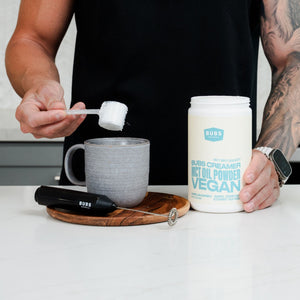
Additionally, we often see 20-somethings pairing their collagen with other functional supplements. For example, adding a scoop of collagen to a morning coffee along with our MCT Oil Creamer provides both the structural support of amino acids and the quick, clean mental energy of medium-chain triglycerides. It’s a simple, "no-BS" way to start the day with a focused mind and a supported body.
Navigating Your 30s: The Maintenance Phase
When people ask what age should u take collagen, the 30s is often the decade where the answer becomes "right now." This is typically the decade when the first subtle signs of collagen depletion become visible. You might notice that your skin takes a little longer to "snap back" after a long flight or a night of poor sleep. You might see the faint emergence of fine lines around the eyes or mouth.
More importantly, the 30s are often a decade of high physical and mental demand. Many of us are balancing career growth, family life, and high-intensity fitness goals. This is when joint "niggles" can start to appear. That slight stiffness in the knees after a morning run or a bit of soreness in the shoulders isn't necessarily an injury; it’s often a sign that your body’s natural repair mechanisms are slowing down.
Supplementing with Collagen Peptides in your 30s is about maintenance and damage control. It’s about ensuring that your body has a consistent supply of proline and glycine to support skin hydration and joint lubrication. At this stage, consistency is your best friend. Incorporating collagen into a daily routine—perhaps alongside Apple Cider Vinegar Gummies to support digestive wellness—creates a comprehensive foundation for health that can withstand the stressors of a busy life.
The 40s, 50s, and Beyond: Essential Support
Once you cross the threshold into your 40s and 50s, collagen supplementation moves from being "helpful" to "essential" for many wellness-focused individuals. At this stage, the cumulative effect of years of collagen loss is more apparent. The skin may become thinner and less elastic, and the rate of joint cartilage turnover slows down significantly.
For women specifically, the transition into menopause brings about a sharp decline in estrogen, a hormone that plays a key role in collagen synthesis. This can lead to a rapid increase in skin dryness and a decrease in bone density. Supplementing with high-quality Collagen Peptides during this time is a powerful way to support the body’s changing needs. While it isn't a "miracle cure," it provides the nutritional building blocks that are increasingly scarce in the typical modern diet.
For men and women in their 50s and 60s who refuse to slow down, collagen is a vital partner for mobility. Whether you are an avid golfer, a gardener, or a grandparent keeping up with toddlers, your joints need all the support they can get. We often suggest pairing collagen with Hydrate or Die - Lemon to ensure that your muscles and joints are not only structurally supported but also properly hydrated and fueled with essential electrolytes. This combo is a powerhouse for anyone looking to maintain an active, adventurous lifestyle well into their golden years.
Factors That Steal Your Collagen Early
While age is the primary driver of collagen loss, it isn't the only one. Certain lifestyle factors act like "collagen thieves," accelerating the breakdown of your existing protein stores and inhibiting the production of new ones. Understanding these can help you better tailor your supplementation routine.
-
UV Exposure: The sun’s ultraviolet rays are perhaps the biggest external threat to collagen. UV radiation creates free radicals that damage the collagen fibers in the dermis, leading to what we call "photoaging."
-
High Sugar Consumption: A diet high in refined sugars leads to a process called glycation. This is where sugar molecules attach to proteins (like collagen) and form "Advanced Glycation End-products" (AGEs). These AGEs make collagen brittle and prone to breaking.
-
Smoking: Tobacco smoke reduces the amount of oxygen that reaches the skin and introduces toxins that actively destroy collagen and elastin fibers.
-
Chronic Stress: High levels of cortisol, the body’s stress hormone, have been shown to decrease collagen production.
If your lifestyle includes any of these factors—maybe you’re a sun-loving surfer or a high-stress executive—you might need to consider what age should u take collagen a bit earlier than someone with a lower-impact lifestyle. To combat the oxidative stress caused by these factors, many in our community add Vitamin C to their daily regimen. Vitamin C is a critical cofactor in the enzymatic process that creates the collagen triple helix. Without enough Vitamin C, your body simply cannot synthesize collagen effectively, regardless of how many peptides you ingest.
The Synergy of Movement and Nutrition
At BUBS Naturals, we don't just sell supplements; we live the lifestyle. We know that the best results come from combining clean nutrition with purposeful movement. When you take Collagen Peptides, you aren't just drinking a supplement; you are fueling a system designed for motion.
Research suggests that there may be a "window of opportunity" for collagen intake relative to exercise. Taking collagen about 30 to 60 minutes before a workout that involves mechanical loading (like weightlifting or jumping) may help deliver those precious amino acids to the tendons and joints when blood flow to those areas is highest. This is where a holistic approach comes in.
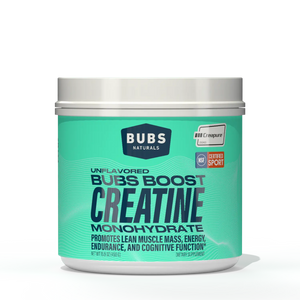
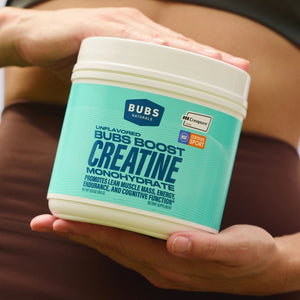
Imagine your pre-workout ritual: a glass of Hydrate or Die - Mixed Berry for electrolyte balance, a scoop of Creatine Monohydrate to support muscular power, and a serving of collagen to protect your connective tissues. This isn't just a collection of powders; it’s a science-backed strategy to ensure that your body can handle the "adventure" you’re about to put it through. Whether you are 25 or 65, this synergy between movement and targeted nutrition is what allows you to push your limits safely.
Quality Matters: Not All Collagen is Created Equal
When you decide that now is the age you should start taking collagen, the next question is which one. The supplement market is flooded with options, but at BUBS, we believe in a "no-BS" approach. Our Collagen Peptides are sourced from grass-fed, pasture-raised cattle, ensuring a clean and ethical starting point.
Why does this matter? Because your body deserves the best raw materials. We go the extra mile by ensuring our products are NSF for Sport certified. This is a rigorous third-party testing process that verifies what’s on the label is actually in the tub and that there are no harmful contaminants or banned substances. For professional athletes and weekend warriors alike, this certification is the gold standard for safety and efficacy.
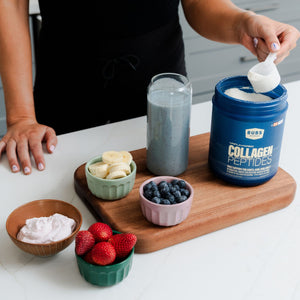
Furthermore, we’ve perfected the "mix-easy" nature of our peptides. There is nothing worse than a clumpy supplement that ruins your morning routine. Our collagen dissolves instantly in hot or cold liquids, making it a seamless addition to your Butter MCT Oil Creamer coffee or your post-workout shake. When a supplement is easy to take and high in quality, you are more likely to stay consistent—and consistency is where the magic happens.
The BUBS 10% Rule: Wellness with Purpose
Every time you choose to support your health with BUBS Naturals, you are also supporting something bigger than yourself. We were founded to honor the memory of Glen "BUB" Doherty, a man who lived with intensity, curiosity, and a deep commitment to his friends and country. Glen was one of the four Americans who tragically lost their lives in Benghazi, Libya, in 2012. He was a hero in every sense of the word, but to us, he was just "BUB"—the guy who was always ready for the next adventure.
This legacy is why we created the BUBS 10% Rule. We donate 10% of all our profits to veteran-focused charities, specifically the Glen Doherty Memorial Foundation. This foundation helps special operations veterans and their families transition to civilian life through education and professional grants.
So, when you ask what age should u take collagen, and you decide that today is the day, your purchase carries a weight of purpose. You are investing in your own longevity, your own joints, and your own skin, but you are also helping a veteran find their next mission in life. It’s wellness with a soul, and it’s a core part of why we do what we do. We believe that a life lived for others is a life well-lived, and we are proud to have our community stand with us in this mission.
How to Integrate Collagen into Your Life
If you’ve decided that you’re at the right age to start, how do you actually do it? The key to any successful wellness habit is making it so easy that you can’t say no.
-
The Morning Ritual: This is the most popular method. Simply add a scoop of Collagen Peptides to your morning coffee. Since it’s flavorless and odorless, you won’t even know it’s there. For an extra boost of sustained energy, pair it with our MCT Oil Creamer.
-
The Post-Workout Recovery: After a tough session, your body is primed for nutrient absorption. Mix collagen into a smoothie with fruit, greens, and a serving of Hydrate or Die - Lemon to replenish both your structural proteins and your electrolytes.
-
The Evening Wind-Down: Some people prefer taking their collagen in the evening. Glycine, one of the primary amino acids in collagen, has been studied for its potential to support a calm nervous system and healthy sleep patterns. Try stirring it into a warm cup of herbal tea before bed.
-
On the Go: Life is an adventure, and sometimes that adventure takes you away from your kitchen. Our Collagen Peptides Travel Packs (available in the 20 ct size) are perfect for stashing in your gym bag, backpack, or carry-on. No excuses, even when you're off the grid.
The Role of Diet and Holistic Health
While we are big believers in the power of supplementation, we also know that it shouldn't exist in a vacuum. A collagen-rich life starts with a nutrient-dense diet. Traditionally, our ancestors consumed a lot of collagen by eating "nose-to-tail," including bone broths, organ meats, and skin-on poultry. In the modern Western diet, we’ve largely lost this tradition, which is why supplementation has become so popular.
To support your body's natural collagen factory, focus on eating a variety of colorful vegetables and high-quality proteins. Remember those cofactors we mentioned? Zinc and Copper are also essential for collagen synthesis. You can find these in foods like oysters, pumpkin seeds, and dark leafy greens.
And don’t forget the basics: hydration and sleep. Your skin and joints need water to stay plump and lubricated. During deep sleep, your body enters its most significant repair phase, releasing growth hormones that stimulate protein synthesis, including collagen. When you combine these foundational habits with a scoop of Collagen Peptides, you are giving your body the absolute best environment to thrive.
Looking Ahead: A Lifetime of Resilience
The journey of wellness is a marathon, not a sprint. The question of what age should u take collagen isn't about finding a "magic pill" to stop time; it’s about choosing to support your body through every stage of its evolution. Whether you are 25 and focused on preventing future wear and tear, or 55 and looking to maintain the mobility that allows you to explore the world, collagen is a versatile and effective tool in your kit.
At BUBS Naturals, we are here to support that journey with products that are as adventurous and dedicated as you are. We don't believe in gimmicks or over-the-top claims. We believe in high-quality, science-backed ingredients that work. We believe in the power of a "no-BS" approach to health. And most importantly, we believe in the power of our community to do good in the world.
As you look toward your next decade, think about the structural foundation you are building today. By incorporating Collagen Peptides into your routine now, you are making a commitment to your future self—a self that is strong, resilient, and ready for whatever adventure comes next.
Conclusion
Determining the ideal age to start your collagen journey is ultimately a personal decision, but the biological evidence points toward a clear "sooner rather than later" philosophy. By beginning in your mid-20s or early 30s, you are acting as a guardian of your own structural integrity, helping to mitigate the natural 1% annual decline before it manifests as physical discomfort or visible aging. However, it is truly never too late to start. Whether you are seeking to support your skin’s natural glow, bolster your joint health for demanding physical feats, or simply ensure your body has the amino acids it needs for daily repair, collagen is a foundational supplement for any age.
We have explored the "why" behind collagen loss, the lifestyle factors that can speed up the process, and the specific ways that different age groups can benefit from supplementation. From the proactive 20s to the essential support needed in our 50s and 60s, the goal remains the same: a life lived with vitality and purpose. By choosing clean, third-party tested products like BUBS Naturals Collagen Peptides, you are choosing a partner that values quality, transparency, and the spirit of adventure as much as you do.
Remember, every scoop of BUBS is a step toward a healthier you and a tribute to a larger cause. We invite you to explore our full Collagen Peptides Collection and see how our simple, effective ingredients can fit into your daily life. Whether it’s in your coffee, your smoothie, or your travel bag, make collagen a non-negotiable part of your wellness ritual. Stay adventurous, stay healthy, and as always, feel the BUBS difference.
FAQ
1. Is it ever too late to start taking collagen supplements?
No, it is never too late. While starting in your 20s or 30s is ideal for a proactive approach, individuals in their 50s, 60s, and beyond can still see significant benefits by supporting their body's remaining collagen structures. Supplementing later in life is especially helpful for supporting joint comfort, bone density, and skin hydration as natural levels naturally decline. Consistent use of Collagen Peptides can provide the necessary amino acids that may be missing from a modern diet.
2. Can I get enough collagen from food alone?
While it is possible to get collagen from traditional foods like bone broth, skin-on fish, and organ meats, most modern diets are quite low in these specific sources. Supplementing with hydrolyzed Collagen Peptides offers a much more convenient and highly bioavailable way to ensure your body receives a consistent daily dose of the specific amino acids—like glycine and proline—needed for collagen synthesis.
3. Do I need to take Vitamin C with my collagen?
Vitamin C is a vital cofactor for collagen production. Without it, the body cannot effectively link the amino acids together to form the collagen triple helix. While you don't necessarily have to take them at the exact same second, ensuring you have adequate levels of Vitamin C in your system daily is essential for getting the most out of your collagen supplement.
4. How long does it take to see results once I start?
Collagen works from the inside out, so it is not an overnight fix. While some people notice improvements in skin hydration or joint comfort within a few weeks, most scientific studies show that consistent daily use for 8 to 12 weeks is required to see significant changes. Consistency is the most important factor—making it a habitual part of your routine, like your morning coffee with MCT Oil Creamer, is the best way to ensure long-term success.